Nature & Photography

Our Cactus Garden Evokes Sweet Memories & Teachable Moments about Life


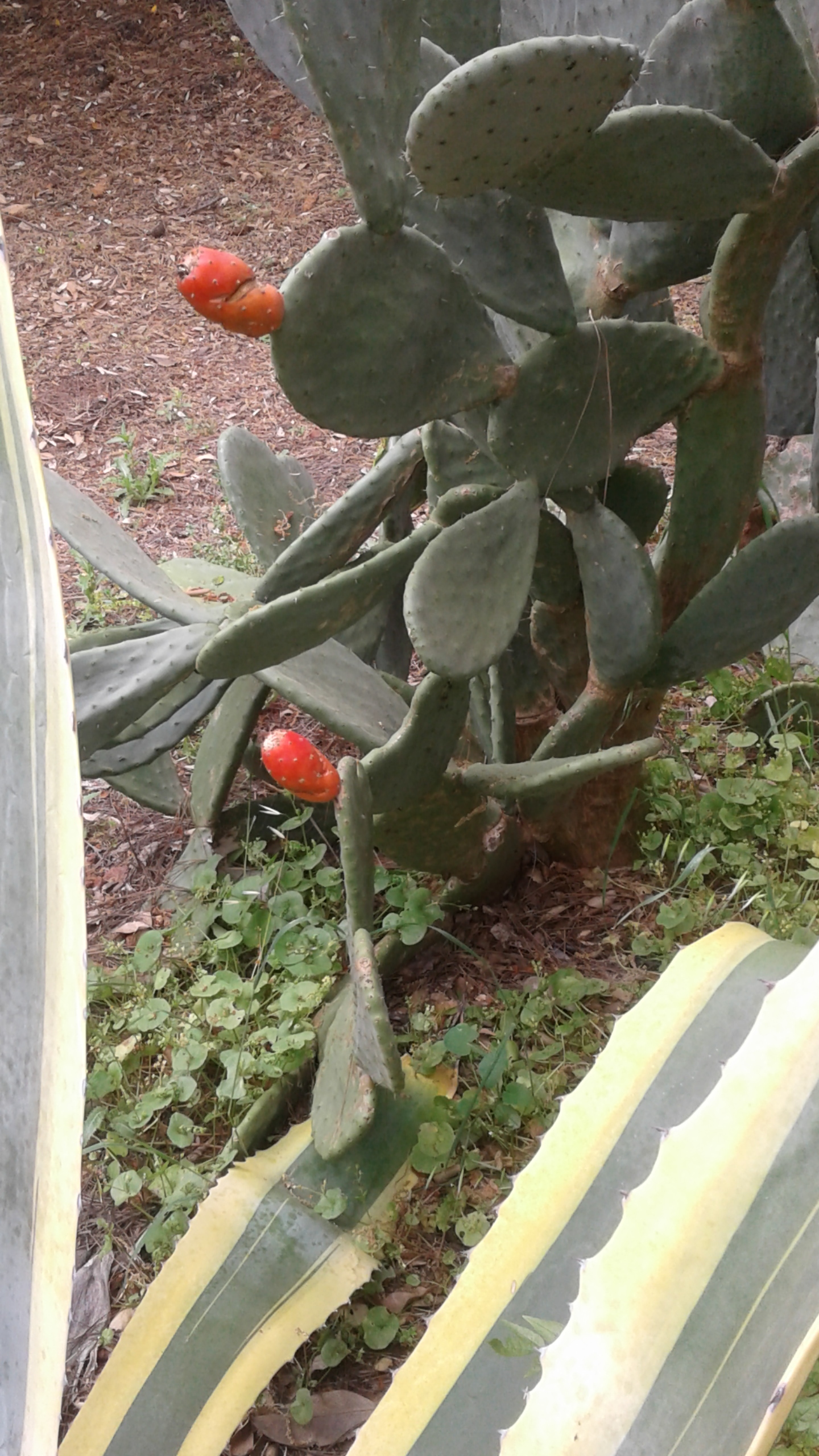
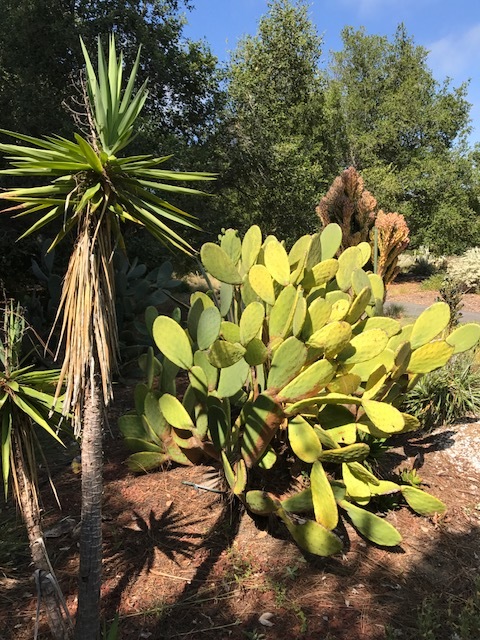
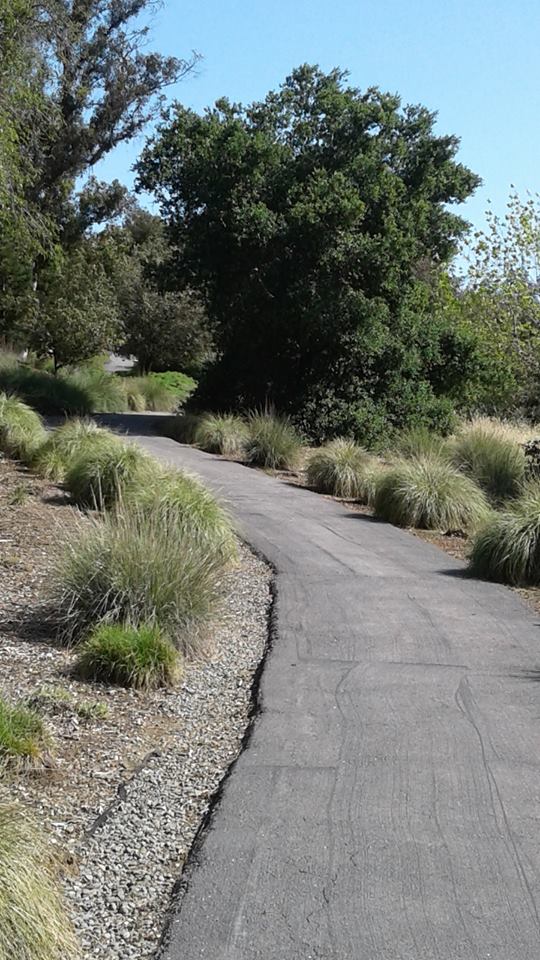
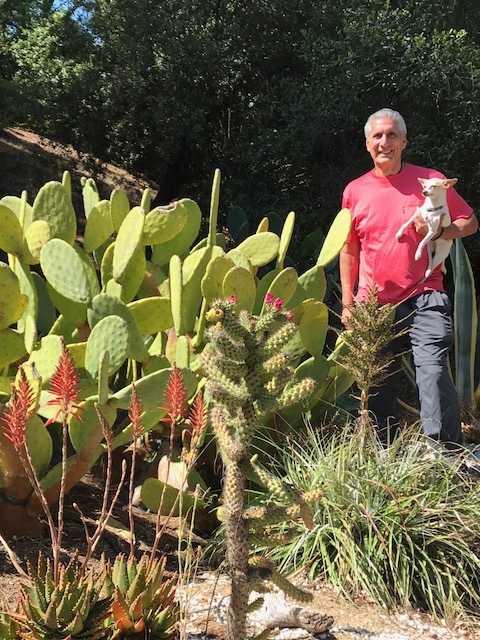
My home office overlooks our community cactus gardens on each side of the walking trail Cecile and I mindfully walk on each day. It also reminds me of my late mother, Maria who grew up in Sicily, and loved eating the fruit of the cactus. How fitting that these mysterious succulent plants would become such a source of enjoyment in my retirement years.


I first became acquainted with this particular species of cactus plants as a young boy while visiting our family in the old country. 

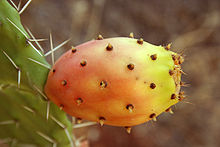
When I was 13, I drove my uncle’s Vespa and saw the cactus plants along the beach. I’m told they are a cheap and effective method of erosion control in the Mediterranean basin. Prickly pears are the fruit of the Opuntia cactus. My grandparents called them “Figidiini,” in Sicilian dialect. They can be eaten fresh, candied, mashed into marmalade, and can even be made into a prickly pear-flavored liqueur called “Ficodi.”


In those innocent days on the island, I attempted to pick a few of the prickly pears off the cactus plant—gloveless. My fingers prickled with pain for days afterwards. My mother had to pull them out with her tweezers. Every Sicilian family have laughingly told the story of American GIs in WWII, who plucked the fruit right off the cactus plant and bit into it. “Yikes.”:-)


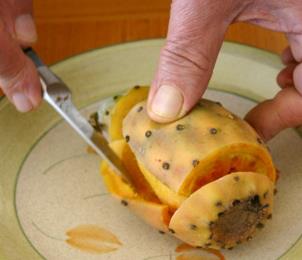
We ate the fruit but not until the pinchy spines were peeled away by my nonna—and after it sat chilled in the refrigerator for a few hours. Unlike me, she knew what she was doing. When she cut back the peel, I was surprised to see the color of the prickly pear fruit, which ranged from bright yellow to orange, and evoked a fragrance of citrus. It “did,” look like a pear—with an indentity crisis. The juicy soft pulp contains tiny hard seeds that Sicilians simply swallow.


Their taste is similar to a sweet watermelon. They contain 85% water, are rich with Vitamin C, and have lots of other nutrients and phytochemicals. For people who want a little more kick to their fruit, Sicily make a prickly pear-flavored liqueur called “Ficodi” is produced. It has the flavor of a medicinal aperitif. 


Opuntia Cactus are also seen scattered throughout the Israeli hillside and looks like a natural part of the Israeli landscape. They were actually imported to Israel from Arizona and New Mexico and planted to serve as natural barriers and dividers. In Israeli, the term Sabra (in Hebrew), alludes to the tenacious, thorny cactus plant with a thick skin that conceals a sweet, soft luscious interior. It is a term of endearment for Israeli Jews, who are referred to as being tough on the outside, but delicate and sweet on the inside.


In the Native American tradition, cacti represent protection, patience, strength and endurance. They can survive difficult conditions, their roots run wide and deep. They continue to flower in the face of adversity. It is a great metaphor for the human condition that reminds us that we are capable of being strong and resilient, that we can survive whatever life throws in front of us, that we can flourish in good times and bad.


Bryce Courtenay author of “The Power of One,” talks about the cactus plant in a section of his book that resonated with me and drives home this point:


"The cactus has all the blessings…It has humility, but is not submissive. It grows where no other plant will grow. It does not complain when the sun bakes it, or the wind tears it from the cliff or drowns it in the dry sand of the desert or when it is thirsty.

When the rain comes it stores water for the hard times to come. In good times and in bad it will still flower. It protects itself against danger, but it harasses no other plant. It adapts perfectly to almost any environment. It has patience and solitude. The cactus has properties that heal the wounds of mend and from it comes potions that can make man touch the face of God or stare into the mouth of hell. It is the plant of patience of solitude, love and madness, ugliness and beauty, toughness and gentleness.”


Postscript:  Our neighbor, Lucy Vagonov, former chair of the landscaping committee at RInconada Hills is responsible for the installation of the cactus gardens that bring resident walking the trails and walking their dogs so much pleasure. 


The Hypnotic Glow and Quality of Stillness of a Cactus Flower

"Flowers don't worry about how they're going to bloom. They just open up and turn toward the light and that makes them beautiful." —Jim Carrey

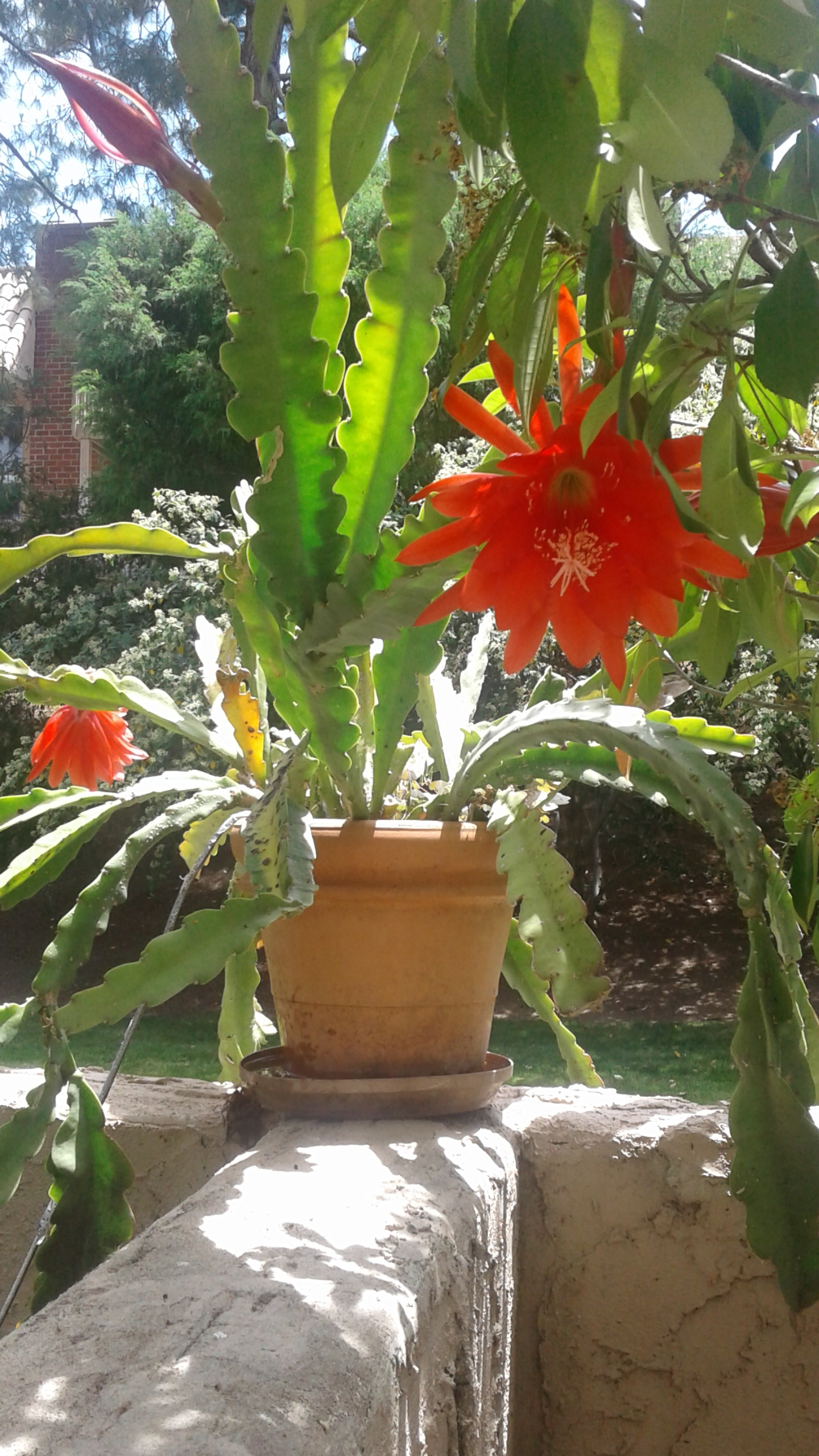
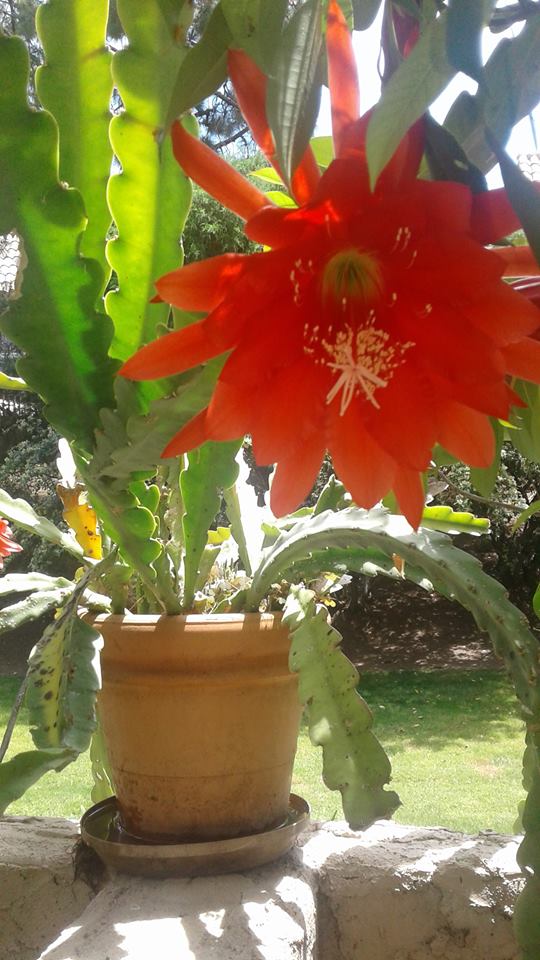
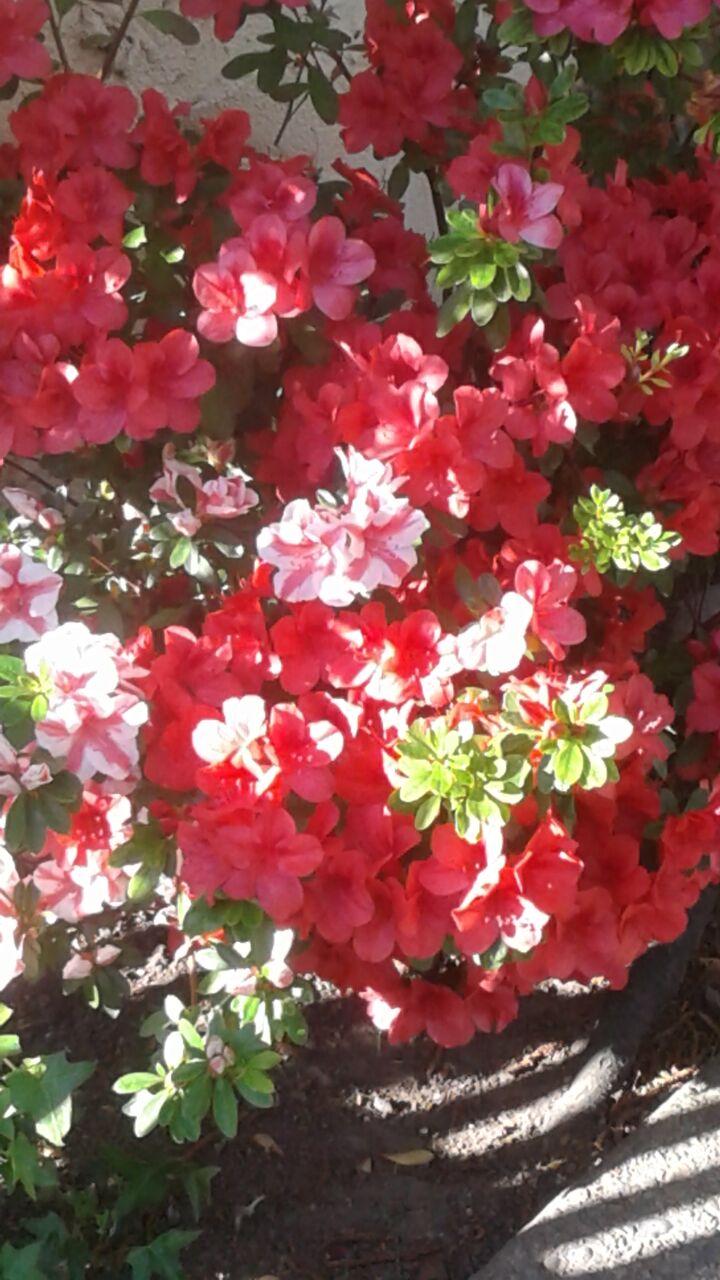
I am grateful to Howard, our next door neighbor, who has been nurturing a bright red cactus flower in a pot that has a short but showy blooming period. He called it an Epiphyllum (Greek: for upon the leaf), and he has been hybridizing these type of plants for over 20 years. As shown in these photos I took, It sits on the corner of a wall that borders our back yard patio. When the sunlight hits it, it exudes a hypnotic glow and a quaity of stillness and silence that sometimes eludes me during the course of a busy day. I literally “love” this flower, and in a reflective moment, I realized that Love is not about possession, but about appreciation and beauty, and a sacred wellspring that is always available to us if we take the time to see.


Our Friends Butterfly Garden & Reflecting on Personal Transformation

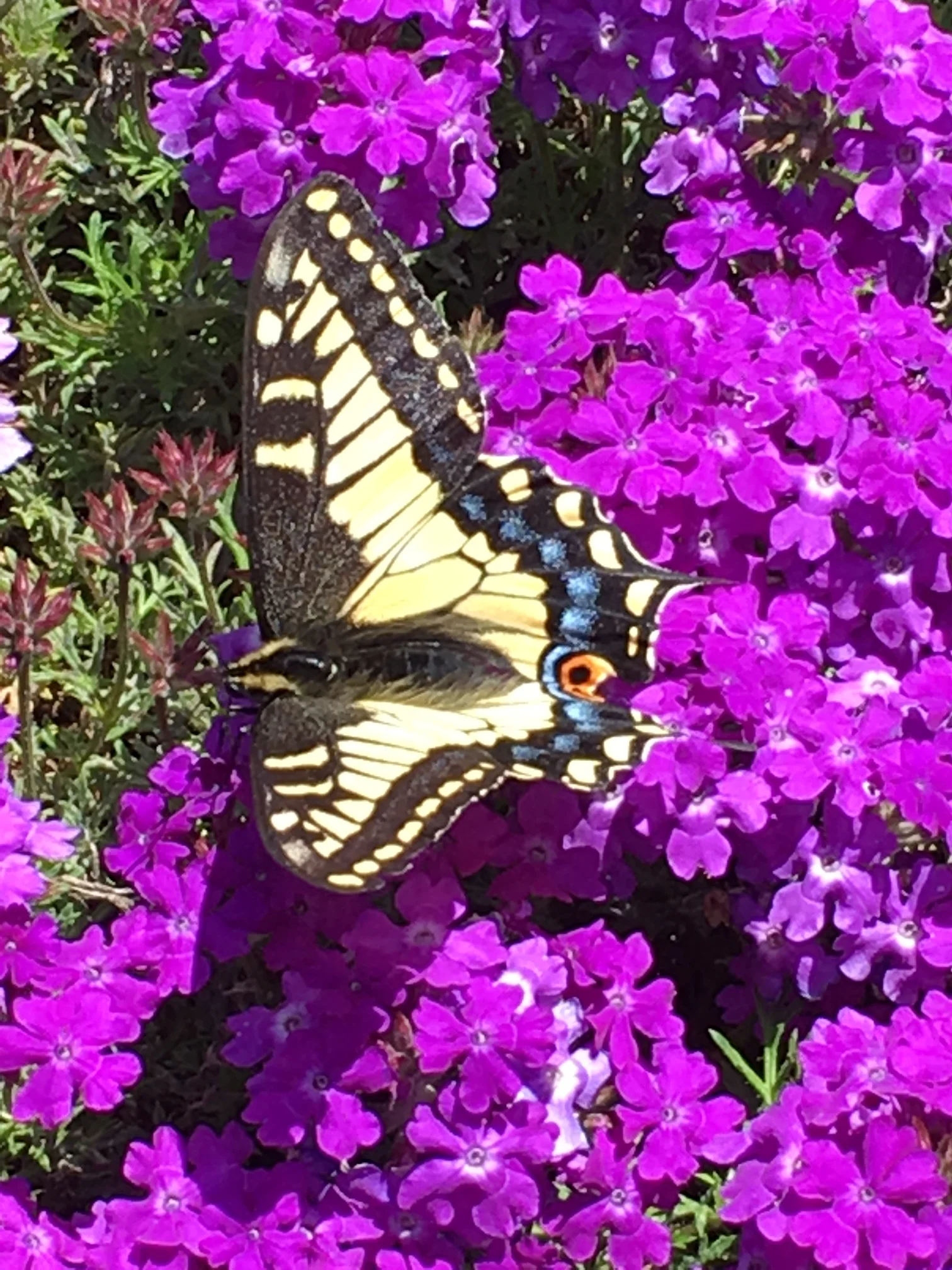
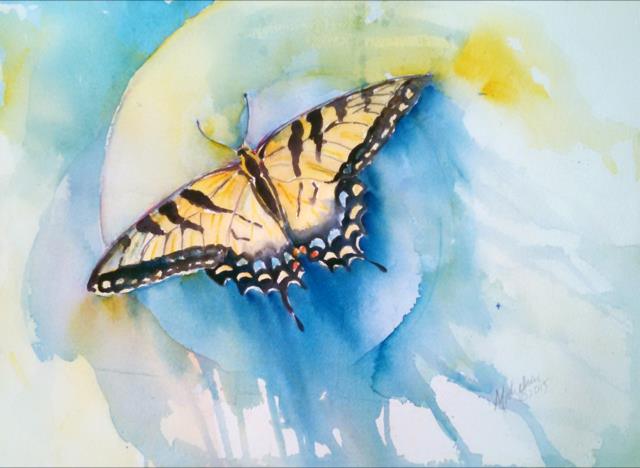
Recently, our friends Marianne, an artist and children’s book writer, and her husband, Brian a musician, composer and professor of music at San Jose State invited Cecile and I for dinner at their home. We were taken by the luscious grape colored flowers in their back yard. “We planted them to attract butterflies,” Marianne said. She proceeded to show us a photo she took of a Western Tiger Swallowtail Butterfly with striking yellow and black tiger stripes and distinctive orange spots near its tail. The Swallowtail is typically seen in gardens and urban park environments. Next to the Monarch, Swallowtails are the most common variety of butterflies.

In Chinese culture, two butterflies flying in tandem represent love. Butterfies symbolize a long life. In fact, in Mandarin, the word butterfly is hu-tieh, meaning 70 years. In the U.S., releasing butterflies at the end of a wedding ceremony bodes well for the marraige. 

The butterfly is the symbol of creativity, freedom and joy. Butterfies also represent growth and change, leaving the comfort, familiarity and safety of their cocoon to discover a new world, in a new form, trusting that their untested wings will allow them to fly with confidence, grace and freedom. A butterfly teaches us that exiting the cocoon suddenly opens a new door. It shows us the beauty and power of personal transformation. It is a natural process, just like breathing, but unlike breathing it can’t be forced or manipulated in any way. It is an inside job. 

Often transformation comes through hardships. We go kicking and screaming. Then one day we take a deep breath, and submit to the process of change that is brewing inside us. Other times, transformation comes to us by choice. We begin to see things more clearly and it becomes an invitation to learn, grow and change the trajectory of our lives. Whatever way it comes about, the outcome is the same. Like the butterfly, we all have the opportunity and ability to emerge from our cocoons—transformed.

1-Photo credit: Marianne Bickett
2-Photo credit: Original watercolor of Tiger Swallowtail Butterfly by Christie Michelsen: brightspiritrising.com

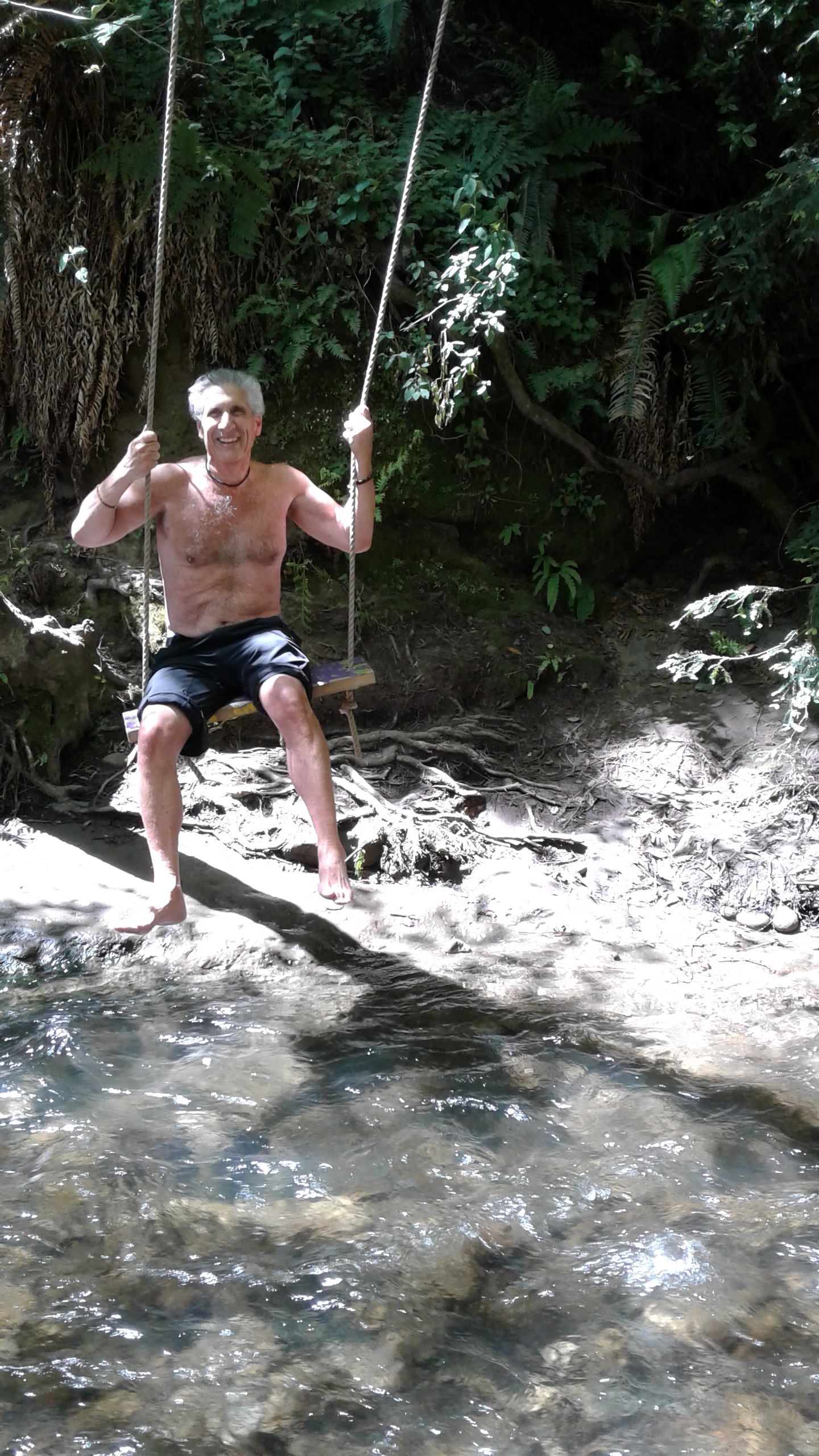
Hiking, Swinging Over a Creek, and Visiting a Toppled 1,000 yr old Advocate Tree in Aptos, CA

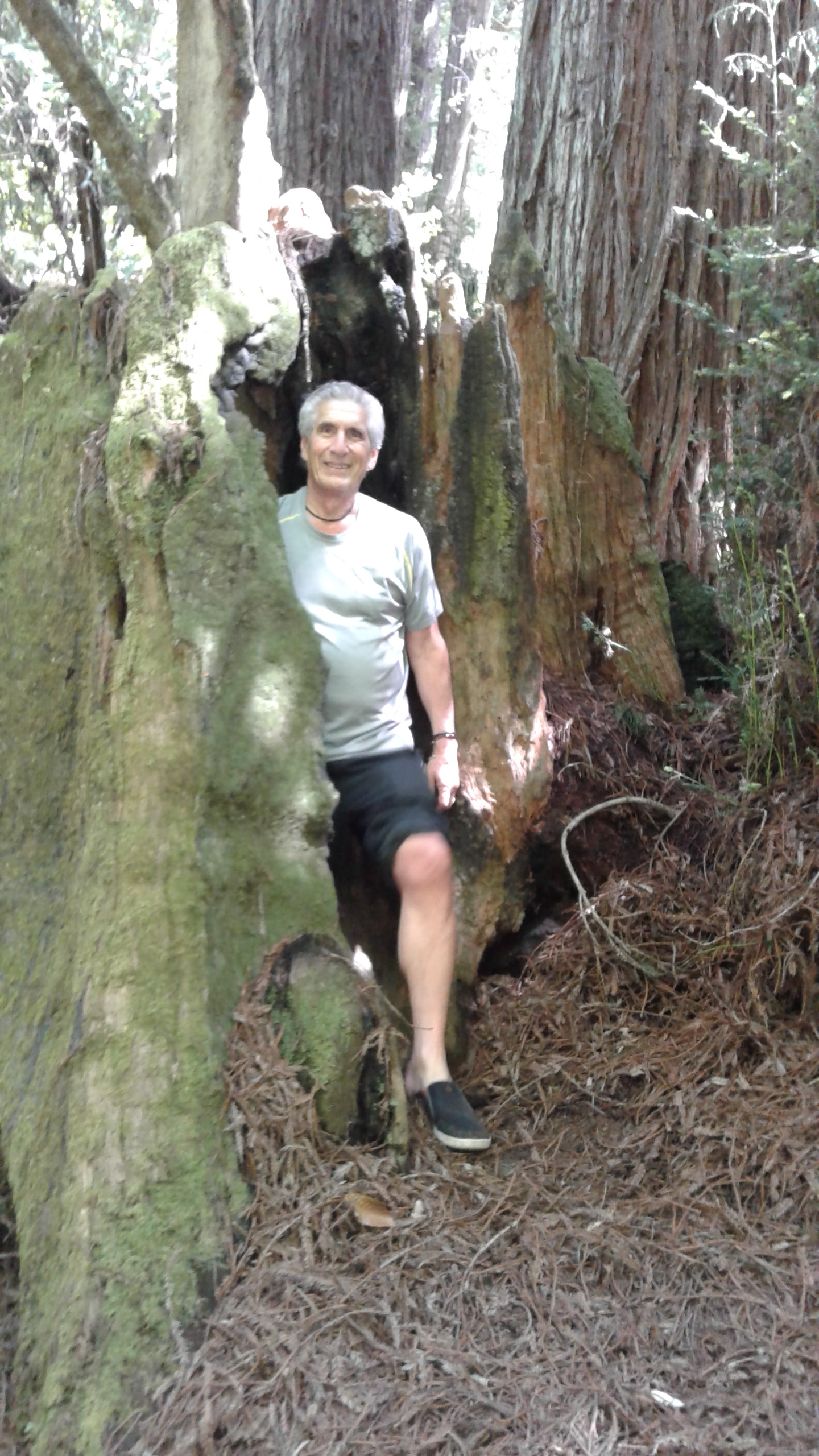
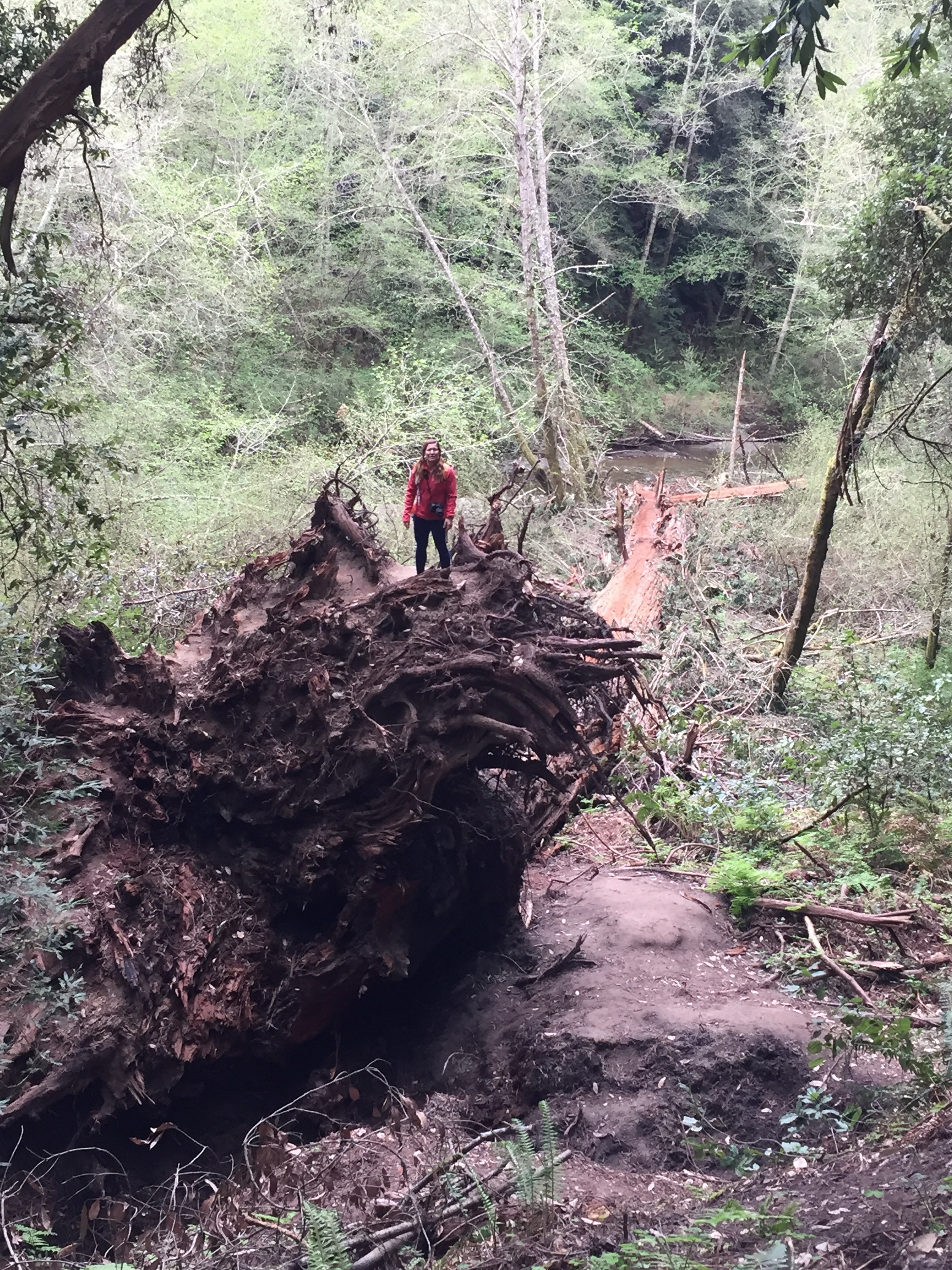
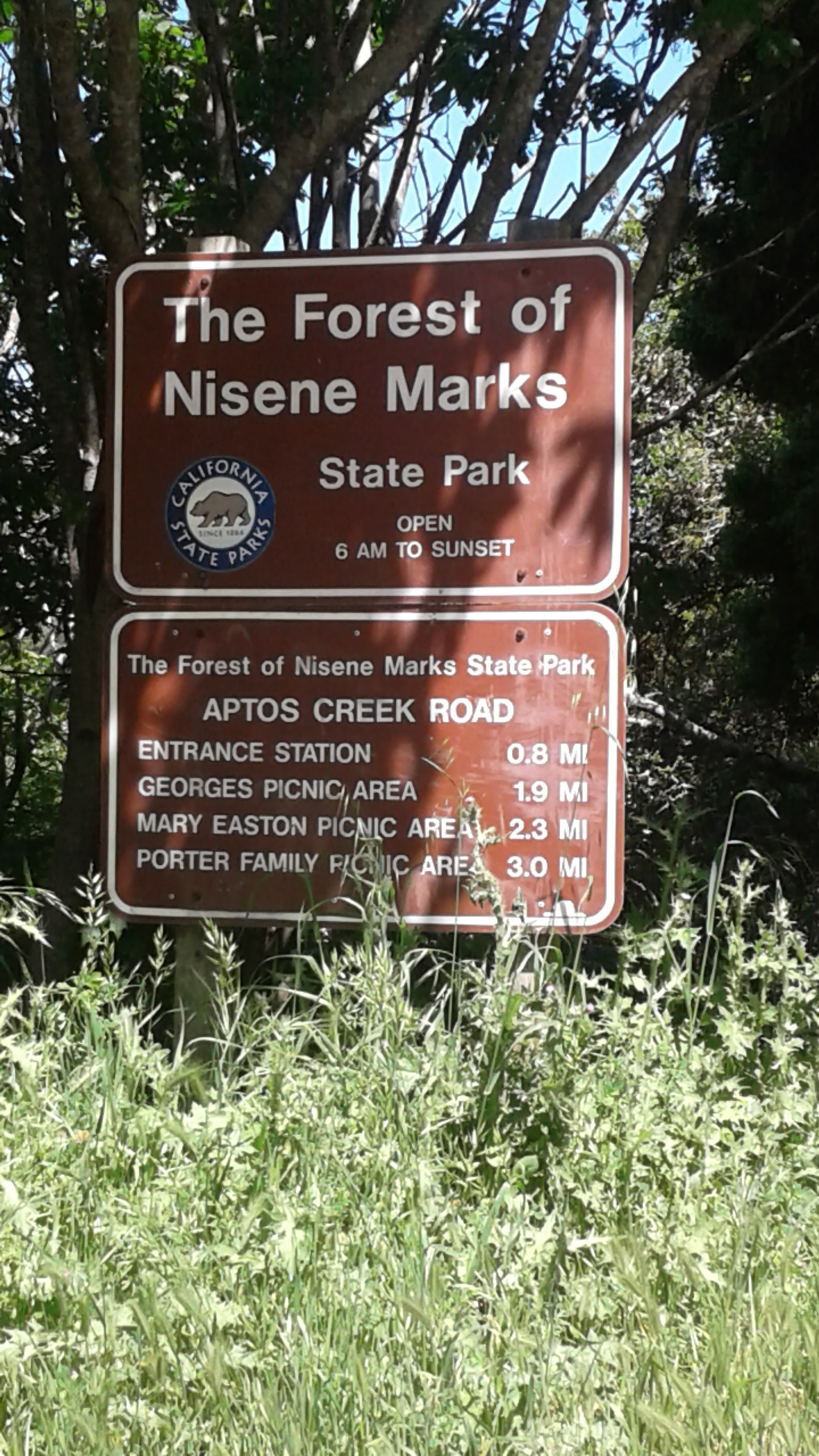
After my story of the uprooted 30 ft. Aleppo tree in our gated community appeared in the Los Gatos Times Observer, I forwarded it to Kathleen O’Malley, an Aqua Yoga fitness instructor at BayClub, Courtside. Like myself, Kathy is a devoted nature lover. She emailed me a photo along with a note to let me know that at the moment she received my news item, she was at the Forest of Nisene Marks State Park in Aptos, CA. She was at the site of the 1,000 year old "Advocate Tree," that had toppled during the winter storms. I decided I had to go see it for myself and pay my respects to this grand daddy of old-growth redwoods. So I recruited my friend Jimi Hunter to join me.

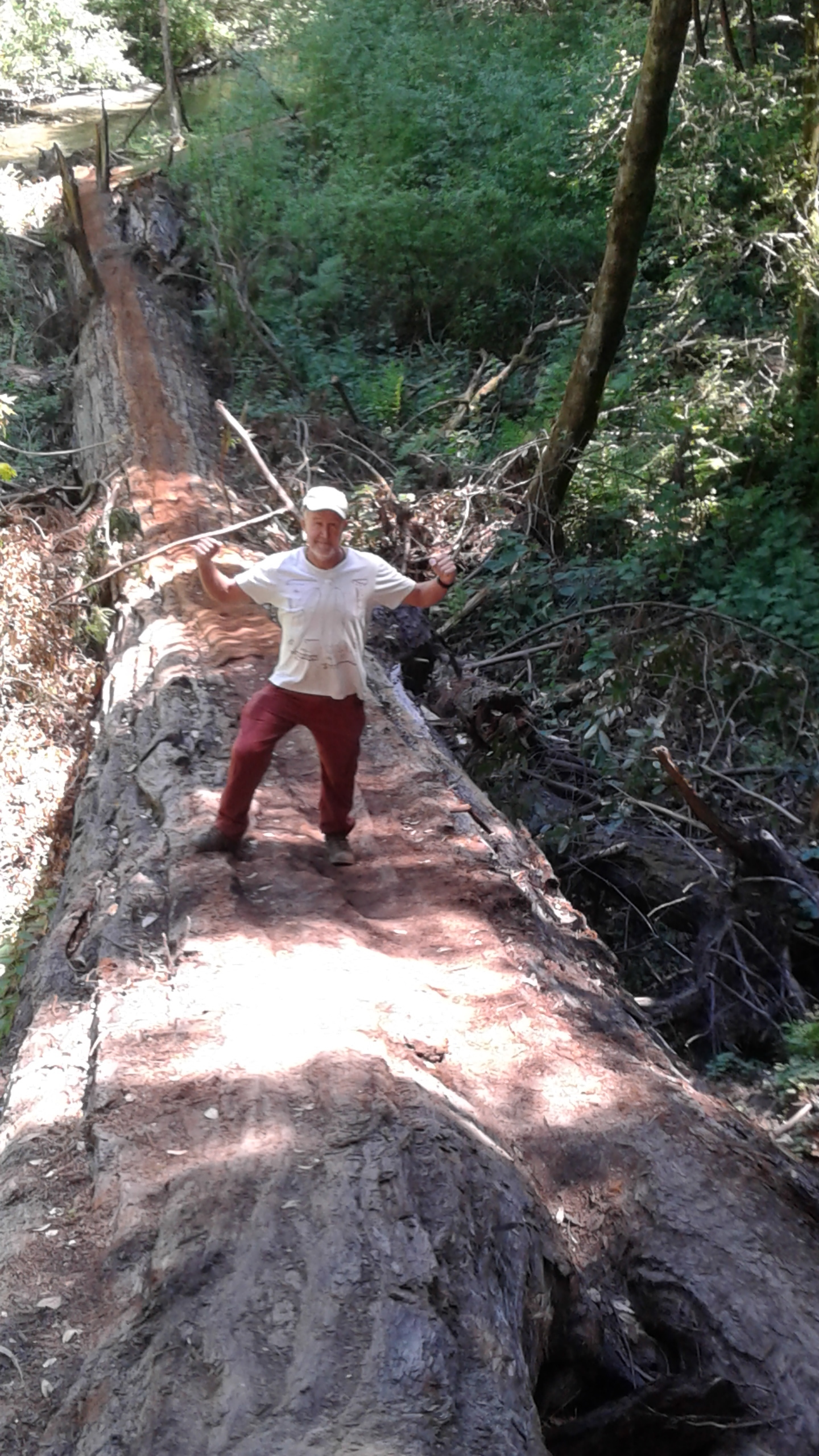
Jimi and I made several attempts to find the fallen remains of The Advocate Tree by following the map (poorly, I may add) given to us by the ranger at the entrance to the park. We retraced our steps, crossed wooden bridges, and climbed over other fallen tree limbs. I even slid off a long slippery log into the creek—landing partially on my right lower extremity—while trying to get to the the other side. Fortunately my cell phone camera in my left pant pocket didn't get wet. It's been said that Sometimes you have to make a wrong turn before you find your way. My wife Cecile will tell you that's the story of my life:-). It turns out Jimi is as geographically challenged as I am. But perserverance paid off and we found the giant redwood.

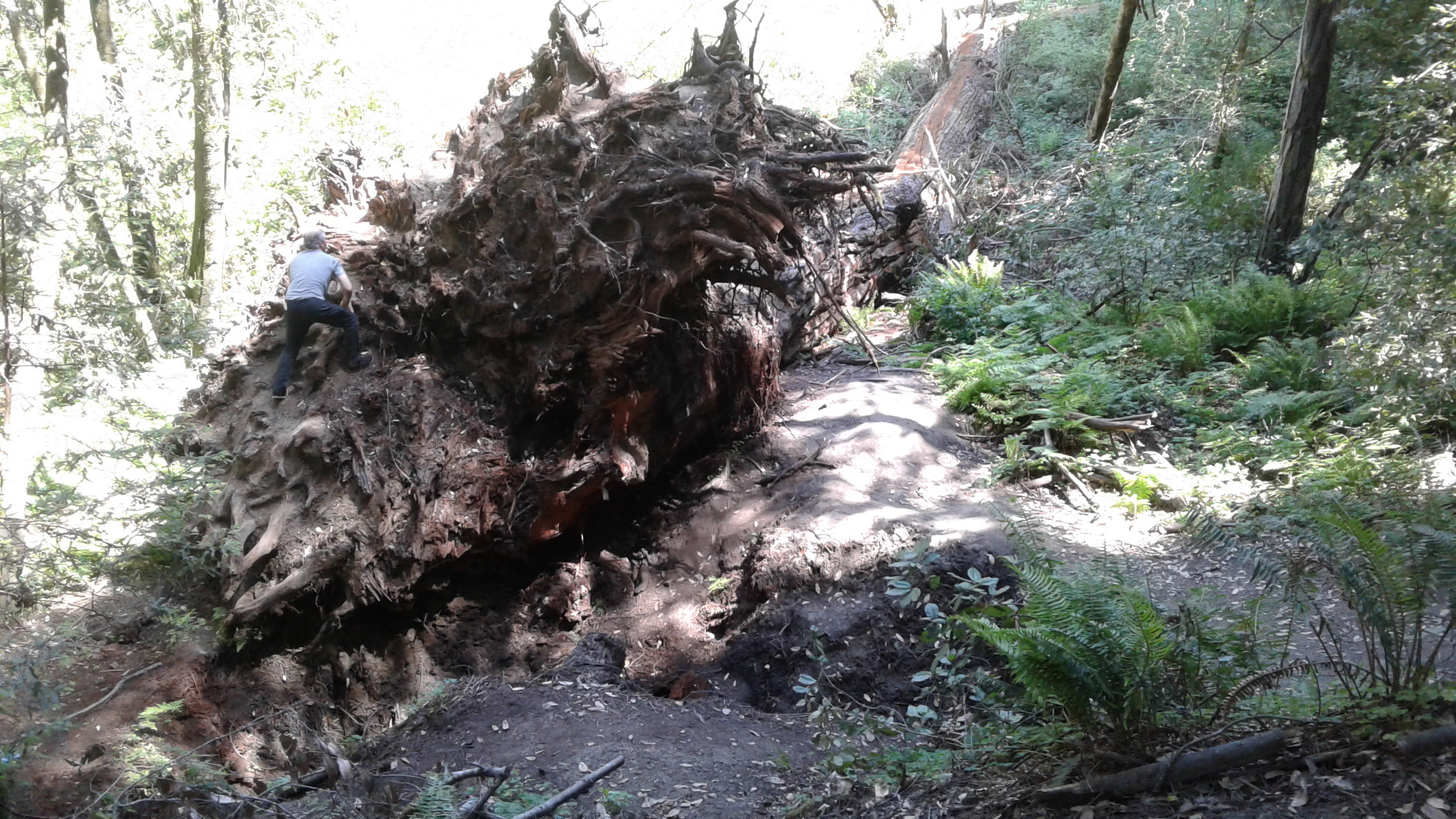
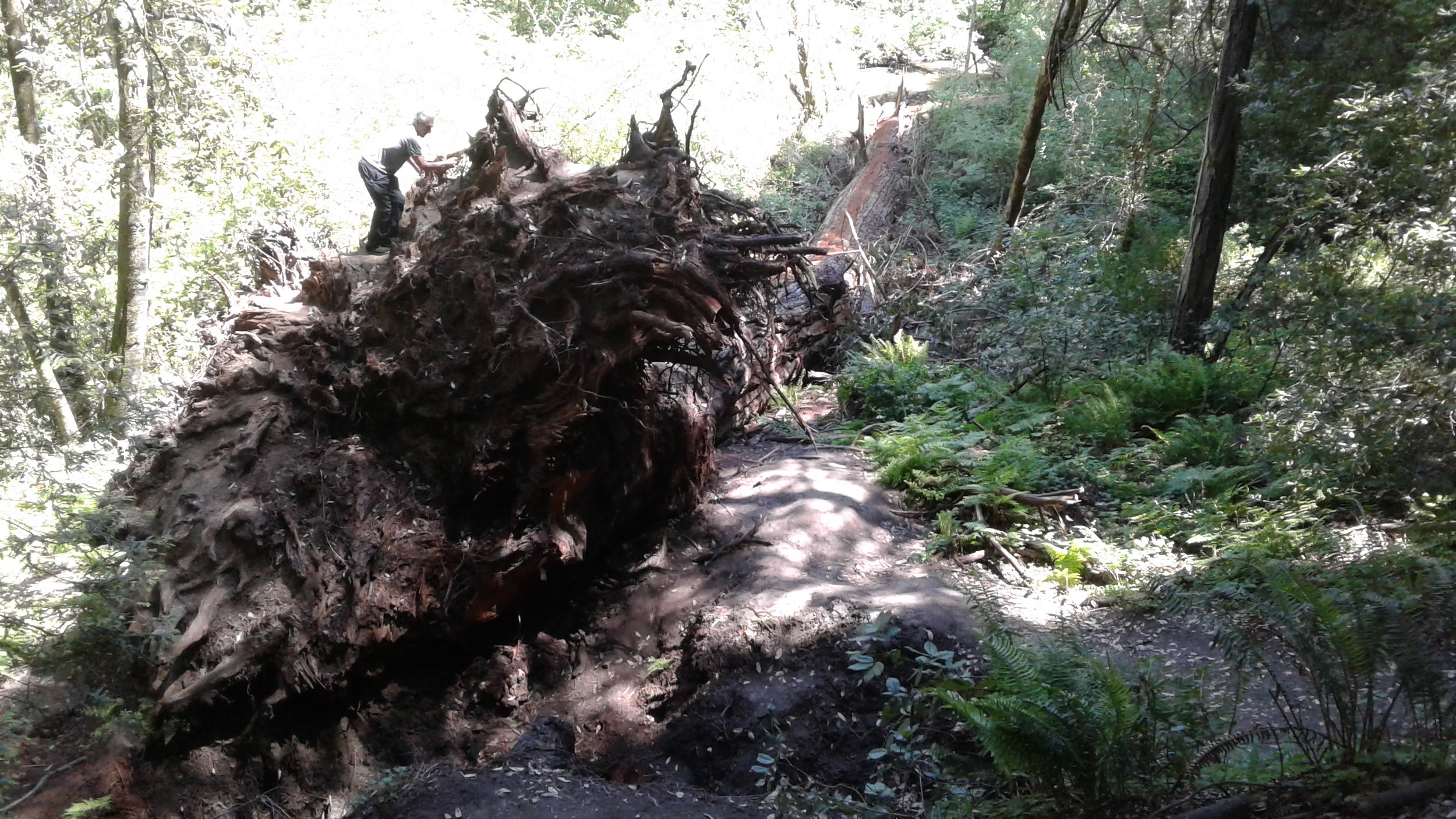
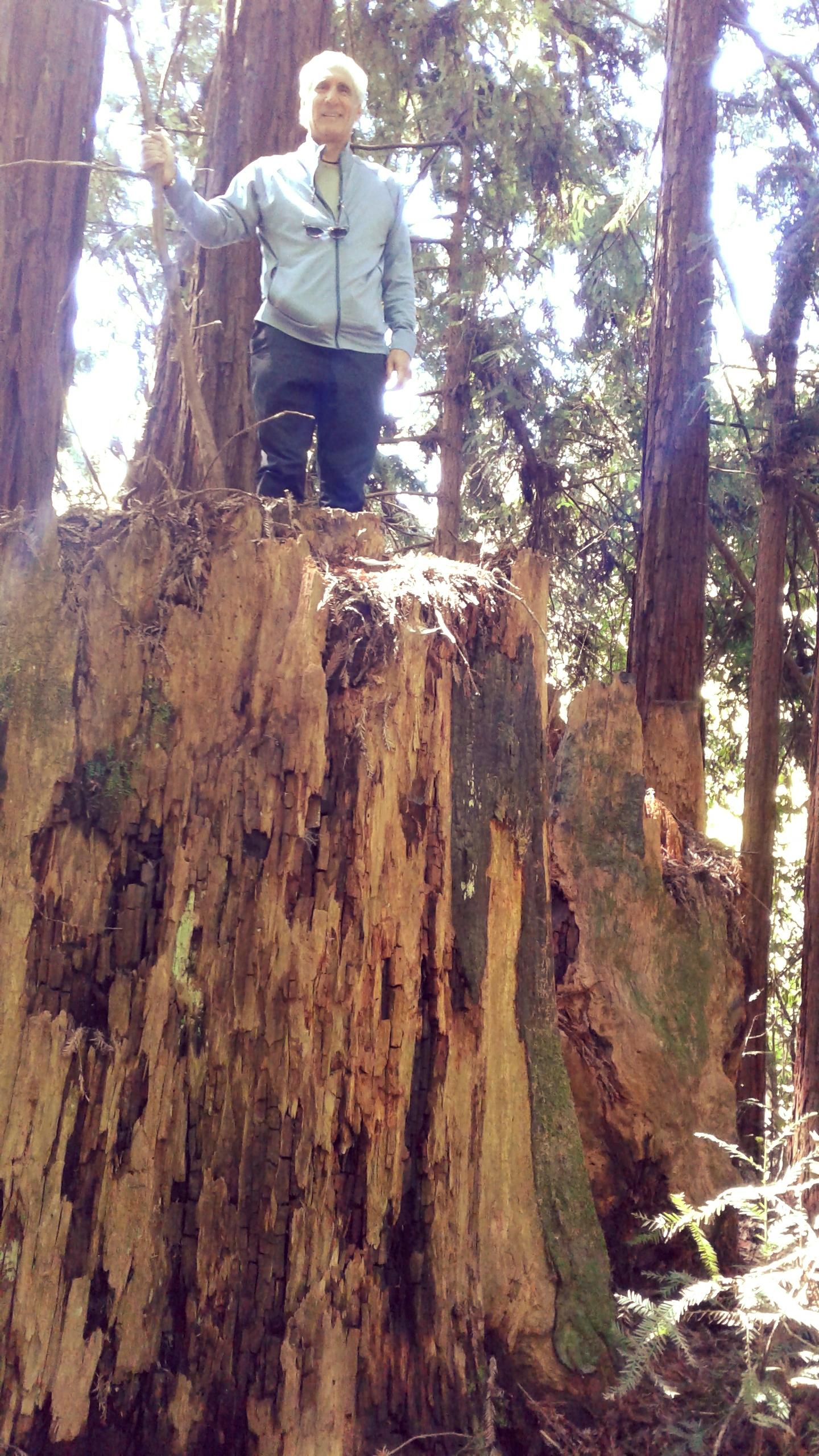
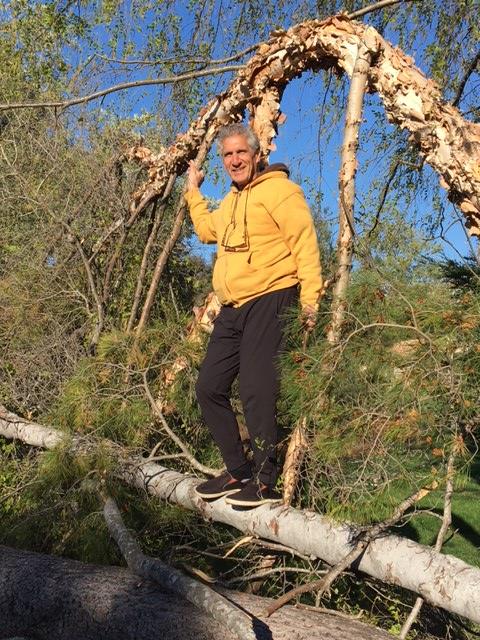
Before it fell from grace, The Historic Advocate Tree, was an old growth coastal redwood, more than 250 feet tall and measuring 45 feet in circumference. The majestic tree was named after a conservation group, responsible for the maintenance and improvements of the nearly 10,000 acre park including 30 miles worth of walking trails. The climb to the top of the massive 20 ft. root structure that was completely upended was somewhat daunting, especially for someone like myself who has a bit of phobia about heights.

The Advocate Tree had a colorful past. It was around during the time of the Anasazi (“Ancient Ones”) cliff dwellers, believed to be ancestors of the moden Pueblo Indians. It was alive when Genghis Khan ruled Mongolia; when Joan of ark was burned at the stake; while William of Normandy invaded England; when the Spanish Conquistadors conquered the Americas, during the African Slave Trade, The Salem Witch Trials, The American Revolution and the Civil War. 

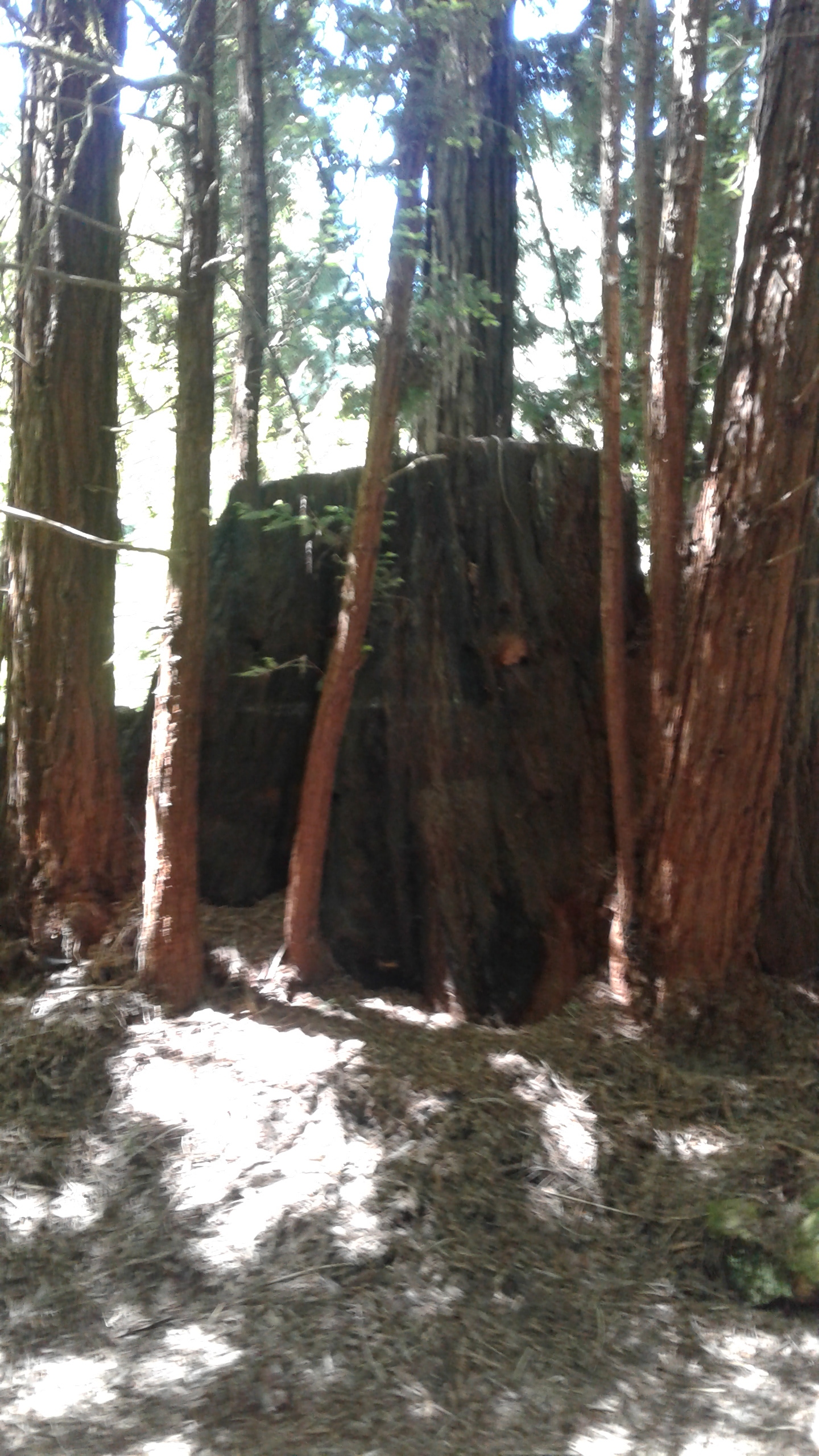
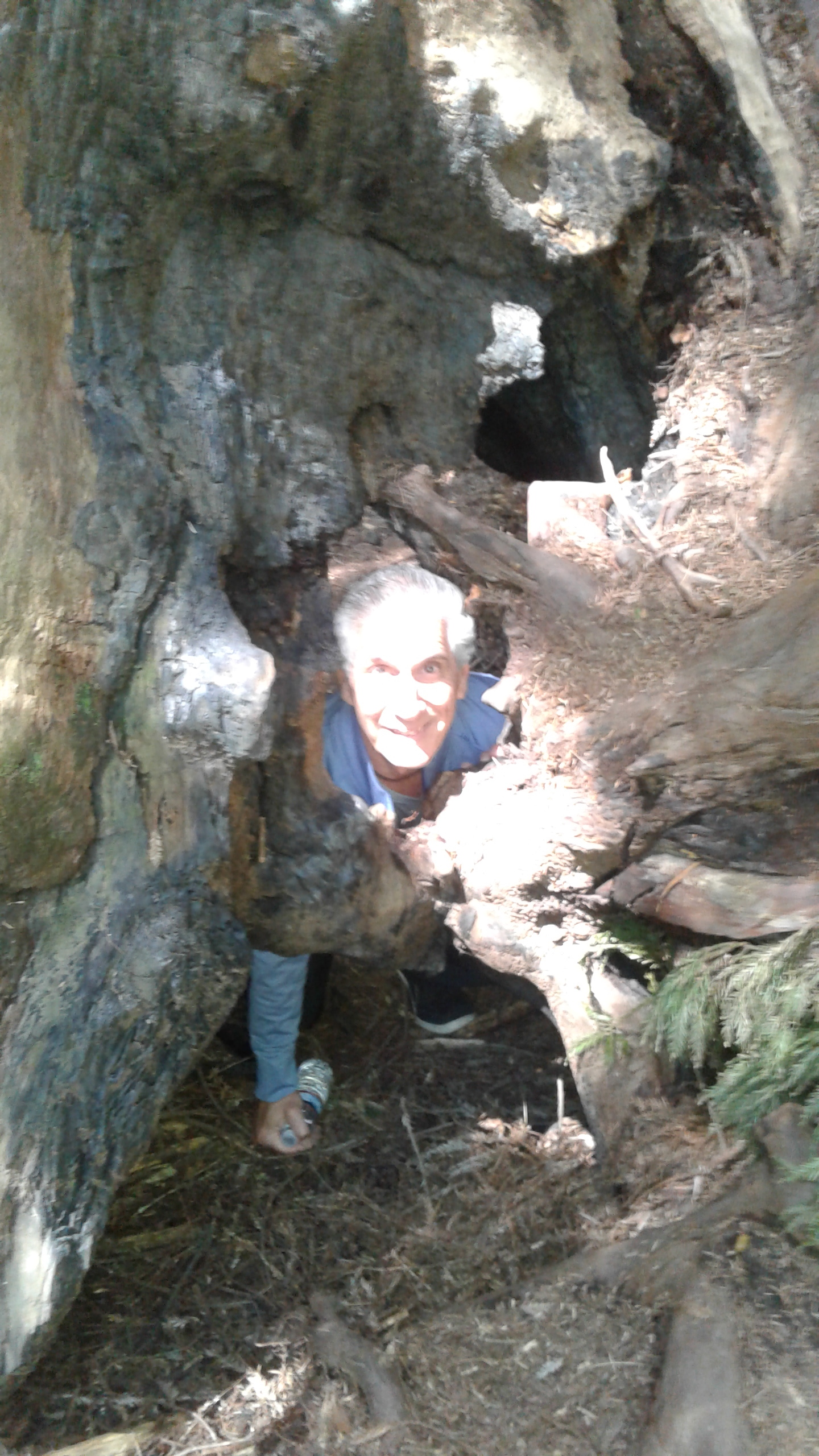
According to a local resident, he had heard the colossal tree topple over in a resounding crash that shook him to his core on Monday, January 9, 2017. When we got to the site, there it lay—broken into several monumental sections. I now understood why locals were saddened, feeling as if they had lost an old and faithful friend. 

The California Poppy—where California Bees Sleep

"At the close of a summer day, tired-winged bees to a safe shelter fly, to poppies, who wrap them away...in a lullaby..."
—Grace Hibbard, 1901

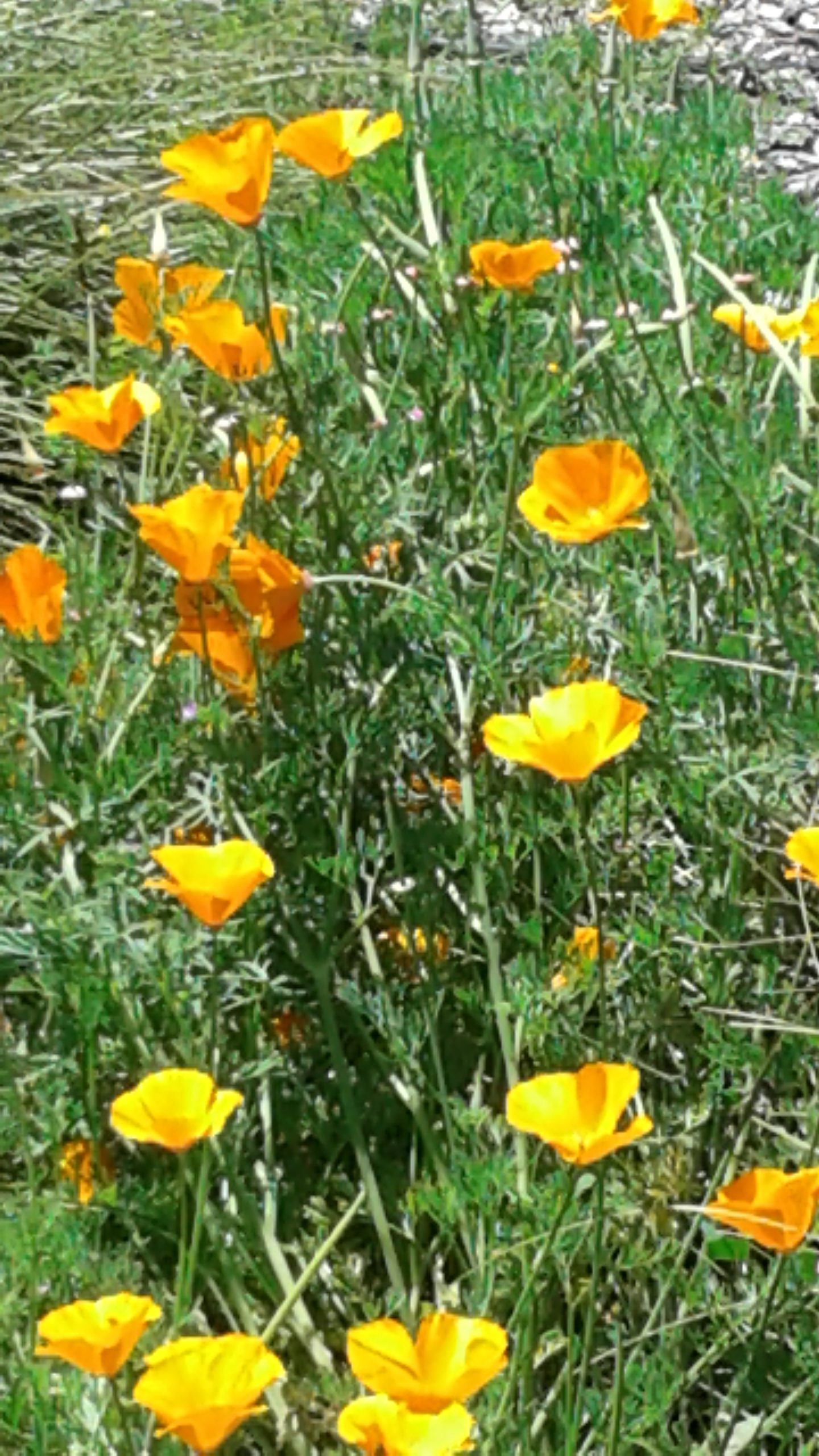
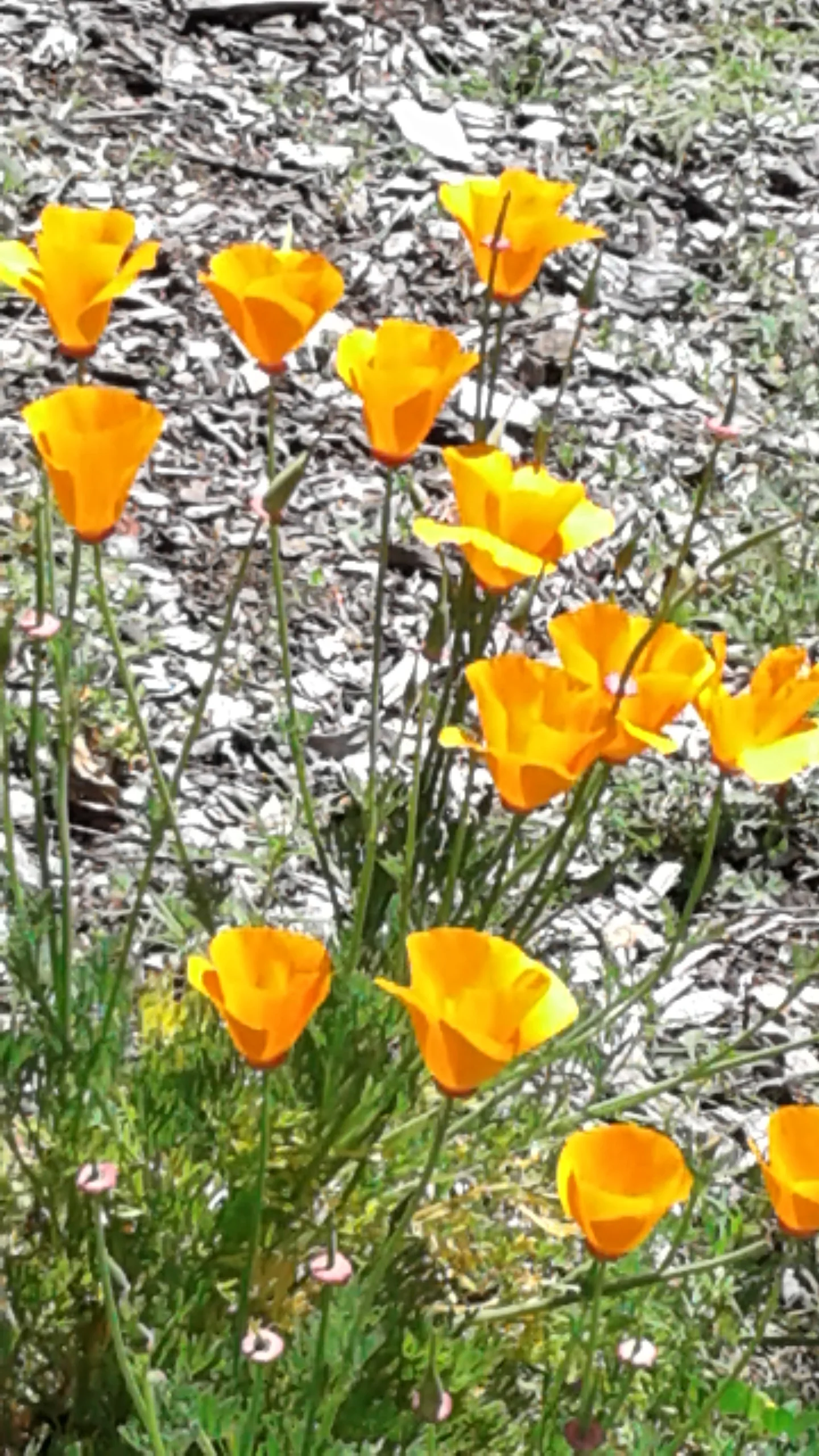
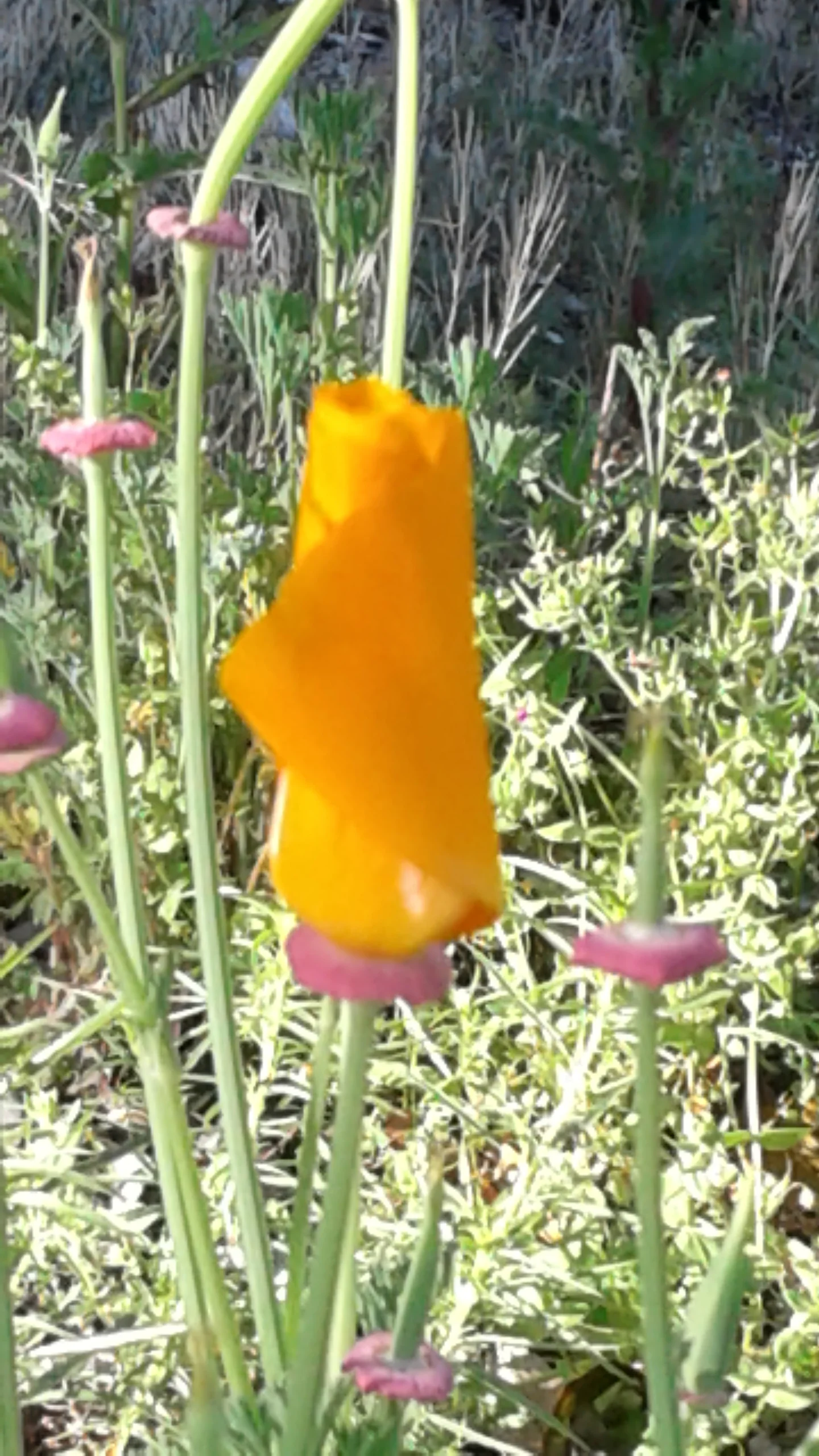
Thanks to the record rains we had this past winter and Spring, the signature orange-golden California poppy flowers are blooming. I took the first two and fourth photo in the wooded areas behind our town house.

The California poppy is an attractive native wildflower. More than a century ago, in 1903 it became the state flower and protected by state law prohibiting anyone from picking or destroying it. April 6 was dubbed California Poppy Day. 

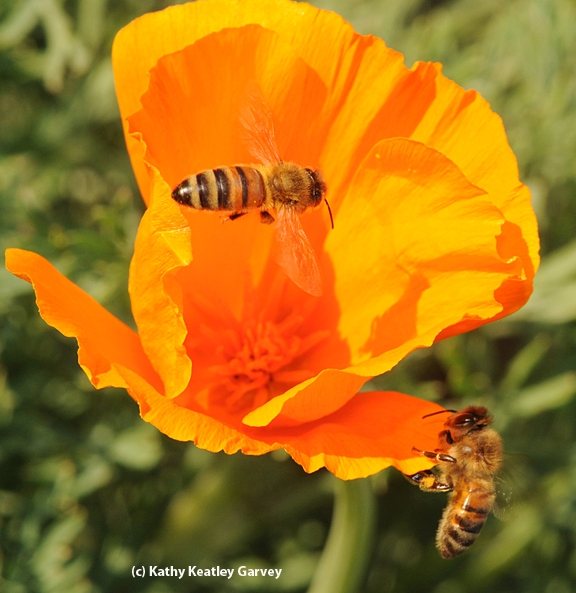
On cooler, windy, cloudy days and chilly nights, the poppy closes its’ petals to protect it’s reproductive organs. The golden poppies are what the children call sleeping flowers; and as evening approaches they close up. Tucked snugly inside the petals in a warm embrace one can find bees fast asleep with their legs tucked up, and their shiny bodies covered with pollen. 

Early Spanish settlers called the poppy copa del ora (cup of gold) due to its cup like appearance when fully open. 
California poppies make their greatest showing, on the grazed lands of California hillsides since animals avoid eating the bitter-tasting plants. 

Native California Indians used poppies for food and medicine. The plants were boiled or roasted on hot stones to eat as greens. Other tribes used the flower as a potent scalp rub to kill lice, and still other tribes used it as a poultice of fresh root for toothaches. The poppy plant also has sedative and analgesic properties and some say it can be used to treat pateints with insomnia and anxiety.
Photo credit: The fourth photo with the bumble bee foraging for pollen was taken by Kathy Keetley Garvey.

Postscript: Grace Hibbard's full poem circa 1901:

WHERE CALIFORNIA BEES SLEEP

When the cold white fog rolls in from the sea,

At the close of a summer day,

Tired—winged bees to a safe shelter fly,

To poppies, who wrap them away

In blankets of soft, shining, satin sheen—

Silken coverlets fit for kings,—

And breezes sway in a lullaby way

The bees with the tired wings.

But lo! when the the sun shines out once again,

And kisses the tops of the trees,

The poppies unfold into cups of gold,

And away fly the honey-bees.


In Honor of Earth Day: Visiting with Canada Geese & their Goslings

The destiny of humans cannot be separate from the destiny of Earth [and all living things].                                                                                                                          —Thomas Berry

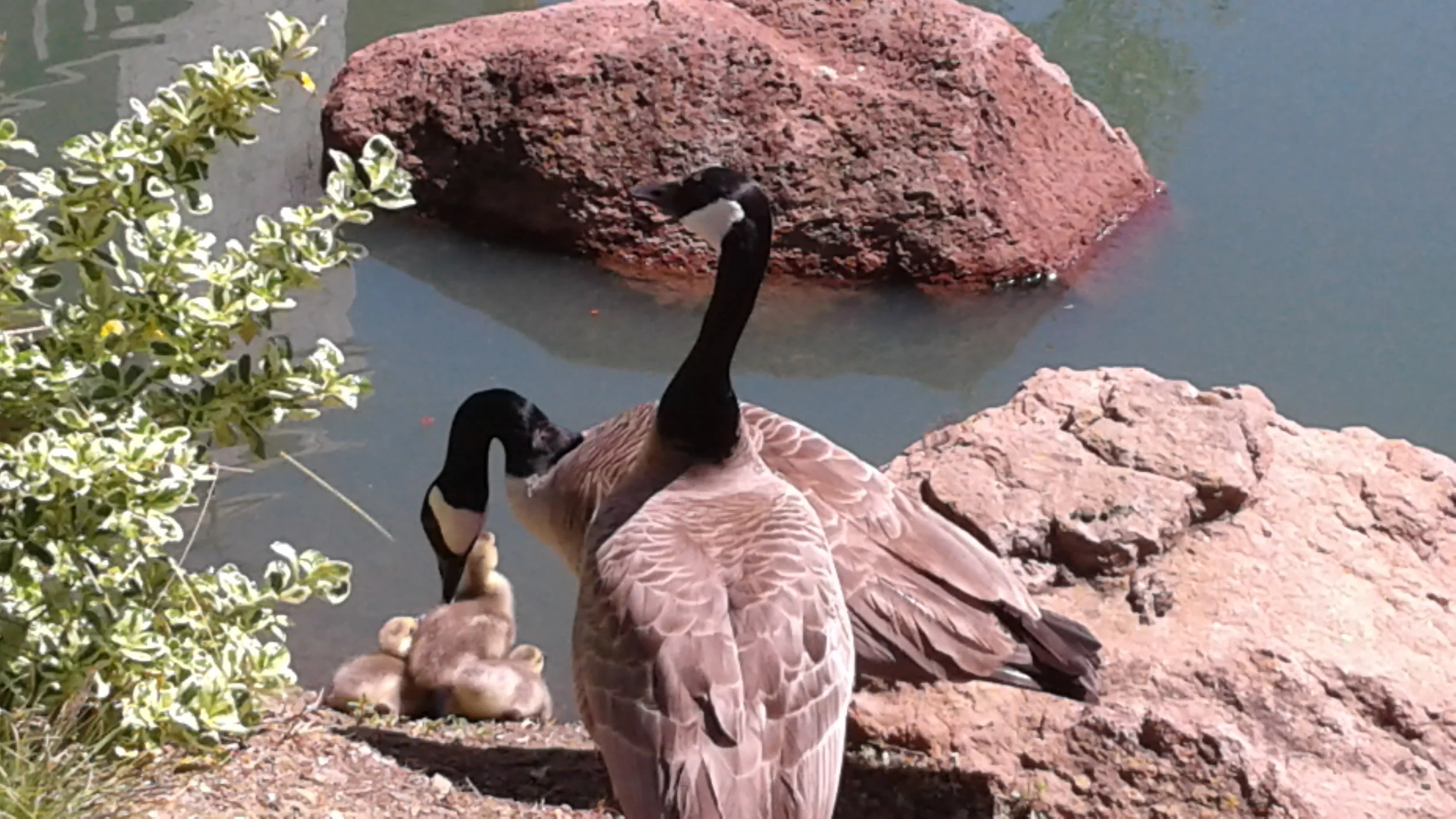
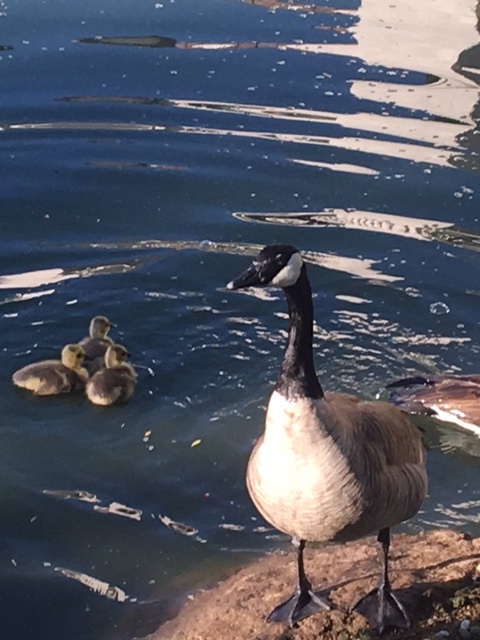
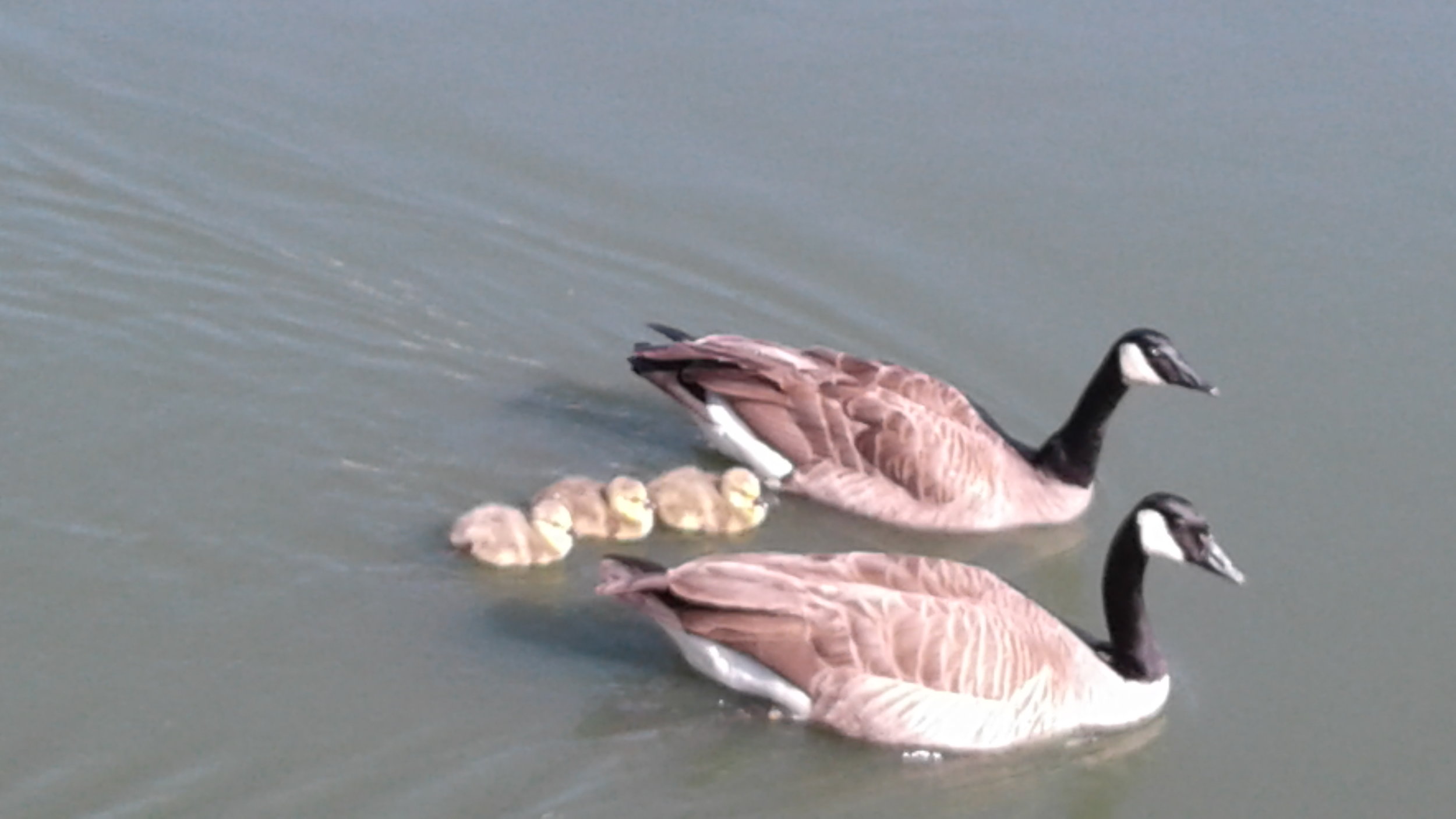
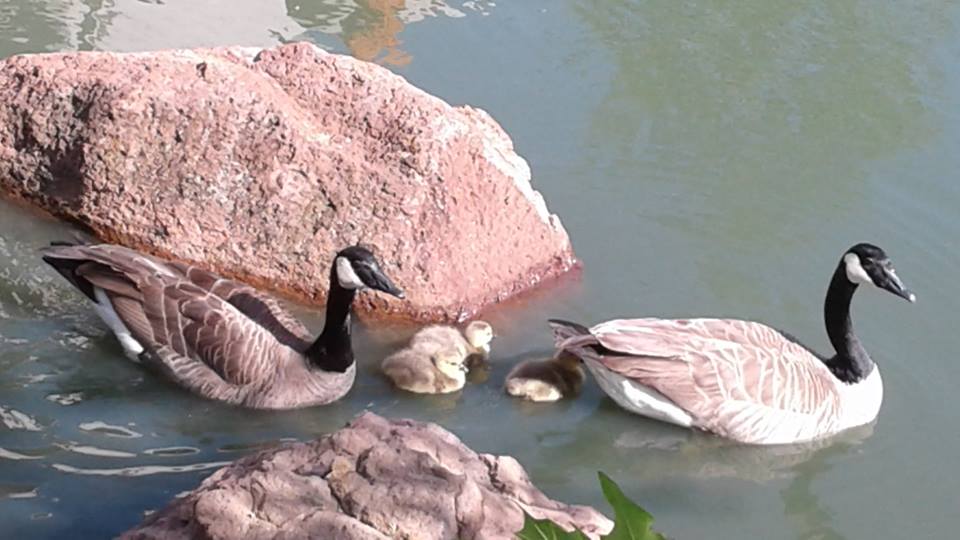
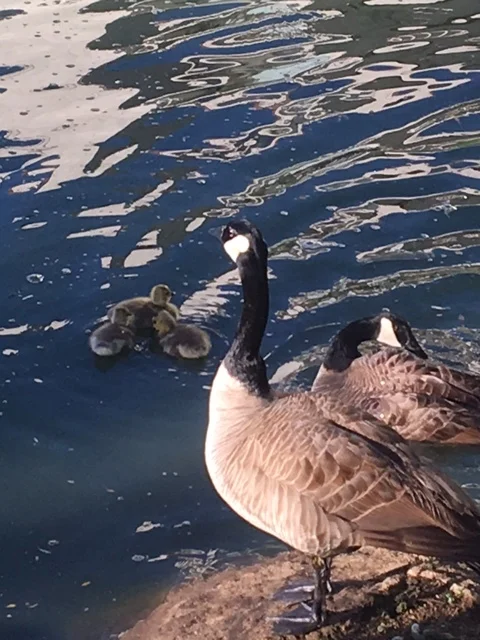
Cecile and I have been captivated by these Canada Geese and their adorable goslings we visit during our morning walk at the main lake—a stone’s throw away from where we live. 
Geese symbolize the sacred circle of life, cooperation, communication, knowing when to lead and when to follow. I was suprised to learn that Geese are not really from Canada. The true migratory goose was almost driven to extinction from excessive hunting over 50 years ago…

By happenstance, wildlife officials in some areas of the country began a national recovery program by taking and incubating nest eggs from “decoy” geese they had captured to lure other geese coming down from Canada.

Eventually the young were deposited throughout the US., sometimes in areas where geese weren’t present. Consequently, the resident goose was born. Resident geese don’t migrate to Canada since in part, they don’t know the way…Eventually, their young offspring were drawn to U.S. parks, lakes and ponds…They stay in the U.S. because this is where they were born…”However,” says journalist Mary Lou Simms, "If some handsome, non-migratory dude finds the love of his life in a migratory group, his life instantly changes. He becomes part of the cycle for which he was originally intended. They head for Canada because the female determines the nesting site.”

Canada geese resist being touched or petted…The way they show affection for humans and each other is by a honk, chirp or coo. Geese usually hiss when strangers come too close…especially, while protecting their newborns. “When they fall in love," says Simms, "It is a lifetime committment. They mate once a year and the parents-gander (male) and goose (female)…raise their young goslings together, sharing the responsibiities.” As they say, what’s good for the goose is good for the gander.🙂

Resident geese—who have fewer challenges in the wild—can live to be 25 or 30 years as opposed to migratory geese who are exposed to CLIMATE CHANGE which on one hand improves breeding due to warmer conditions but on the hand, places the mother at more risk of being attacked by predators.
Source cited: Mary Lou Simms, Journalist, Investigative reporter for The Huffington Post blog


Clouds and Thoughts and How we Choose to See Them

Clouds and Thoughts and How we Choose See Them

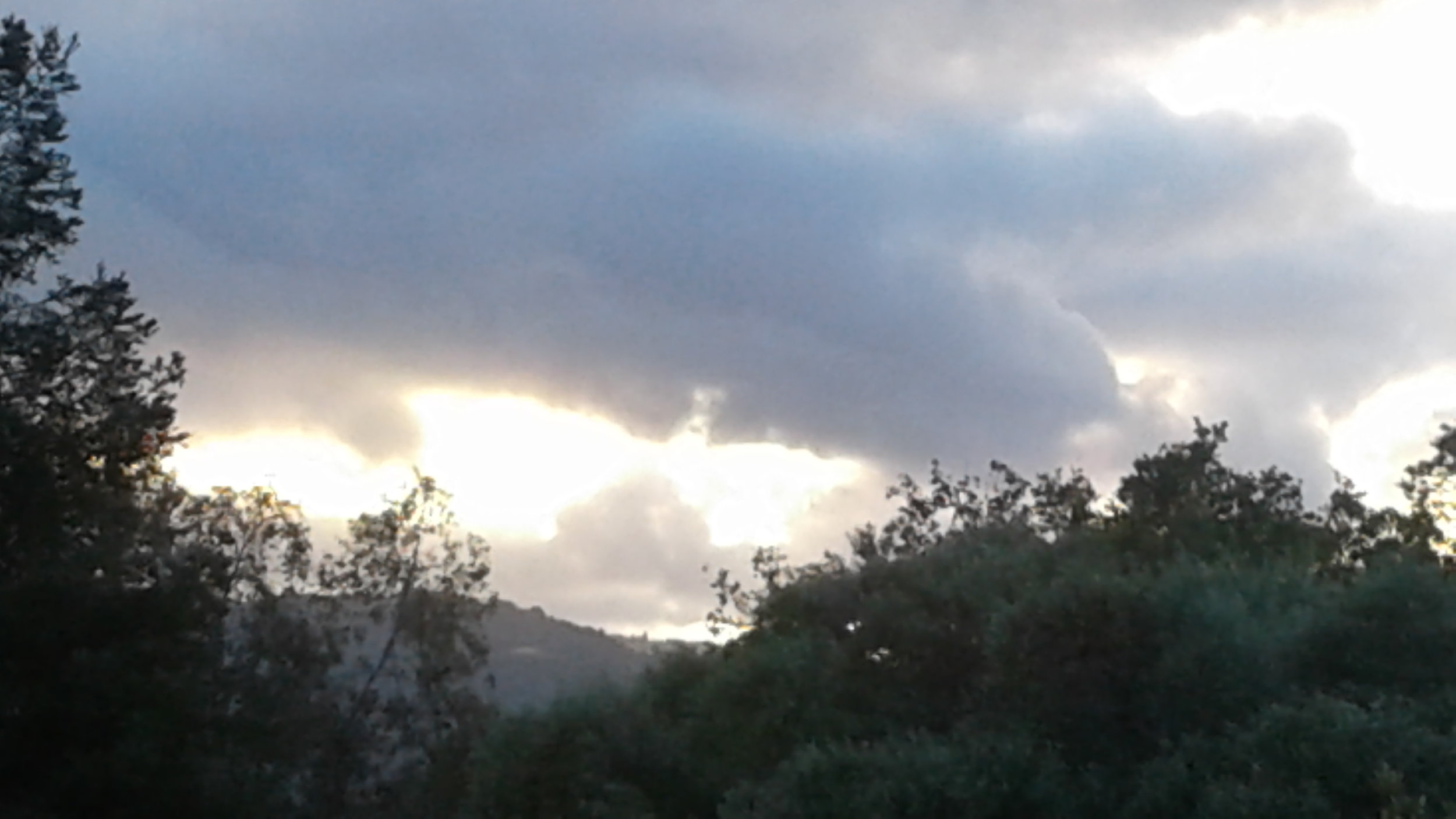
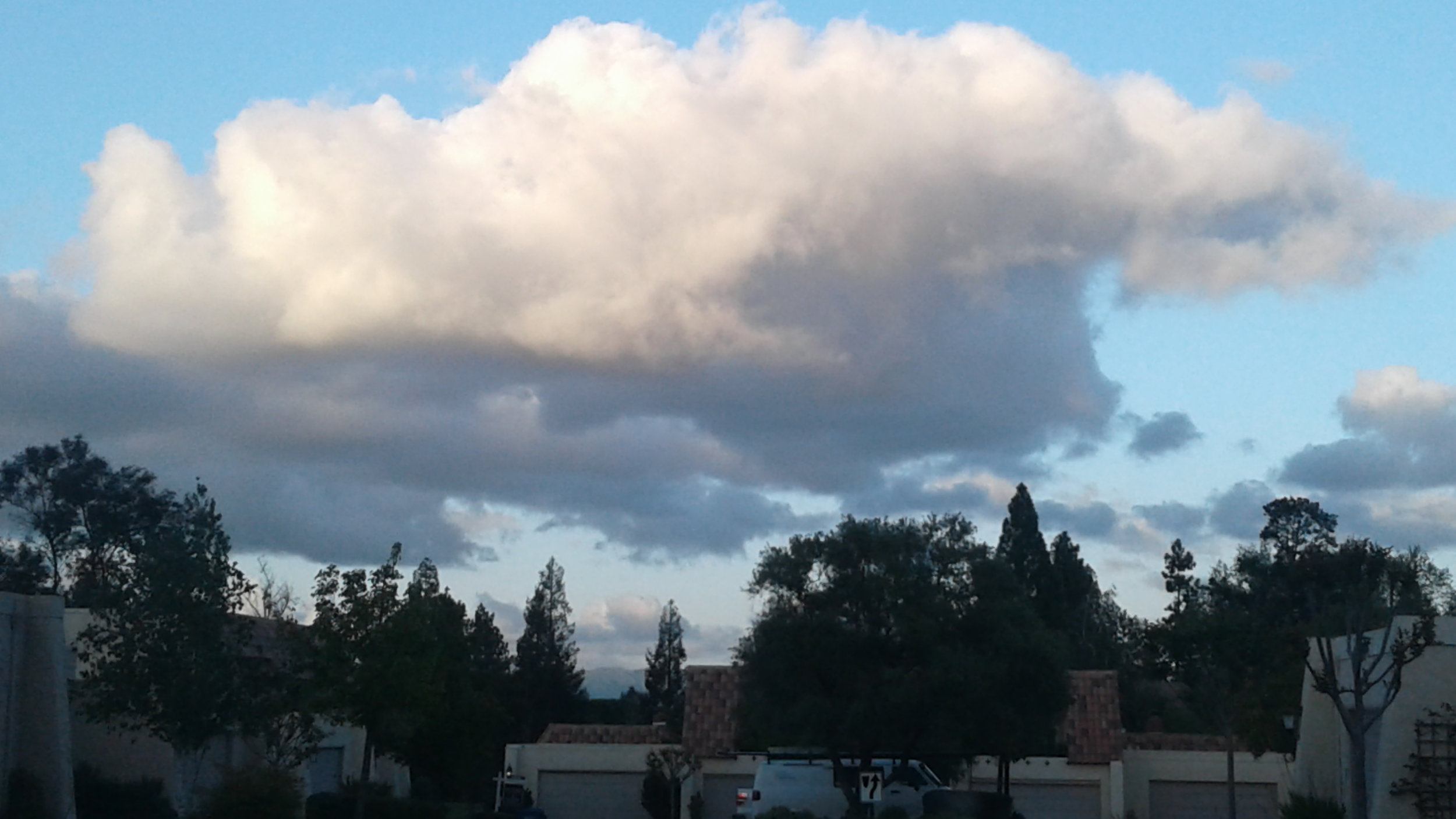
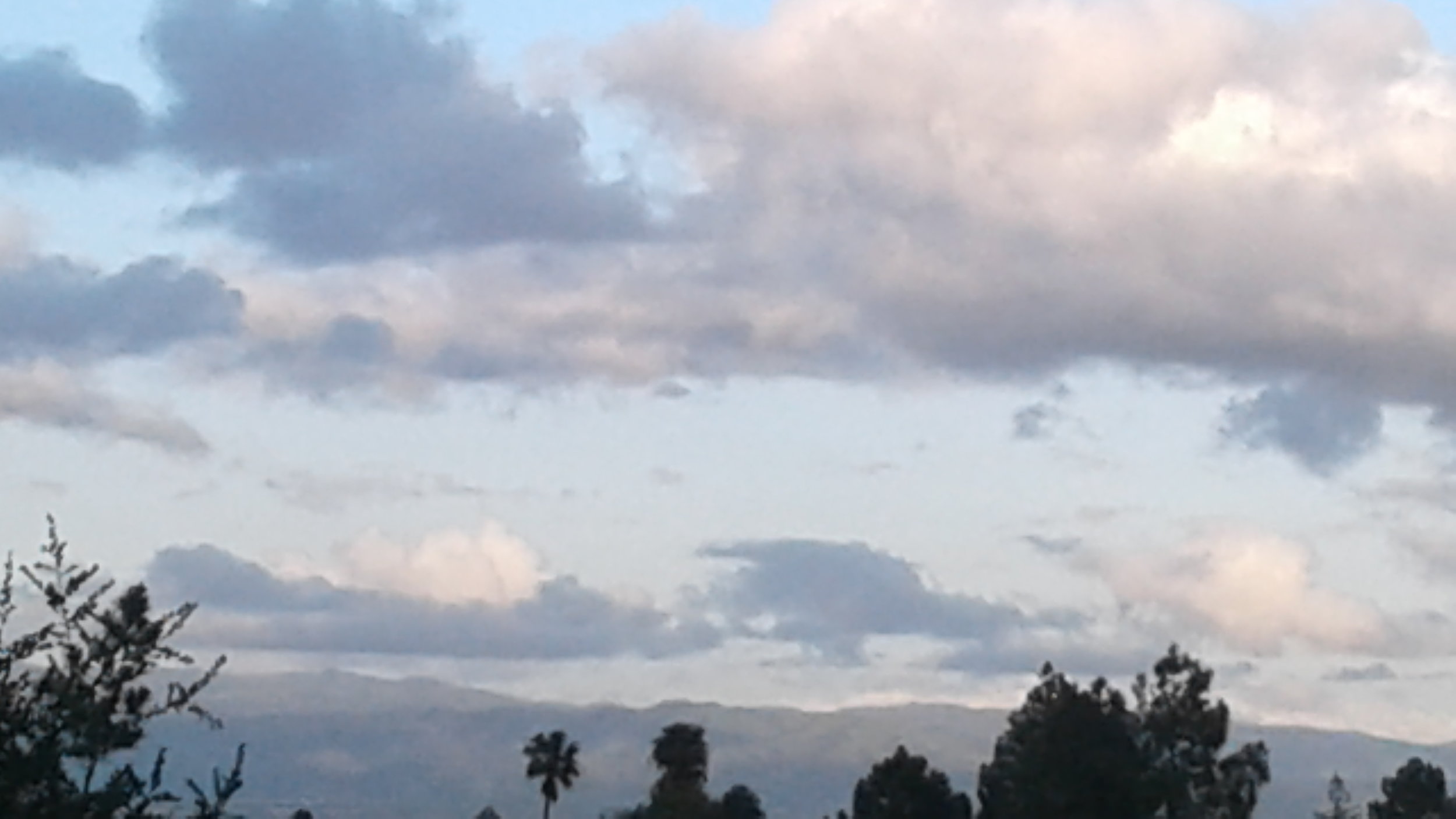
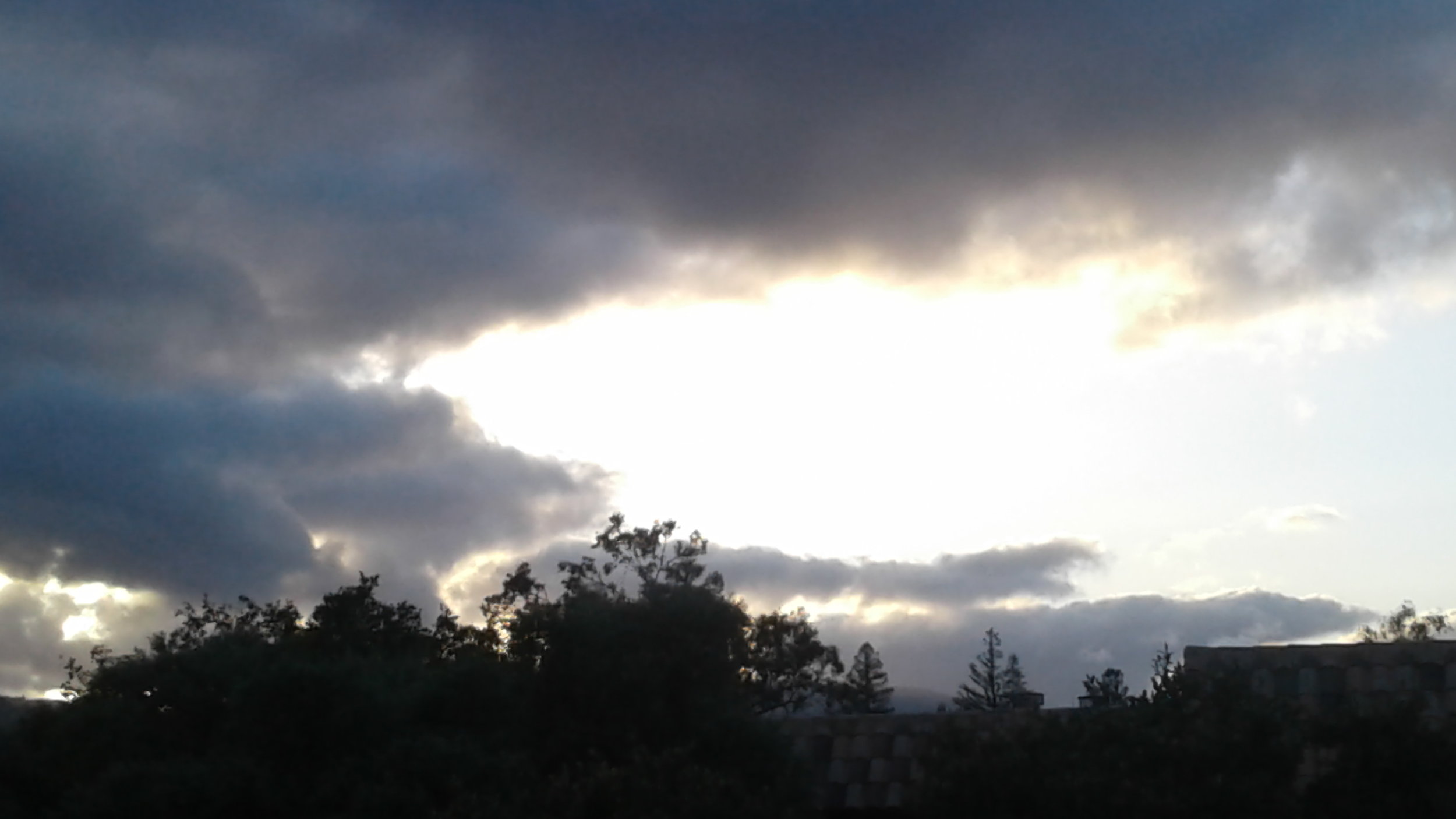
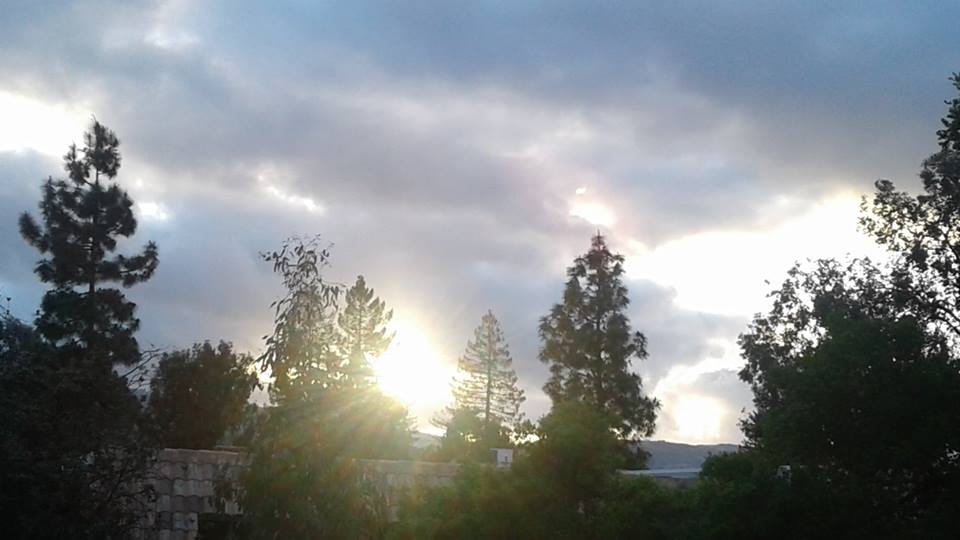
There are times when clouds look majestic and fanciful and other times when they look ominous and threatening.
As a long time meditator I have often compared clouds to thoughts. Some thoughts are friendly, uplifting and fun.
For example when things are going my way I feel like I am on a proverbial “Cloud 9." 
Other thoughts are strange and downright terrifying. This is when it seems everything that can go wrong “will” go wrong.
As human beings we prefer clouds we like over those we don’t like. It is the same with thoughts. We embrace the thoughts that make us feel good and resist the ones that make us feel badly.

One of my meditation teachers, Gil Fronsdale, at the Insight Meditation Center in Redwood City, CA once told us that when he was growing up in Norway, his father told him: “Now Gil, your mind is going to come up with a lot of crazy thoughts. Don’t believe them!”

In other words, just like clouds, thoughts are variable, transient and impermanent. Trying to make a dark cloud go away is as futile as trying to make a dark, scary thought disappear. Just as we can’t control our thoughts, we can’t control the weather. The best strategy is to patiently wait it out. As the song in Little Ophan Annie goes: “The sun will come out, tomorrow….” 

In the meantime, take these wonderful clouds for what they are—expressions of atmospheric moods, Nature’s artistry and poetry in flight.

Photos: I Took these photos in and around our neighborhood in Los Gatos, CA

https://enjoyyourlifenow.net


Biophilia: The State of Love for Nature and all Living Things

It sounds like an exotic, rare and deadly disease. On the contrary, the root word “philia,” comes from the ancient Greeks, meaning “love.” In 1973, American psychoanalyst, Erich Fromm, described Biophilia as “the passionate love of life and all that is vital.”
In 1984, Edward Wilson, a Pulitzer Prize-winning biologist called Biophilia a human being's tendency to seek connections with nature and other forms of life. Living in a fast paced society has caused many of us to lose that precious connection with ourselves and the natural world. However, when we find ourselves living in an environment where living things are growing and thriving, it has a healing effect on our well-being.

Spring is a wonderful reminder of the opportunity of being enlivened by our connection to nature. 
Biophilia implies a deep affection for plants, colorful flowers, trees, pets and other living things. We have a need to interact with the natural world. We do it because if feels good. It makes us healthier, lighter, and happier. In fact, at Rutgers University in my home state of New Jersey, Researchers Jeanette Haviland-Jones, a professor of psychology, and her husband, Terry McGuire, professor of genetics, both at the school of Arts and Sciences, offered convincing evidence that flowers are potent mood elevators and have an immediate impact on our happiness.

From a historical perspective, the remains from the ruins found in Pompeii, in Southern Italy demonstrated that people brought plants into their houses and gardens more than 2000 years ago. Infirmaries, in monastic communities that were the sites of our first hospitals incorporated gardens on their grounds because they supported the healing process.

For me, Biophilia means spending time on the walking trails behind our home, or any of the County Parks like Shoreline, Vasona; and Rancho San Antonio. It is observing the passing cloud formations, feeling the breeze, and smelling the salty air of the ocean when we are on family holiday in Maui each year. Observing the ebb and flow of the ocean waves is very meditative and leaves me feeling relaxed, centered and at peace.

For others, it’s playing golf in some of the most natural and pristine settings. It is skiing, hiking in the forests, tending your garden; nurturing your orchids, playing with your dog, having lunch in the park, tea with a friend, or a bike ride on the sparsely populated scenic back roads.

All of these wondrous experiences that we engage in by ourselves or with family and friends, allows us to connect with the force of energy that surrounds us and is a part of us. We have a symbiotic relationship with "all that is," which is essential to our well being, especially in these turbulent times.

When we allow the business of life to overtake us, when we live inside our heads—worrying, planning, fantasizing, and when we allow our mobile devices to take control of our life in a way that is unhealthy, it is imperative that we remind ourselves and each other to reconnect with the beauty and movement of life that is always present. All we have to do is be mindful of it, change the channel in our minds and tune-in. 

Photos: Taken behind our townhouse at Rinconada Hills, LG, CA

https://enjoyyourlifenow.net

If a Tree Falls And No One Is Around To Hear It, Does It Make A Sound?—A True Story

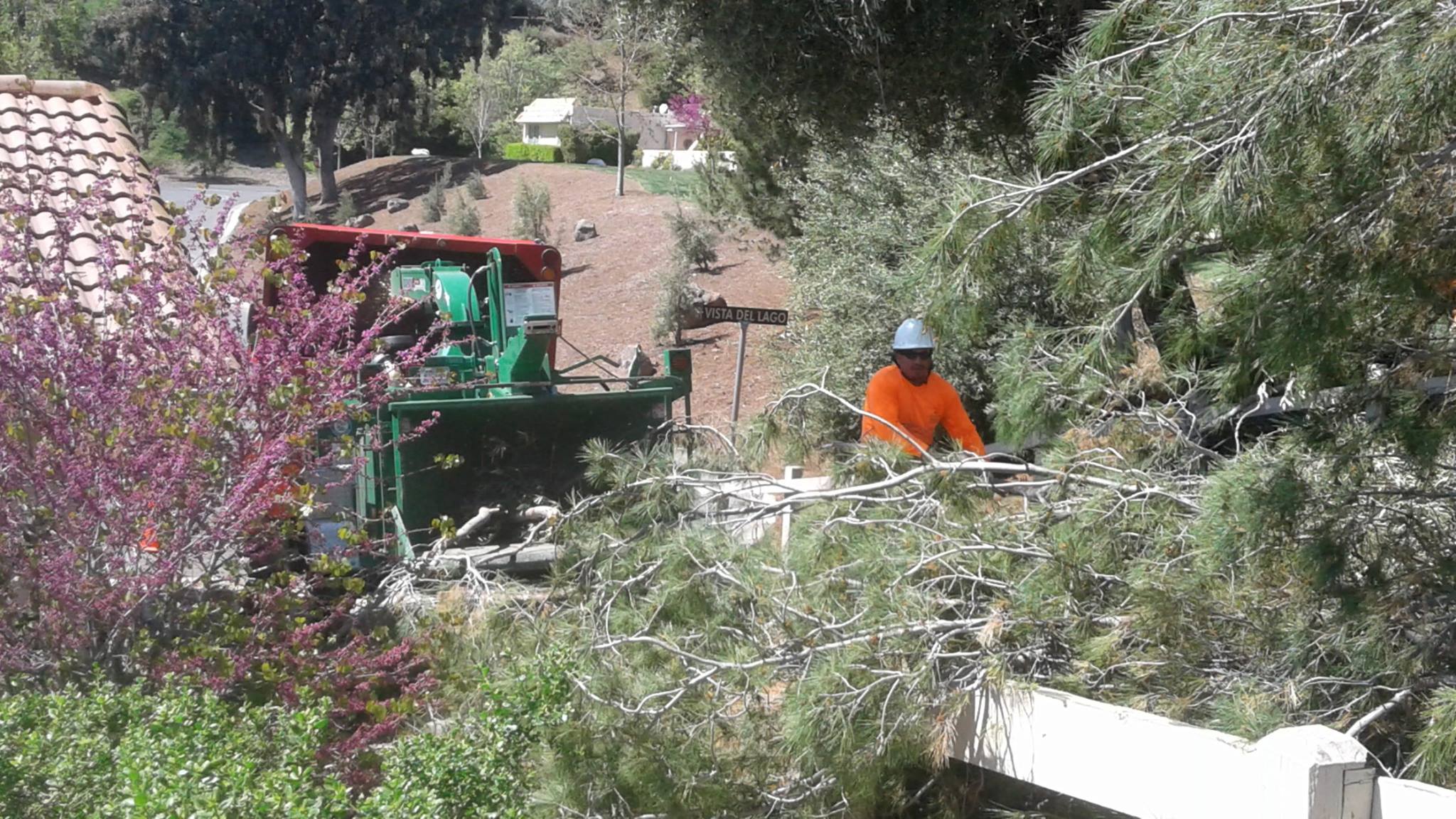
While at my computer this past Wednesday morning at around 8 AM, I heard a loud crash and boom sound. My first thought was “wow,” the landscape maintenance crew at our 100 plus acre gated community at Rinconada Hills were really noisy today. Then I went back to what I was doing. Cecile had taken our son’s dog Daisy for a walk earlier. She said a tree had fallen and it was blocking the walking trails. “That was the sound I heard earlier,” I said. She looked surprised. But, I wasn't. You see my home office overlooks the walking trails of this unusually quiet refuge.

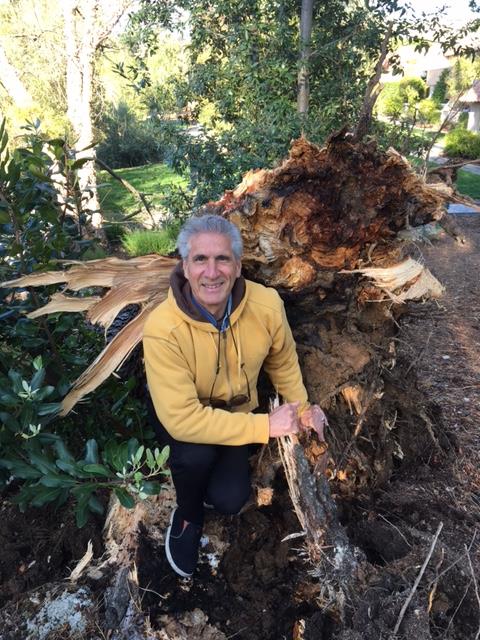
"Come on! Let’s go take a look,” I said. It was only a few hundred feet down the path. We were blown away by what we saw. A thirty foot Aleppo Pine tree was leveled to the ground leaving a fractured, rotted 5 foot high stump. It was only a matter of timing and fate that Cecile and Daisy as well as other residents were spared serious injury or worse. I felt a deep sense of relief and gratitude that they were safe.

This wasn’t the first tree I had seen a tree uprooted. While at Vasona County Park last Saturday I saw an even a bigger tree that had toppled to the ground as seen in the first photo. It too, was completely blocking a path where a public fundraising event: Walk with Compassion to End International Child Poverty was taking place. 

I couldn’t help but think of something philosopher, George Berkley, postulated in the early 1700s. When he said, “If a tree falls in a forest and no one is around to hear it, does it make a sound?” This would later become a paradoxical Zen koan used to demonstrate the inadequacy of logical reasoning since there are many ways to answer. In my case, it became a moot issue, since I actually heard the sound–at least the one behind our town home.

Like us humans, all trees have the potential to keel over. There are many reasons a tree dies and falls: wind, ice, snow, flood waters, and disease-like fungus induced wood decay. But most tree experts say the main reason is a phenomenon called “‘windthrow” that causes a tree to uproot. It’s like we learned in physics class. The tree trunk acts as a lever arm and when force is applied to the roots and the trunk, it begins to reach a literal “tipping point,” and is seconds crashes to the ground.

After returning home I thought further about these acts of Mother Nature. The shapes of the felled tree looked almost-human like. Twisted and severed limbs. It really made me wonder if trees feel pain when falling to earth. Many from the scientific community say no. But over 40 years ago, scientists noticed an interesting phenomenon on the African savanah. Giraffes were feeding on umbrella thorn acacias, and the trees resisted the attack. Within minutes they began pumping toxic substances into their leaves. The giraffes got the message and moved on to other acacia trees. Eventually they had to abandon their efforts as the trees whose leaves were being eaten sent out a signal—via an emission of ethylene gas—to members of their own species warning them of an impending crisis. All the forewarned trees prepared themselves by pumping toxins into their leaves and the crisis was averted. 

Reference: Do Trees Have Feelings Too? One Expert Says they Do. Peter Wohlleben, The Telegraph, September 2016

Visiting Three Baby Cheetahs during an Unplanned Camera Safari at the Living Desert in Palm Desert

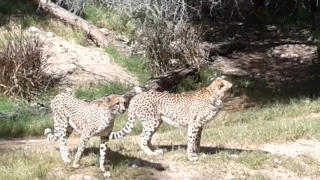
While China celebrated the Year of the Rooster, The Living Desert (TLD) is celebrating the year of the Cheetah. These elegant, agile cats can sprint up to 75 mph within seconds. They are currently extinct in 20 countries. There are only 7500 living cheetahs in the wild and they could become extinct within 20 years. TLD is undergoing conservation efforts to protect them.
One project that The Living Desert team is focused on three adorable two year old cheetah sisters, Sudi, Bela, and Kali. The first two graced an audience of men, women and children with their presence. A third sister, Kali, played hard to get and remained out of view. Of course, they needed a little coaxing. To accomplish this, the animal trainers hidden on one side of the long running path blew a high pitched whistle to announce their feeding time. The Bill of Fare was a favored dish of my Italian ancestors-Meatballs:-). Having gone on camera safaris in Kenya, Tanzania, Zambia, Botswana and South Africa over the years, The The Living Desert outing was an unexpected pleasure. We also visited: Giraffes, Greater Kudu from the Gazelle species, Abyssinian Ground Hornbill bird, Zebras, Smiling Goats, Warthogs, and Ankole Longhorn steers.

Postscript: On this day millions of people were tuned into a live cam feed of a Giraffe named April about to give birth at the Animal Adventure Park in NY.

Playing Hide and Seek with A Praying Mantis (Mantis Religiosa)

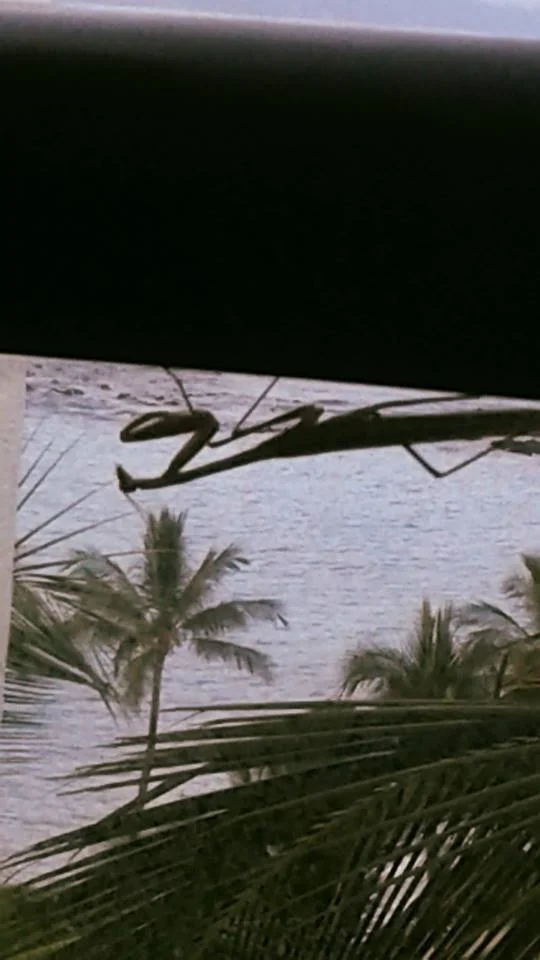
While sitting out on our lanai on the 8th floor at the Wailea Marriott Resort overlooking the ocean in Maui, I noticed a Praying Mantis, measuring approximately five inches long. It had positioned itself upside down on the handrail of the glass enclosure like a shadow of itself. It was sitting as still as a Buddhist monk in meditation. I got closer to photograph it. Its’ patience and one pointed focus was amazing. Though sitting motionless, it slowly turned its alien like head keeping me directly in its’ gaze. The praying hands of a Praying Mantis have little to do with religiosity, and more to do with the rows of sharp spines at the end of its front legs that shoot out to grasp its’ prey (tiny insects). 

I expected this interesting looking creature to be gone by morning. But, there it sat, this time right side up on a ledge below focusing on obtaining its next meal just like our primitive ancestors who roamed the Earth.

These amazing creatures are known to detect movement from 60 feet away and its head can turn 360 degrees like Linda Blair in the exorcist:-). There are 22,000 species in the world. In all the years we have been coming to Maui I never saw one up so close and personal. I remember as a young kid seeing one on the sidewalk in my home town of Hoboken, NJ. I have to admit being a bit frightened by it as I had never seen anything like it before. The rumor is the Praying Mantis was a protected insect and if killed carried a $50 fine. Though considered a beneficial insect, the rumor proved false. They are usually born in the spring and have a short life span—living only one season. The female praying mantis has earned a reputation of being a cannibalistic femme fatale. Men think fatal attraction here! She lures males with her pheromones, and when one approaches, the prospective mate engages in a courtship dance. If the male mantis is deemed worthy he is allowed to mount the back of the larger female mantis and commence fertilization. At this point the female mantis begins chewing off her partner’s head (no joke), which increases the success and duration of copulation. Perhaps her next date will be wise to take her out to dinner and not be her dinner:-) 

A Lesson in Beauty & Stillness at the Lake behind our Home

Here in the light, filtering through perfect forms, arranging itself in lovely patterns for those who perceive beauty—Roy J. Cook.

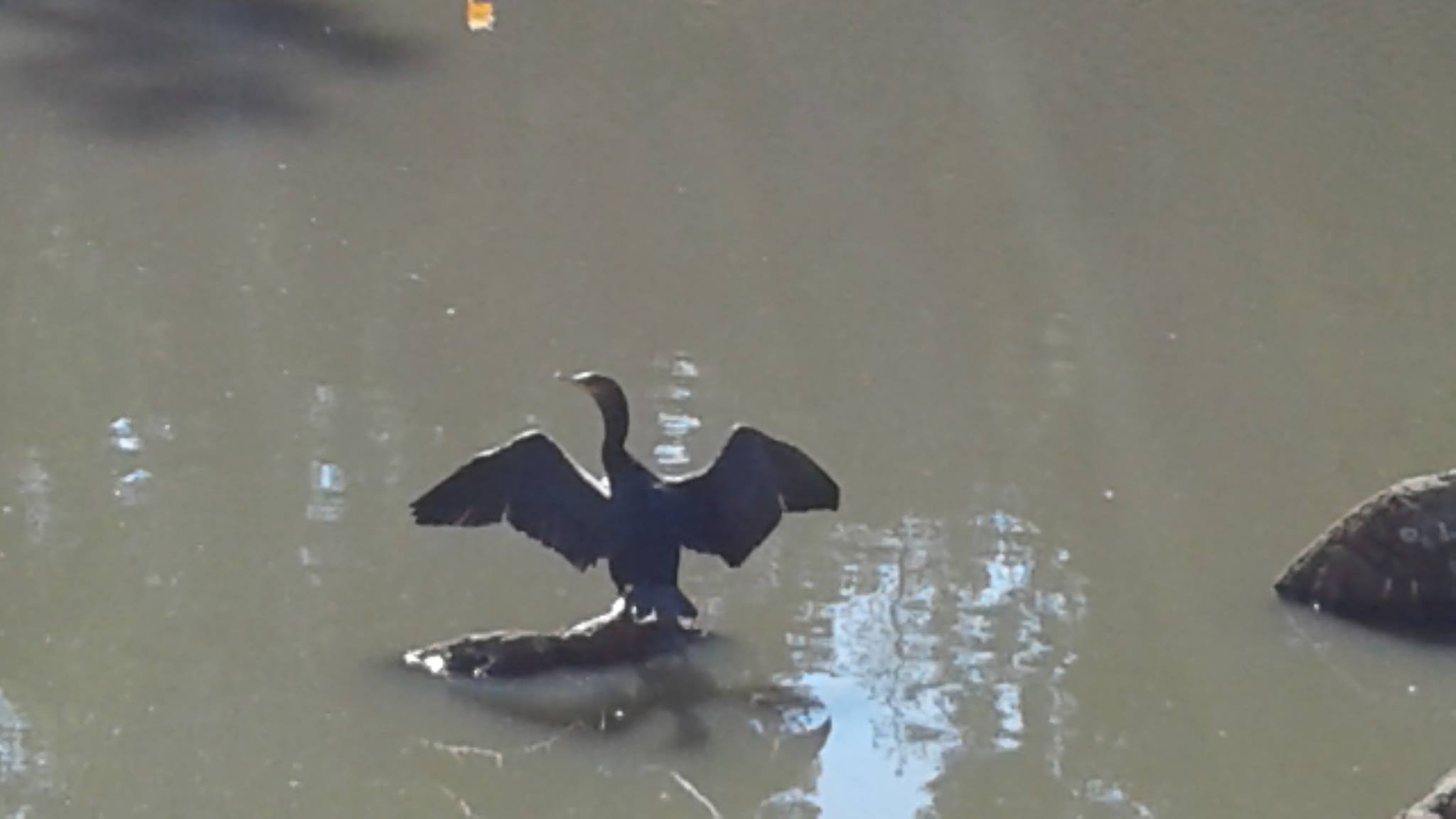
I was so captivated by this pose of the Cormorant, I moved about to capture this moment while trying not to disturb its private reverie.

It's been said that birds spread their wings to dry their feathers and regulate their body temperature, but it could very well be that they sun themselves in this fashion simply because it feels good. Then again how to do you measure the intention and mood of a bird?

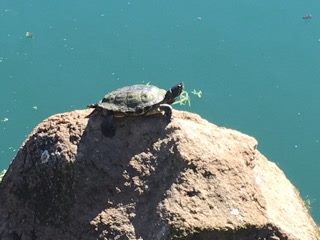
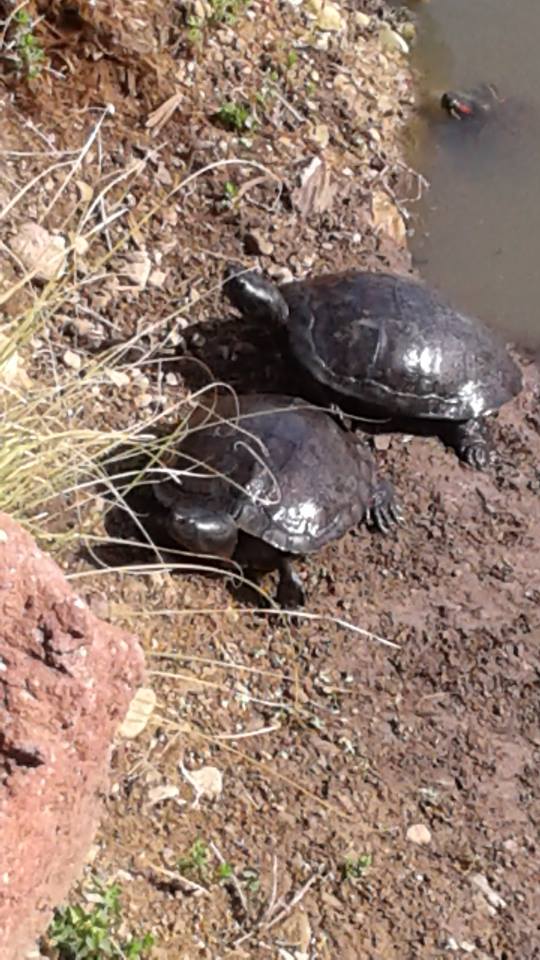
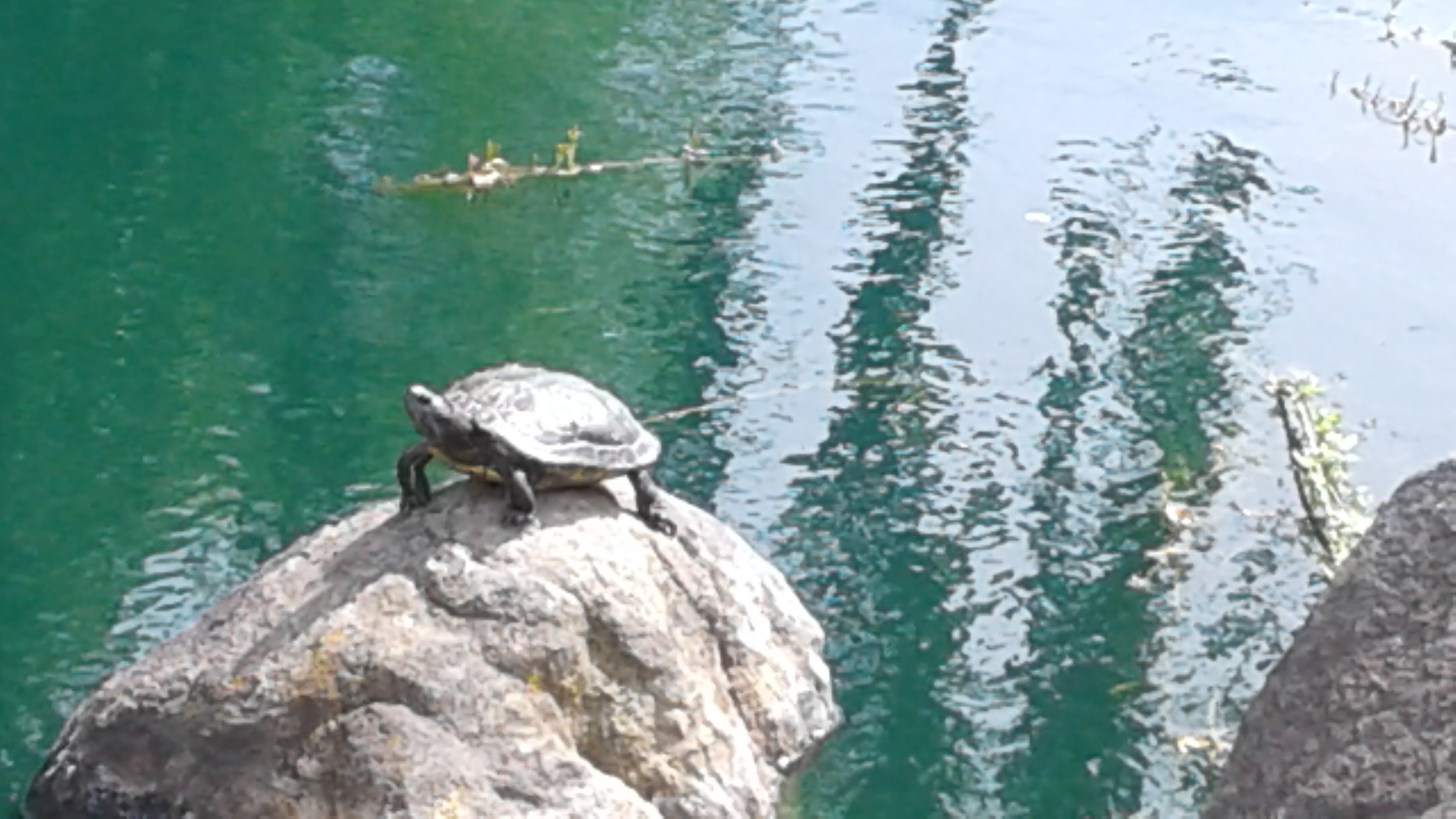
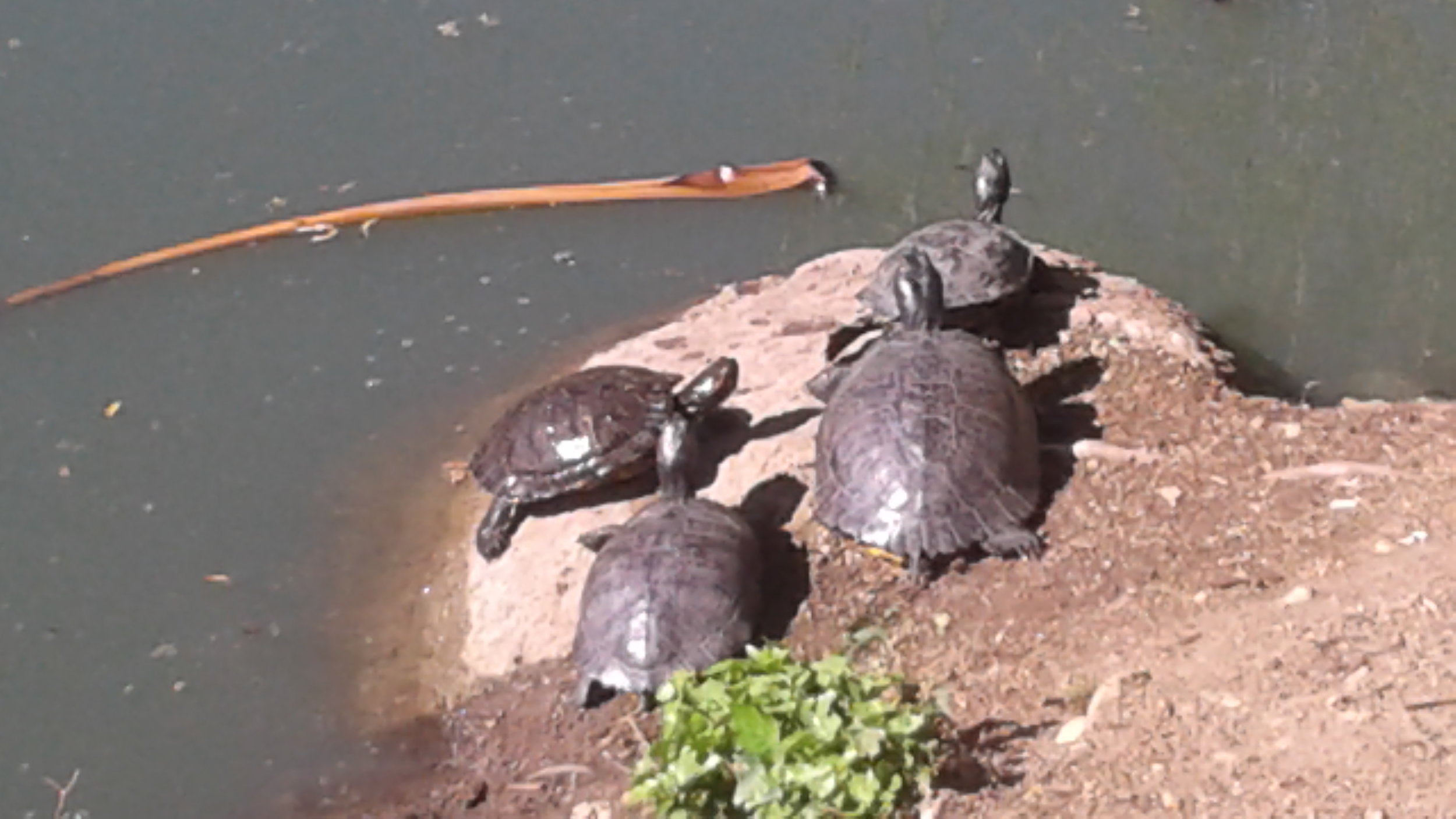
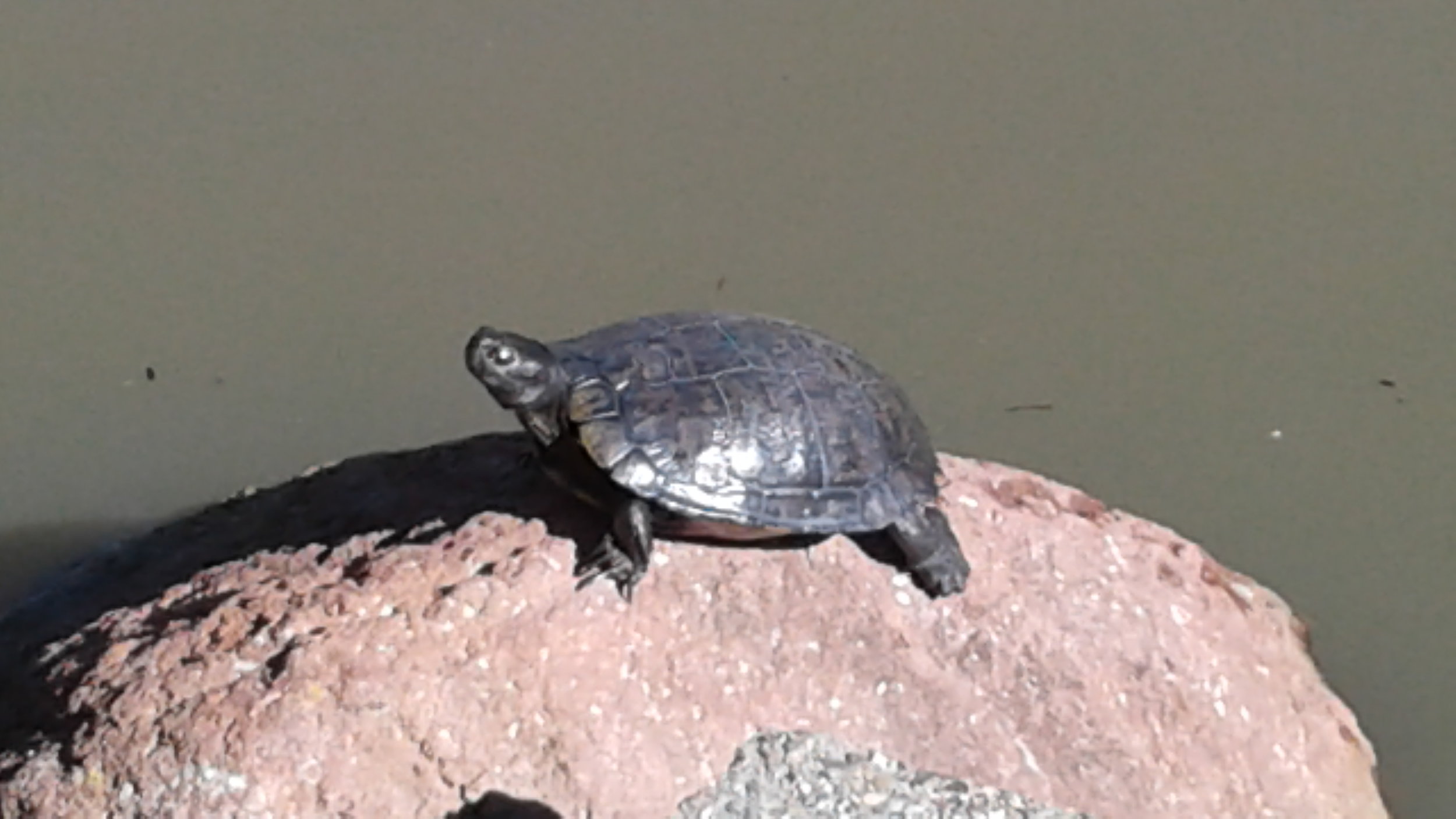
Imagine being free as a turtle where everything you own is on your back-the shell that houses your body.

I imagine it saying: "SPEED DOESN’T MATTER, travel at your own pace, you’ll arrive to your destination soon enough. Be like me—at ease in your own shell."

Being led along the way where the land kisses the shore, that place between movement and stillness, carrying all It needs at all times—wherever It goes. Poking its head out when it wants to eat or moving and drawing it back-in when he wants to chill and relax.