Lifestyle & Travel

"A Fireworks of Happiness" for a Kenya School Community that Began as a Loving Tribute to my Niece Selina

by Dr. Dennis Augustine

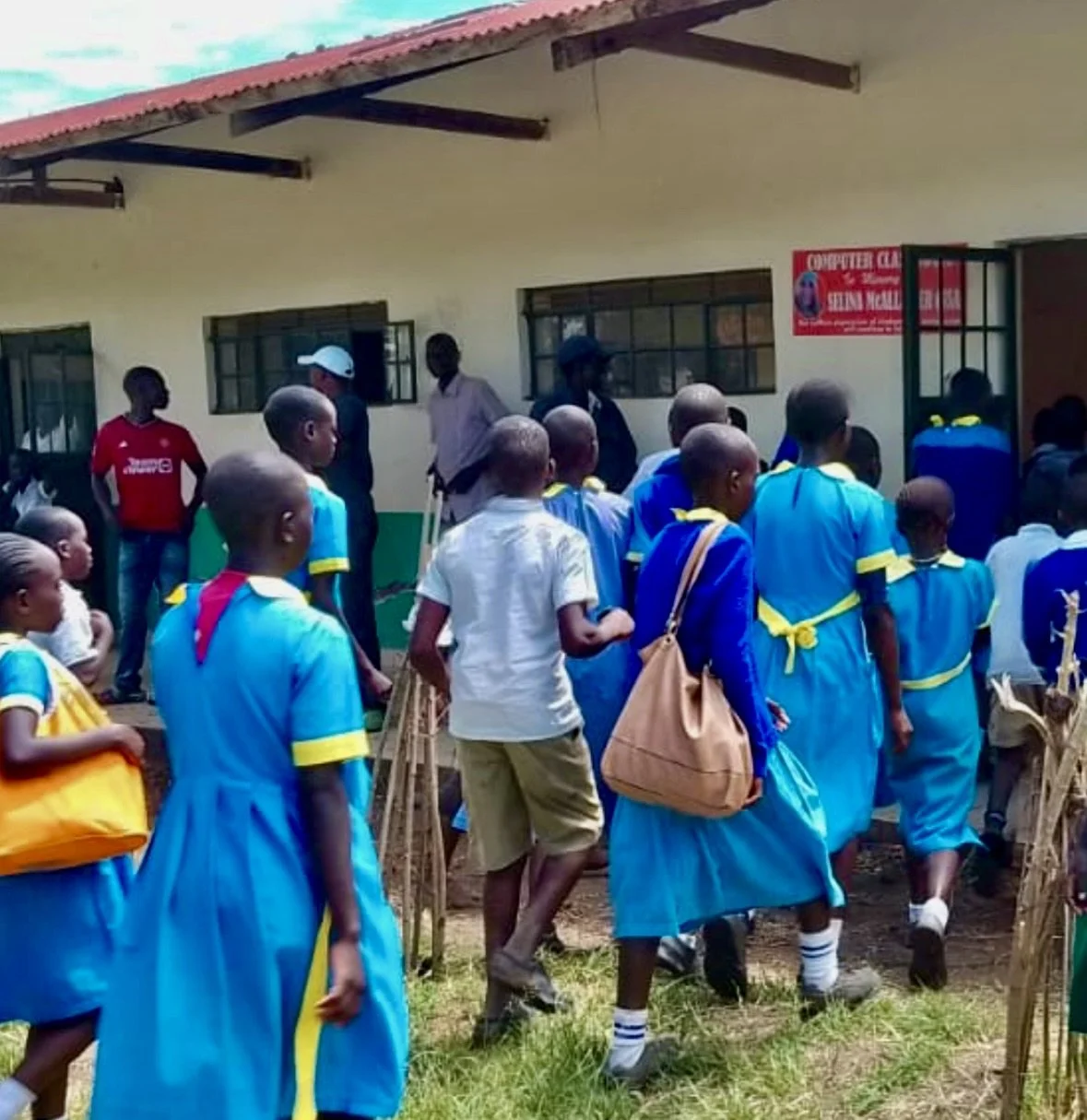
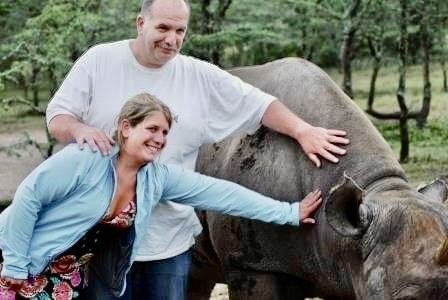
It has been six months since the loss of my niece and goddaughter. Some of us find solace and meaning after a loss by creating a legacy of love by helping others in need. My brother-in-law Joe Mcallister, my sister Josie, and family accomplished this by creating the "Selena Mcallister Computer Classroom" at the Masogo School in Kenya. Thanks to the Mcallisters, other family members, and family friends (Justin Stallard & Jack Broadnax), the program has expanded thanks to a long time friendship with Noel Olweny, a respected community leader whom Joe helped fund his masters degree in Land Management back in the day.

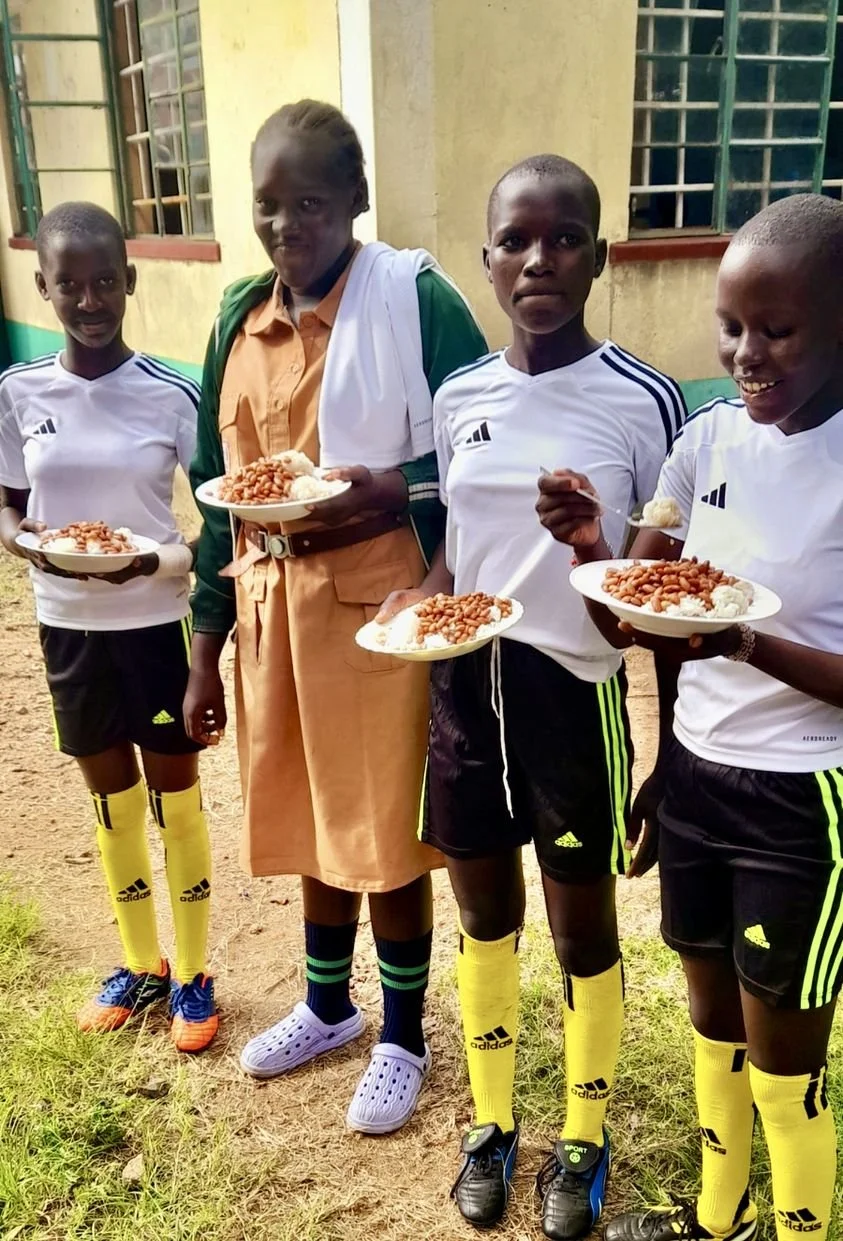
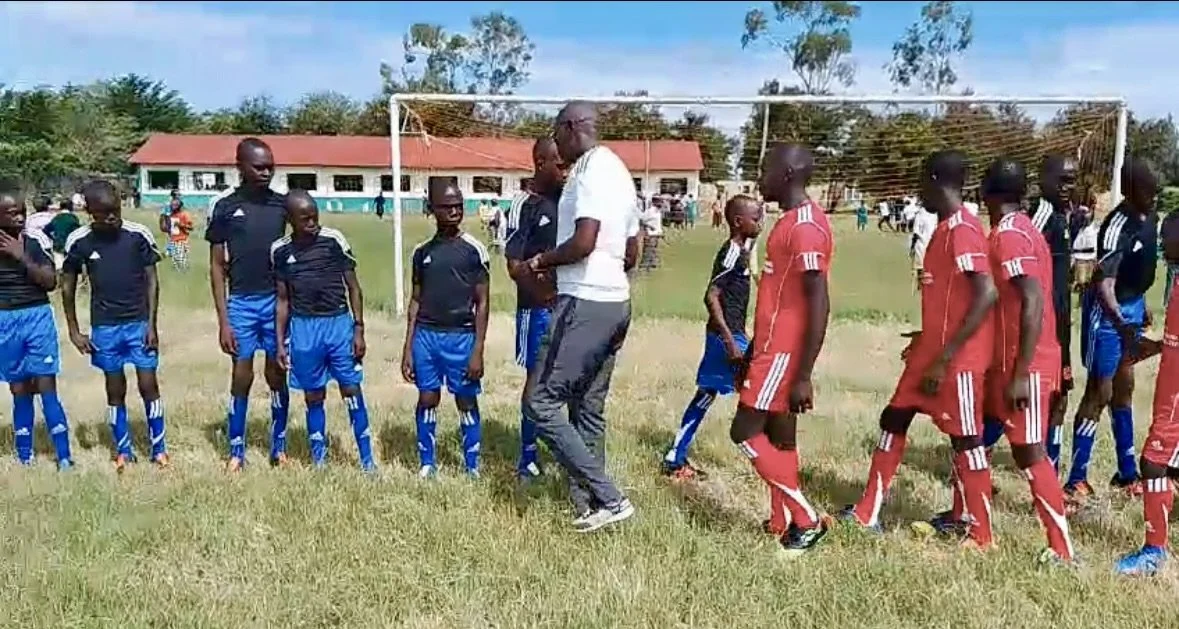
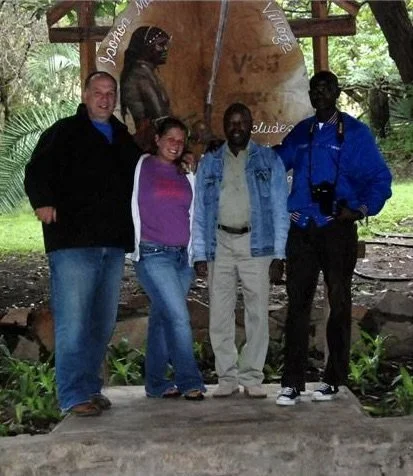
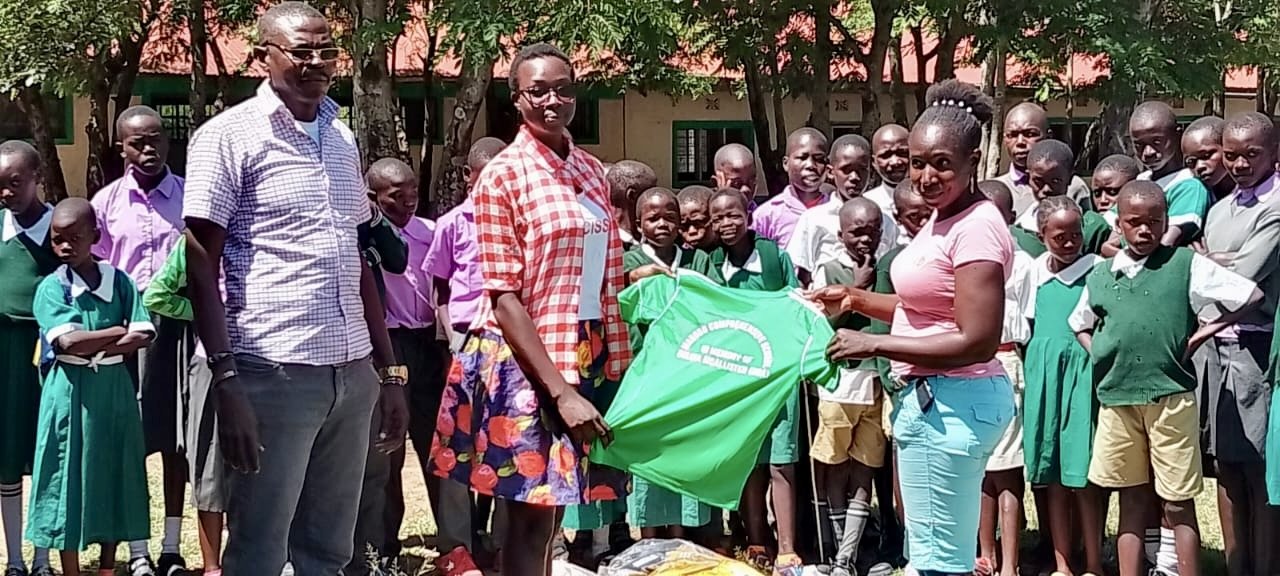
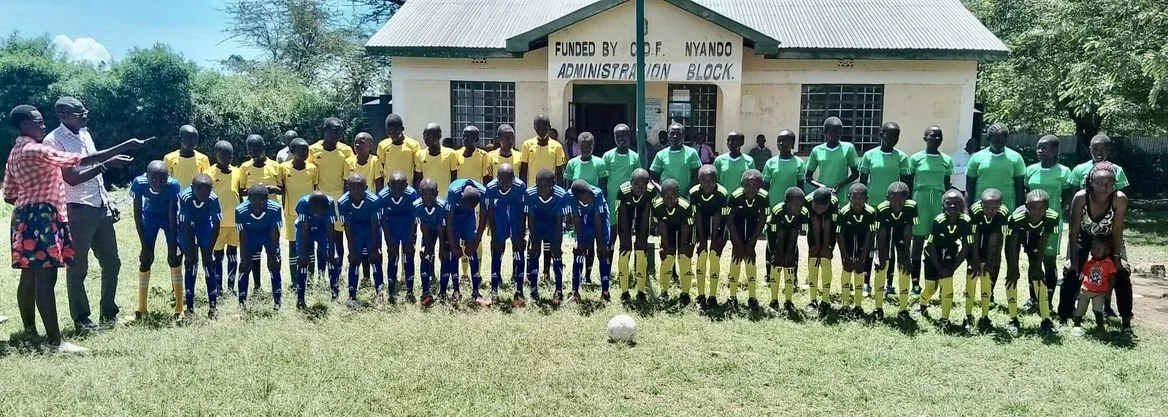
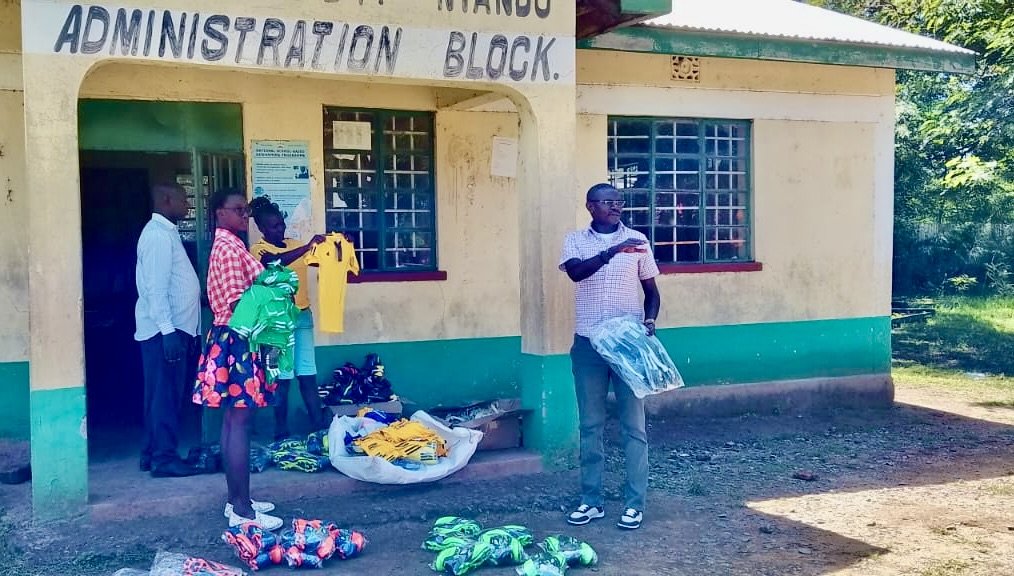
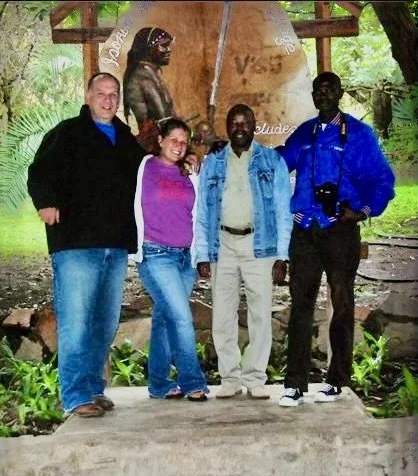
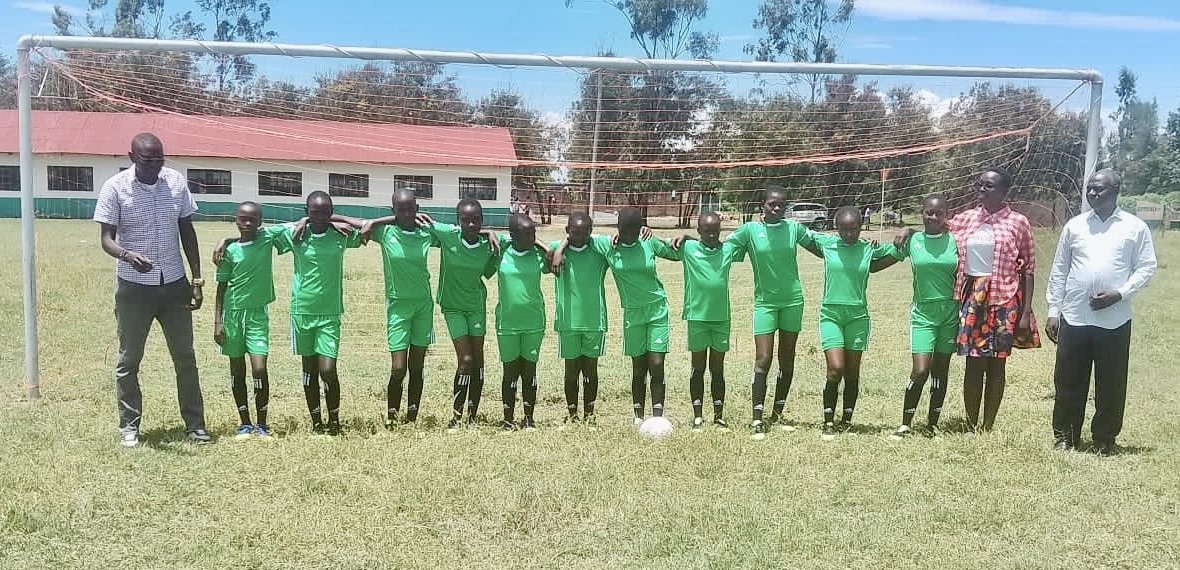
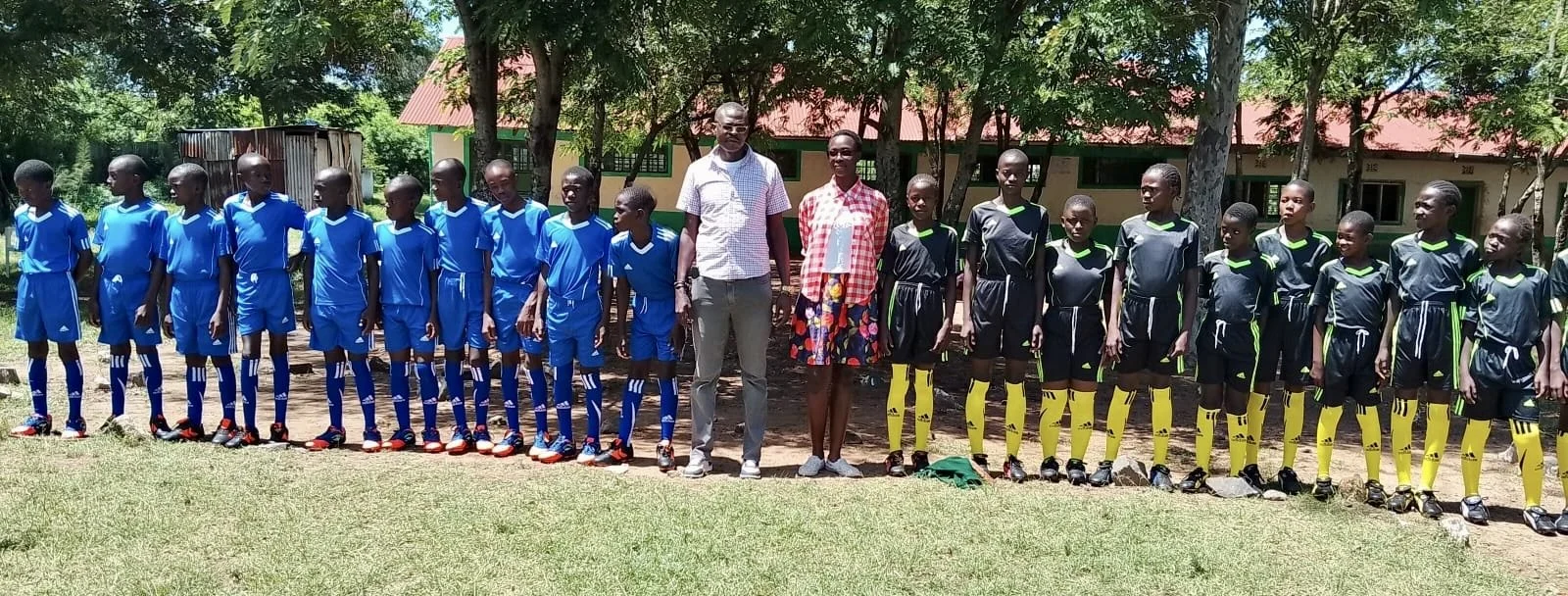
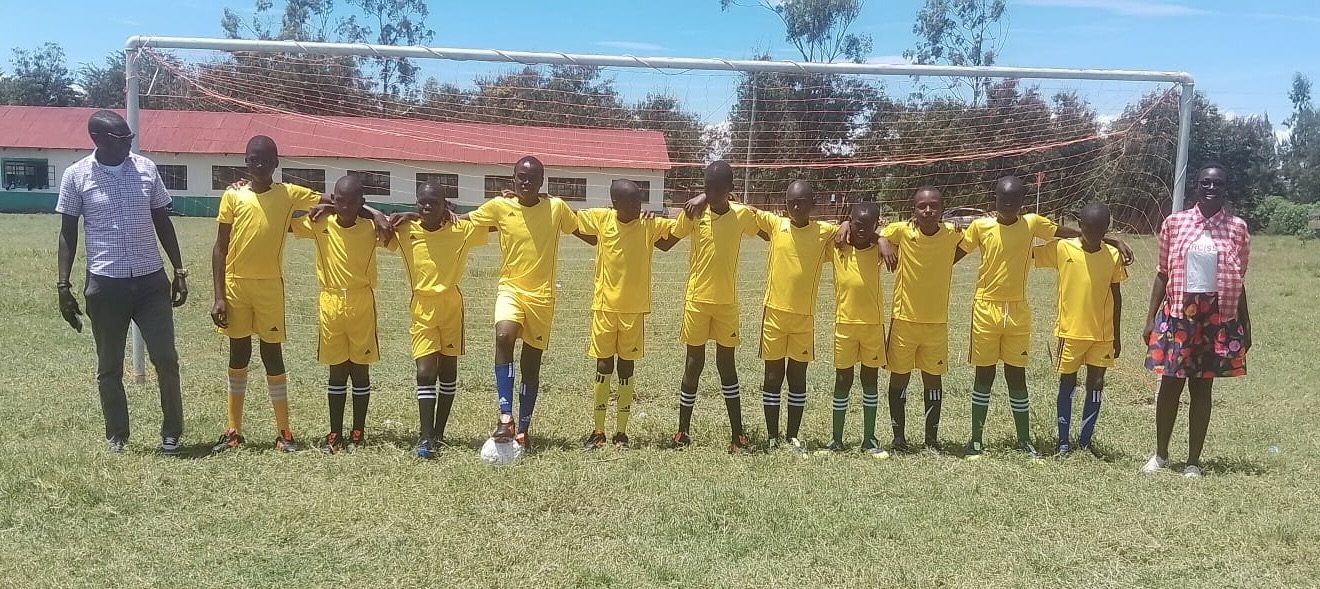
In the last several months the program has expanded, providing food subsidies for the school as well as an abundance of high quality school soccer jerseys, boots, socks, nets, balls, etc. In a most recent significant development, Joe provided the funding for sports uniforms and cleats for a visiting school, a commercial lawn mower to maintain the soccer fields, food, drink, and supplies to cover a celebration between the schools, teachers, and other members of the community. The following is an edited version of an updated report by Noel—whom I met with Joe at the Kenya Safari Club in 2006—on how the programs have grown and impacted this impoverished community.

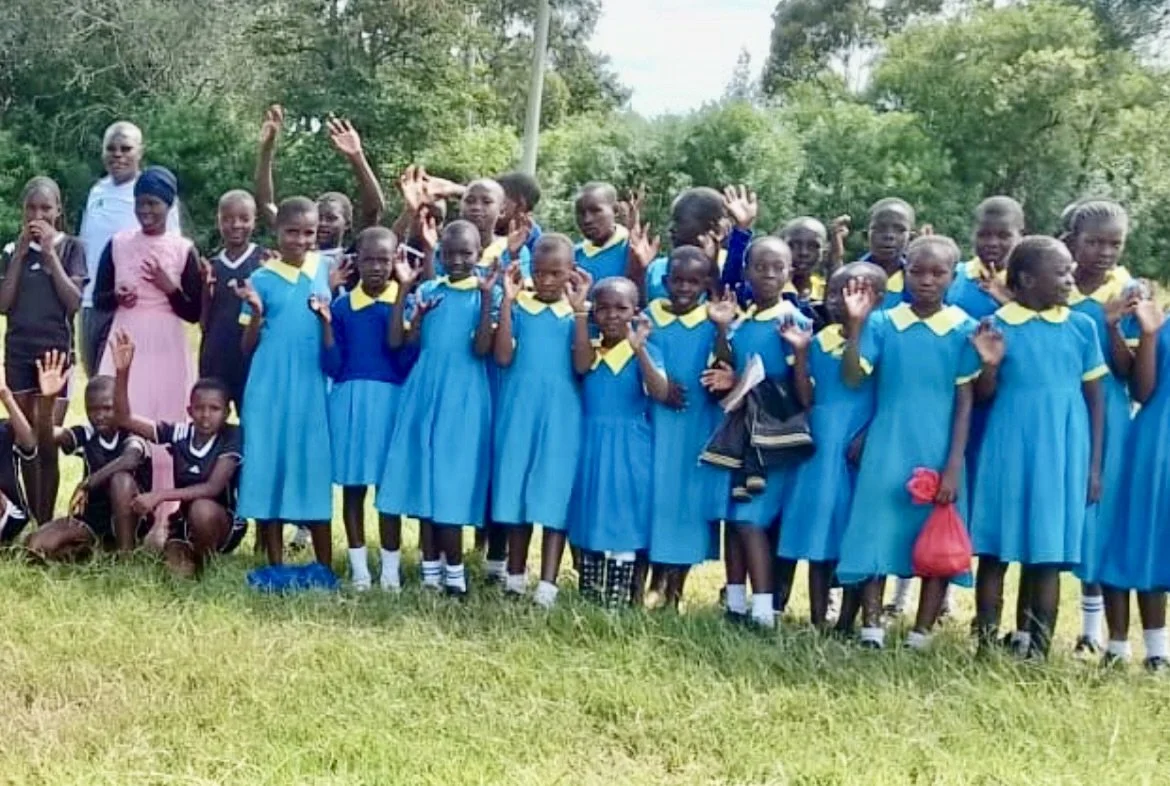
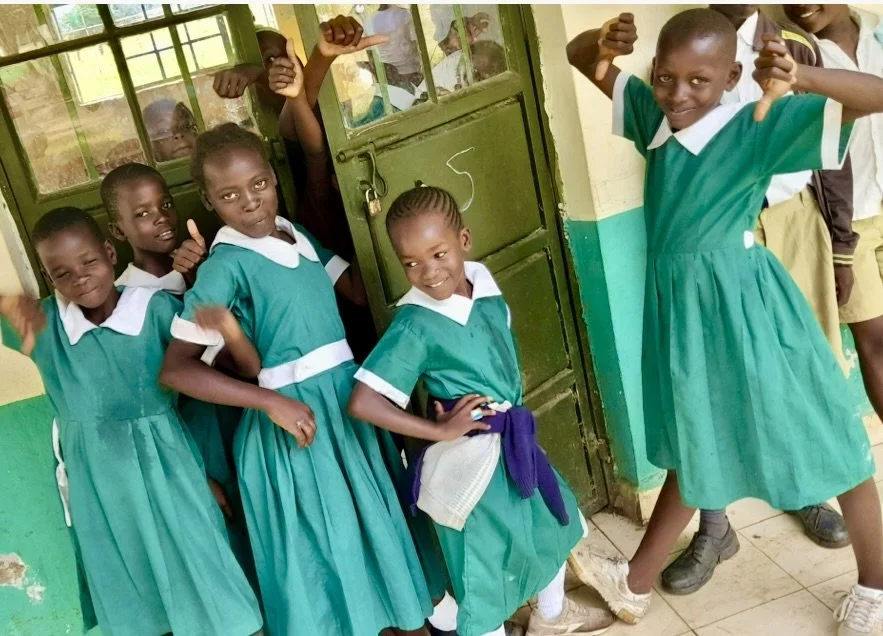
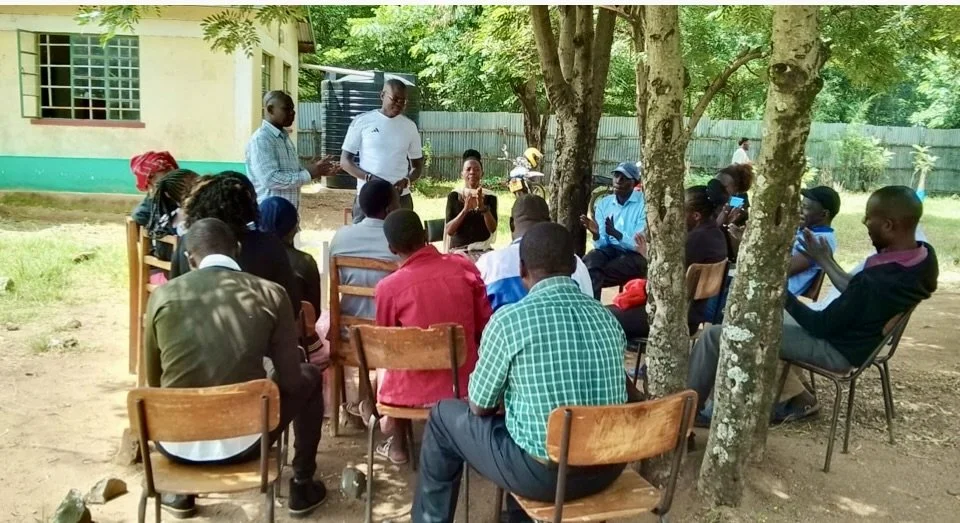
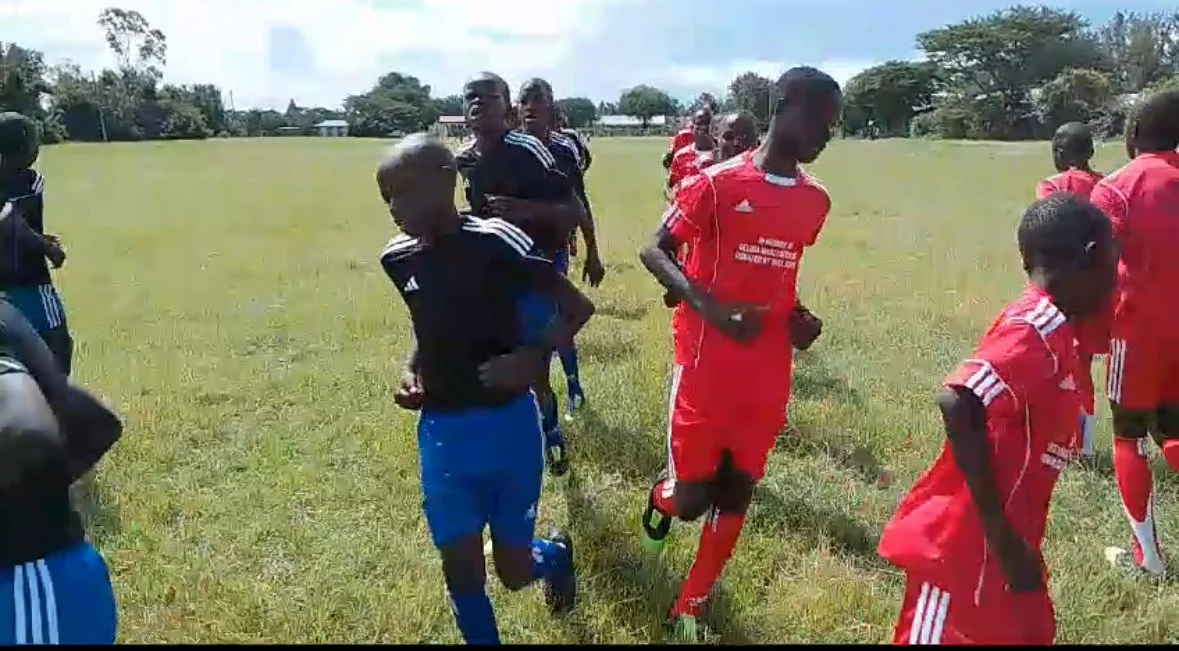
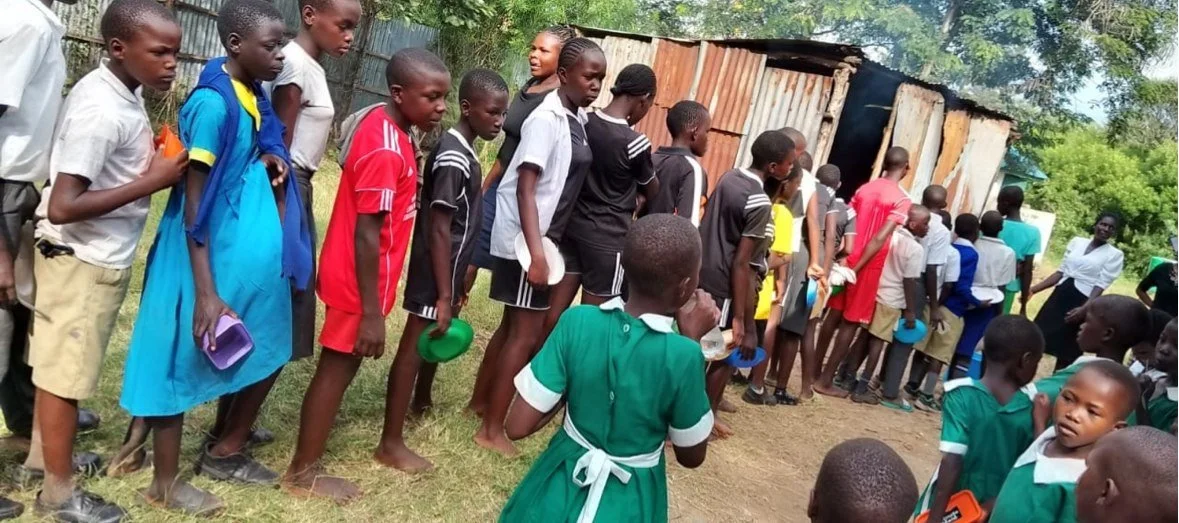
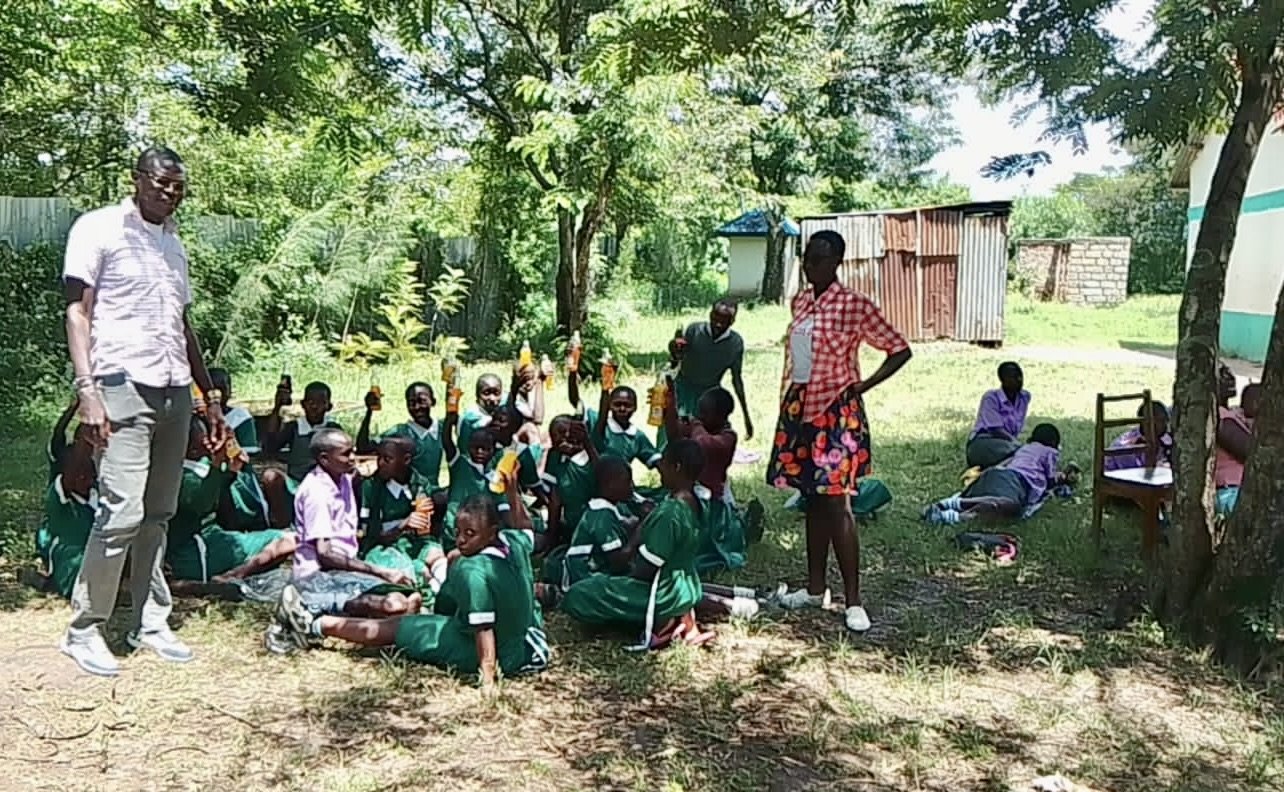
"JAMBO ALL! Warm greetings from Kenya. Today is a 'Day of Days' to be remembered by many with long-lasting positive impacts. We had 160 visiting students from the Onong’no community and 322 from our Masogo school district including teachers and community members who came to witness the creation of the Selena McAllister Computer School. It all began with a staff meeting from the Masogo School and our visiting Onong'no School.

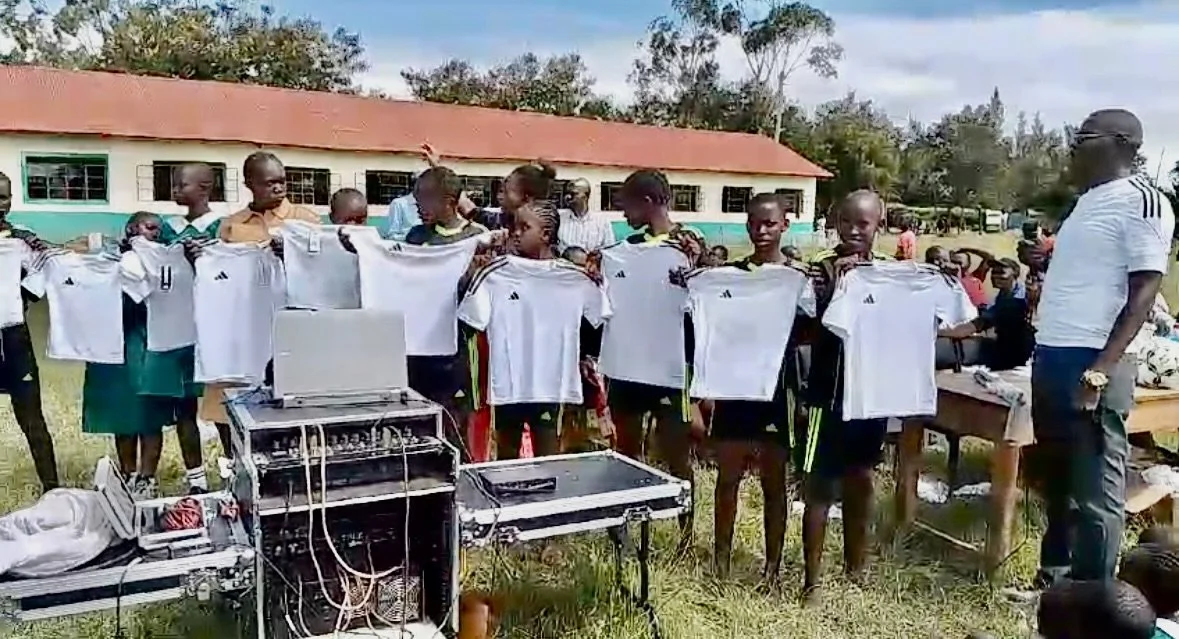
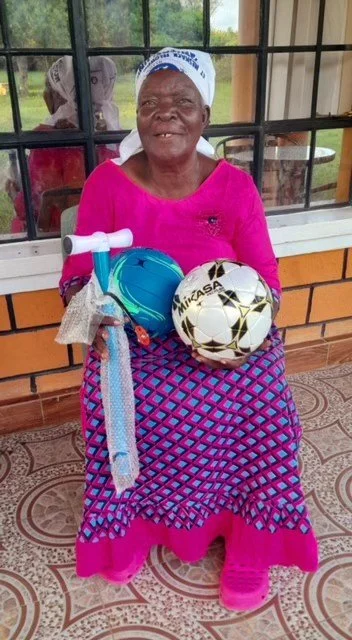
“We want to thank you all for making it happen. The JERSEYS were received with Immeasurable LOVE AND HAPPINESS.

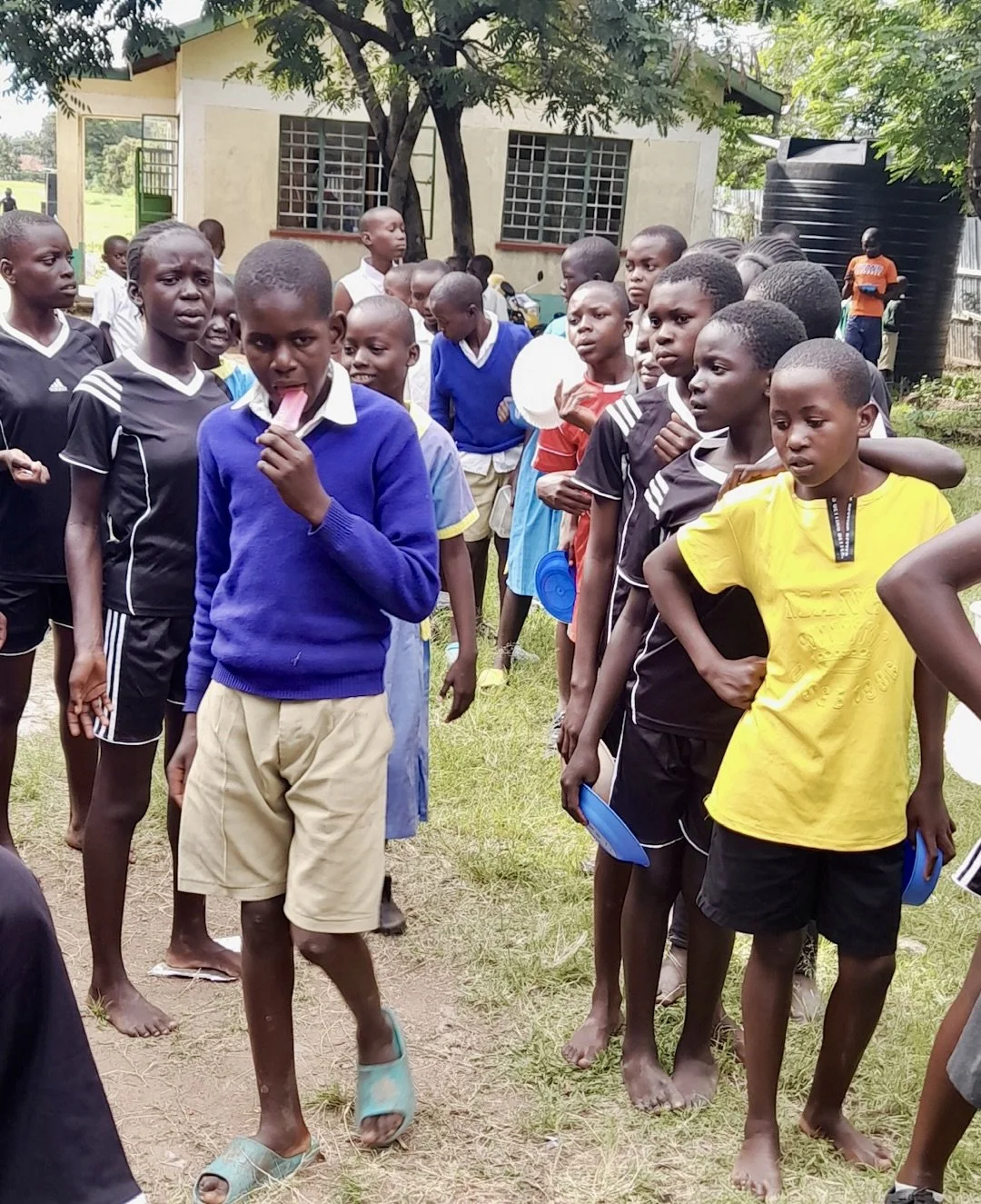
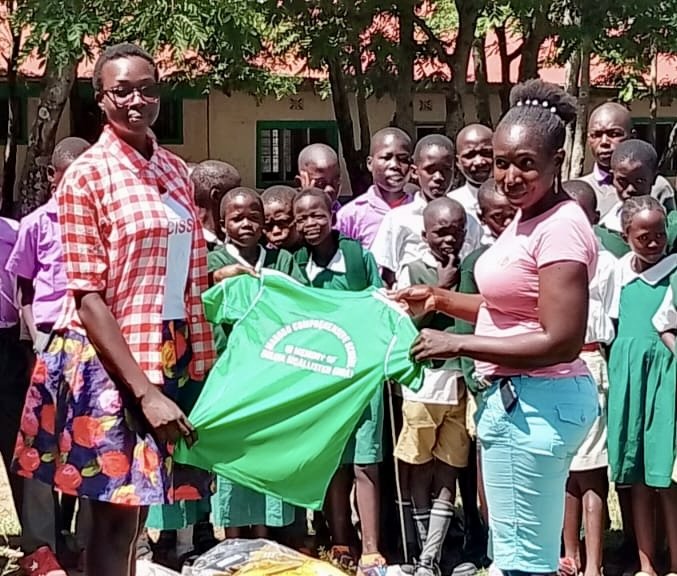
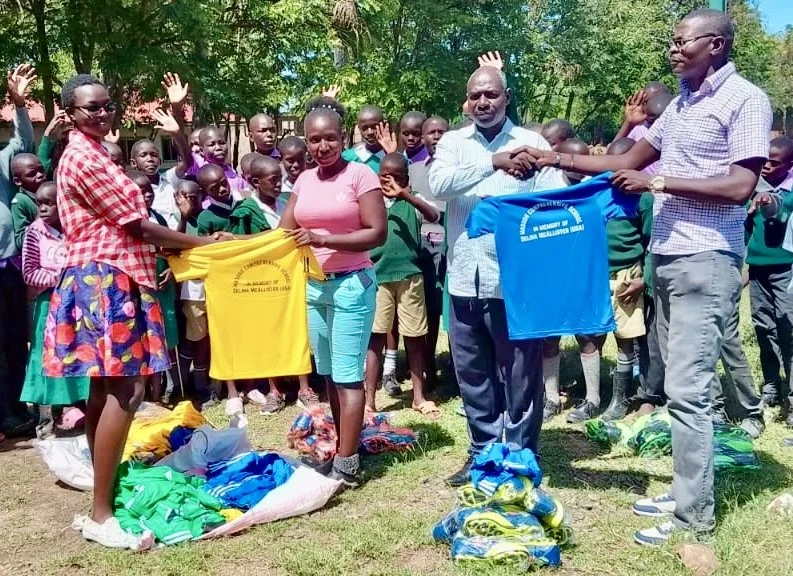
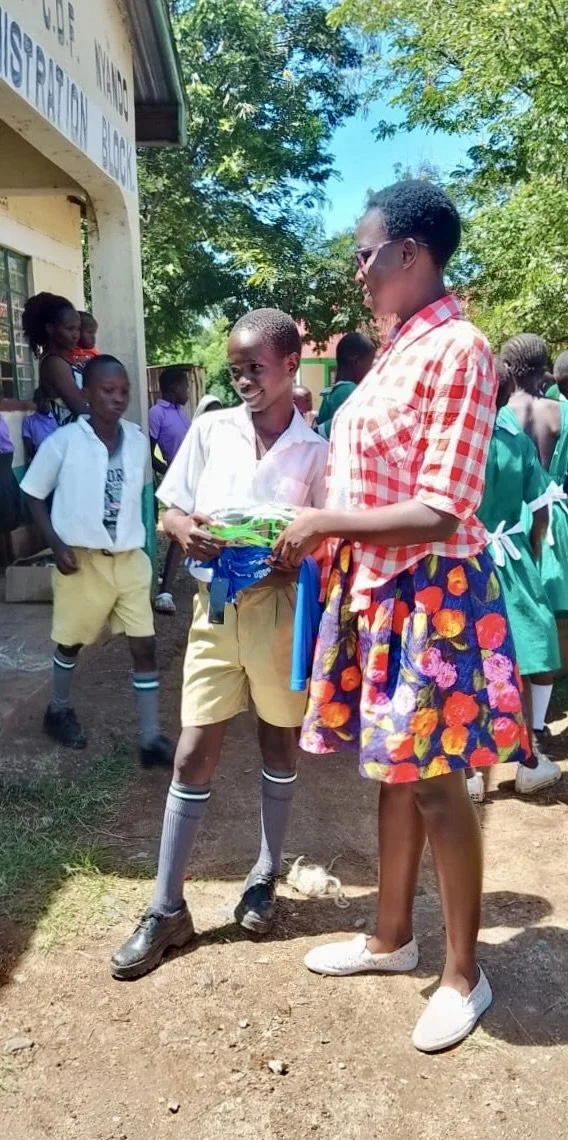
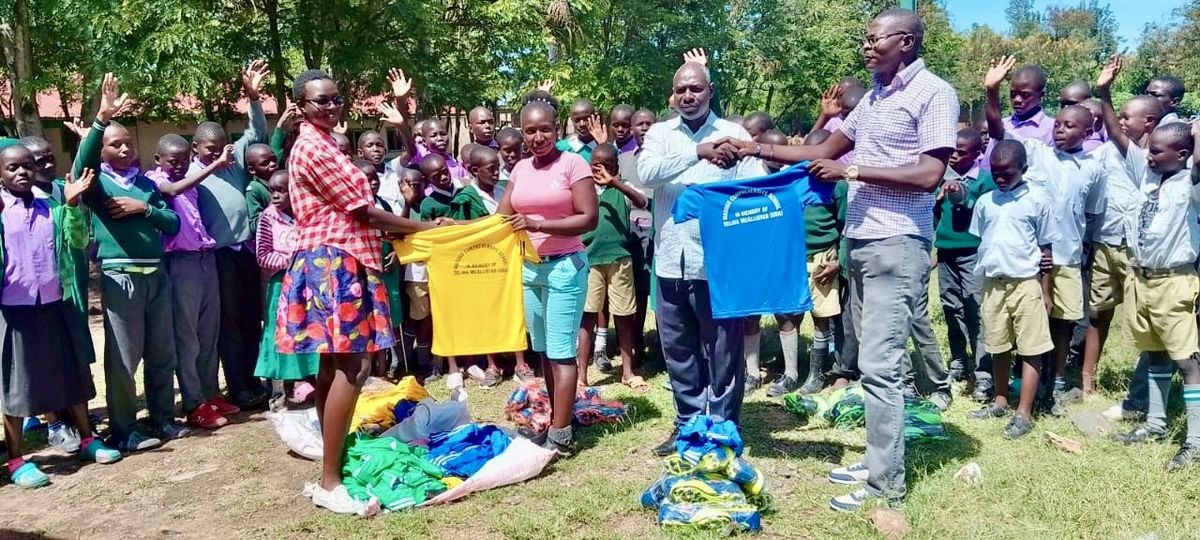
“What a wonderful feeling it is to be in this state! From passing out the gifts, music playing continuously, dancing, enjoying watching the two friendly and spirited matches between schools. What a wonderful bonding event between staff, students, and the community as a whole. It is indeed the talk of the Kisumu district today. In Swahili, we refer to this experience as "KULIWAKA MOTO MOTO NA FURAHA KENYA,” (English translation: FIREWORKS OF HAPPINESS), to welcoming the Jerseys, and gifting the guest school who never in their dreams expected this level of generosity. We were able to feed over 500 people.

“Though my mama could not make it, as her body was not in the right shape, she prayed that everything went well, that the kids were happy and had enough to eat?”

“ASANTENI SANA.. MUNGU ABARIKI WOTE. May the Almighty bless everyone together with your families. Please share with your friends and family our LOVE.

“This reminds us that we are not alone in this world, we feel loved by beautiful people with selfless compassion and care that Selina Mcallister left us with.

“Noel's family, Masogo & Onong’no Schools and community at large in Kenya.”
A Day in a Life of a Delightful Farming Family in a Province of Cuzco in Peru

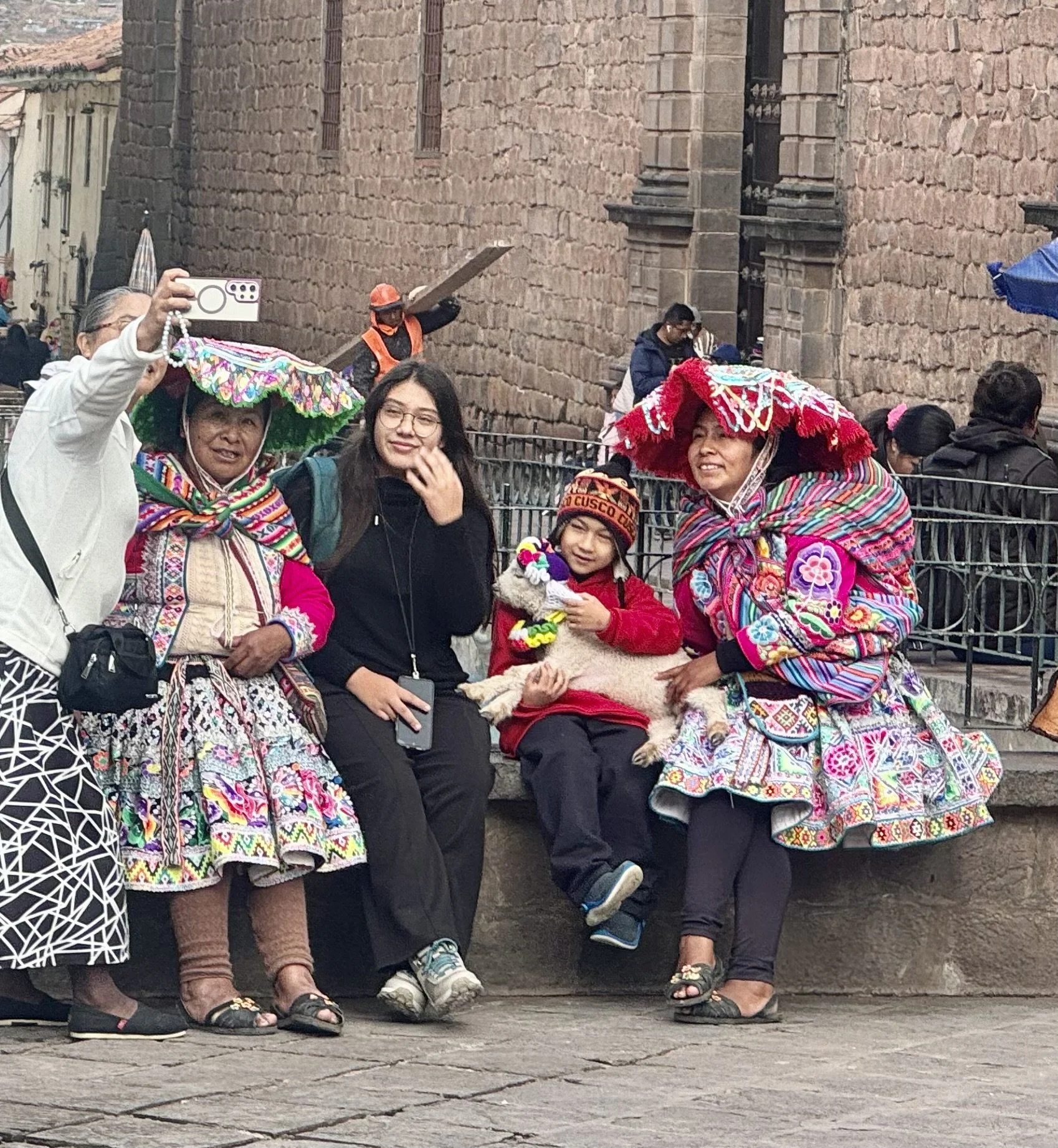
After visiting some local markets, our Trip Experience Guide, Salvador, had our driver take us to

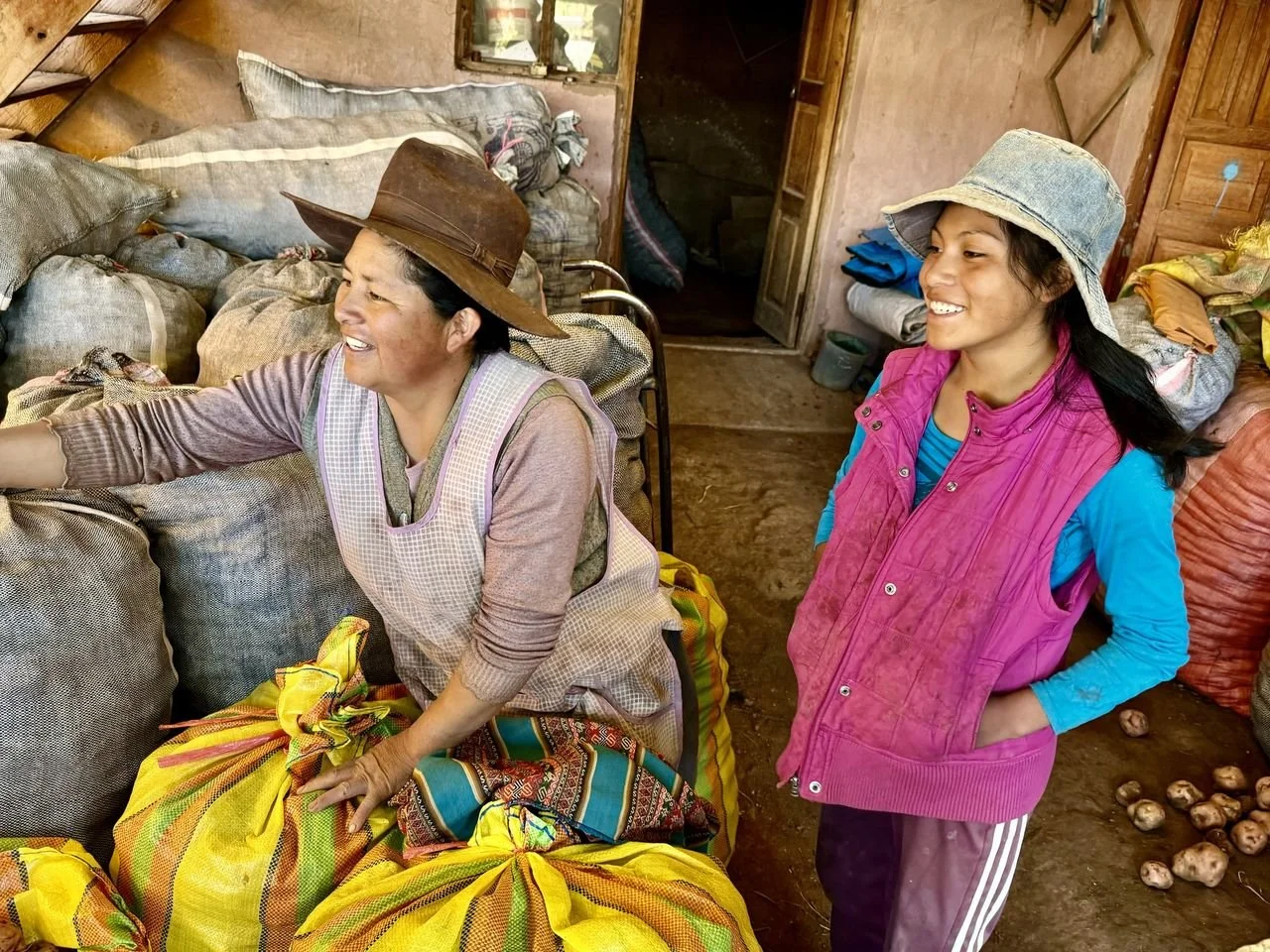
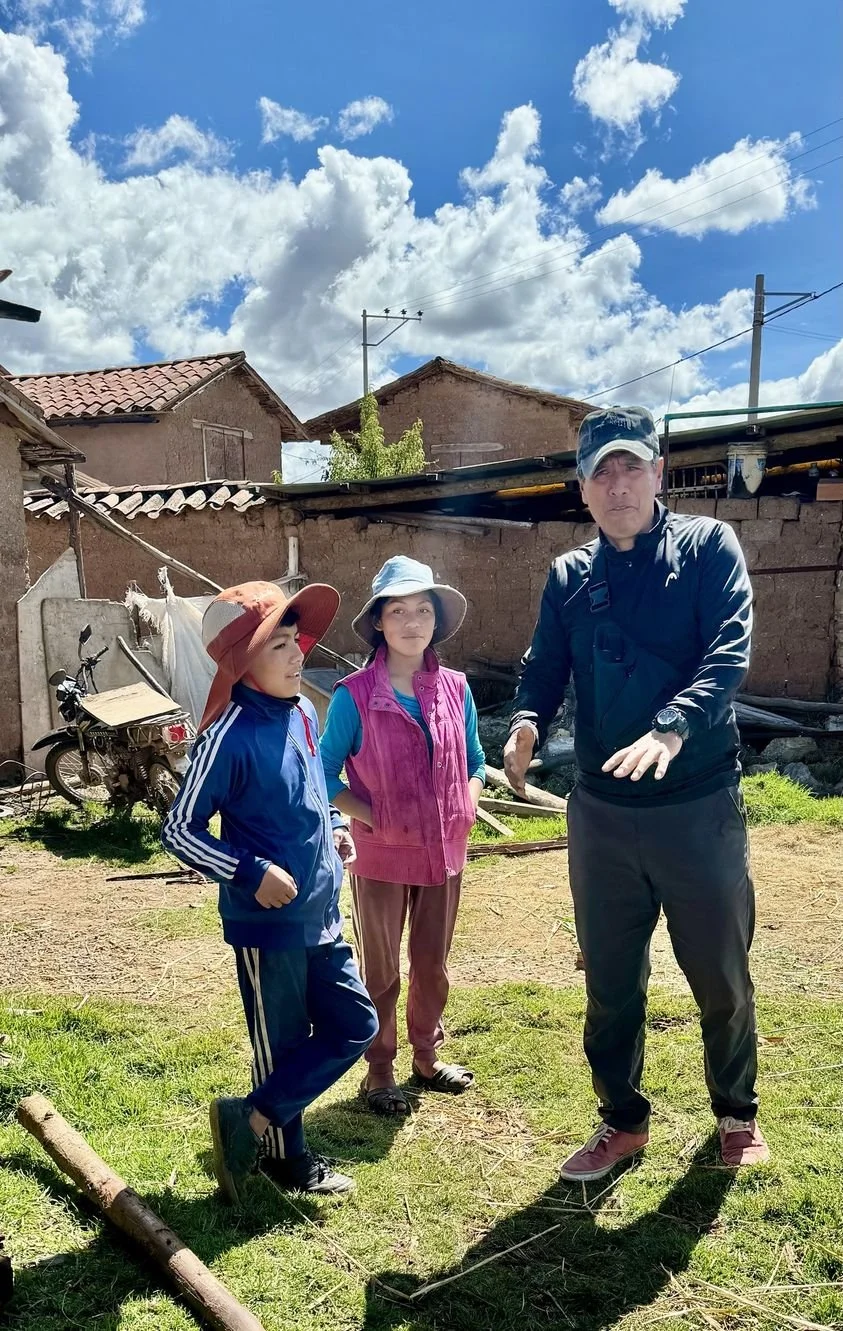
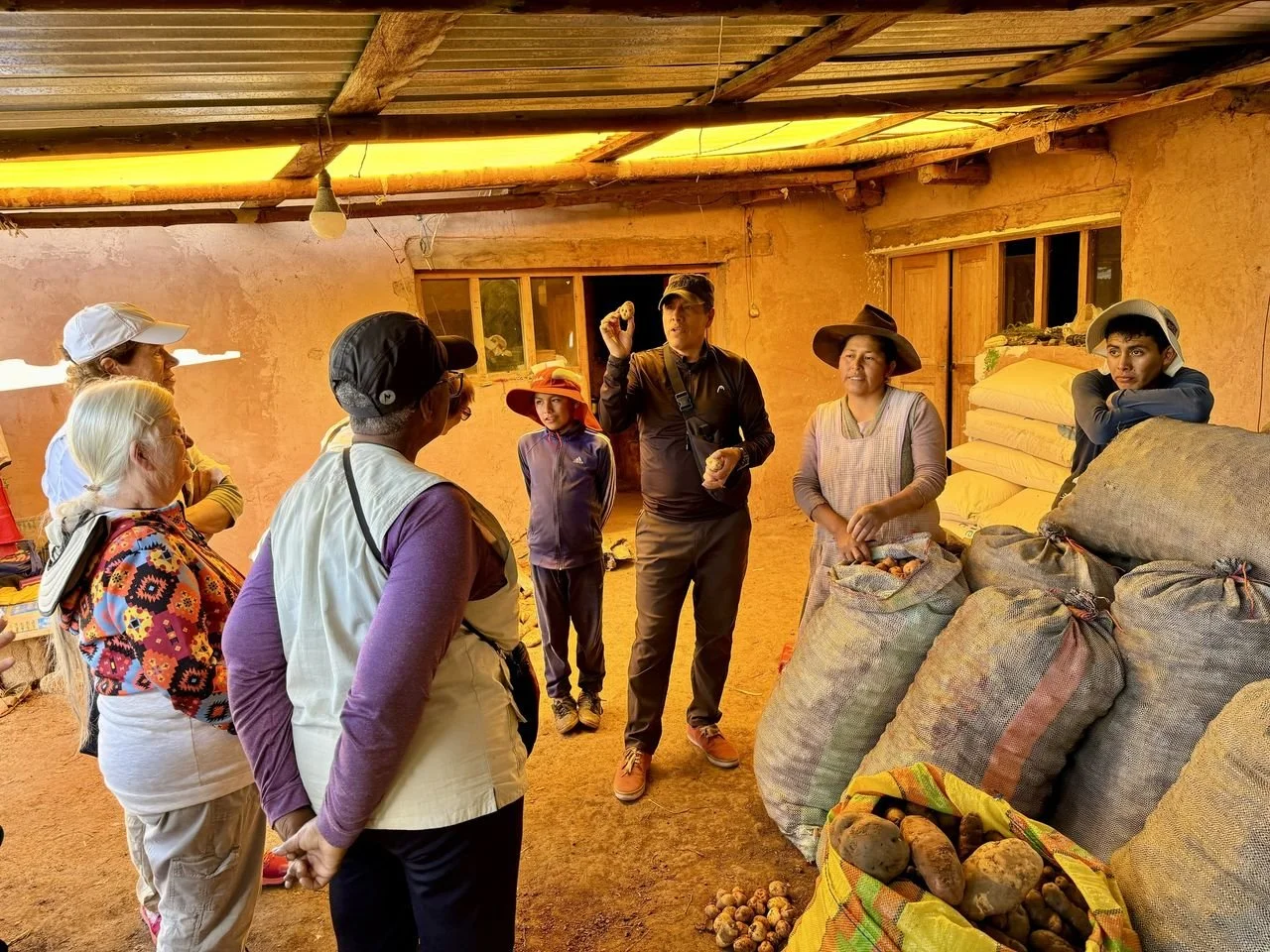
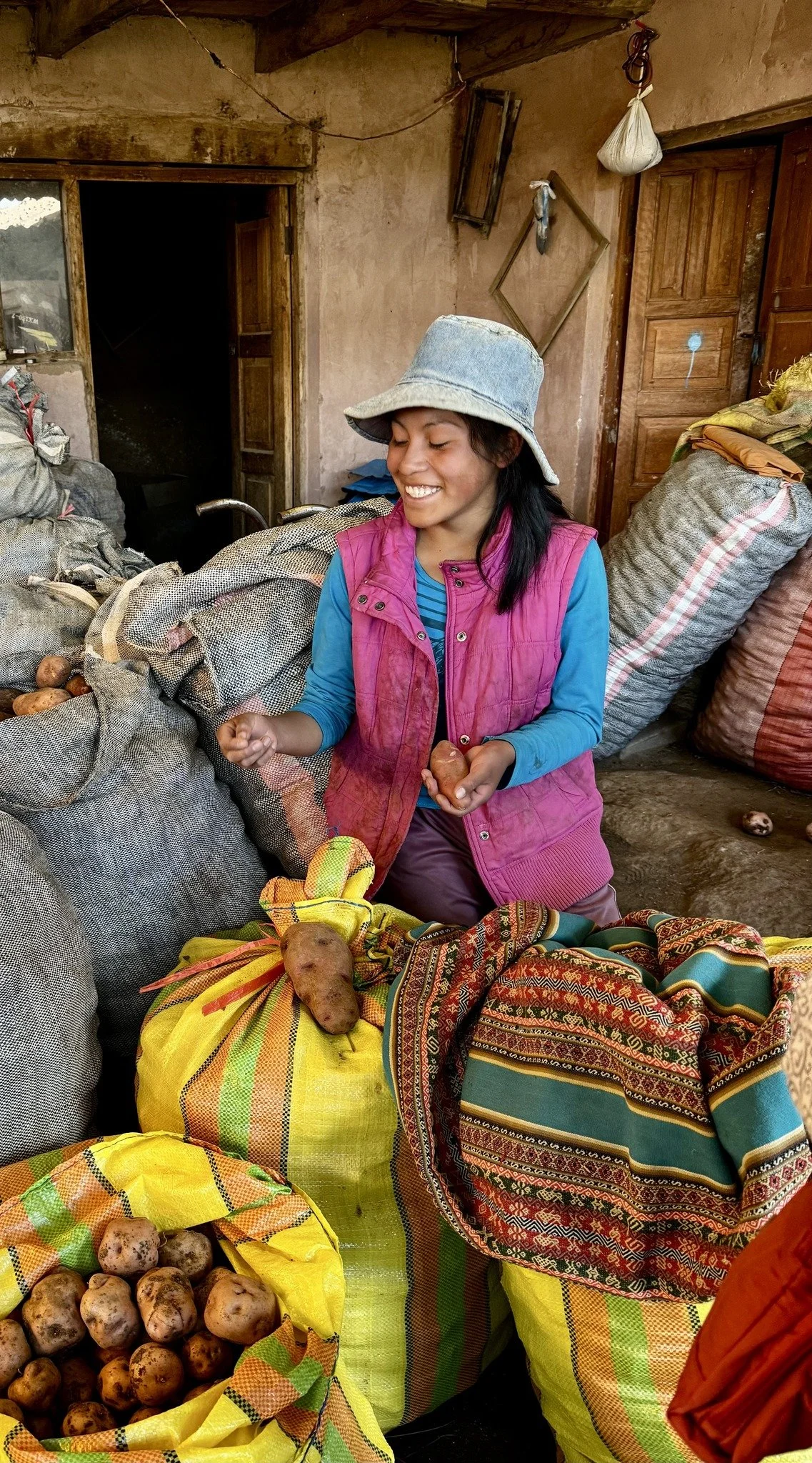
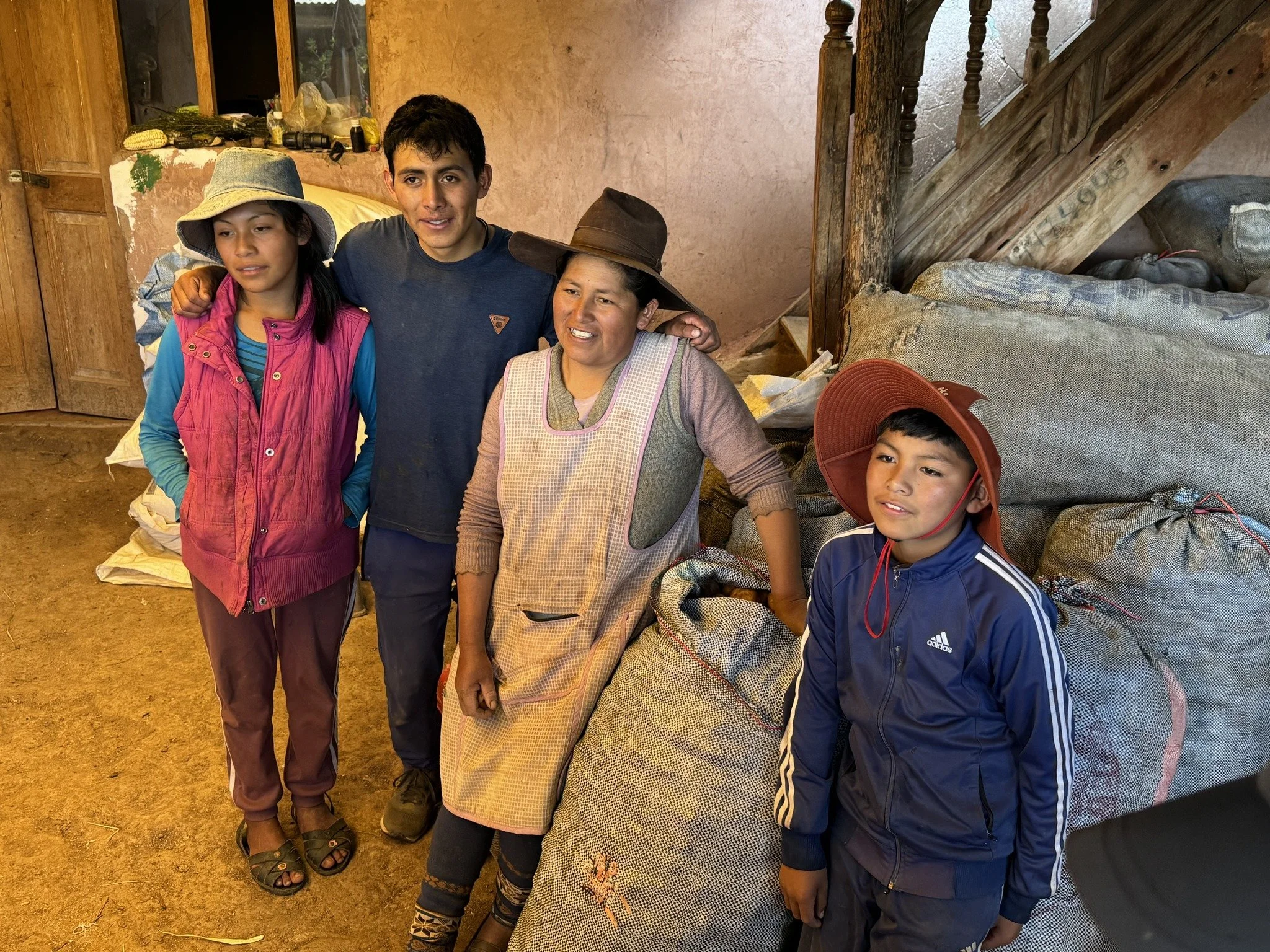
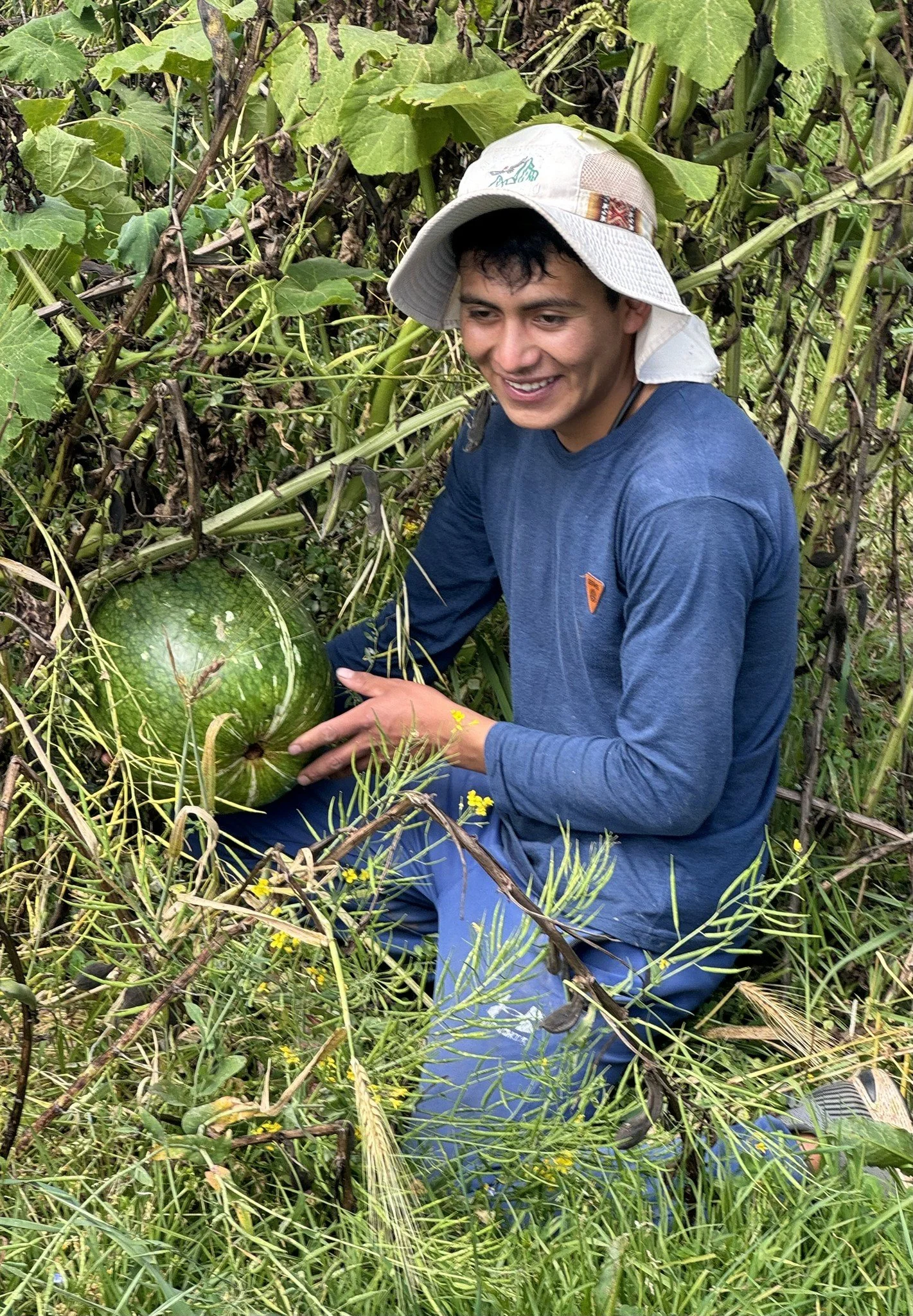
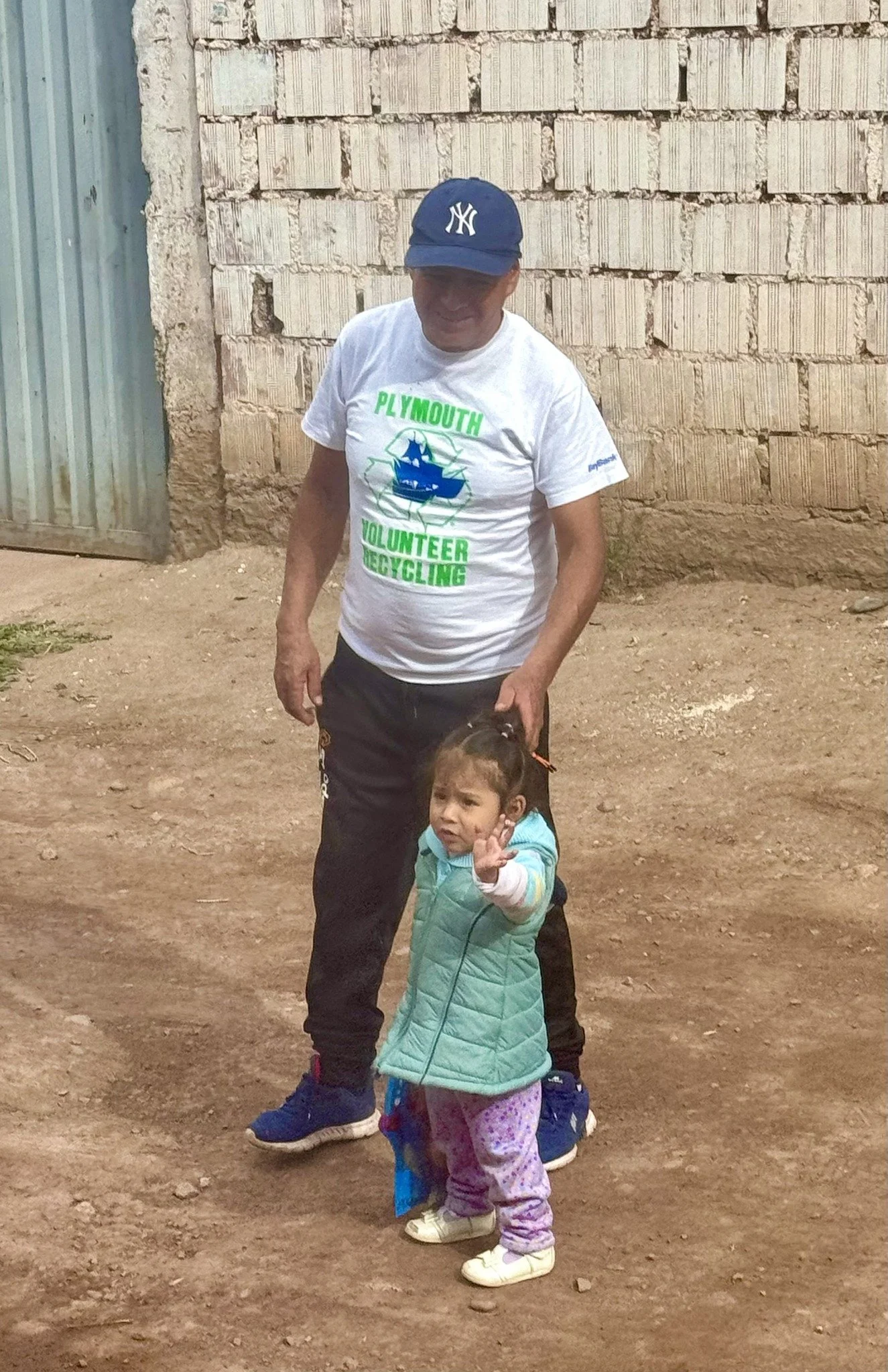
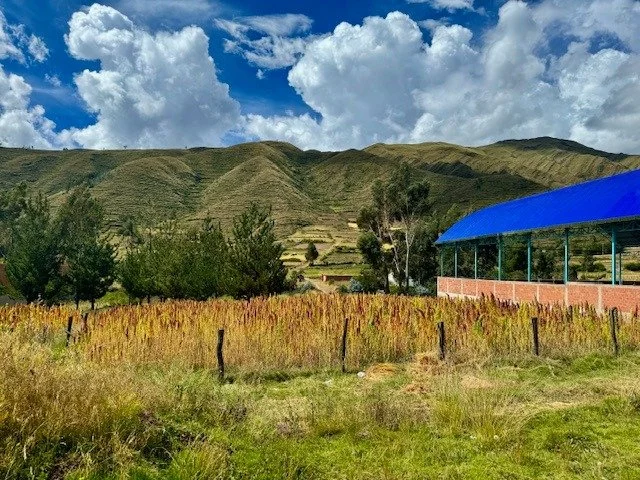
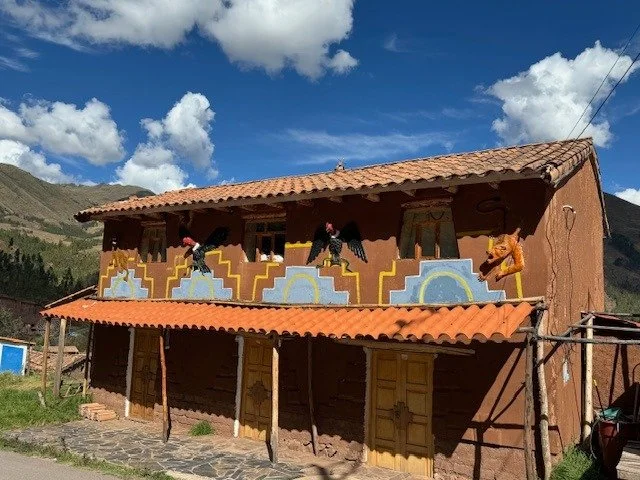
the farm of a friend of his. This was an alternate activity he was offering us since the Cruzpata School, sponsored by Overseas Adventure Travel (OAT) we were going to visit was closed on this date. While the husband was out of town, we did get to meet his lovely wife, Maria, her first born son, David (pronounced Daveed) from her first husband who is deceased, her youngest son Ben Hameen, and her beautiful daughter Sarah. Maria had inherited the farm from her mother.

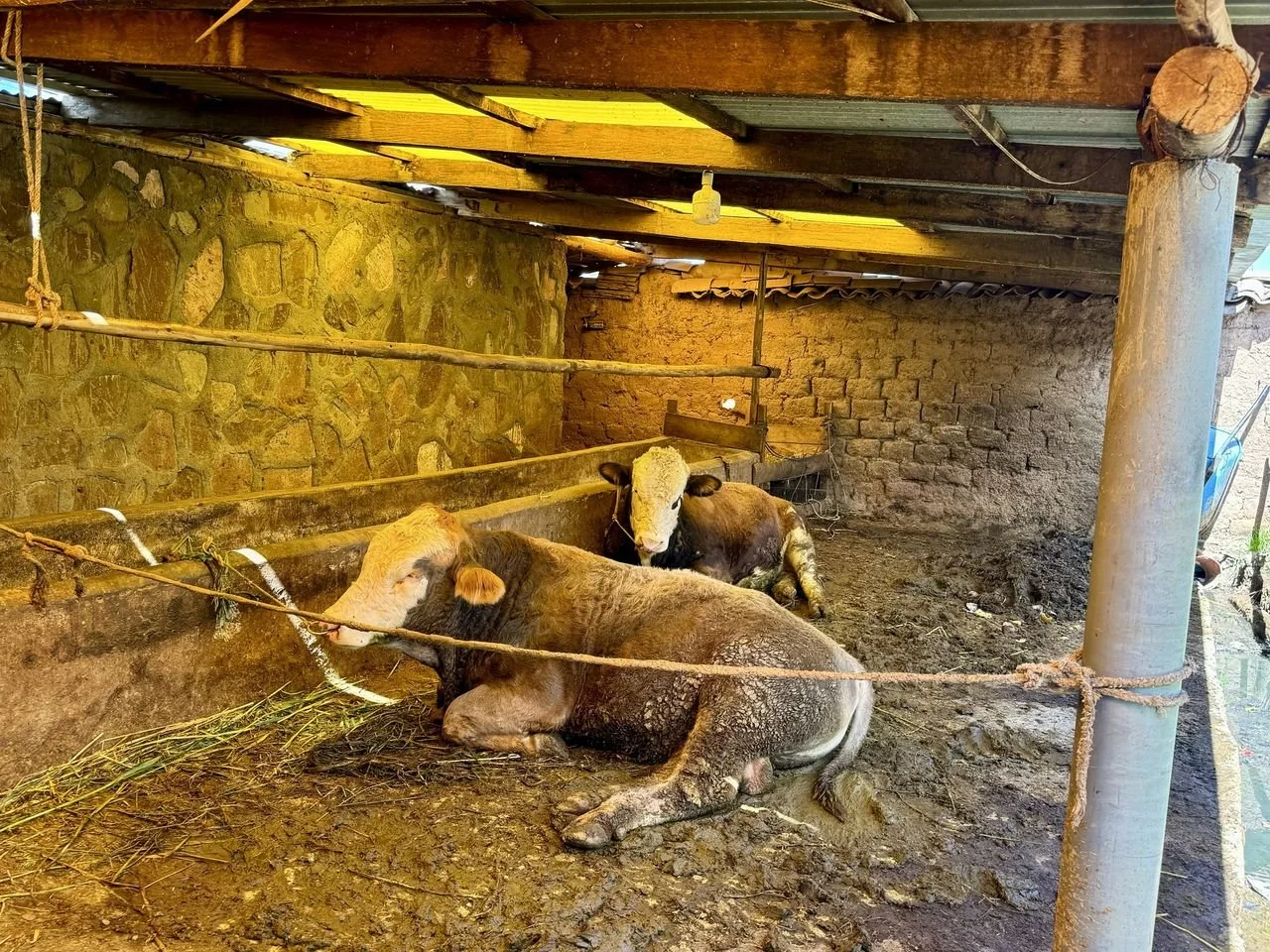
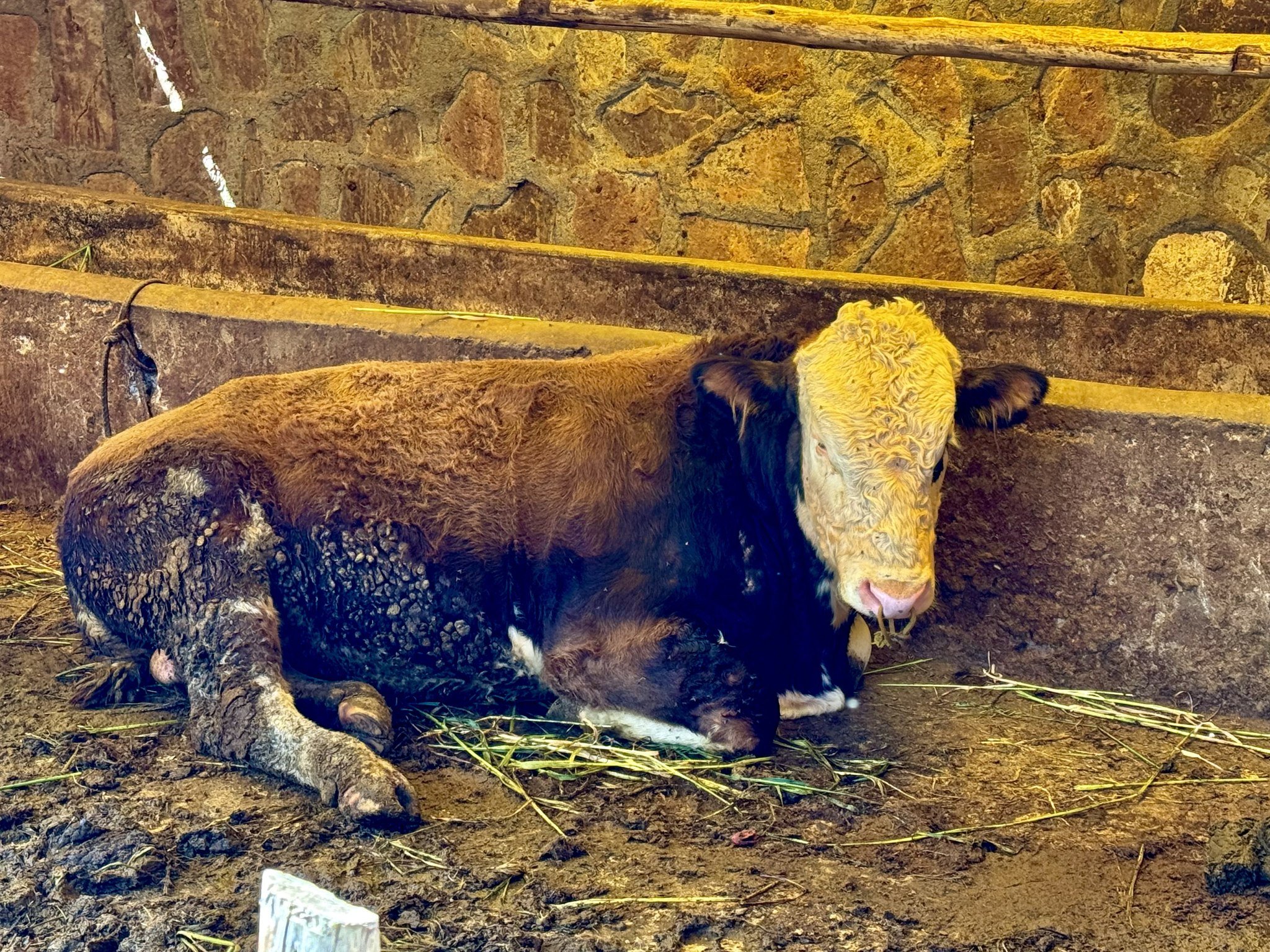
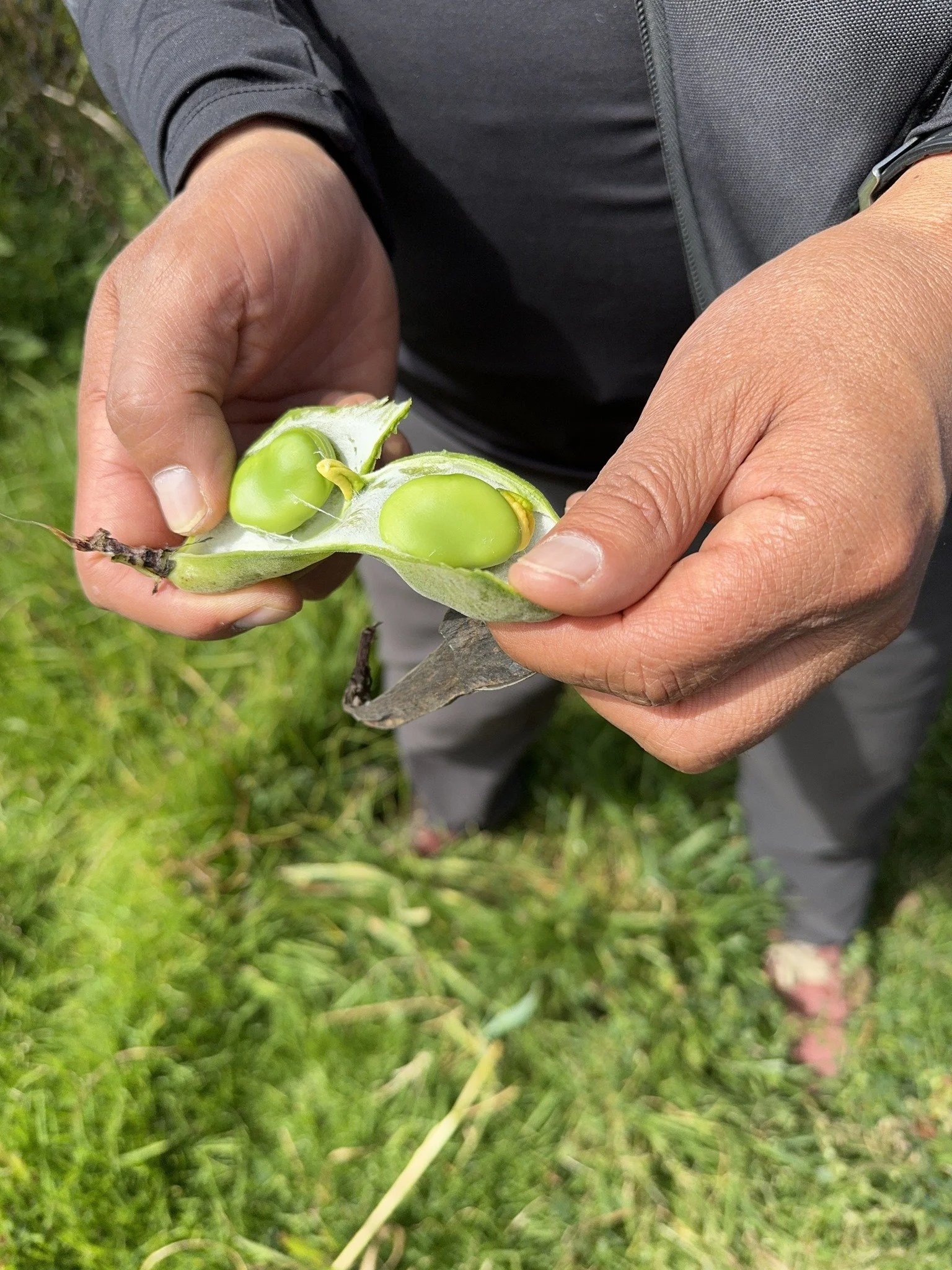
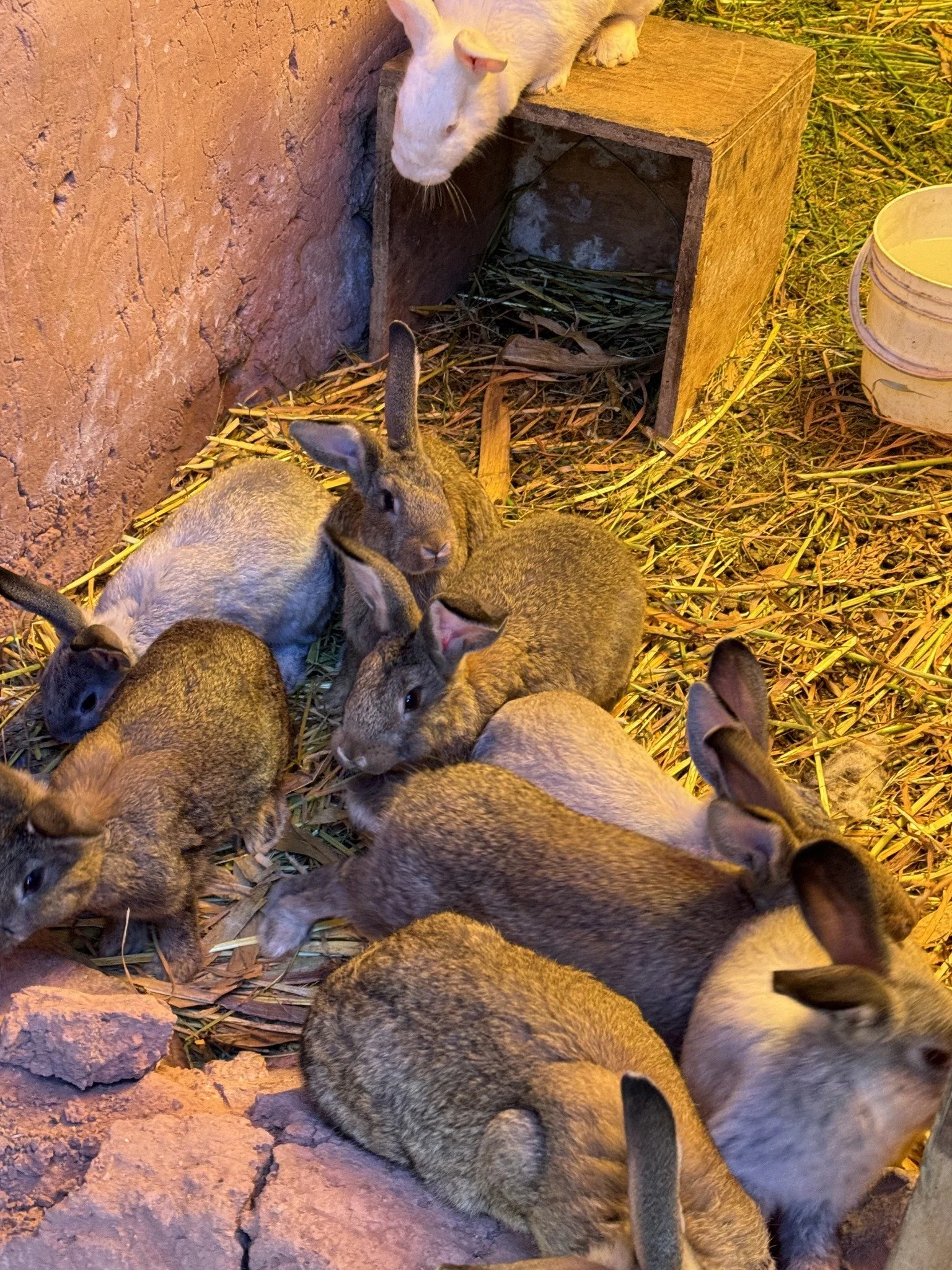
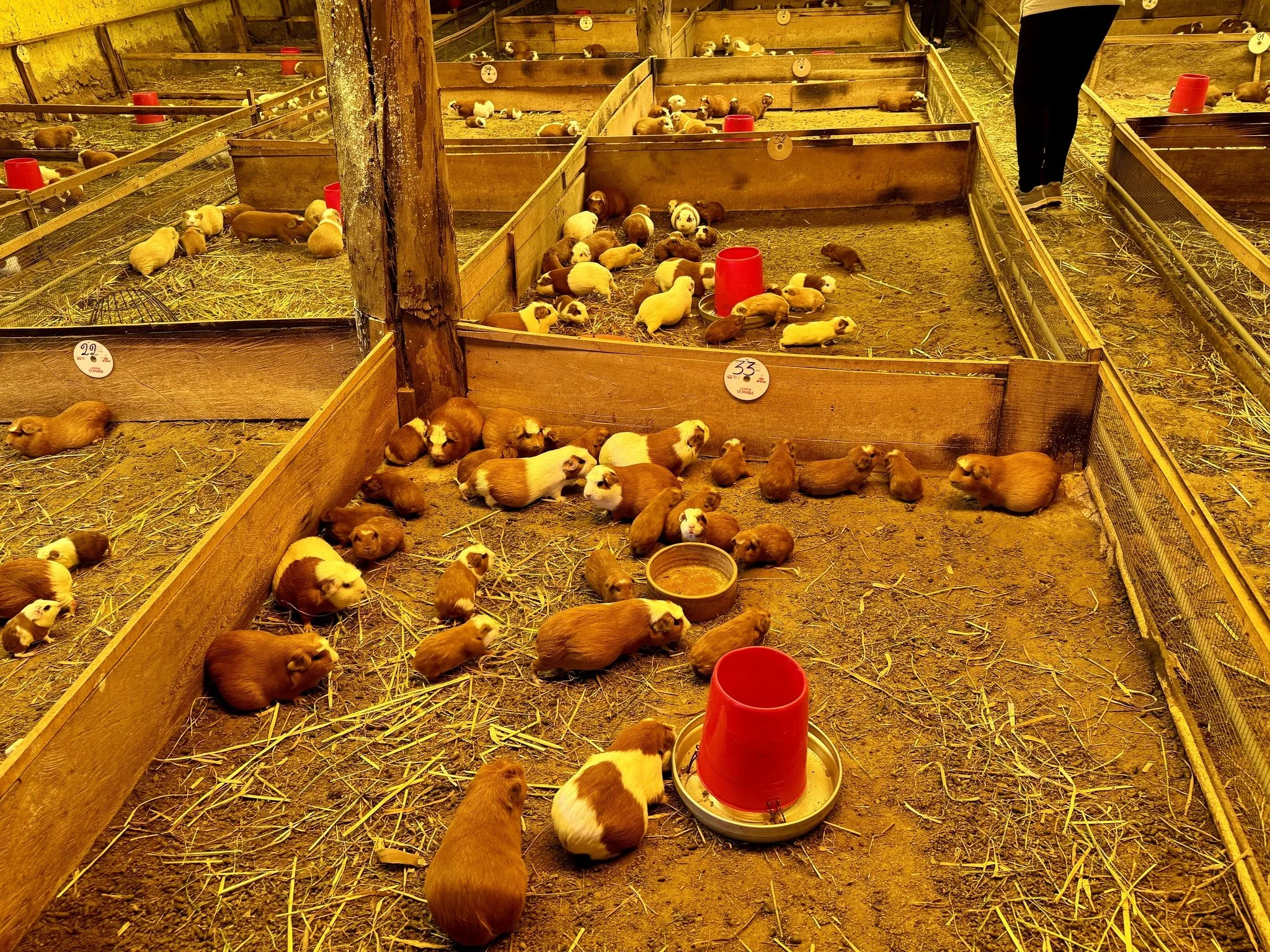
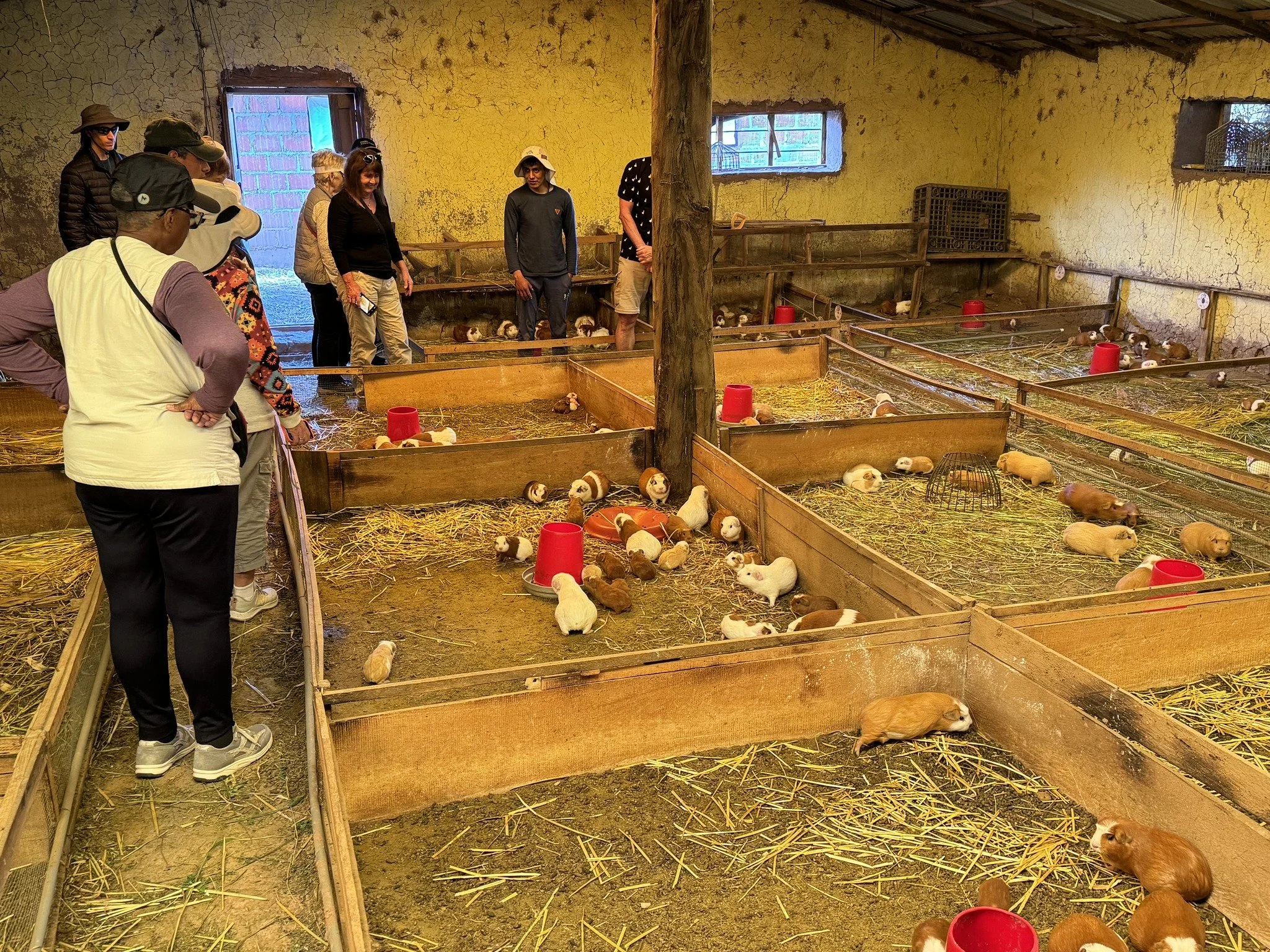
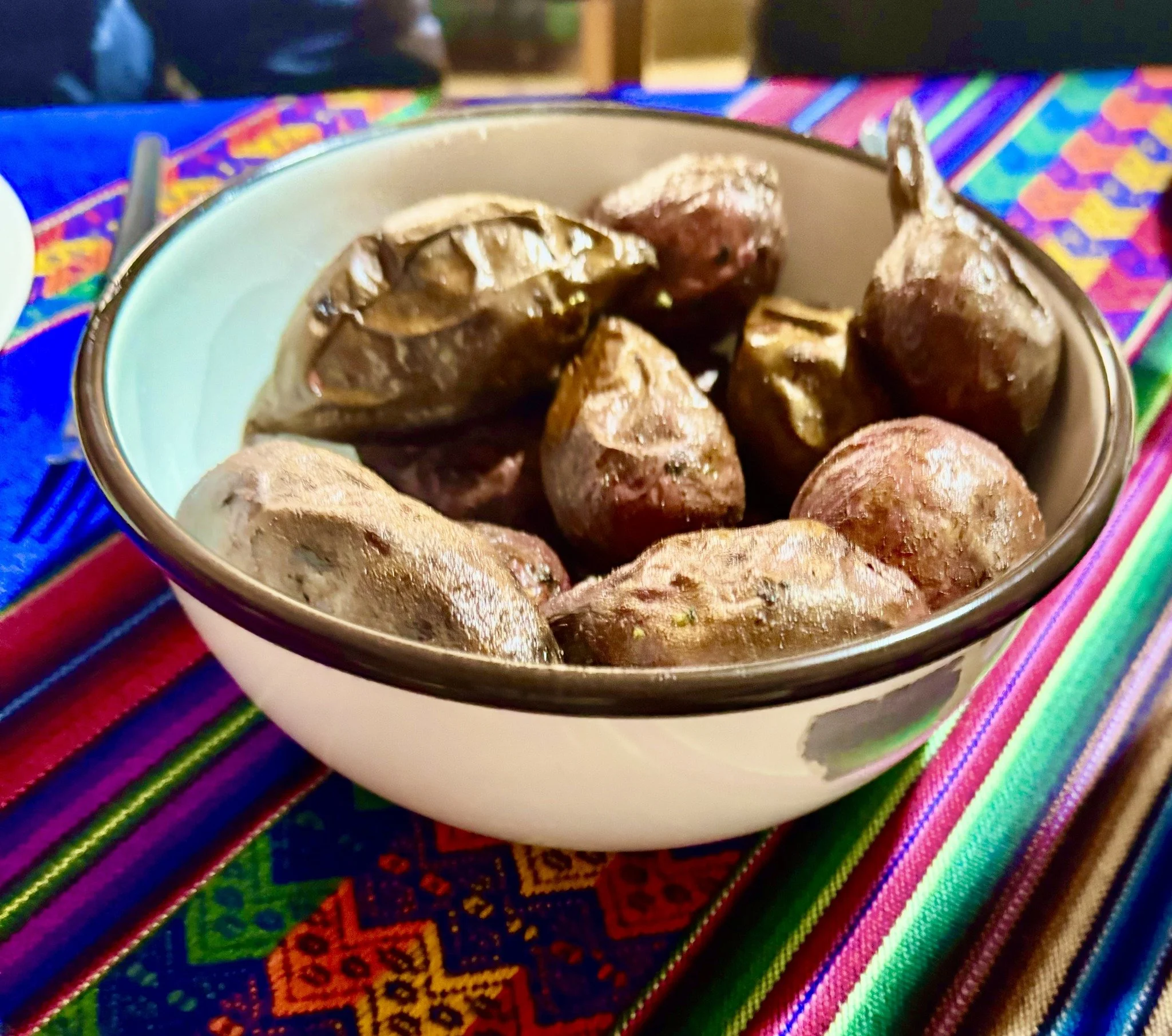
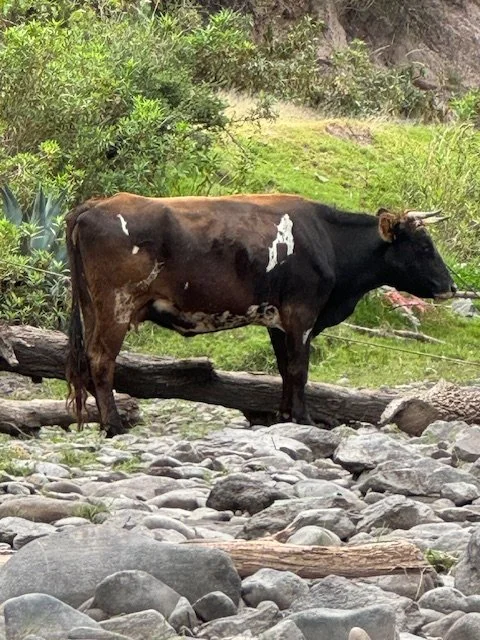
The kids went to school, but helped out with farm activities. Maria and her husband have several parcels of properties. They have five cows, two steers on the farm we were visiting. They also had bee hives and made and sold honey which was offered to us as a snack. They harvested a ton of potatoes, fava beans, and other agricultural products, and were breeding rabbits and guinea pigs.

Sarah said she wants to work in the cosmetic field (i.e., make-up,) though some of the women travelers in our group said she was pretty enough to be a model. When Salvador asked if she had a boyfriend, she blushed, smiled, and stood silent, to which my late dad would say: “There’s your answer.” All in all, it was a pleasure meeting this handsome and cordial family, and how they have been afforded several opportunity to grow the family business.
The Tranquil Taquile Island Where Time Stands Still & Traditions Run Deep on Lake Titicaca

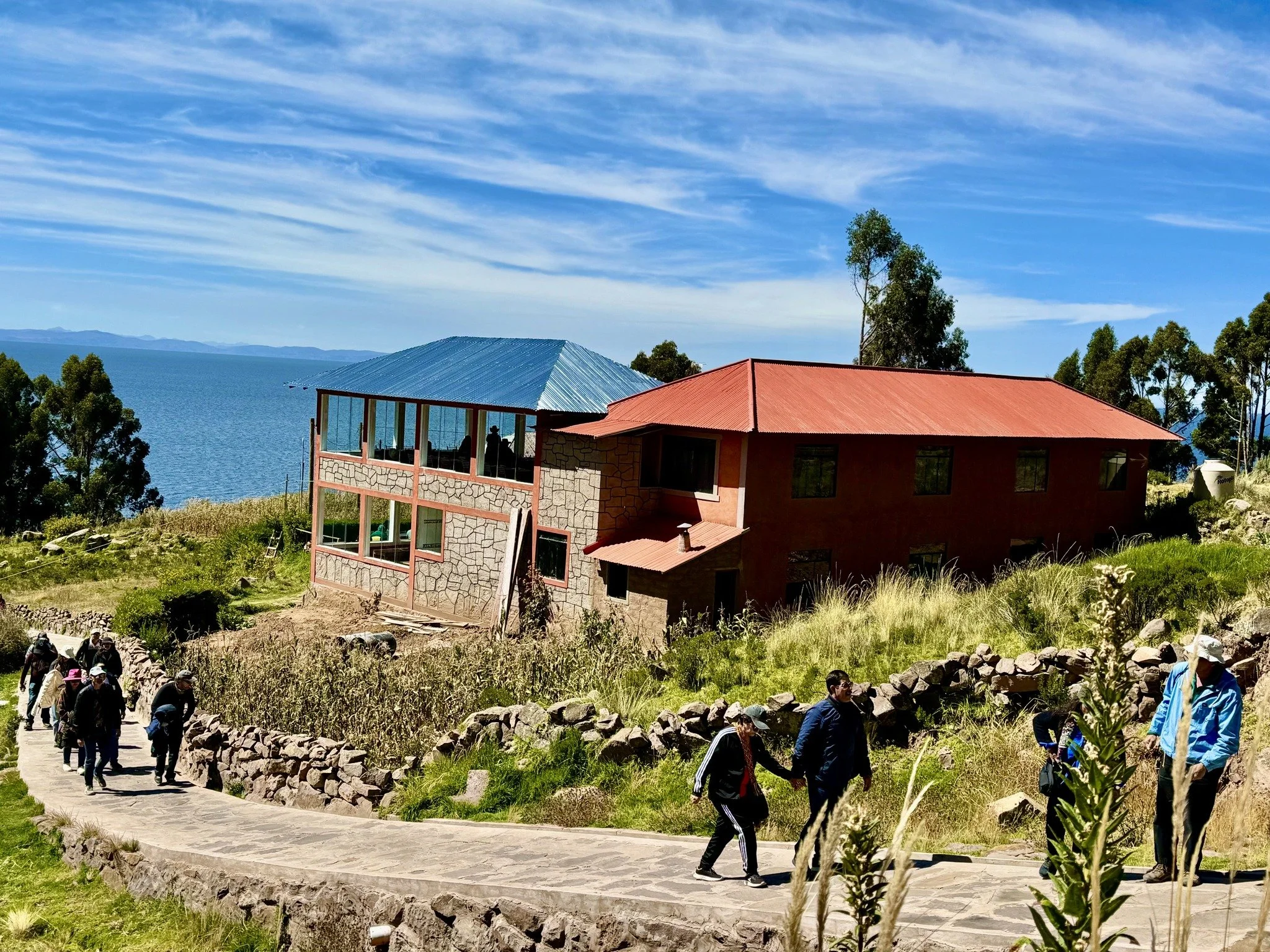
When we reached the stop, of the steep mountain, I felt like I was on top of the world. In the middle of the Peruvian half of Lake Titicaca, the shores of Taquile are at 12,960 above sea level, while its highest point reaches almost 13,300 ft in elevation. Said another way, this place is literally breathtaking at this elevation. We have all heard the term food insecurity, well, at these levels you can definitely feel "Oxygen insecurity."

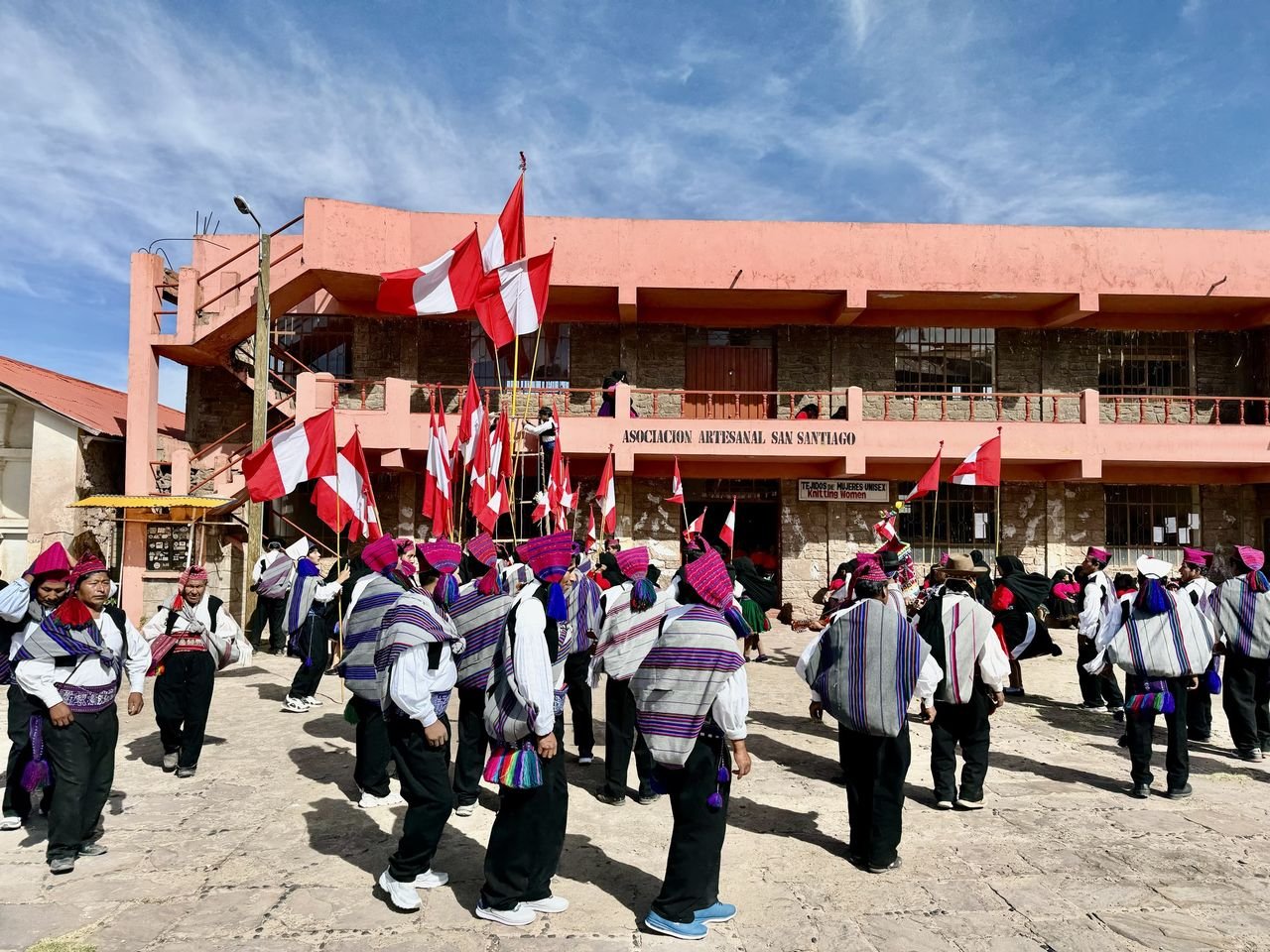
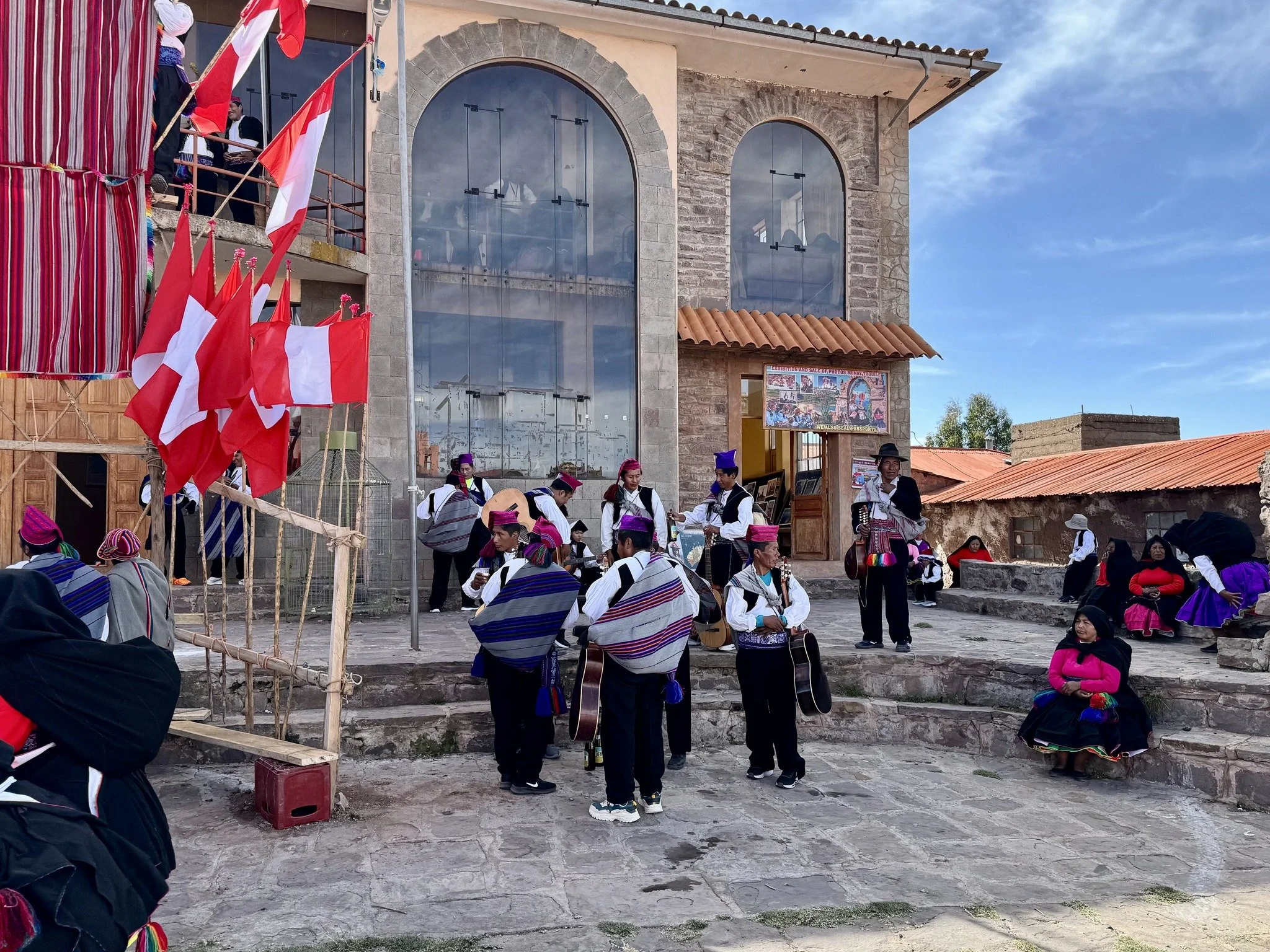
Our guide Salvador, who always gives us options, invited anyone who wanted to climb the hill to the top could join him, or we could go back down to the waters edge with our local guide Bross and wait there for the ferry to return us to Puno. I chose to follow him slowly up to the top of the village main square (or plaza) where to our surprise there was some unexpected flag-waiving and colorful religious festivities.

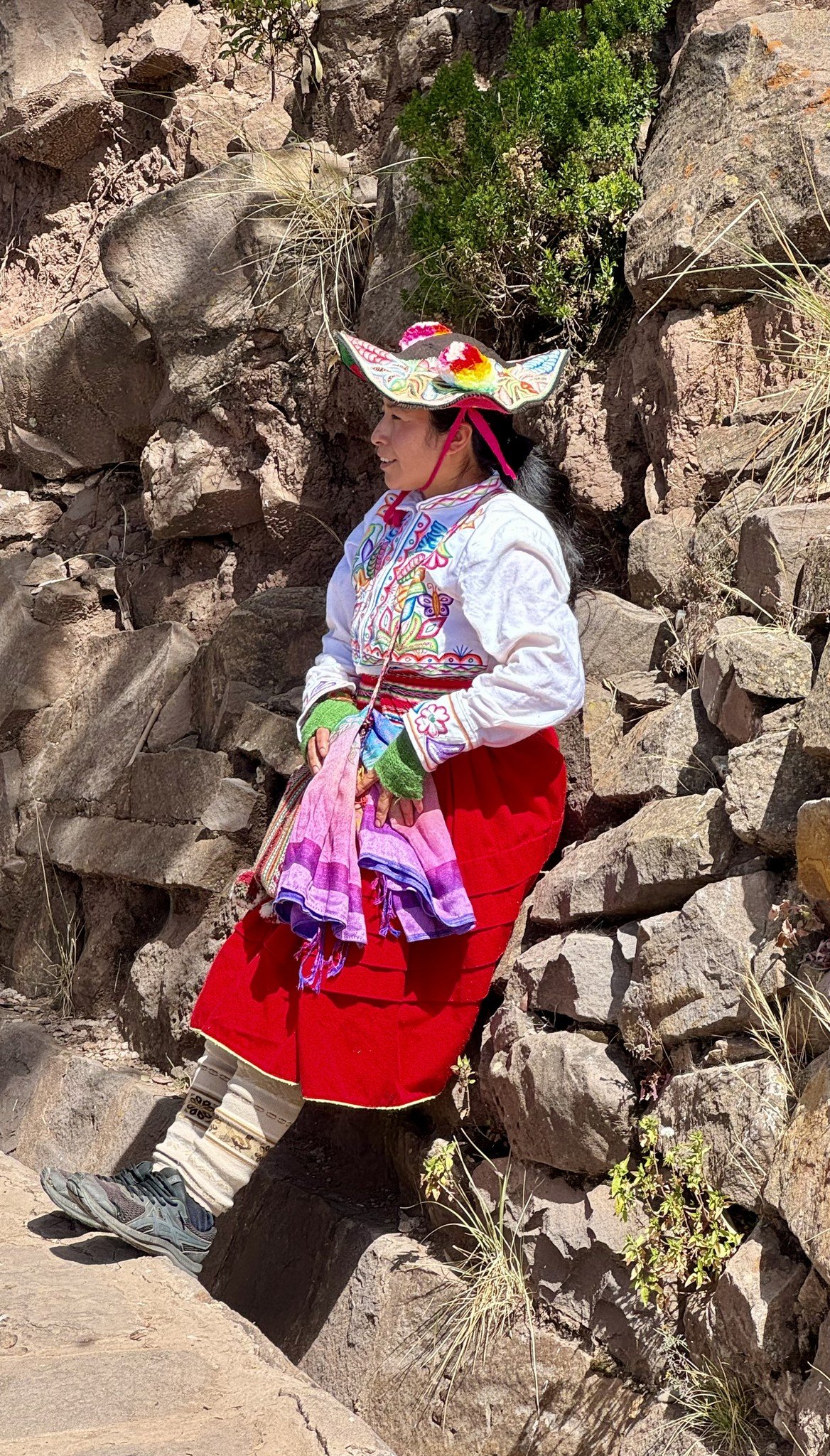
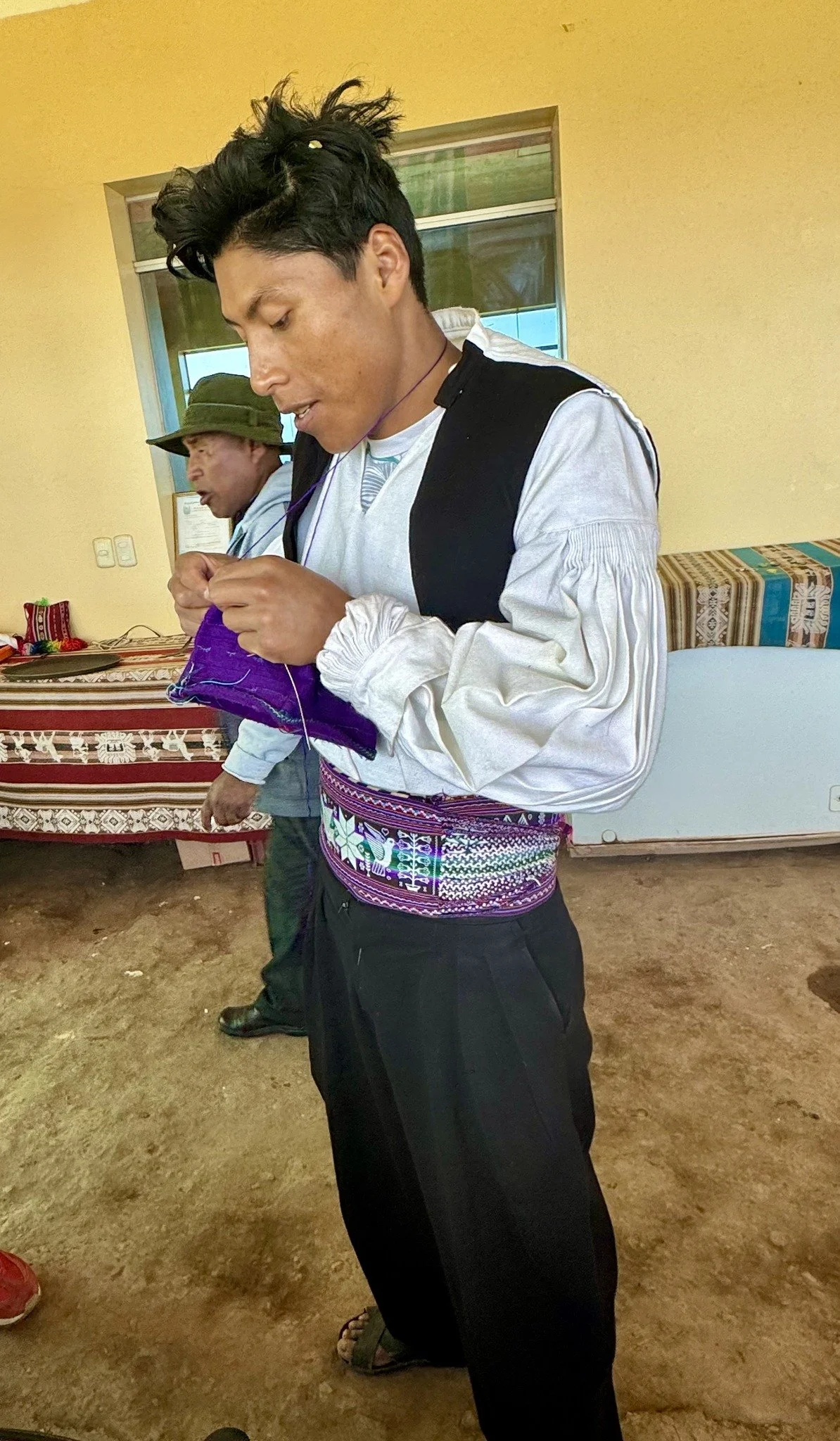
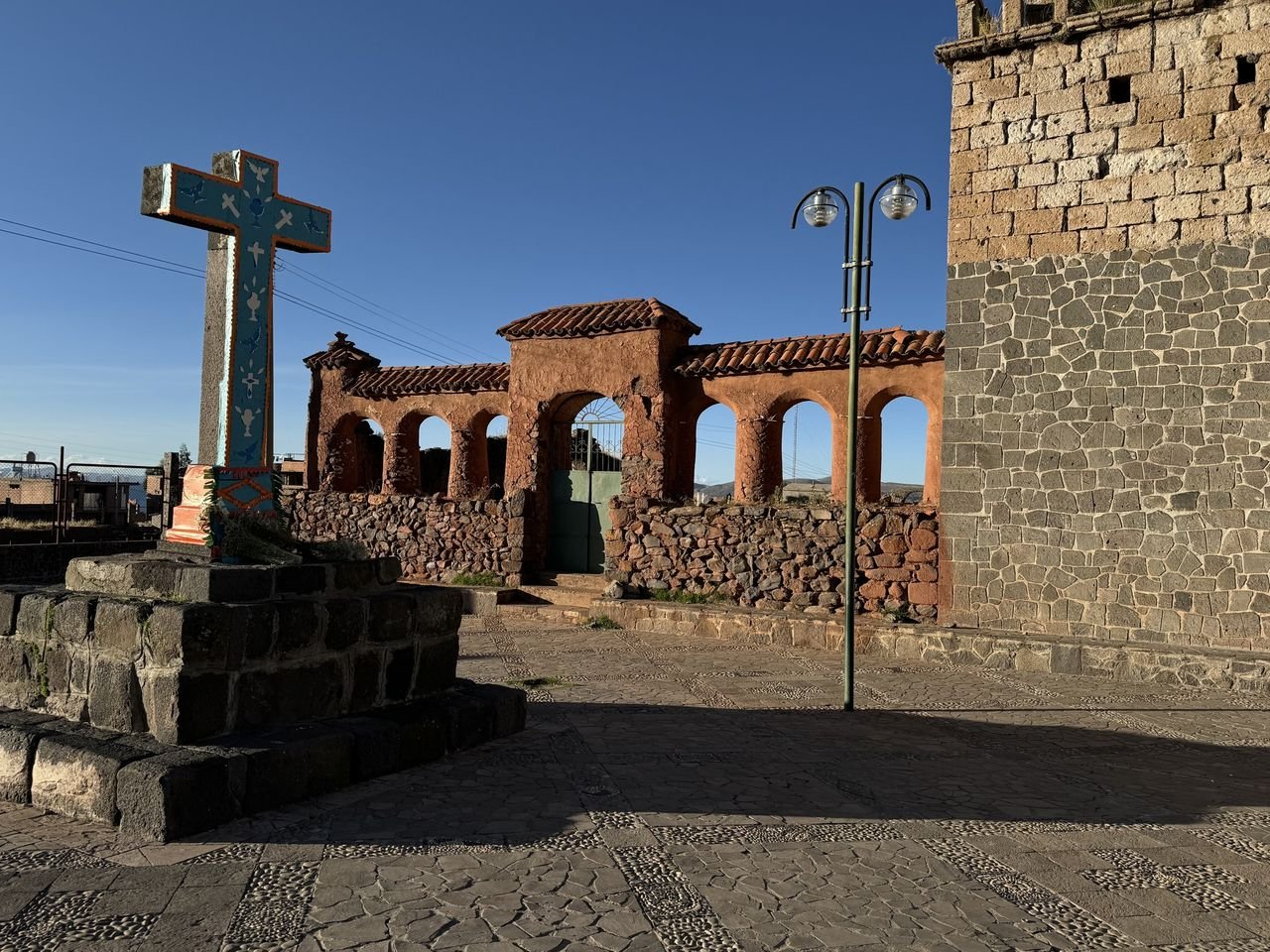
Situated on the Peruvian side of Lake Titicaca, the island’s secluded location has allowed locals to continue their traditions without too much Western influence. Islanders numbering around 2,200, continued their generations-old-traditions of farming and fishing. This island was one of the last locations to fall to the Spanish during their conquest of Peru. Its stunning view of the lake, rich mountain landscapes, and colorful and stunning weaving traditions is a big draw for 40,000 plus tourists who visit annually. Even our guides love to come here to escape the busy streets of Lima city. It’s very common to see men knitting at breakneck speed, like our waiter (photo) who served us at the family-owned restaurant on the island before we made our ascent.

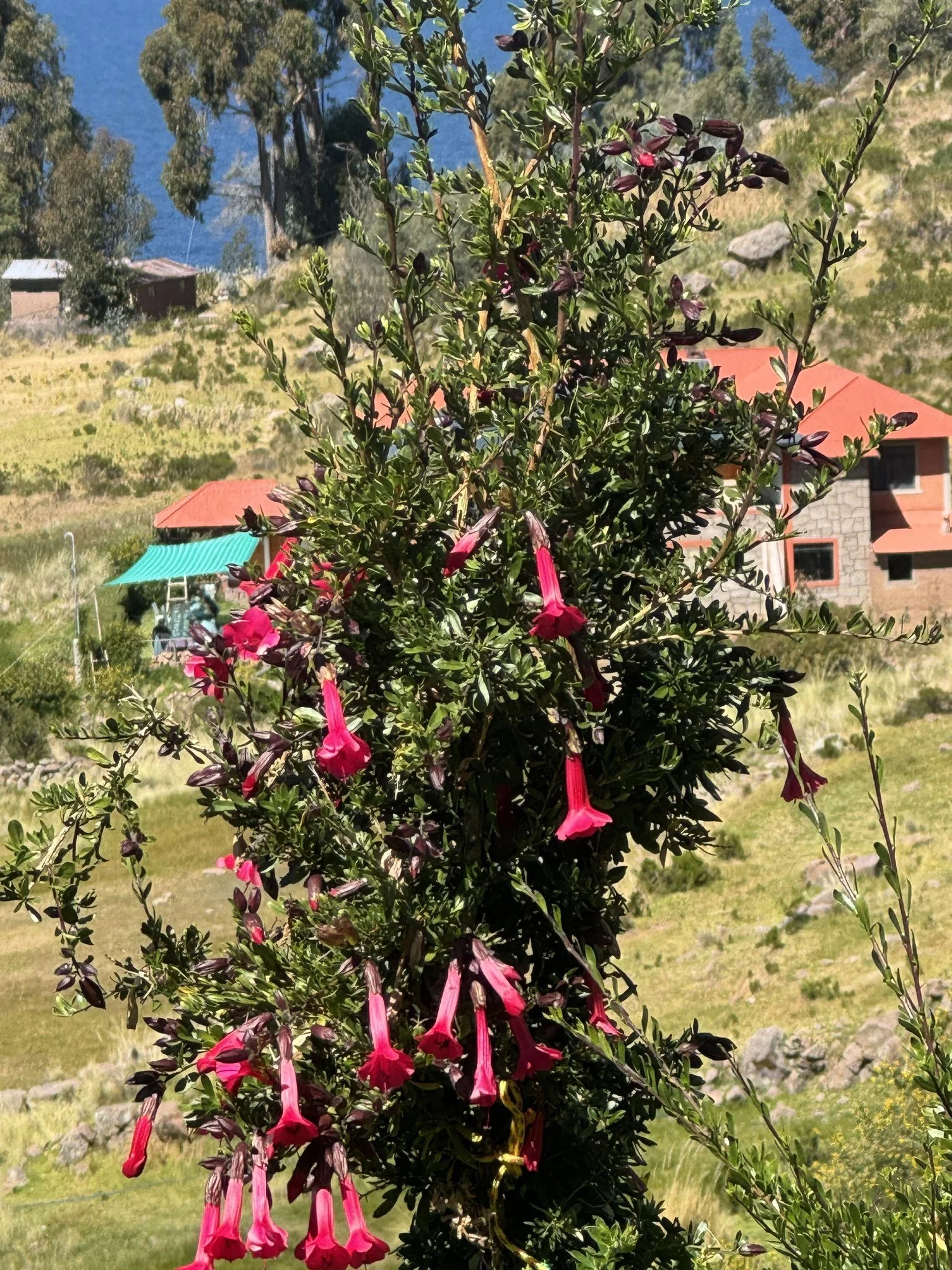
The tubular shape and bold read Cantutas (photo), in Taquile Island, is the national flower of Peru and nearby Bolivia. It is not only admired for its beauty but revered in the indigenous Andean cultures. During the Inca Empire, the Cantuta Flower was used as a symbol of identity and unification of the Inca people. The Incas planted this flower in their gardens and used it in their

religious ceremonies and festivals.

UNESCO recognized Taquile and its Textile Art as “Masterpieces of the Oral and intangible Heritage of Humanity” in 2005.
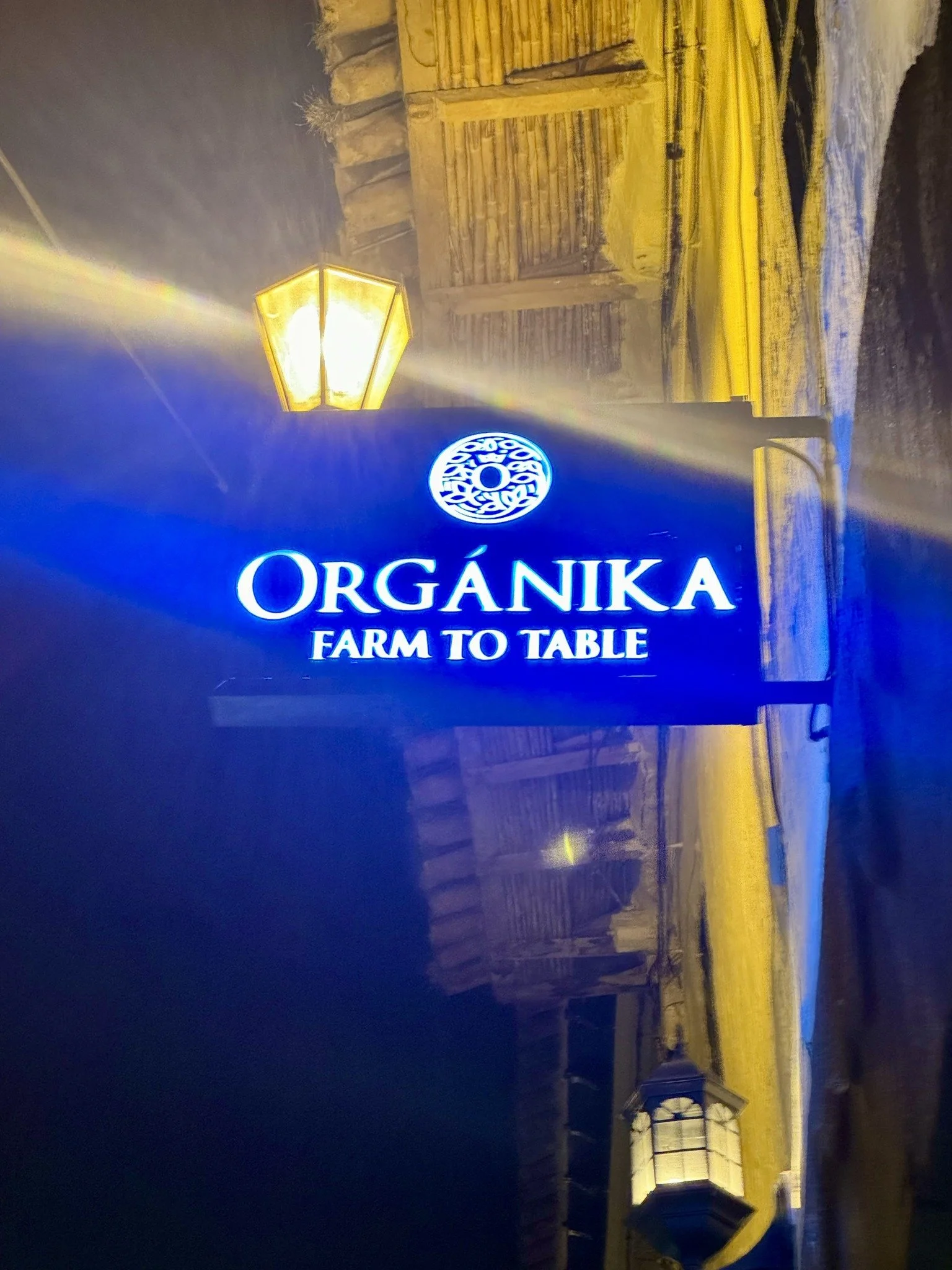
Dinner with Jason at Organika Farm-to Table Restaurant in the Ancient Inca CIty of Cusco

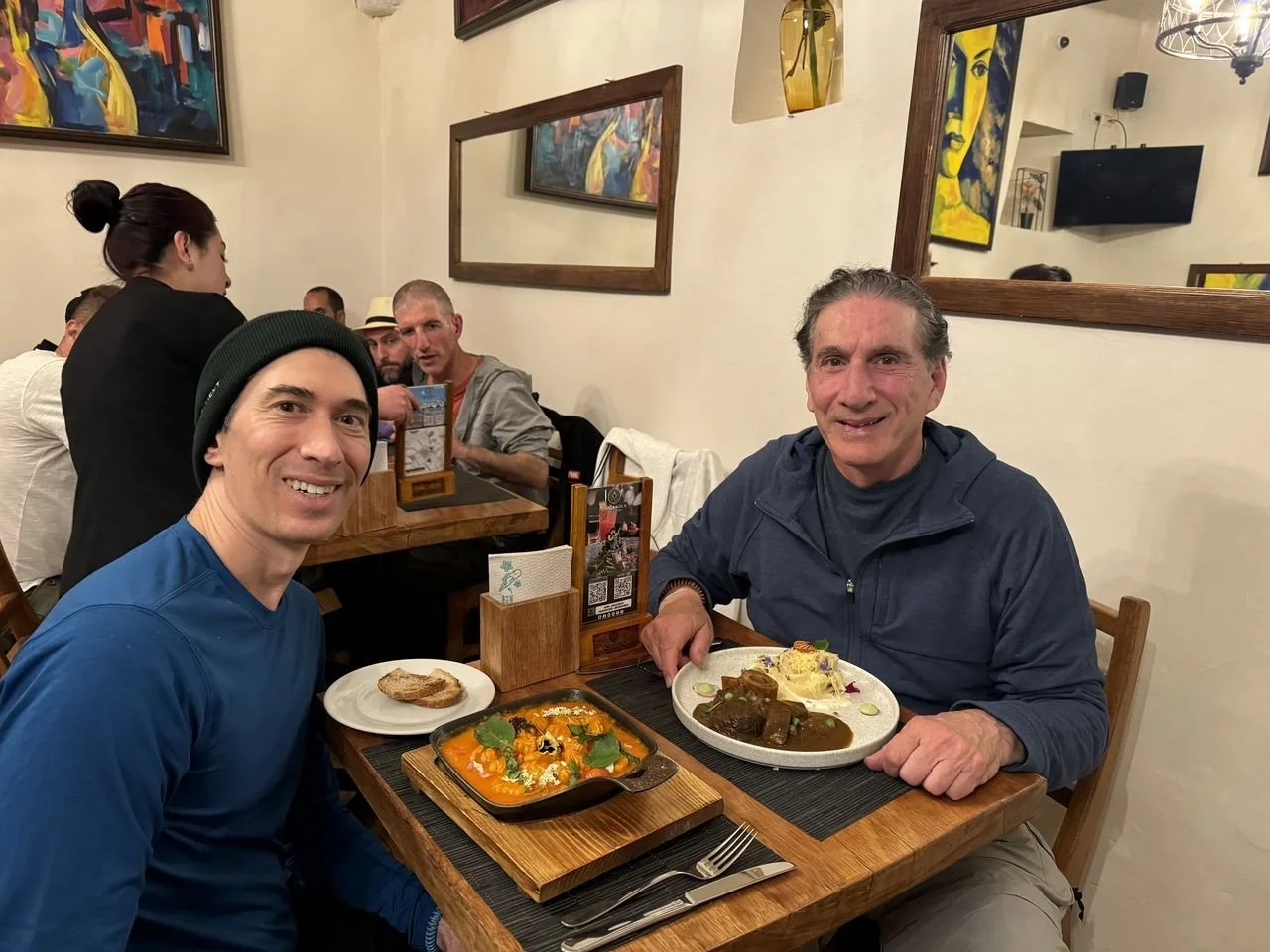
After experiencing the rich culture, the incomparable beauty of this ancient Inca city nestled in the Peruvian Andes, we were also exploring mouthwatering food. Jason and I decided to have dinner on our own and I left it up to him to choose where we should eat and he chose well and wisely. We went to Organika, a friendly and lively farm to table restaurant that offers authentic Peruvian cuisine.

Judging by the conversations in the full and busy dining room, it appeared to be a favorite of expats or English speaking tourists. The locals in Cusco are patient with foreigners because so many pass through here. Unlike Lima, Peruvians in Cusco speak at a slower pace. Dishes are thoughtfully presented and feature fresh ingredients prepared with produce from Urumbamba-based farm in the Sacred Valley.Main courses range from $12-15.

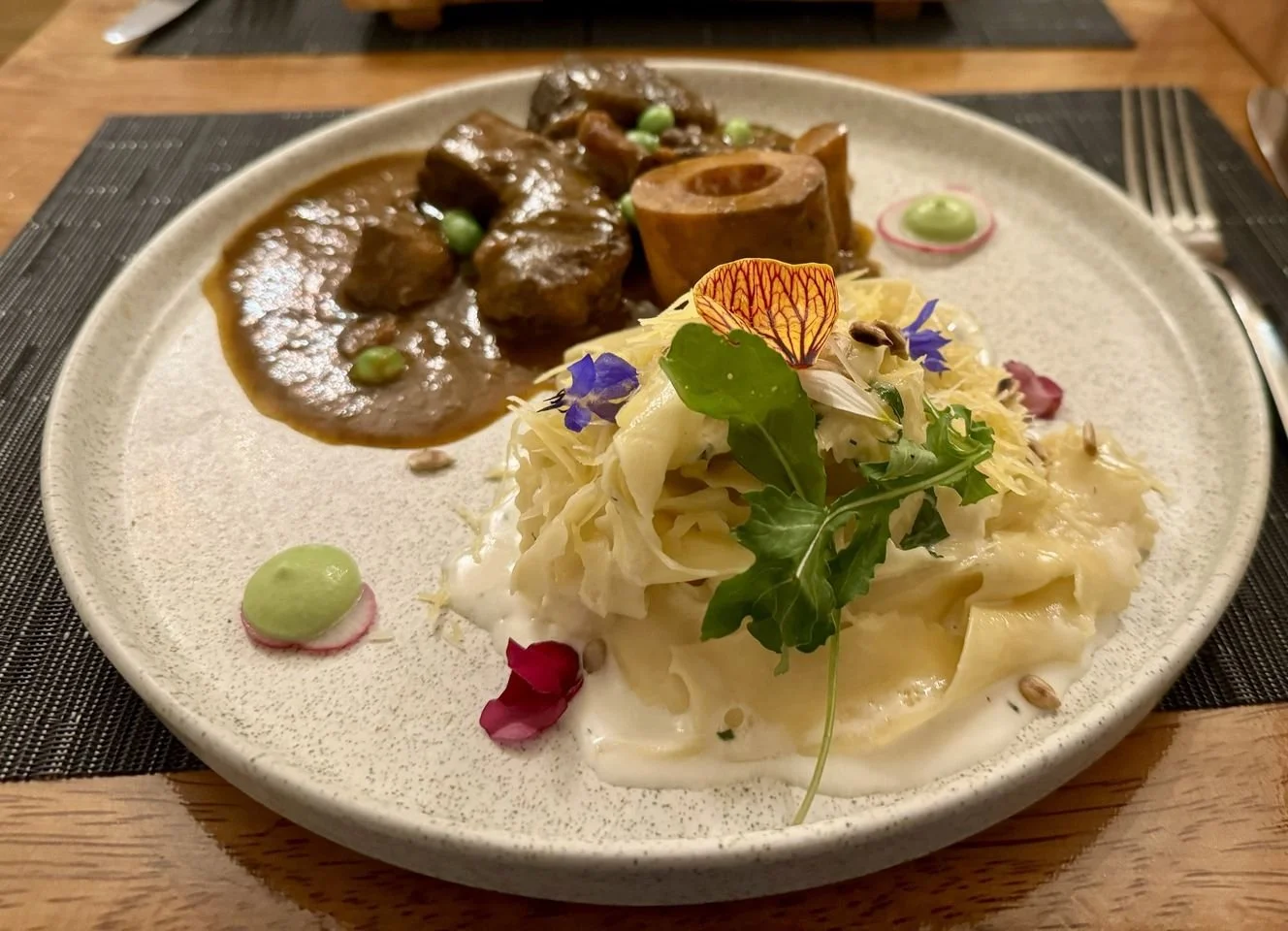
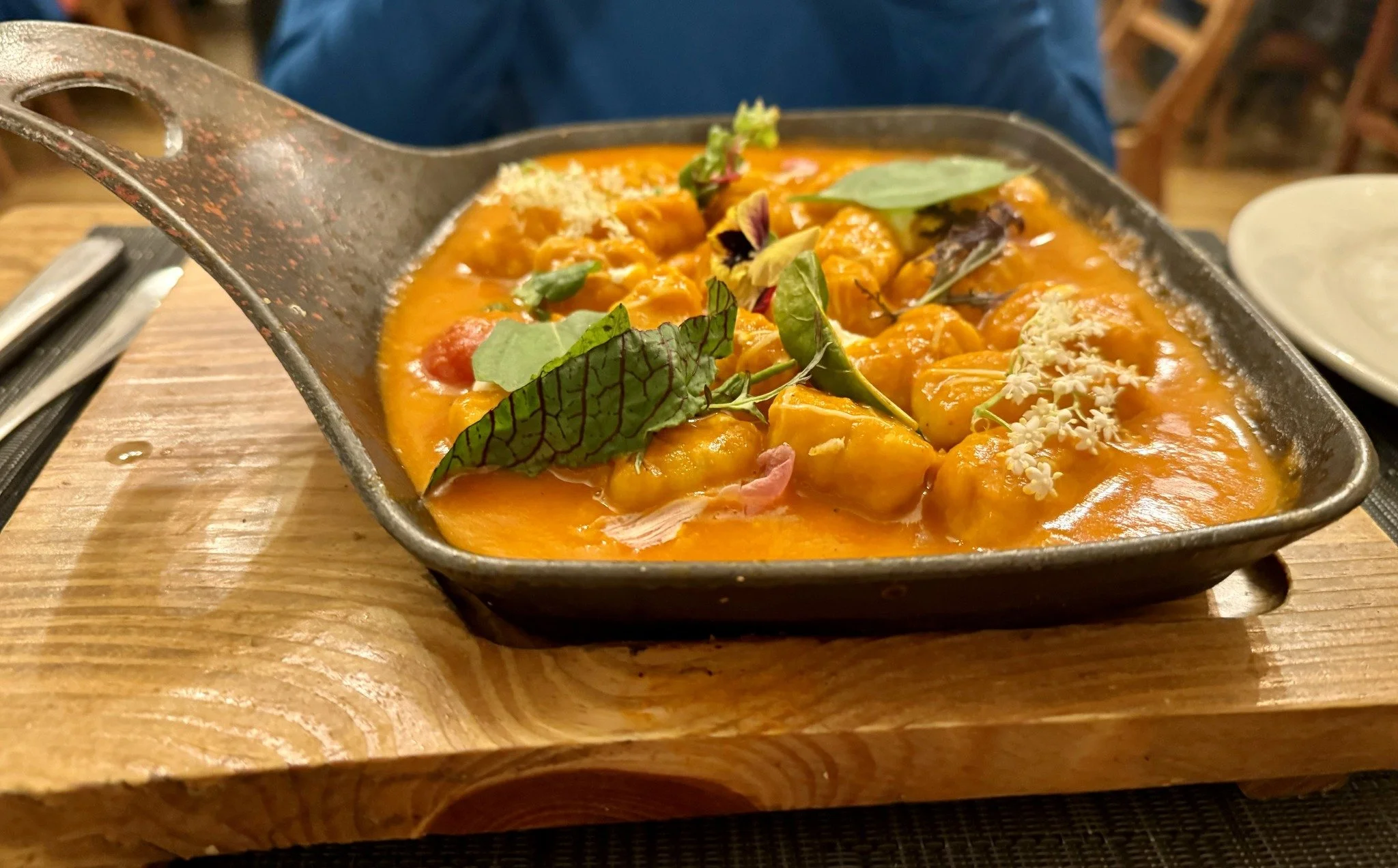
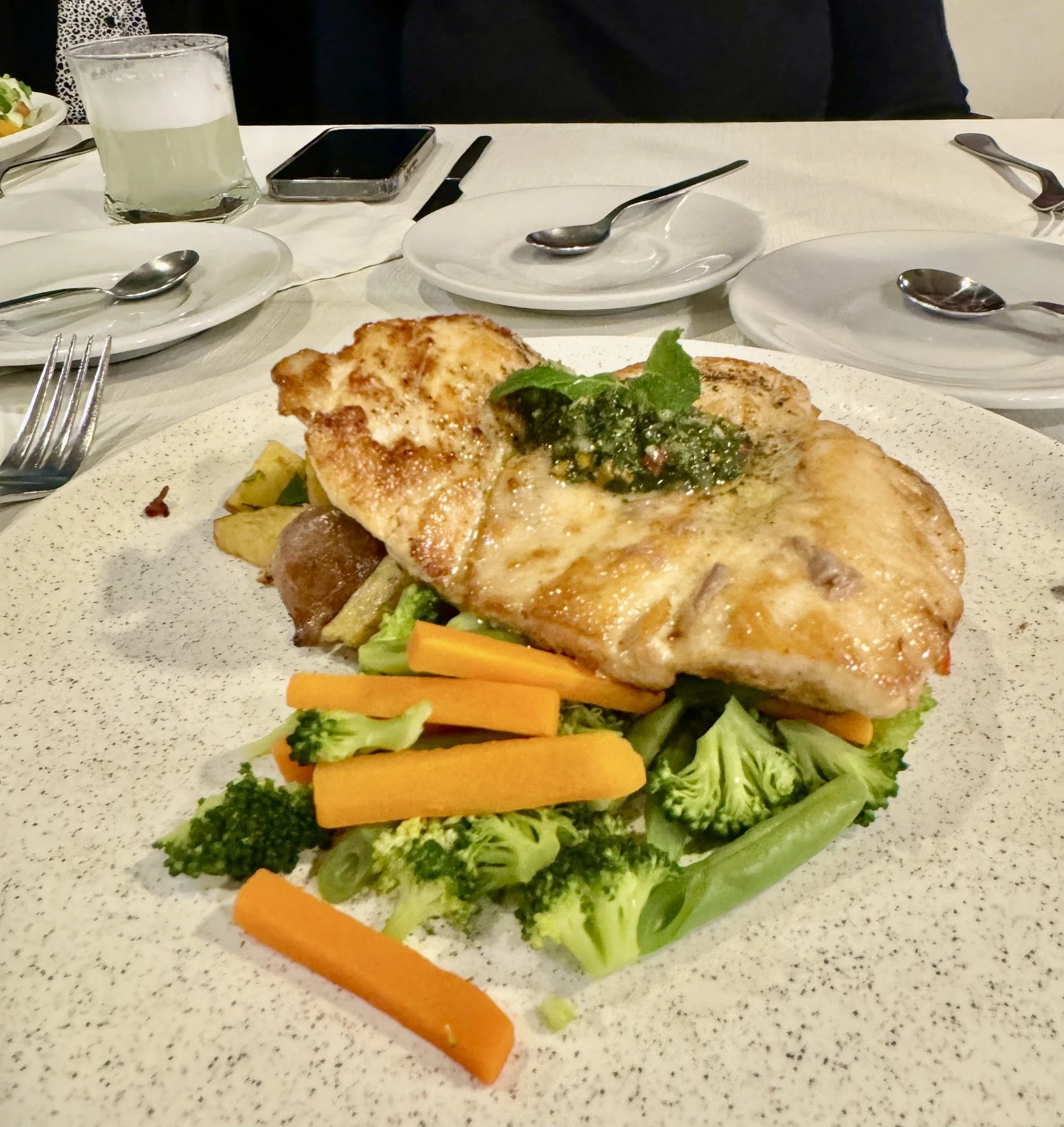
Jason had Quinoa soup and Homemade gnocchi with tomato reduction sauce, served with goat cheese and basil leaves. I had the Purple Cabbage cream soup in red wine and a tender, slow-cooked Osobuco with fine herbs in white sauce with sunflower seeds, basil, radish and homemade fava beans, for my entree.

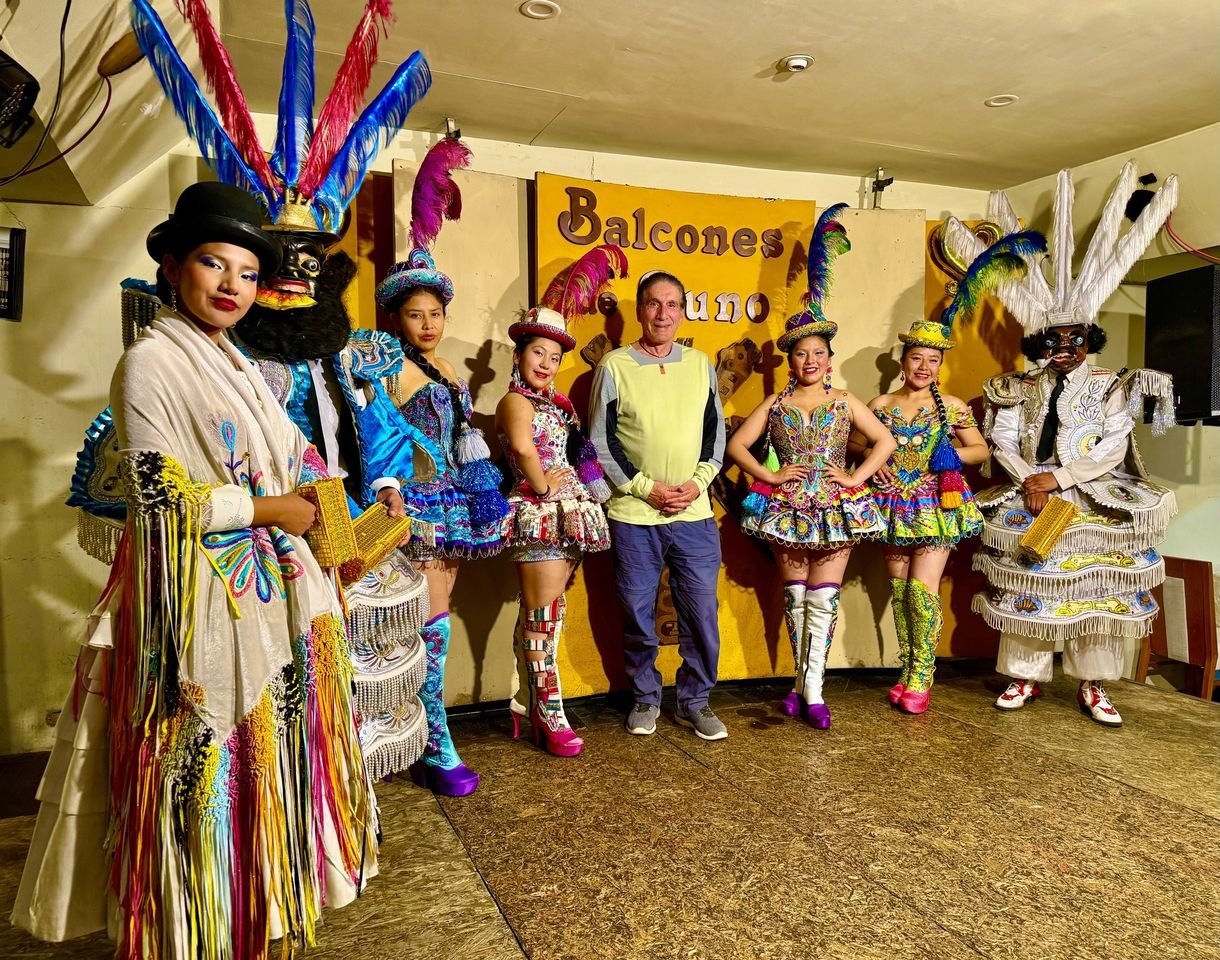
Elegant & Jaw-Dropping "Balcones de Puno" Dinner Show & Birthday Celebration of our Guide

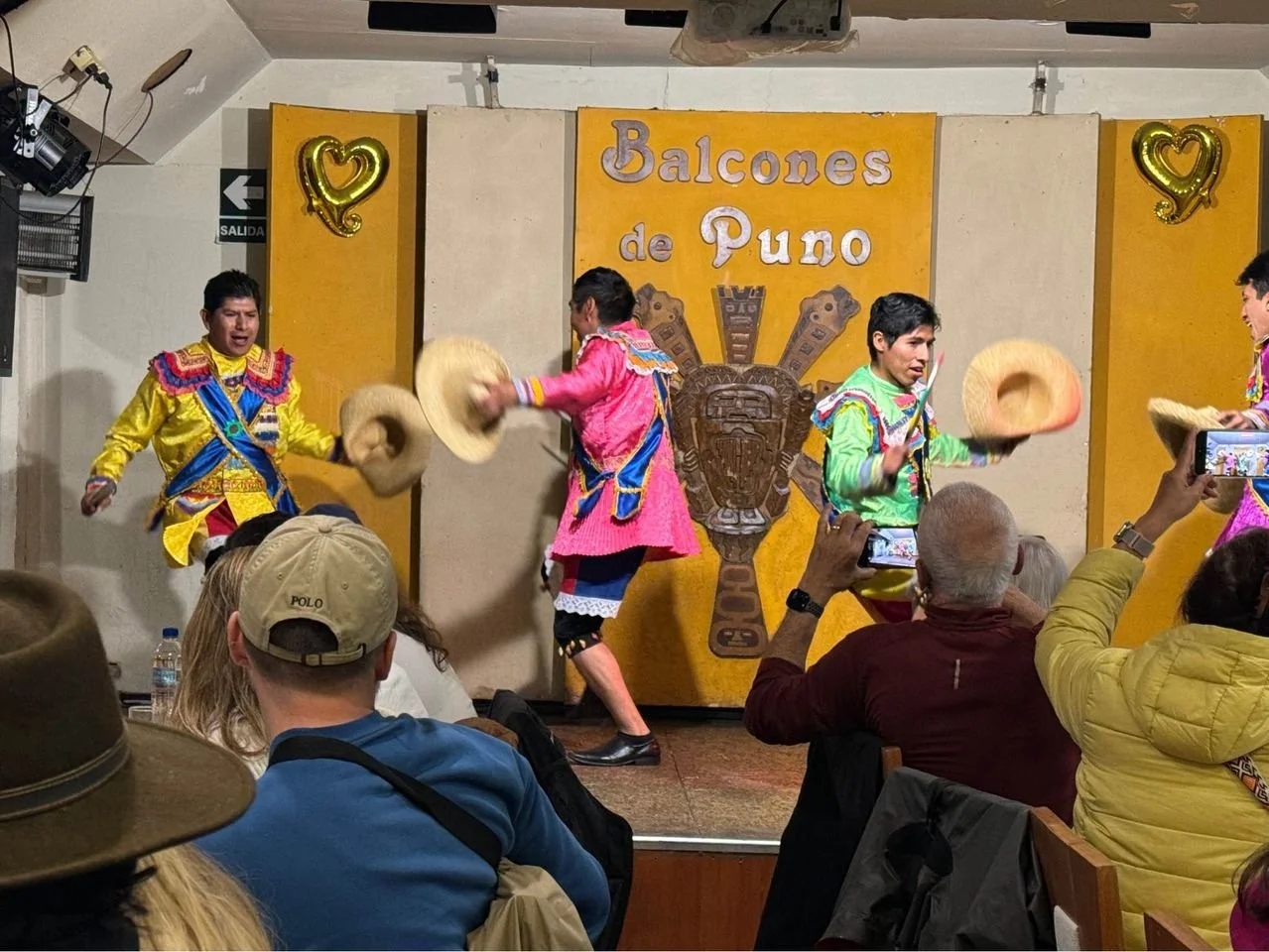
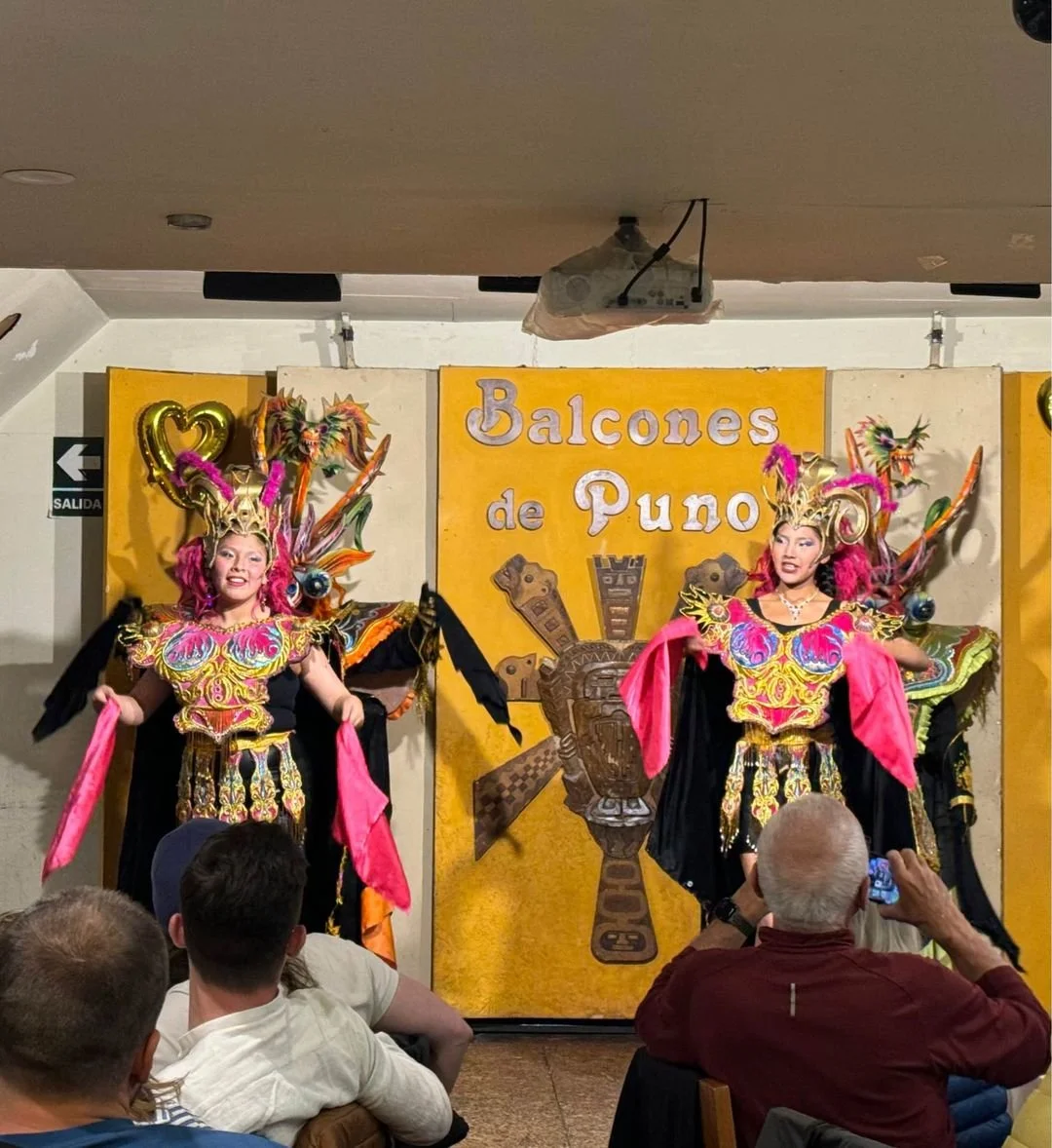
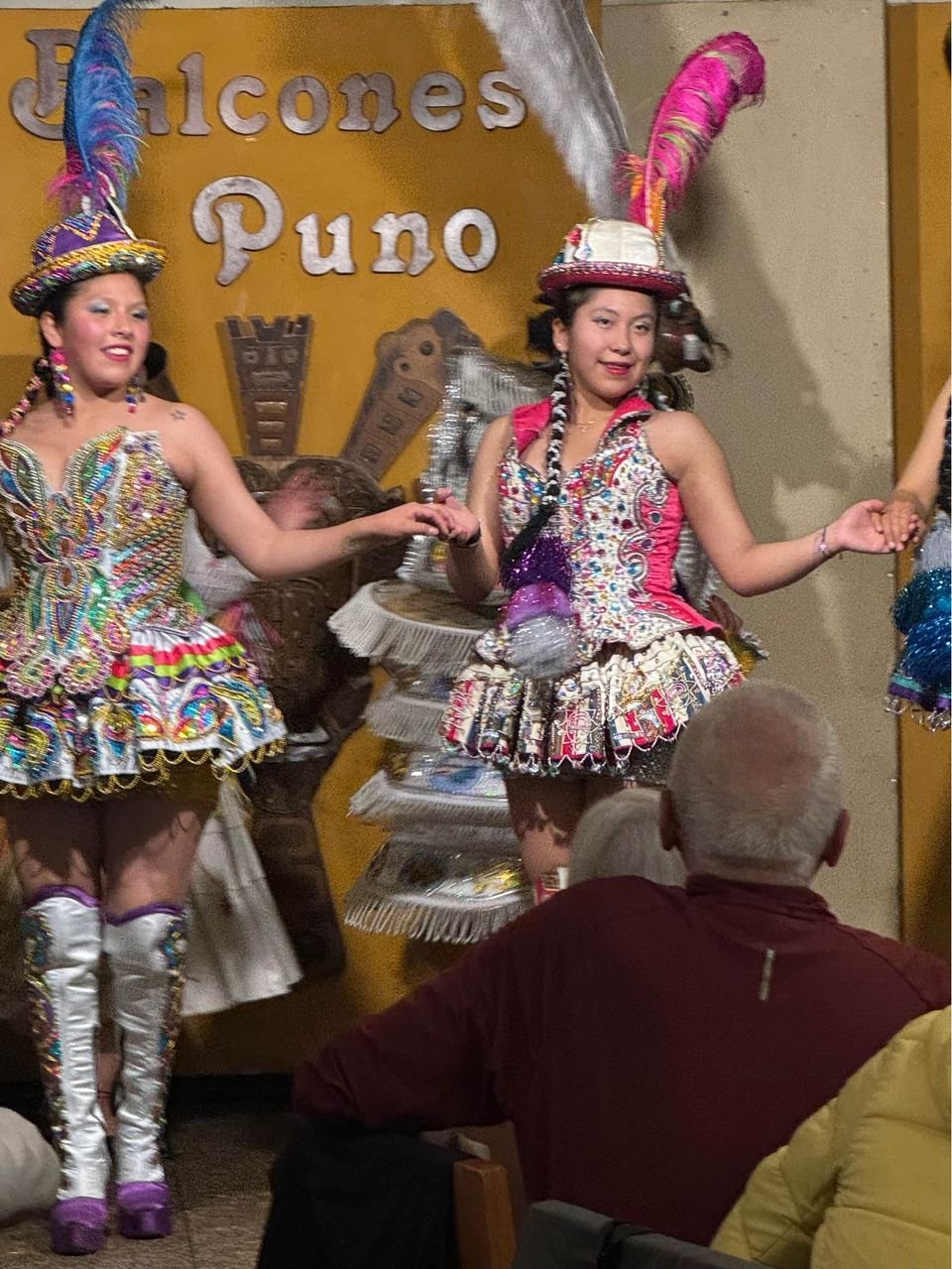
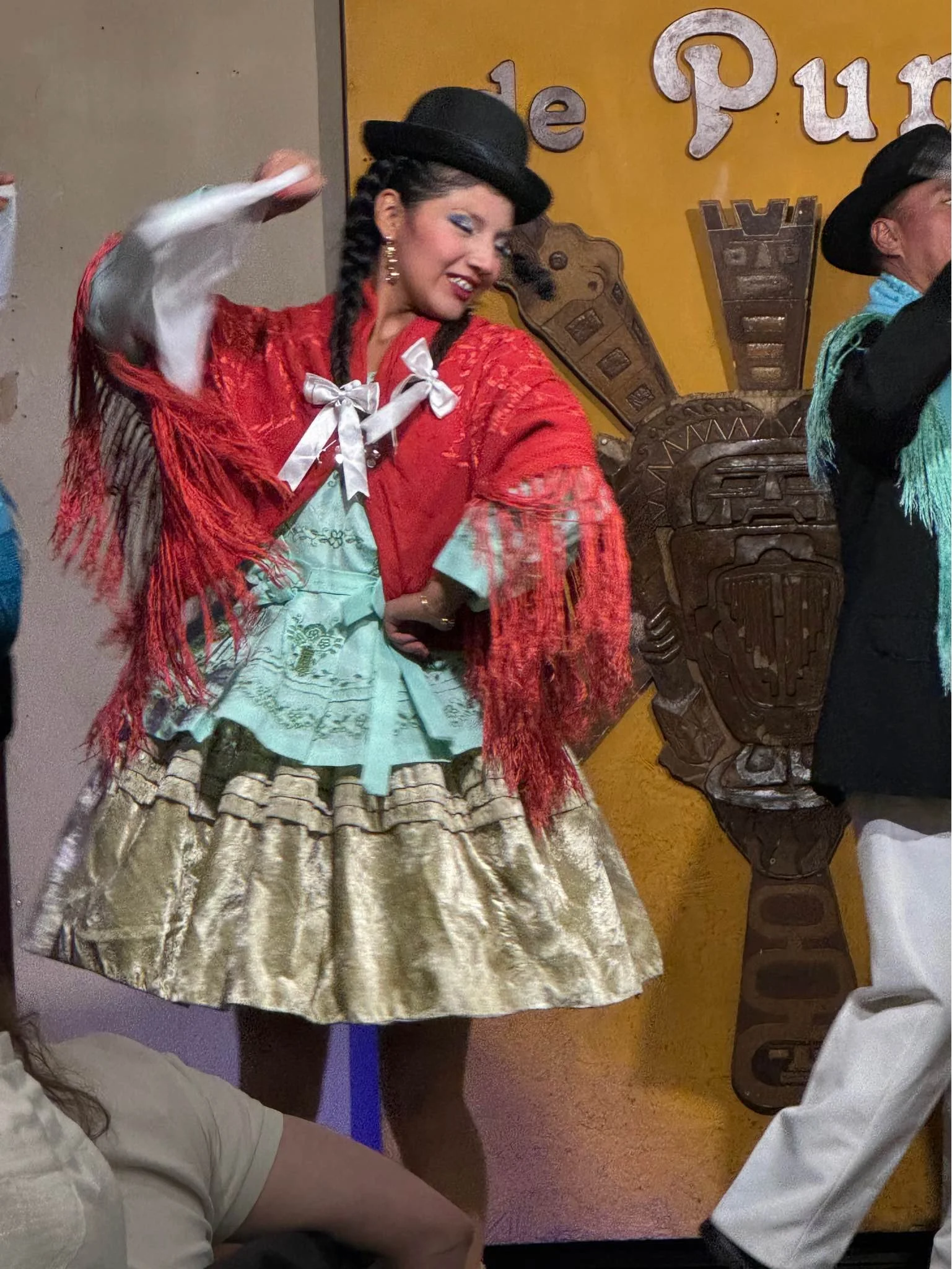
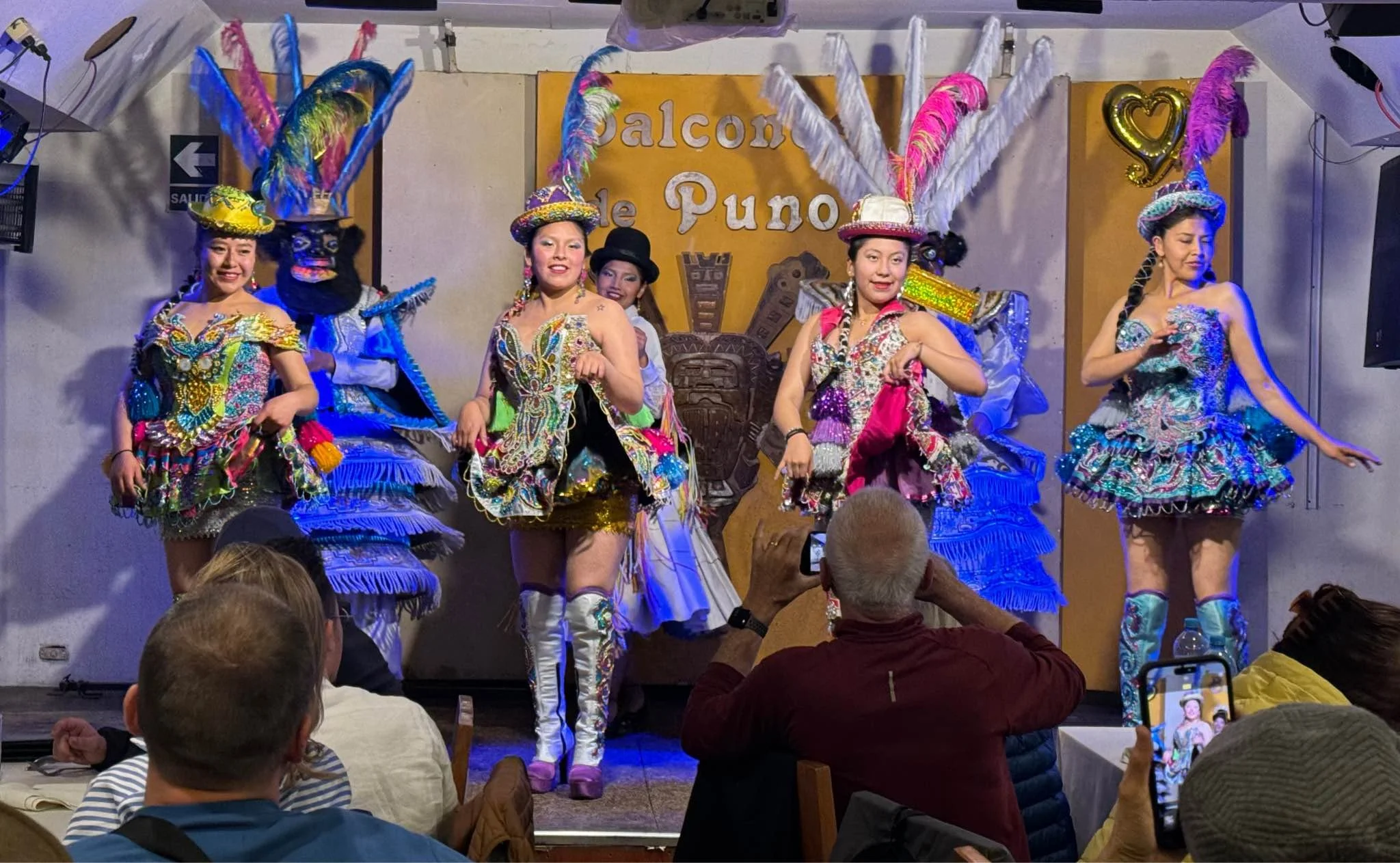
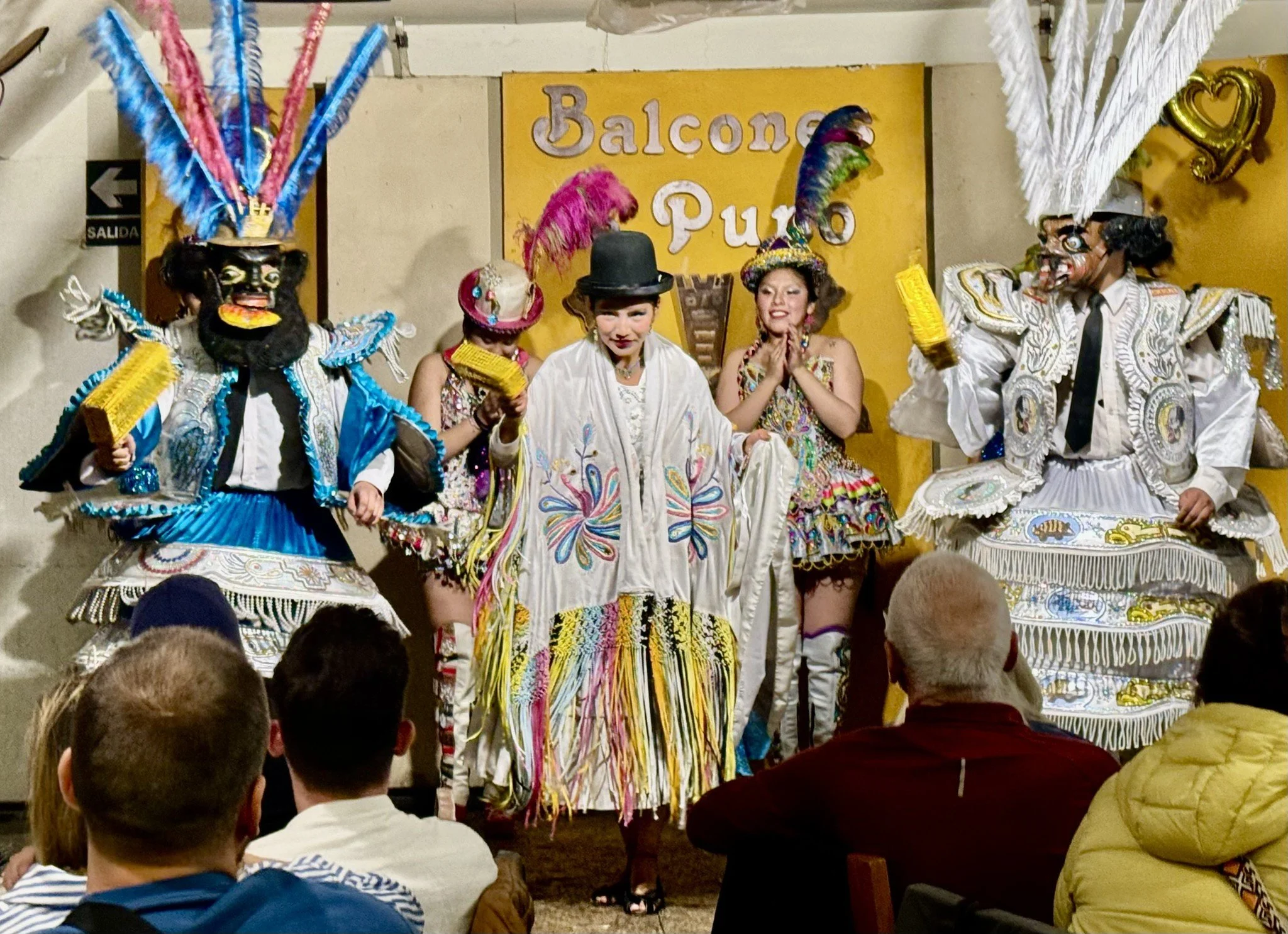
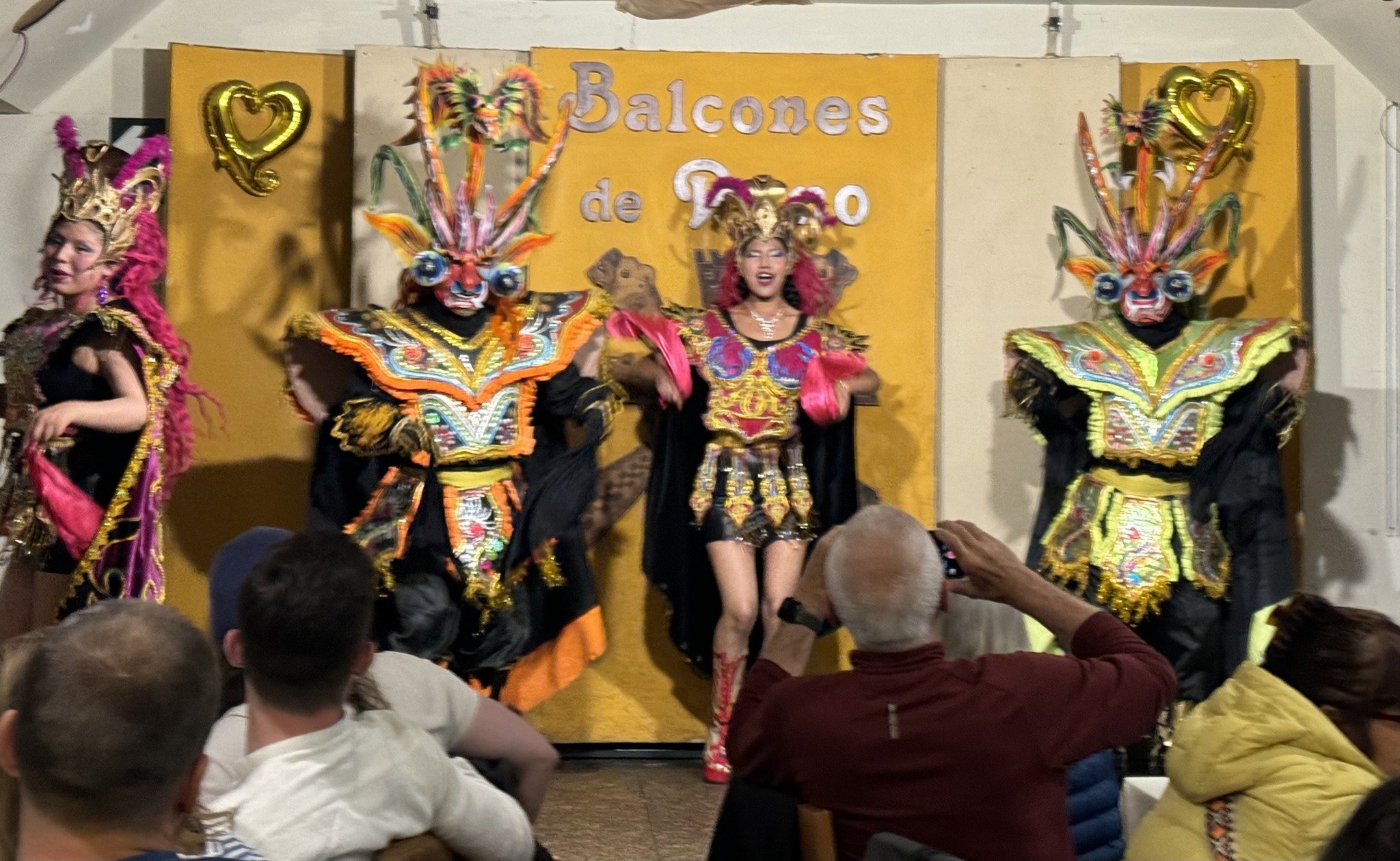
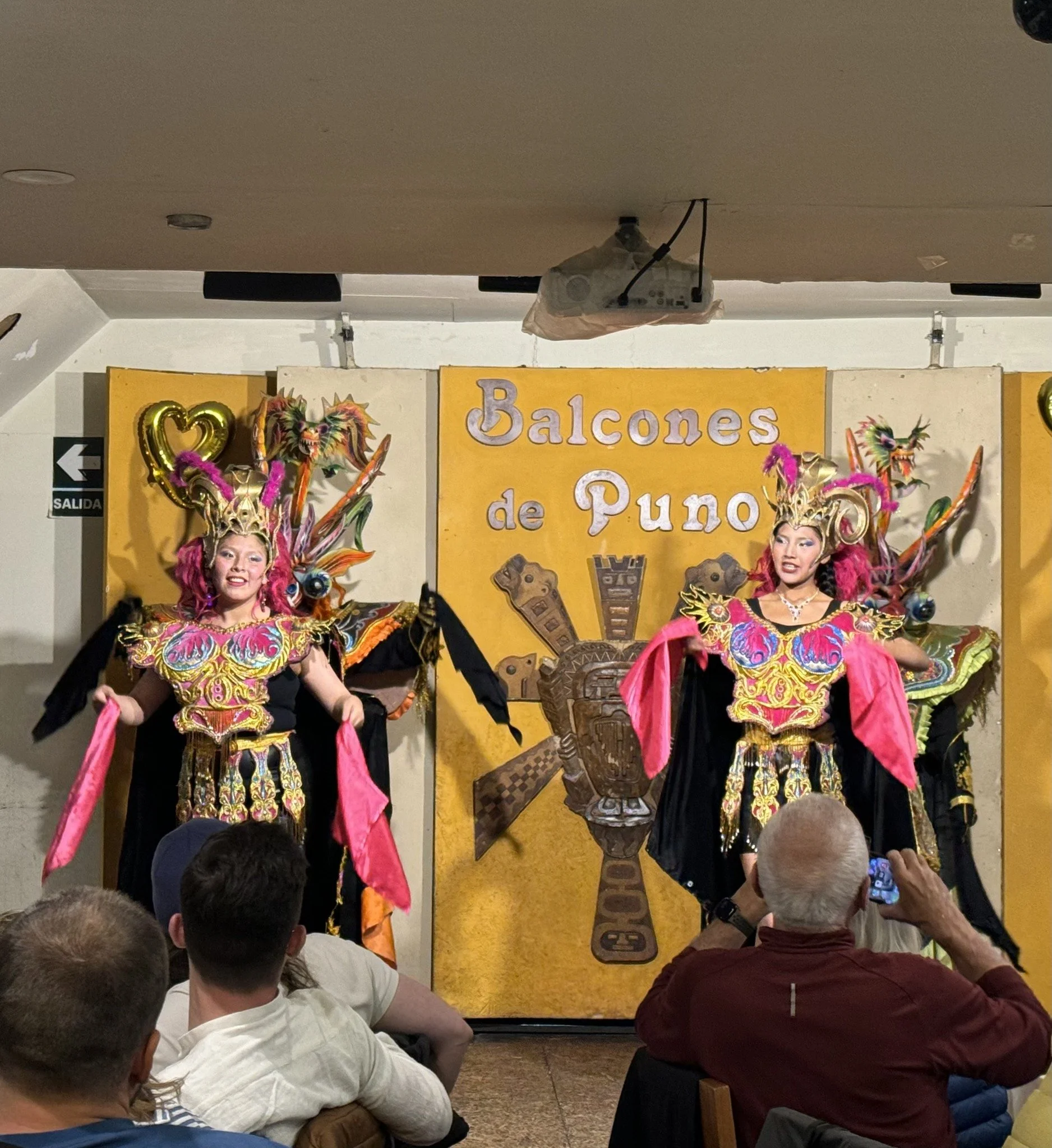
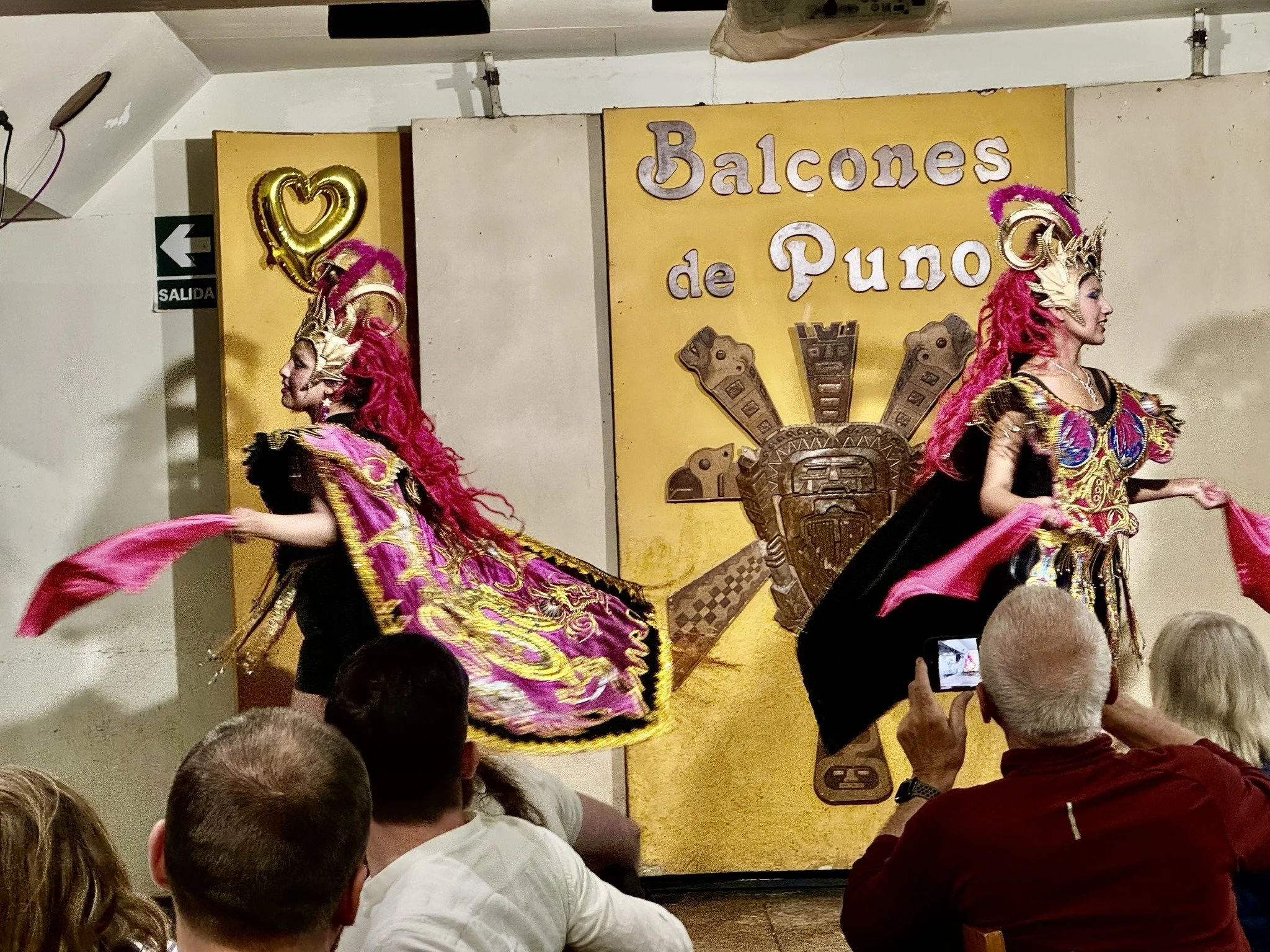
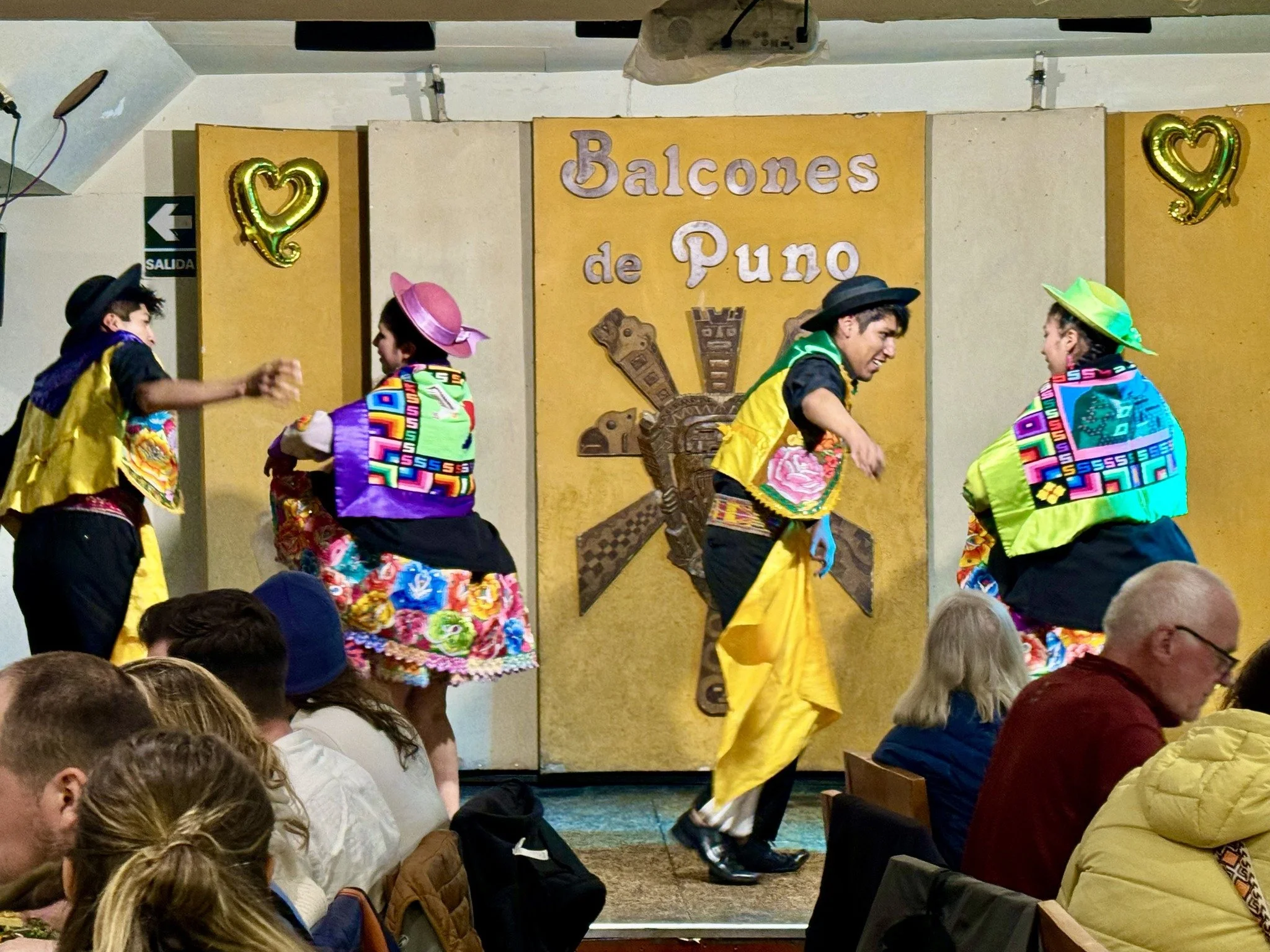
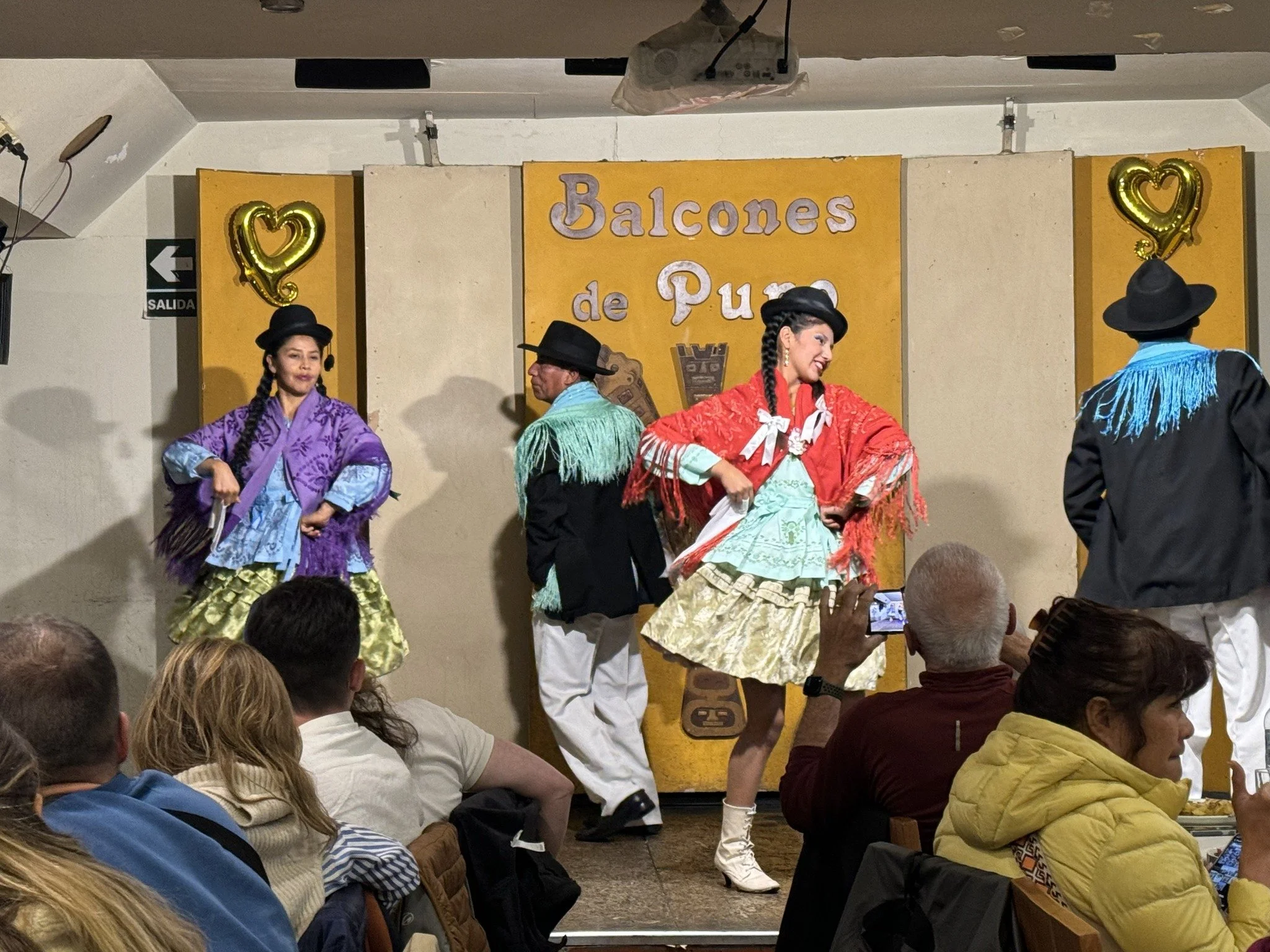
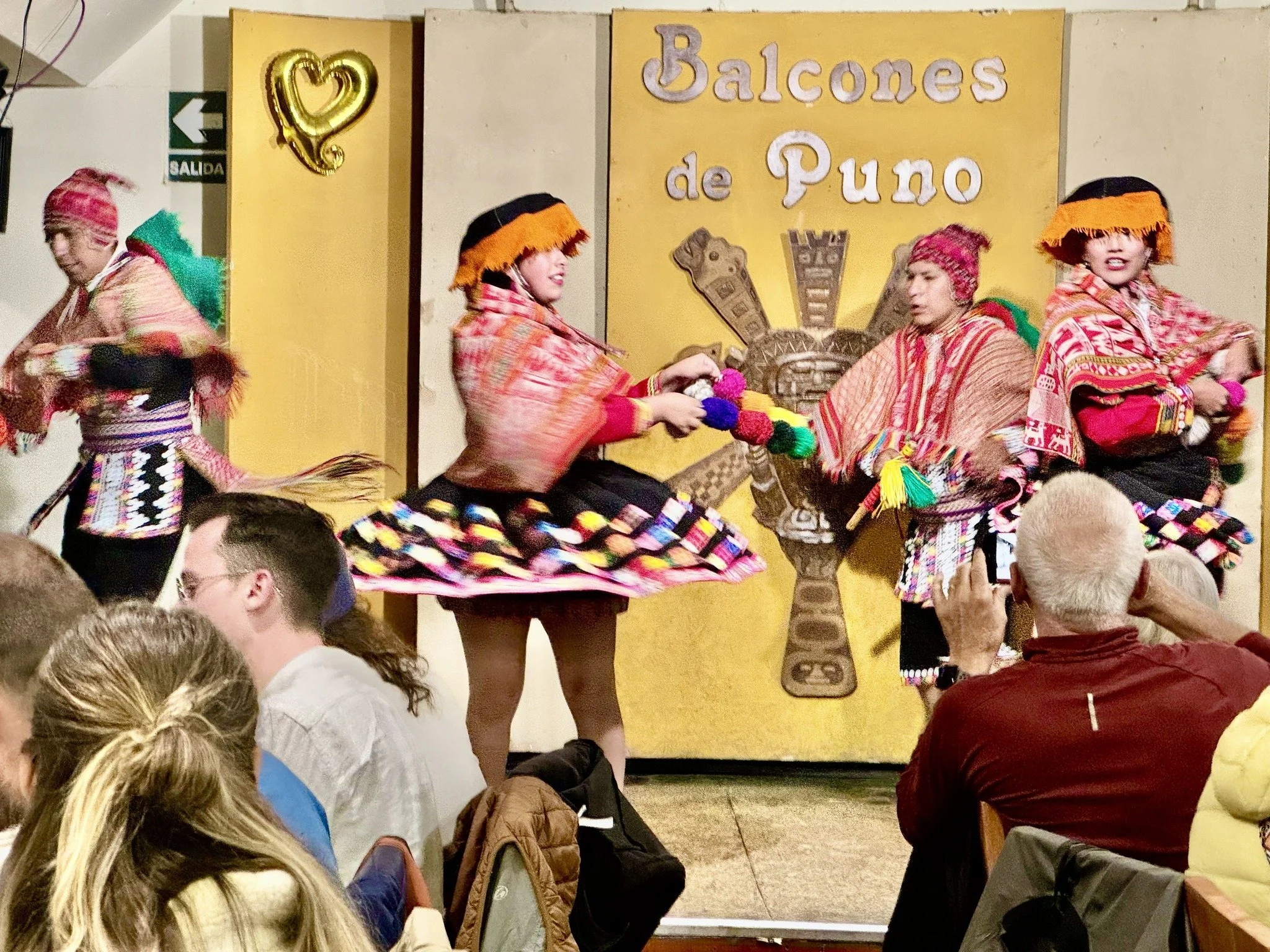
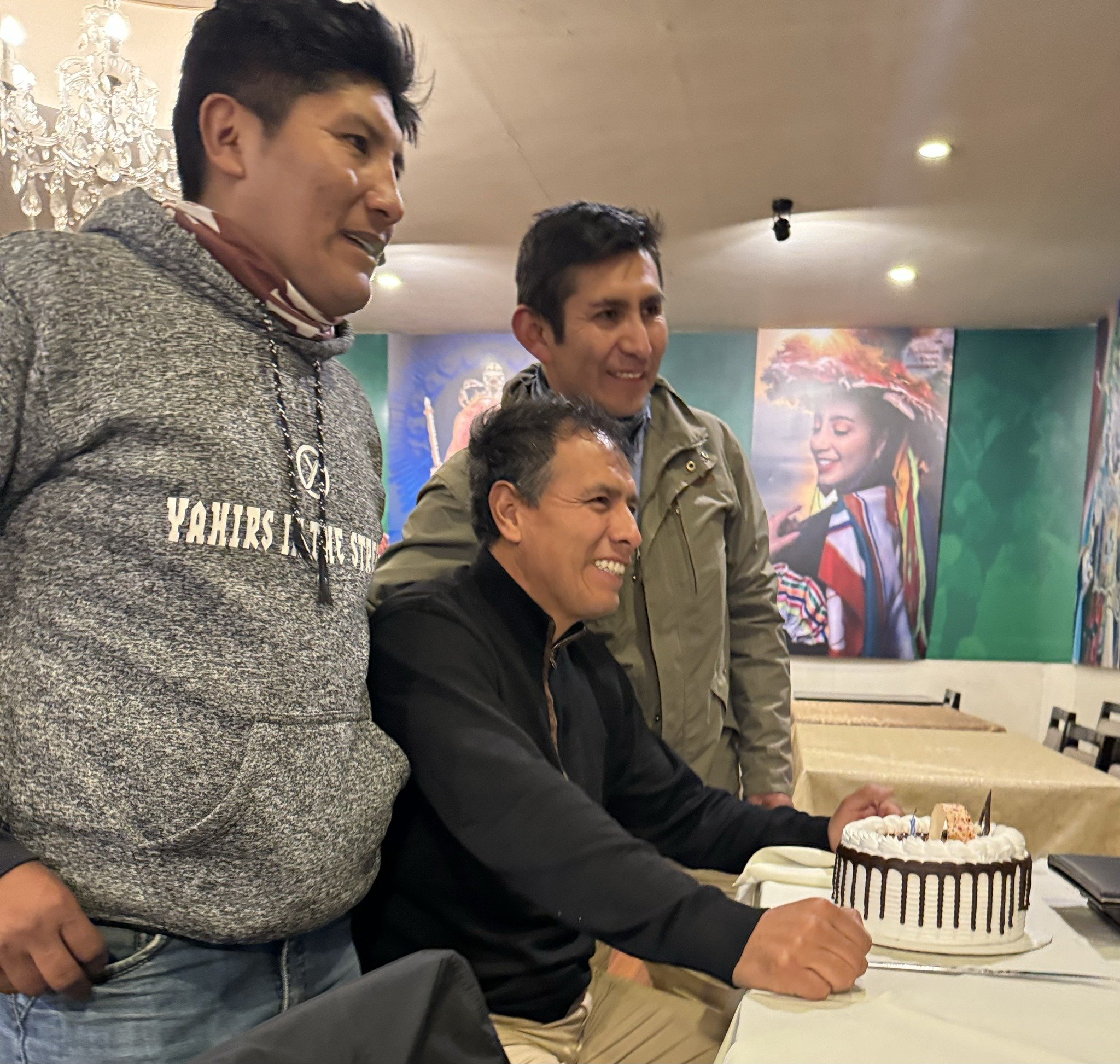
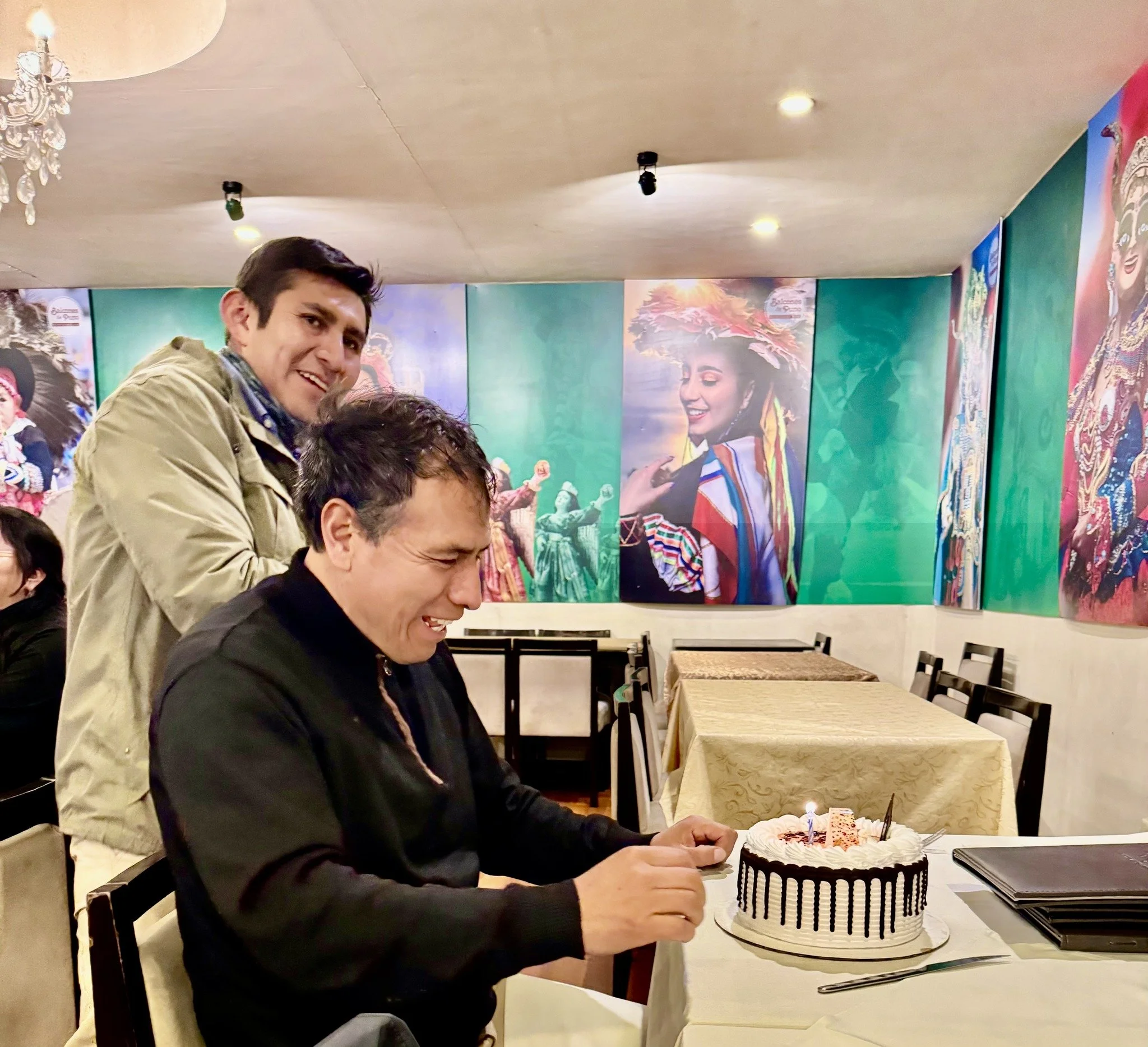
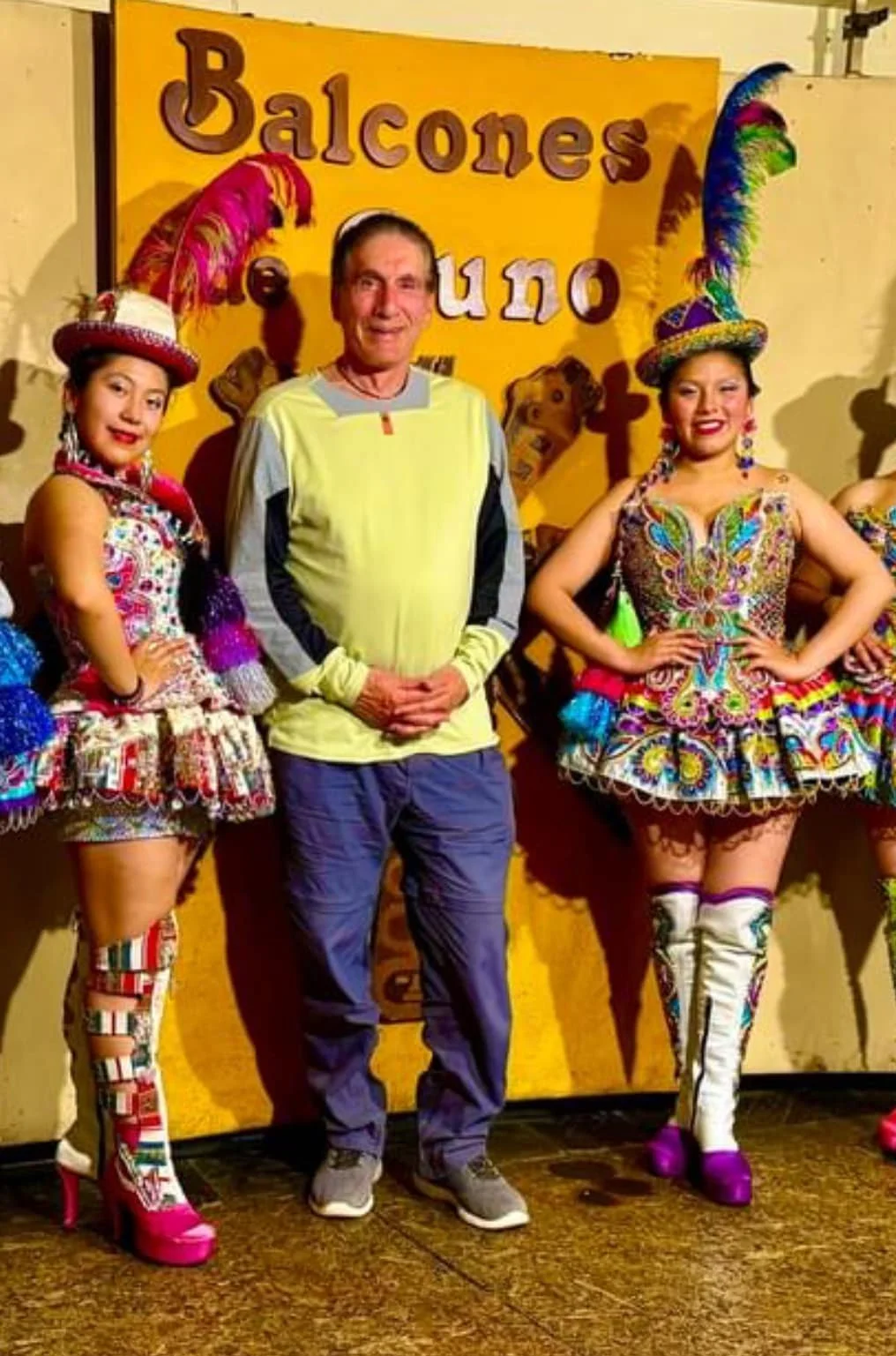
Before the colorful show, a birthday cake was brought out by friends and associates of our professional Overseas Adventure Travel guide, Salvador Torres. The dinner show showcased by singers and dancers that previewed traditional Peruvian music and dances. The costumes were worthy of anything seen at a Las Vegas performance. The show had us hooked from start to finish. The food presentation was equally wonderful. The dancers and band do not get paid and depend on the generosity of its patrons and we gladly contributed to the hat that was passed around. The show was conveniently located off of Ave Lima (tourist district) and the performances did not disappoint. After the show members of the audience were welcomed to come up to the stage and have your picture taken with the performers.

Boat Ride Across Lake Titicaca & Visiting the Uros Indians On Their Floating Islands

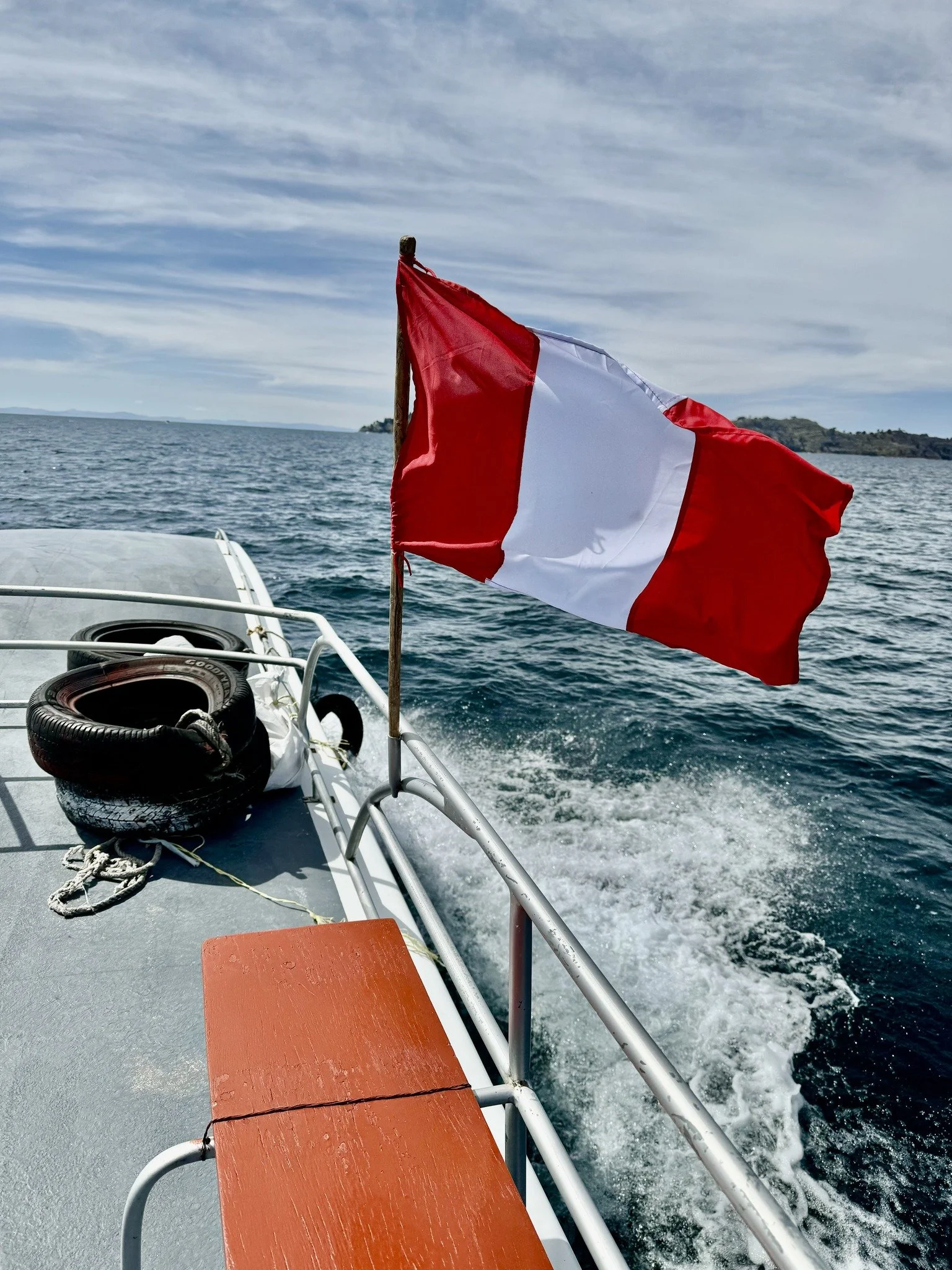
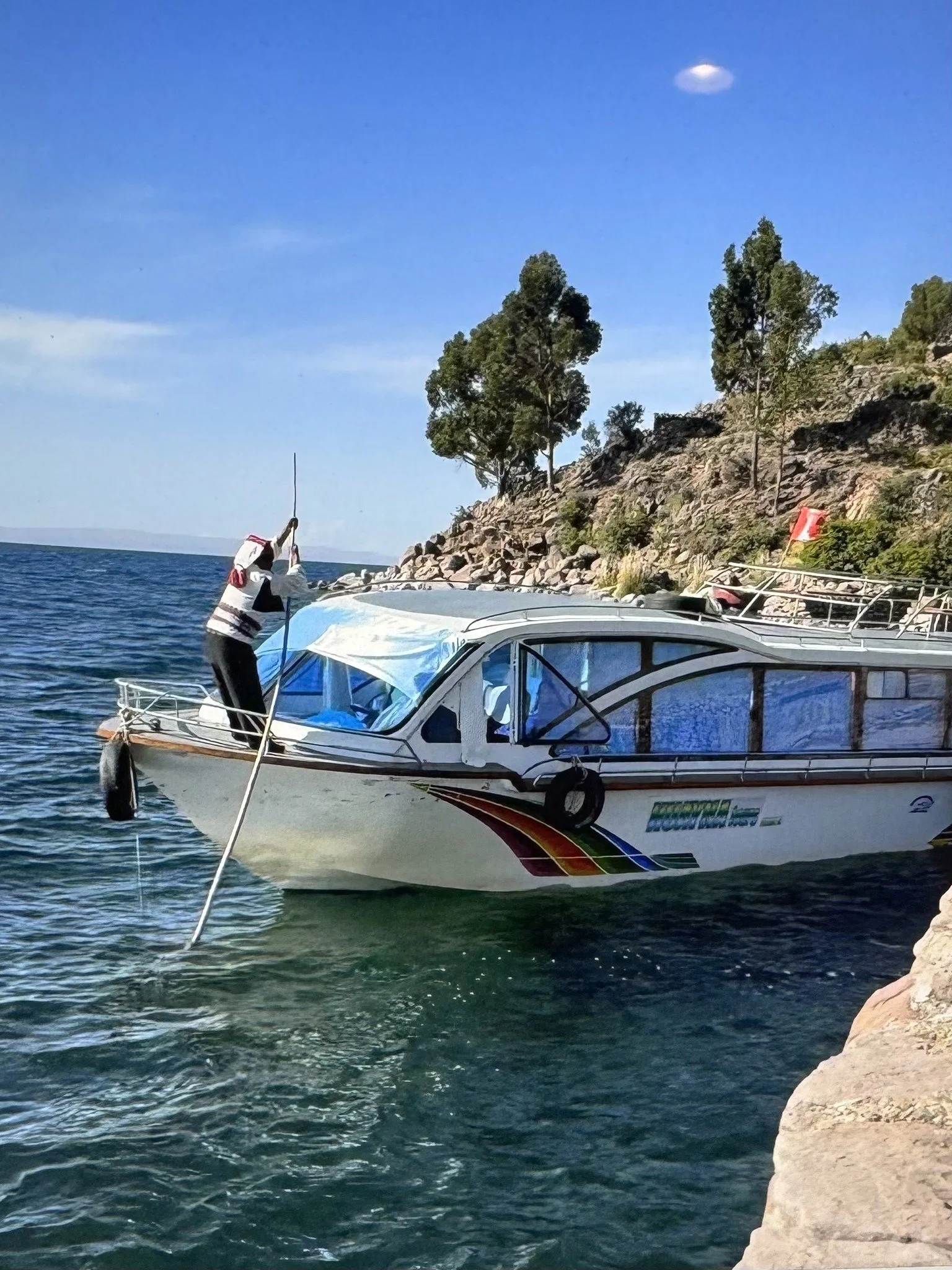
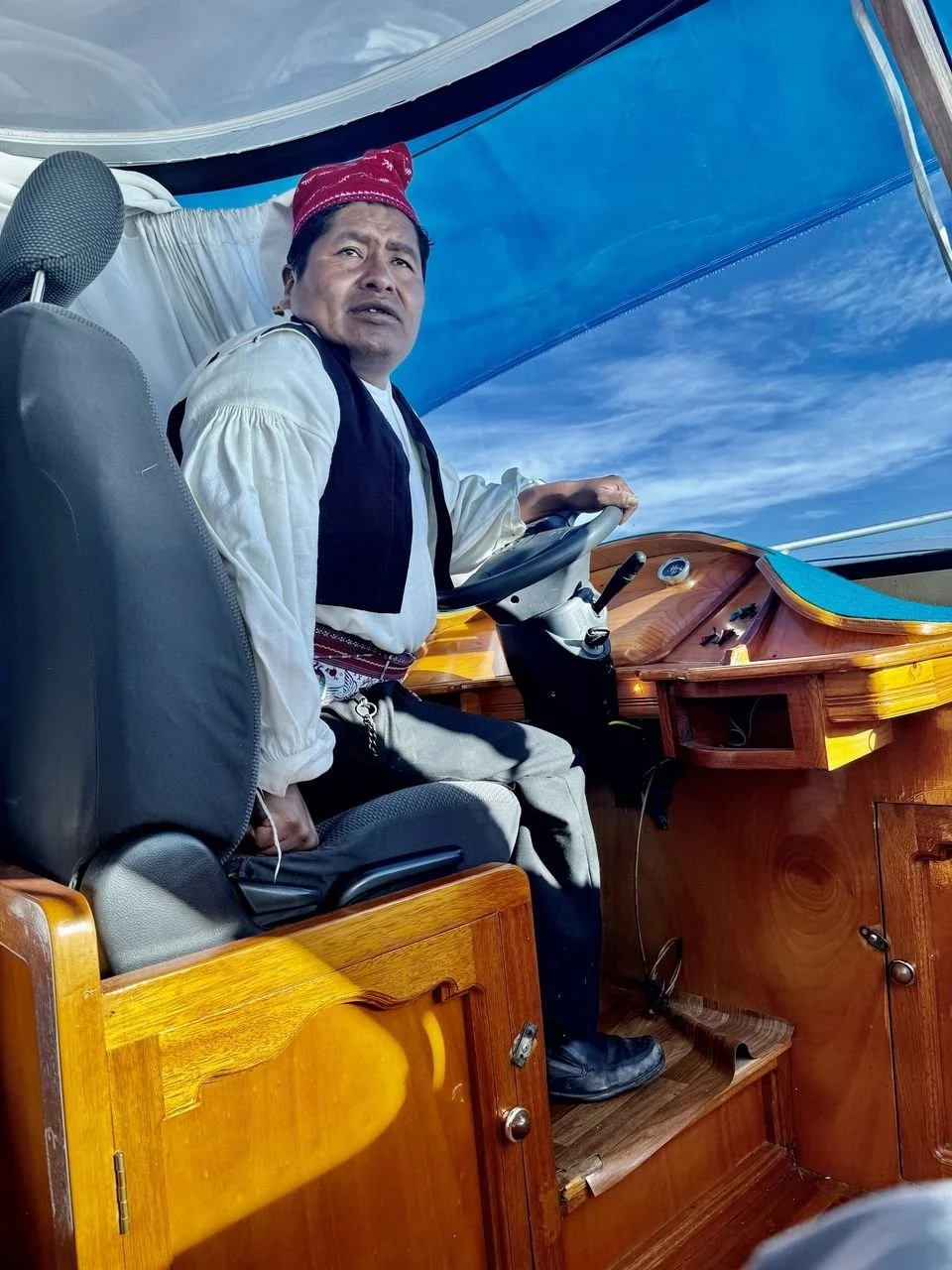
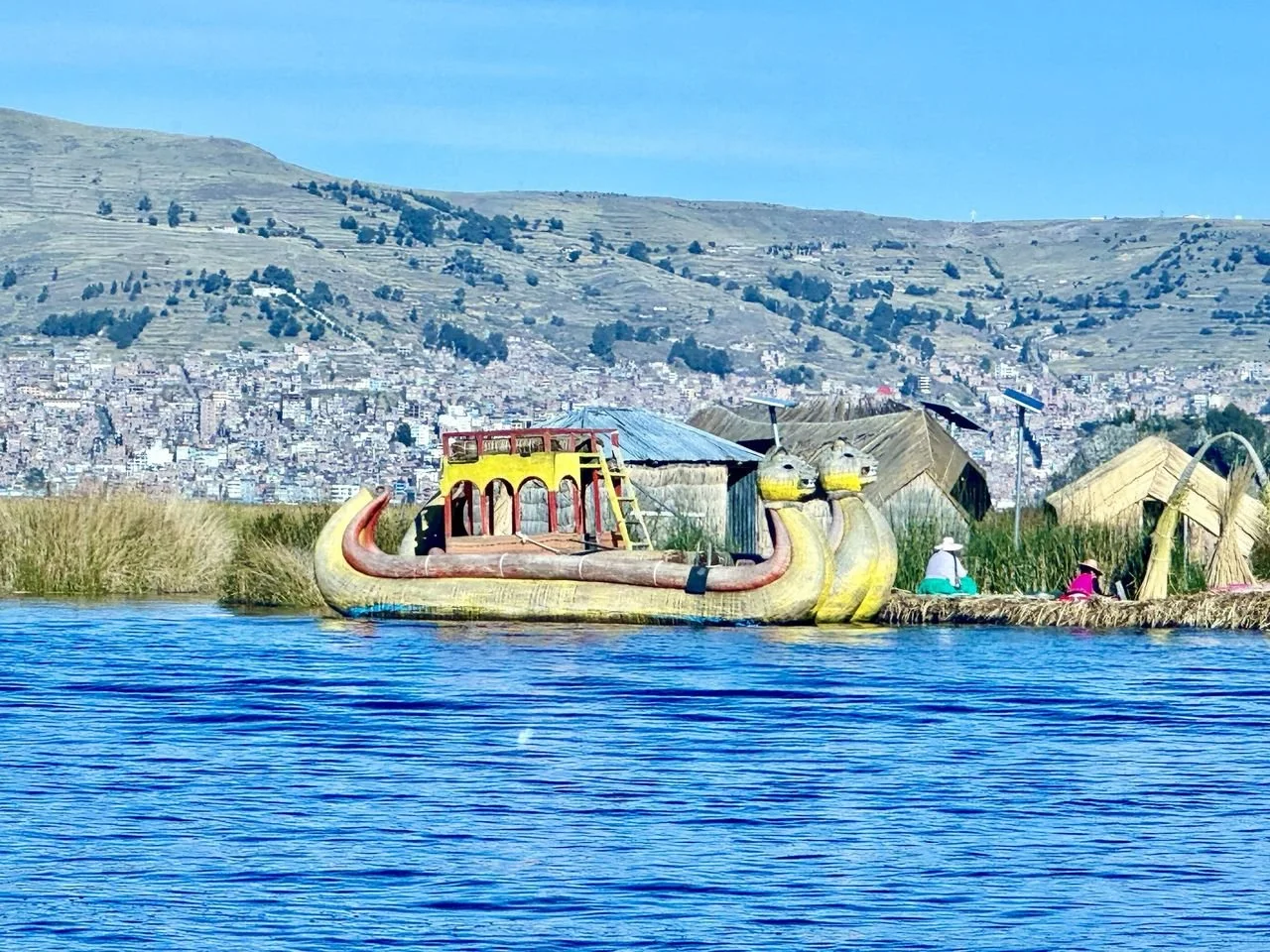
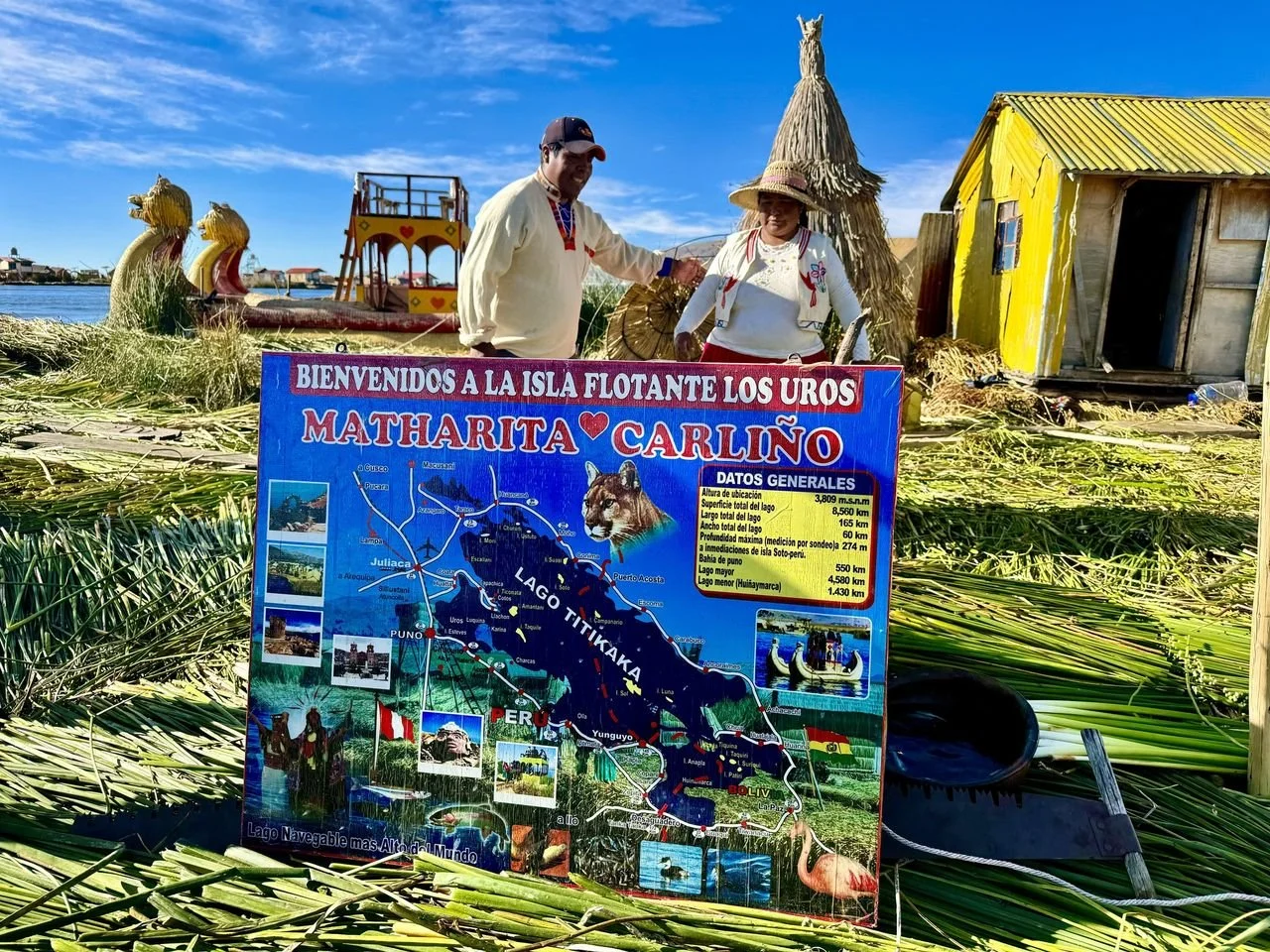
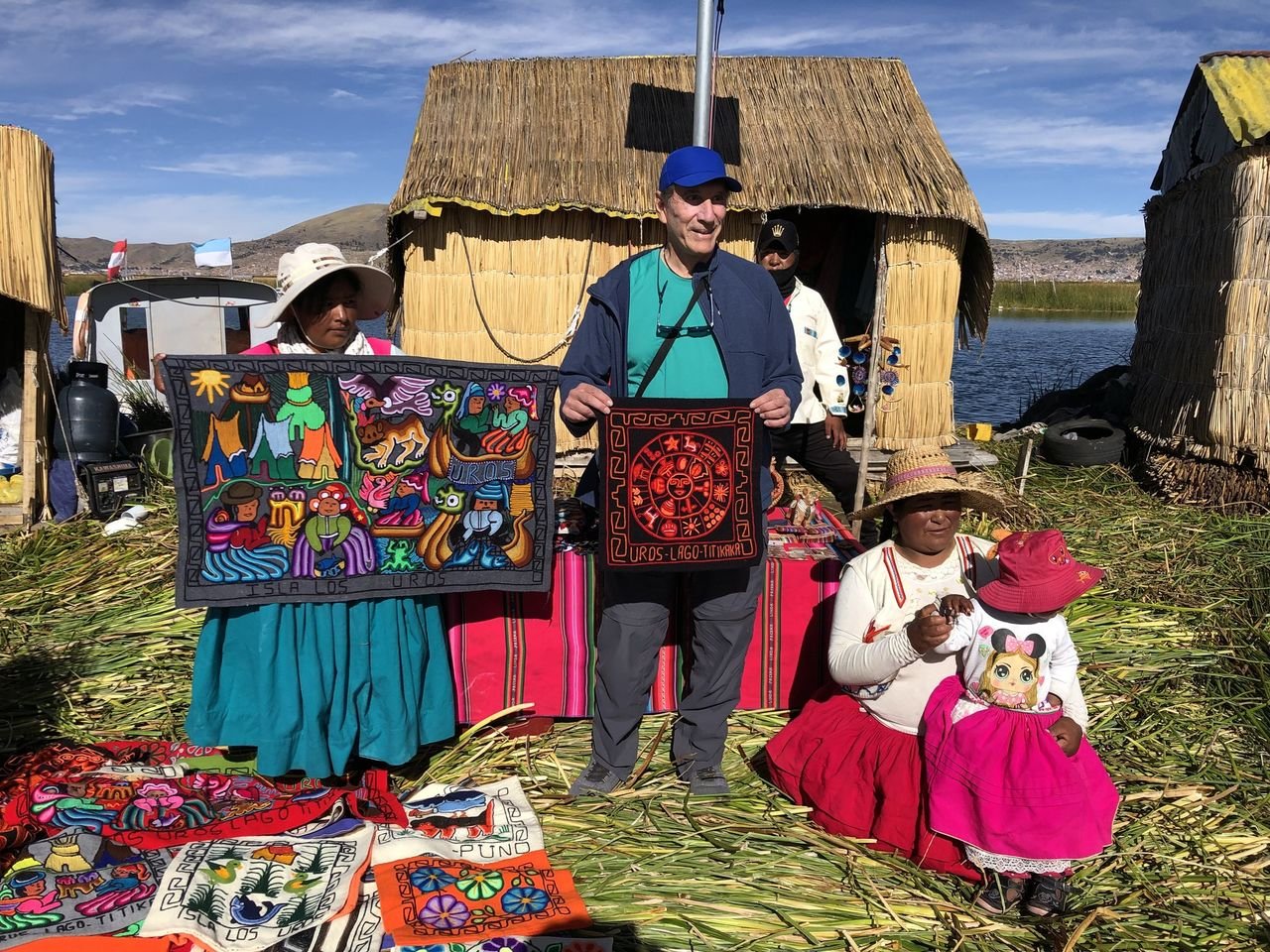
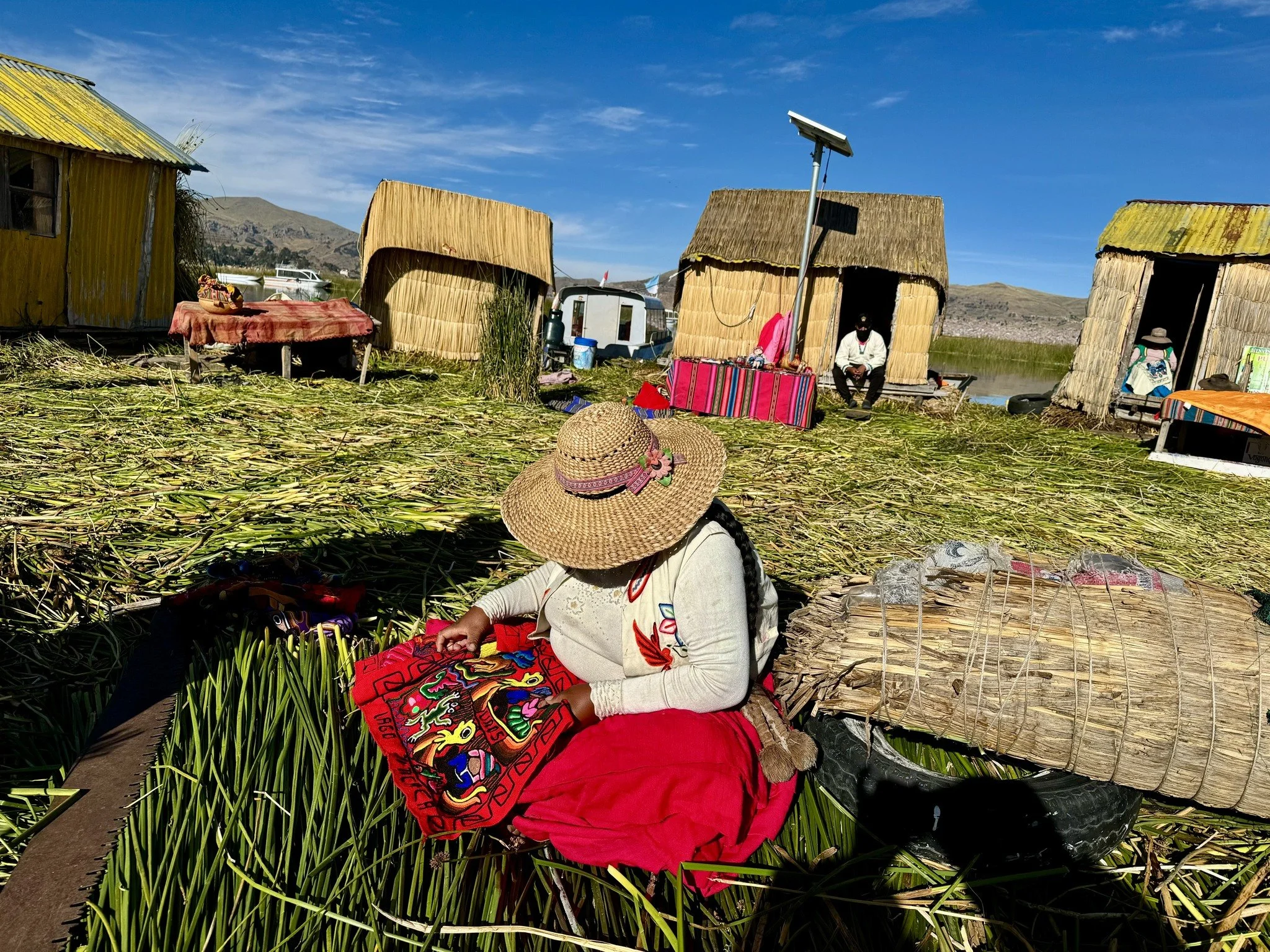
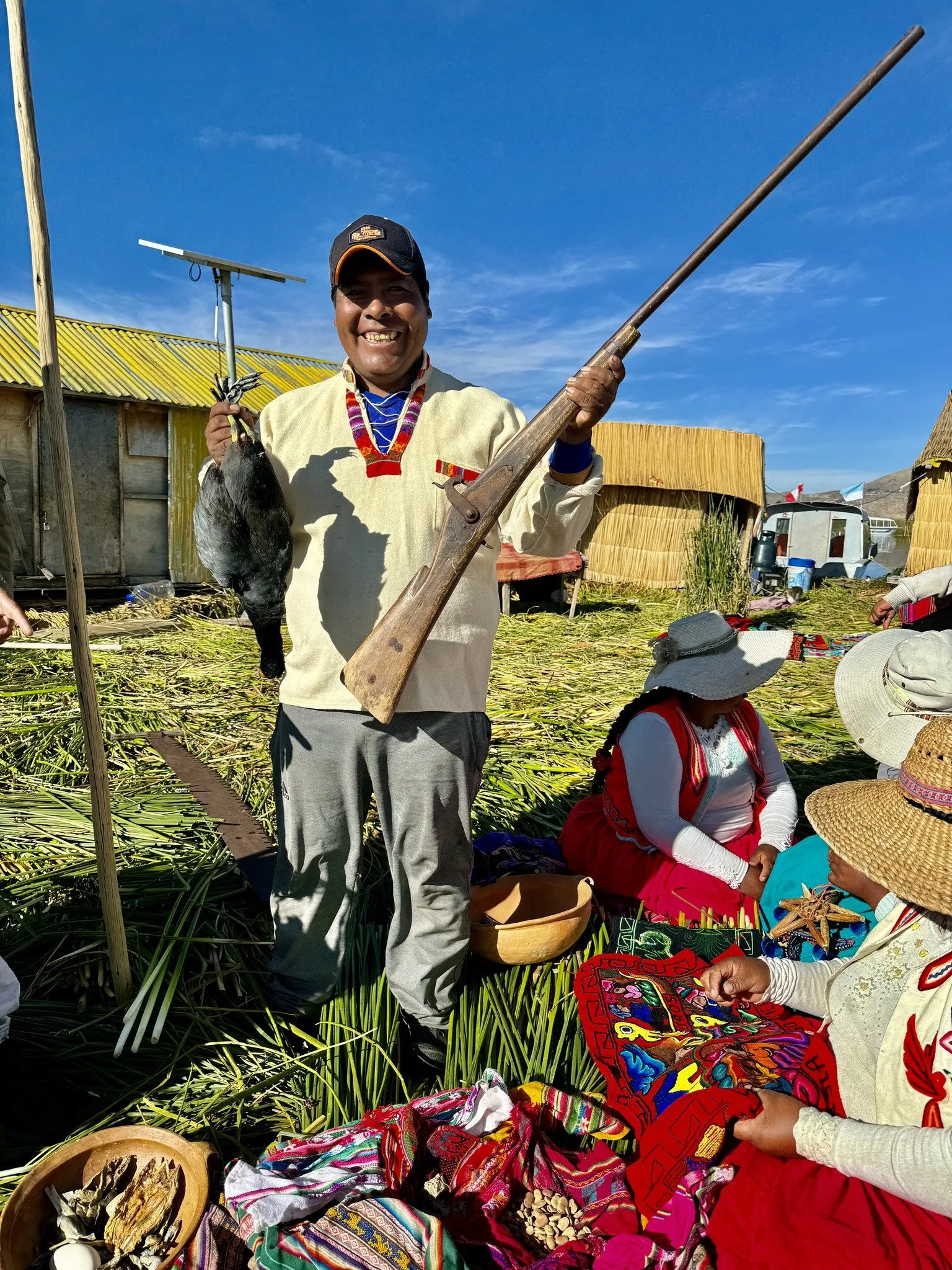
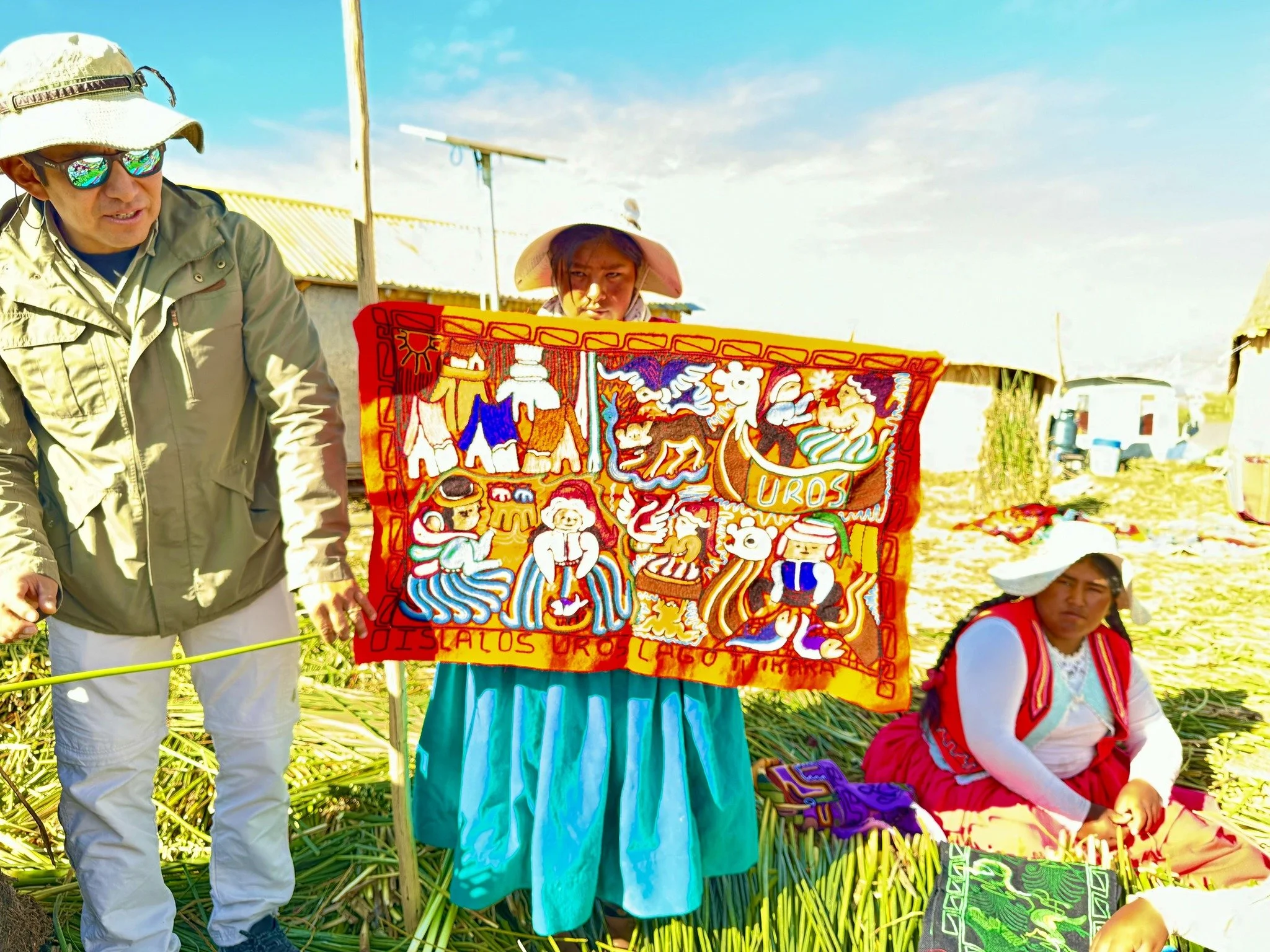
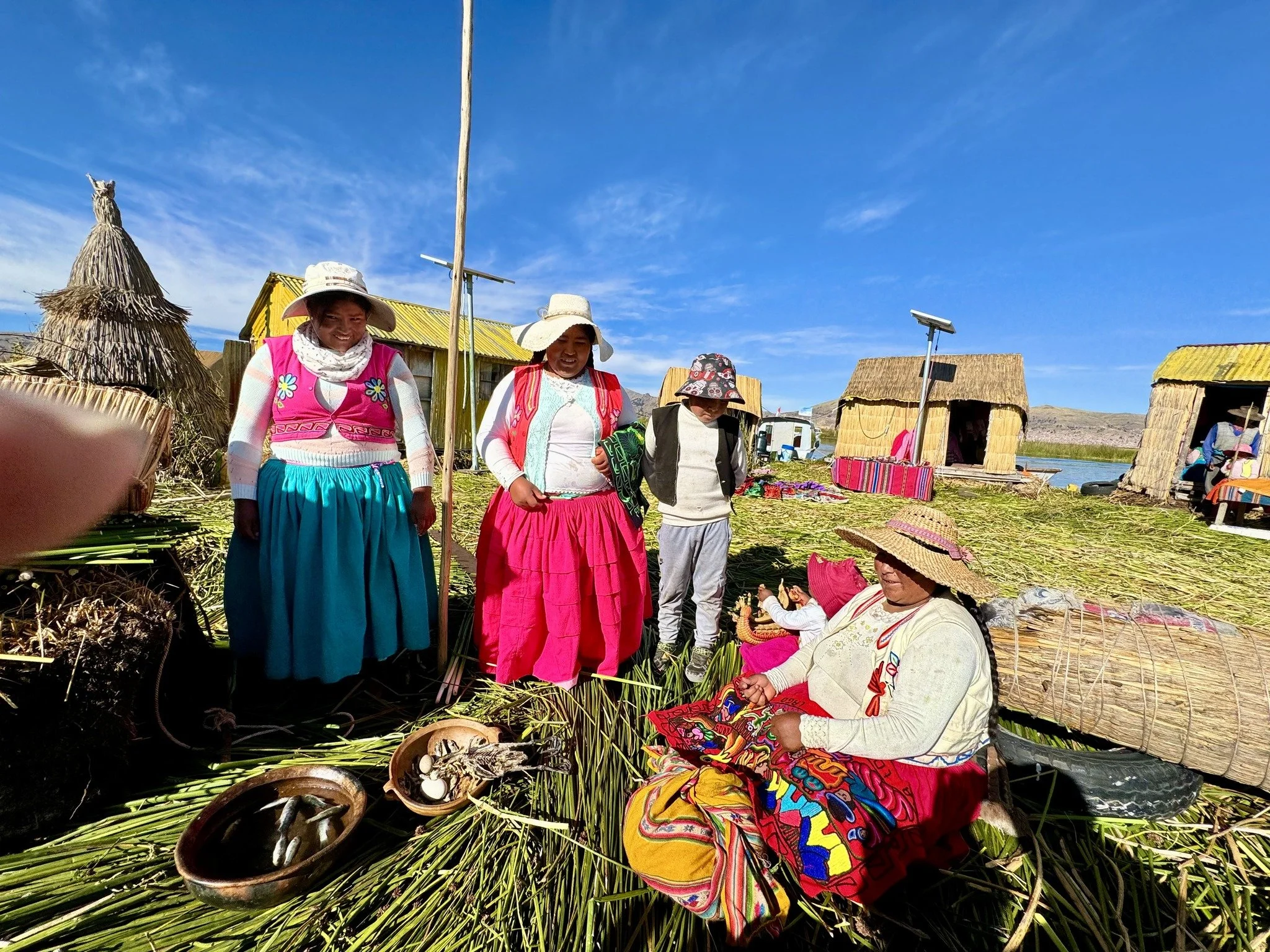
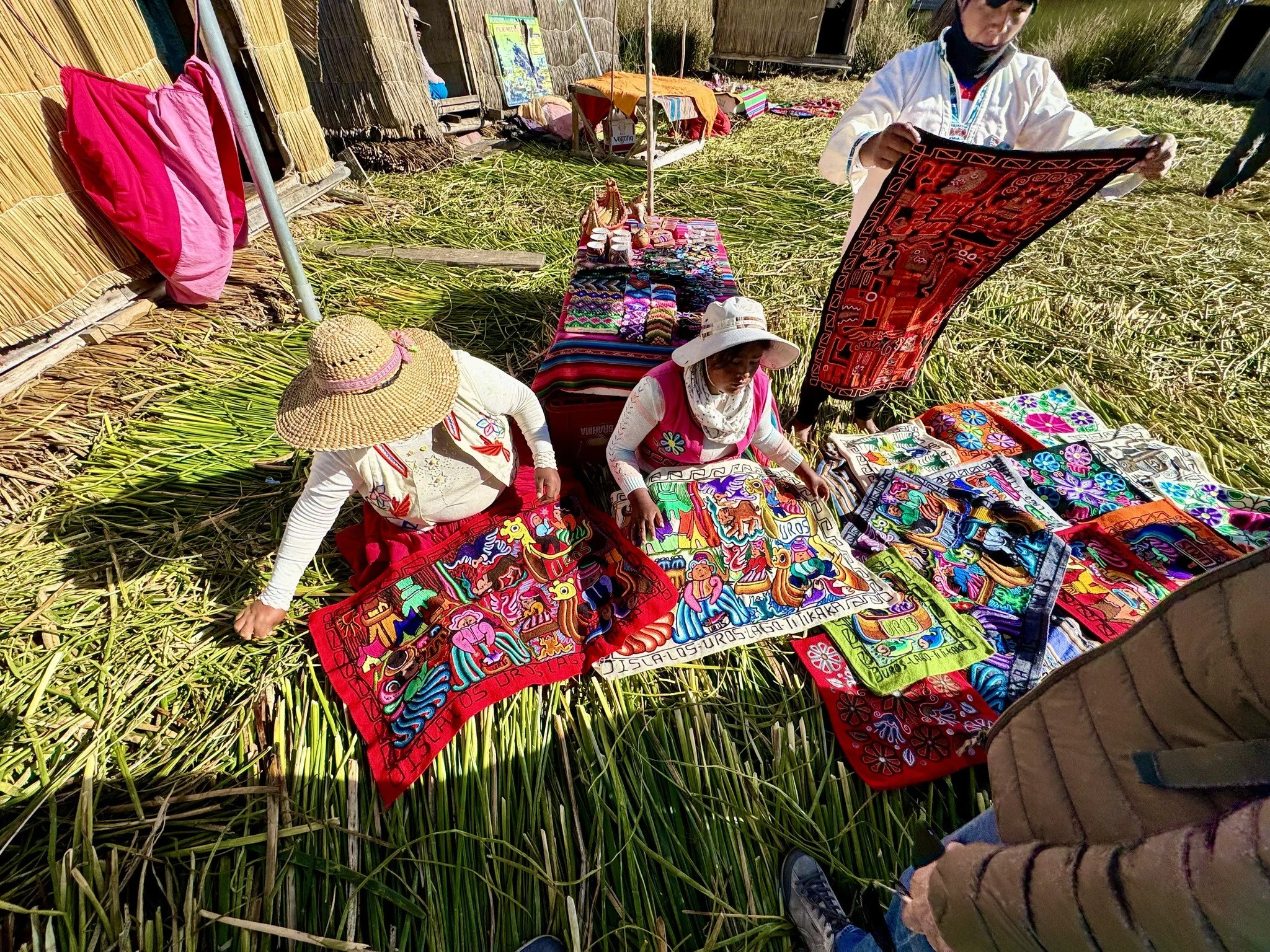
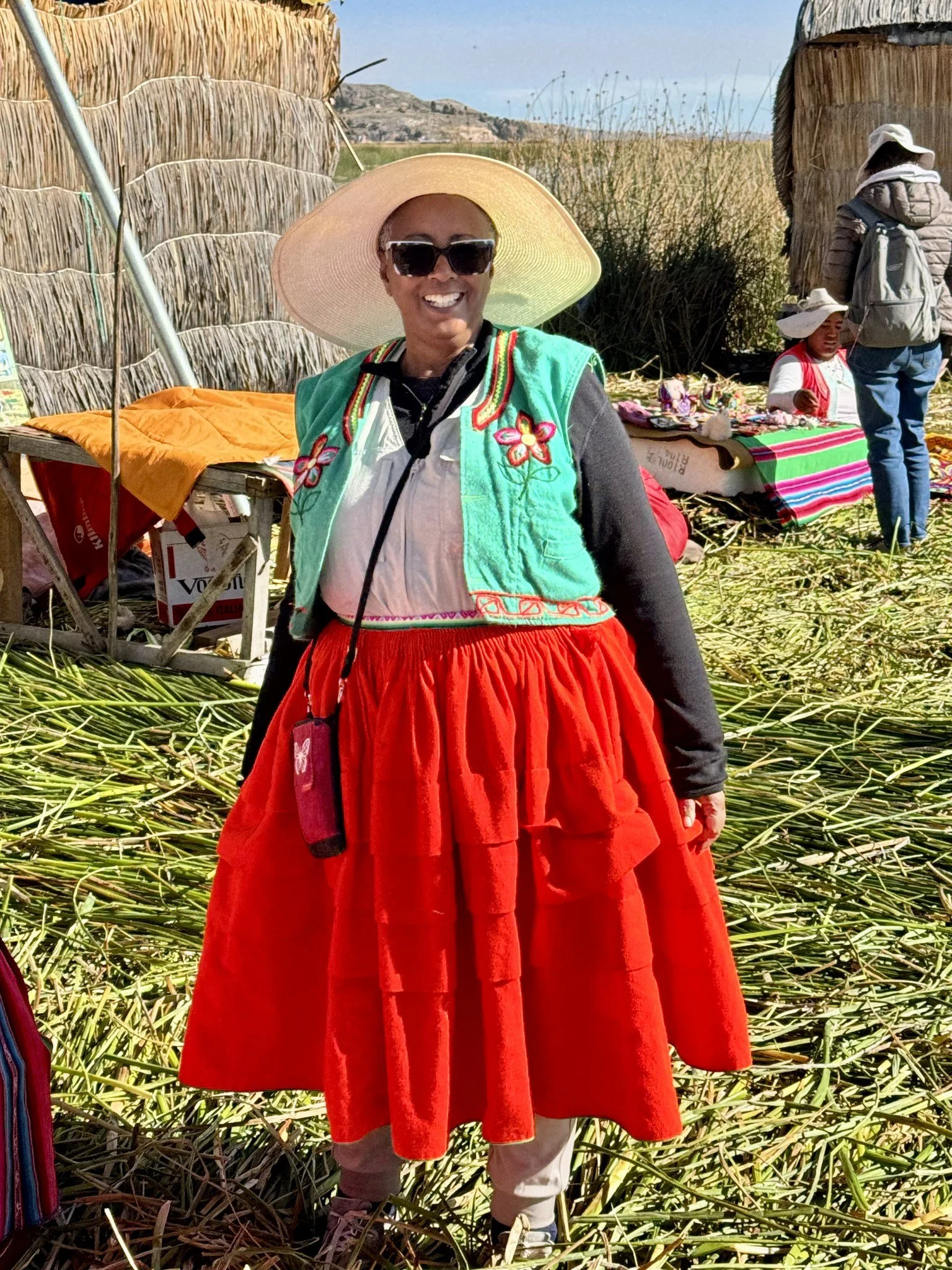
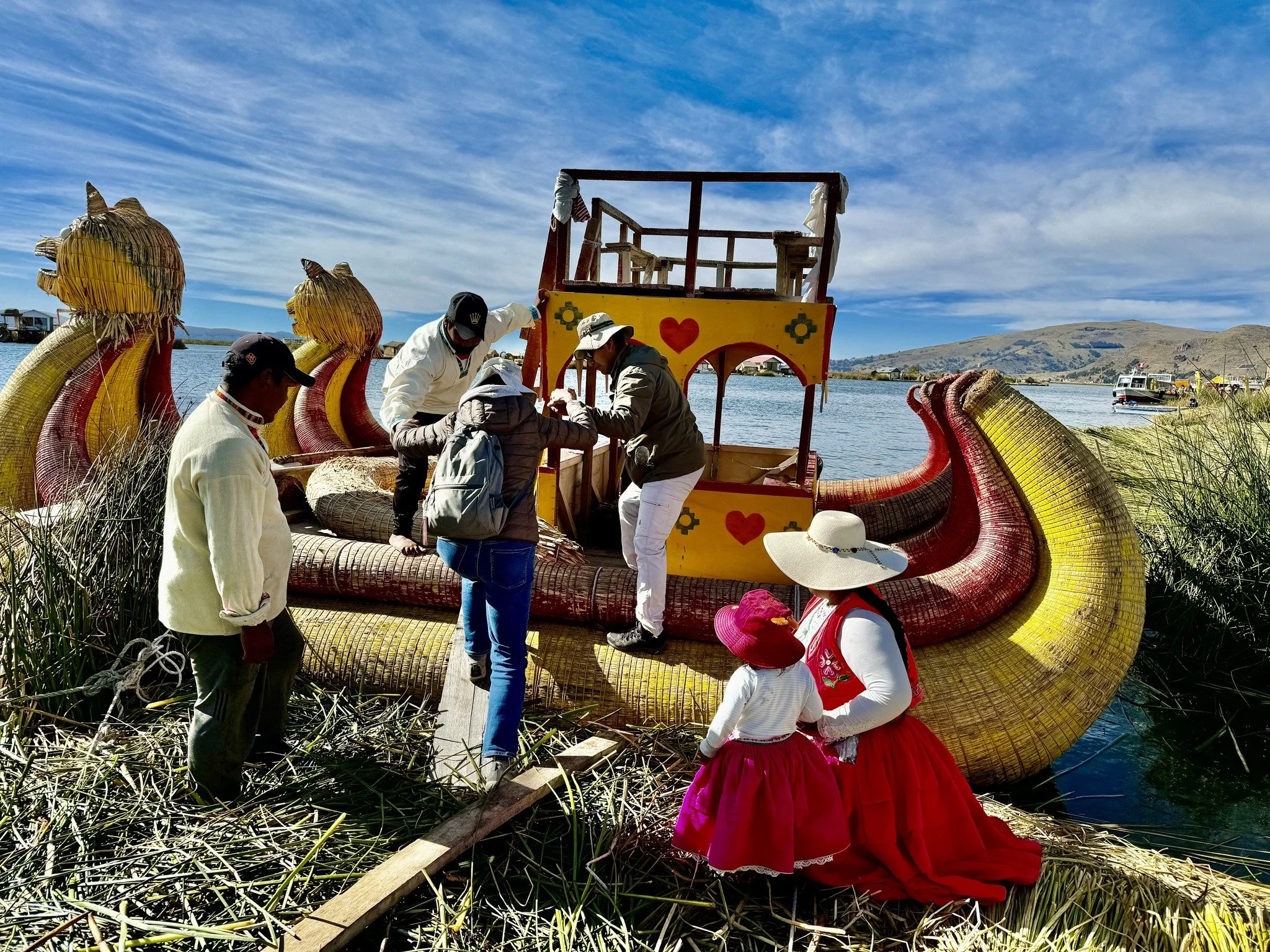
We explored Lake Titicaca by private boat with a local guide named Bross, an associate our our main tour leader, Salvador Torres. We began the day’s discoveries with a visit to the Uros Islands where indigenous people make their home on floating islands,” made of reeds that grow in the lake’s shallow waters. The Uros Indians are well-known for their Totora reed boats, called balsas, which are primarily used for fishing are sometimes affixed with sales, also made of reeds. We were met by a representative of the encampment who explained how the unique islands are made.

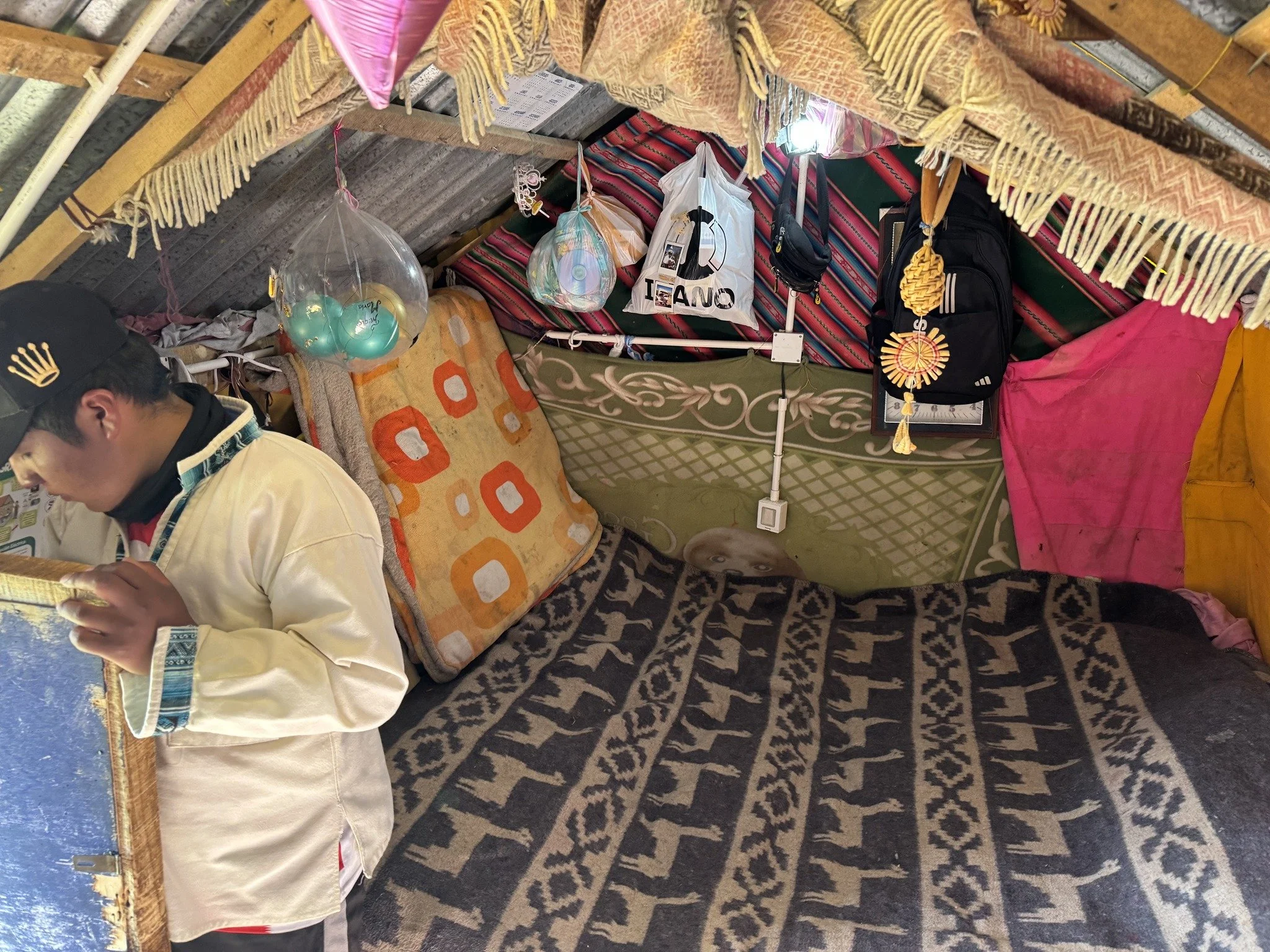
The women were weaving goods for sale. We were permitted to see their very small living quarters that fit a family of five. It was the oddest feeling walking on the reeds which yields on impact, a bit like a trampoline. We got to meet their pet dog, and their kids who were both playful and curious of the newcomers who were paying the elders a visit. For $5 one of the younger family members readied us for a ride on their boat. Their children climbed the platform and as we were about to leave the port, they sang us a couple of songs as their older family members had done earlier.

From there we made our way to Taquille Island. Once part of the Inca Empire, this island was one of the last locations to fall to the Spanish during conquest of Peru. We had dinner at a family-owned restaurant on Taquille. We had a mishap on the two hour boat ride. The captain of the boat got caught in the reeds and we required assistance. Fortunately, there was a boat nearby that towed us away from the reeds, and we were on our way.

Discovering the Ancient Pre-Incan Ruins of Sillustani Plus the Fertility Garden & More Lamas

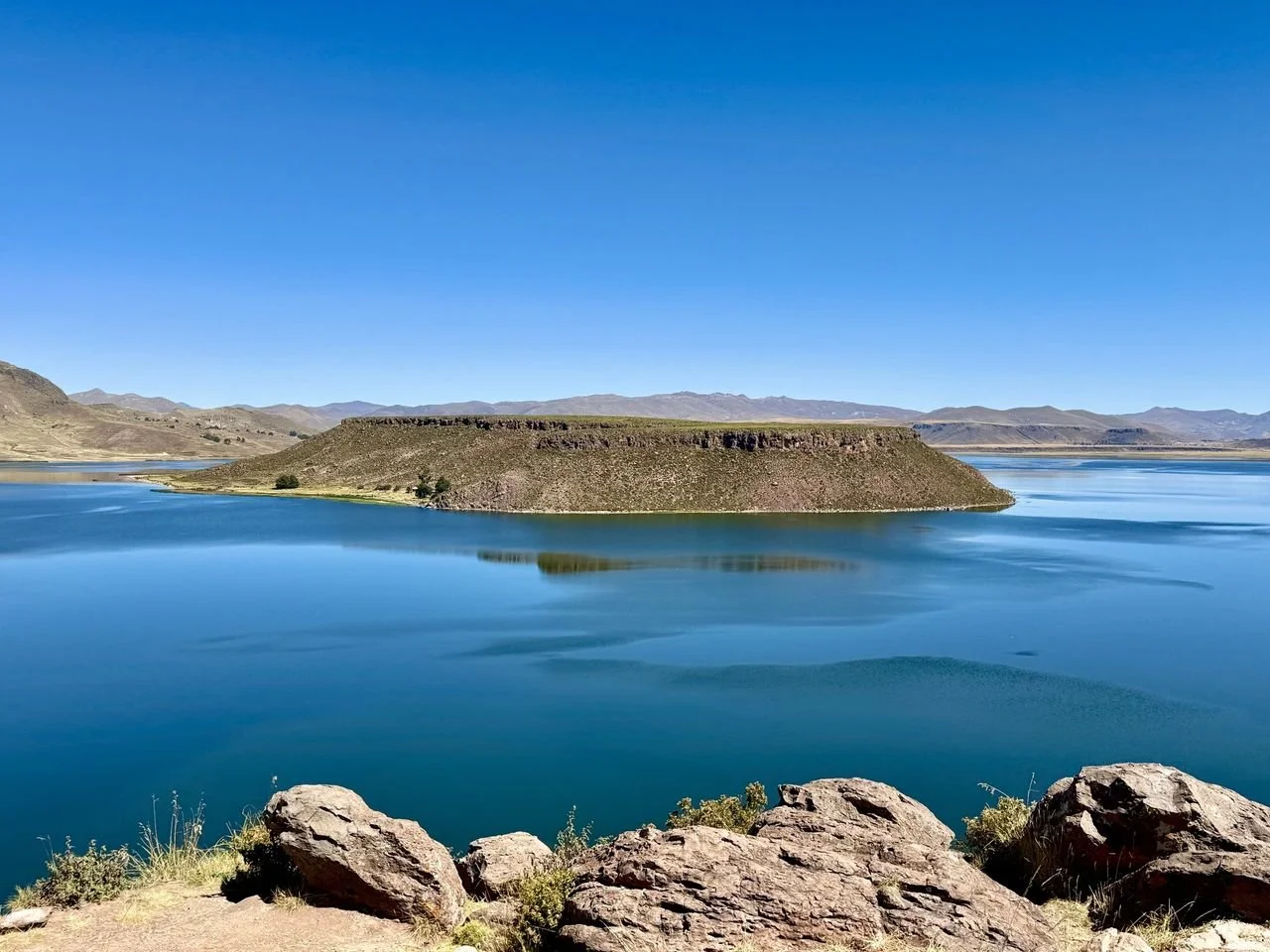
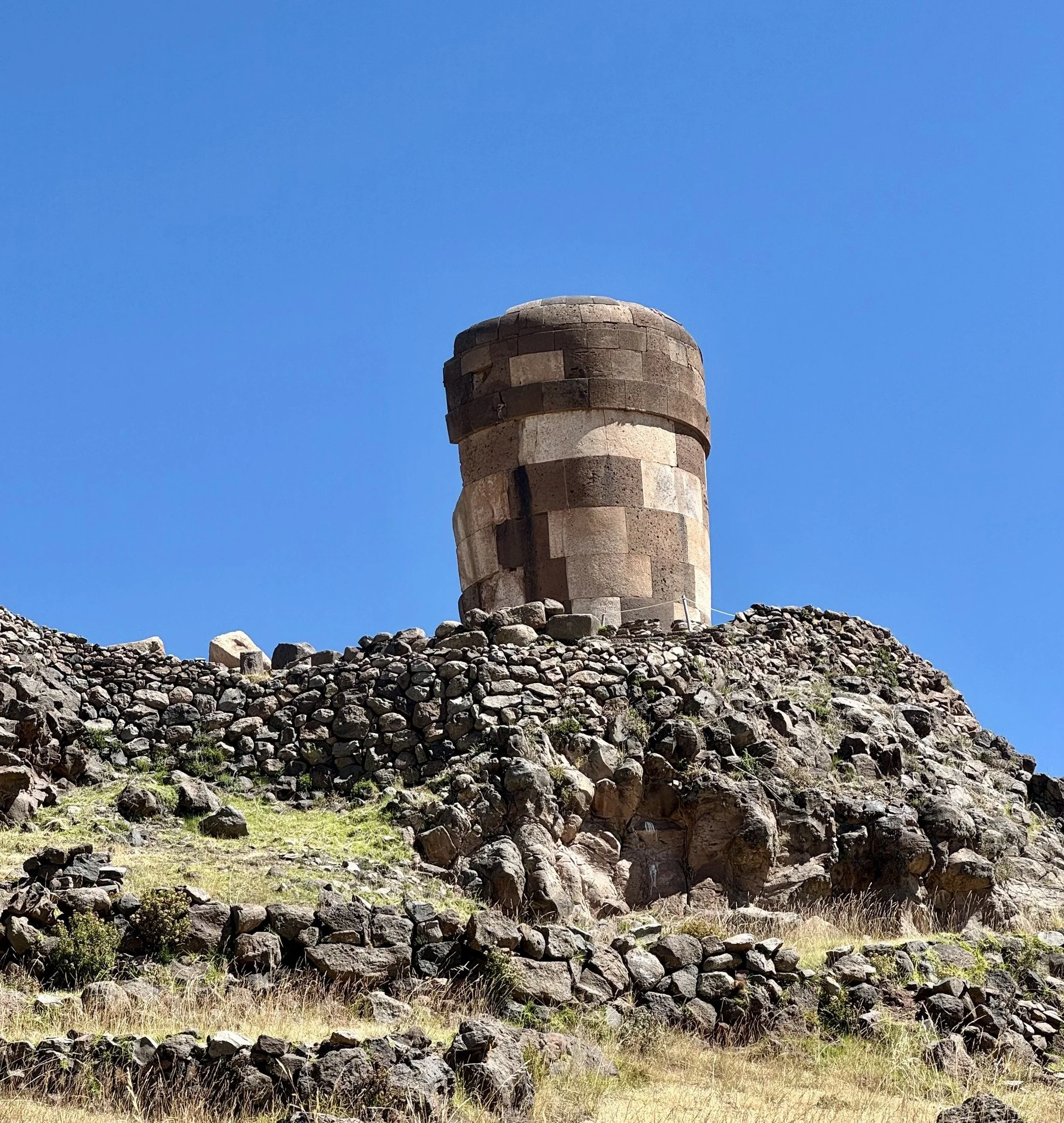
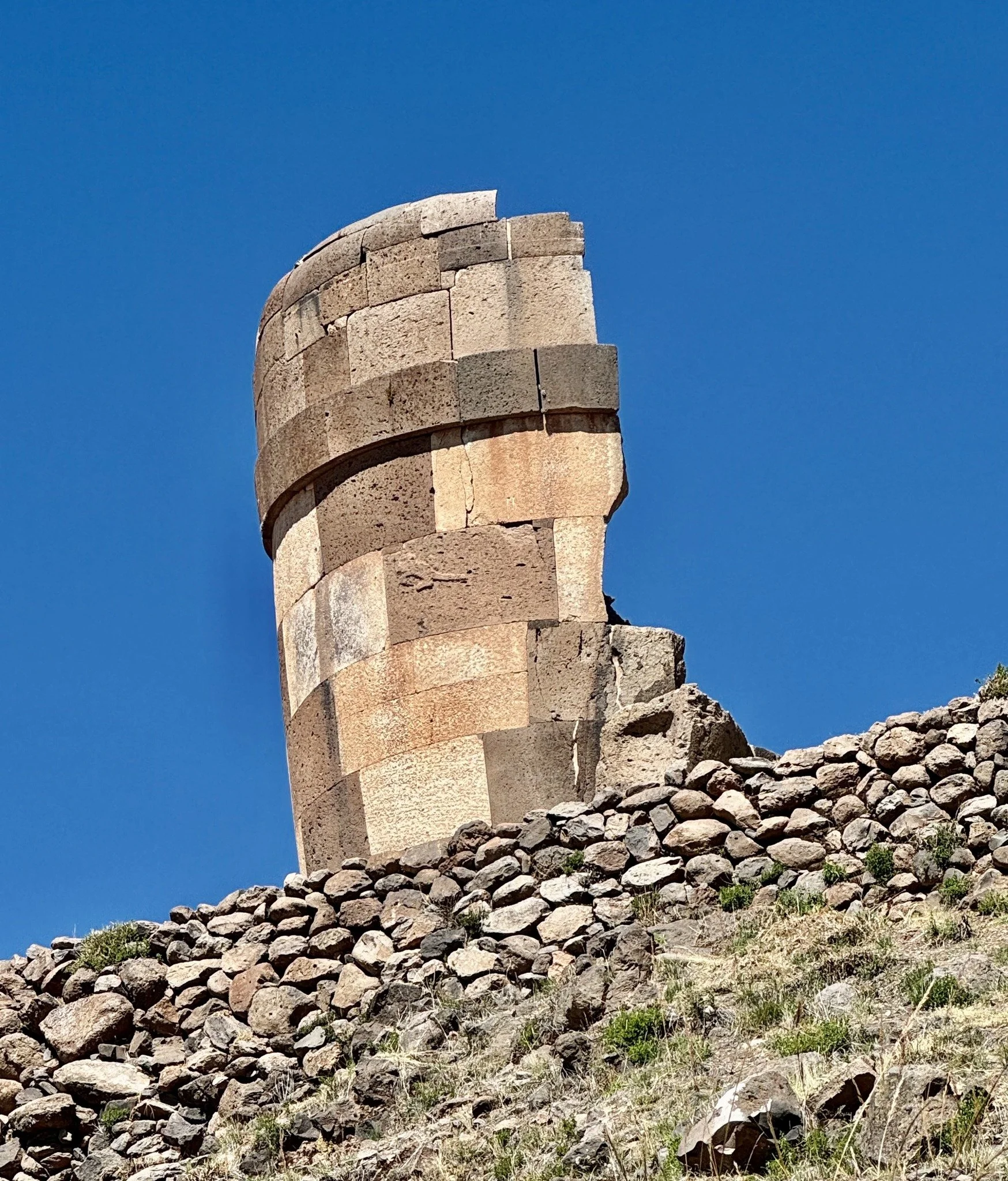
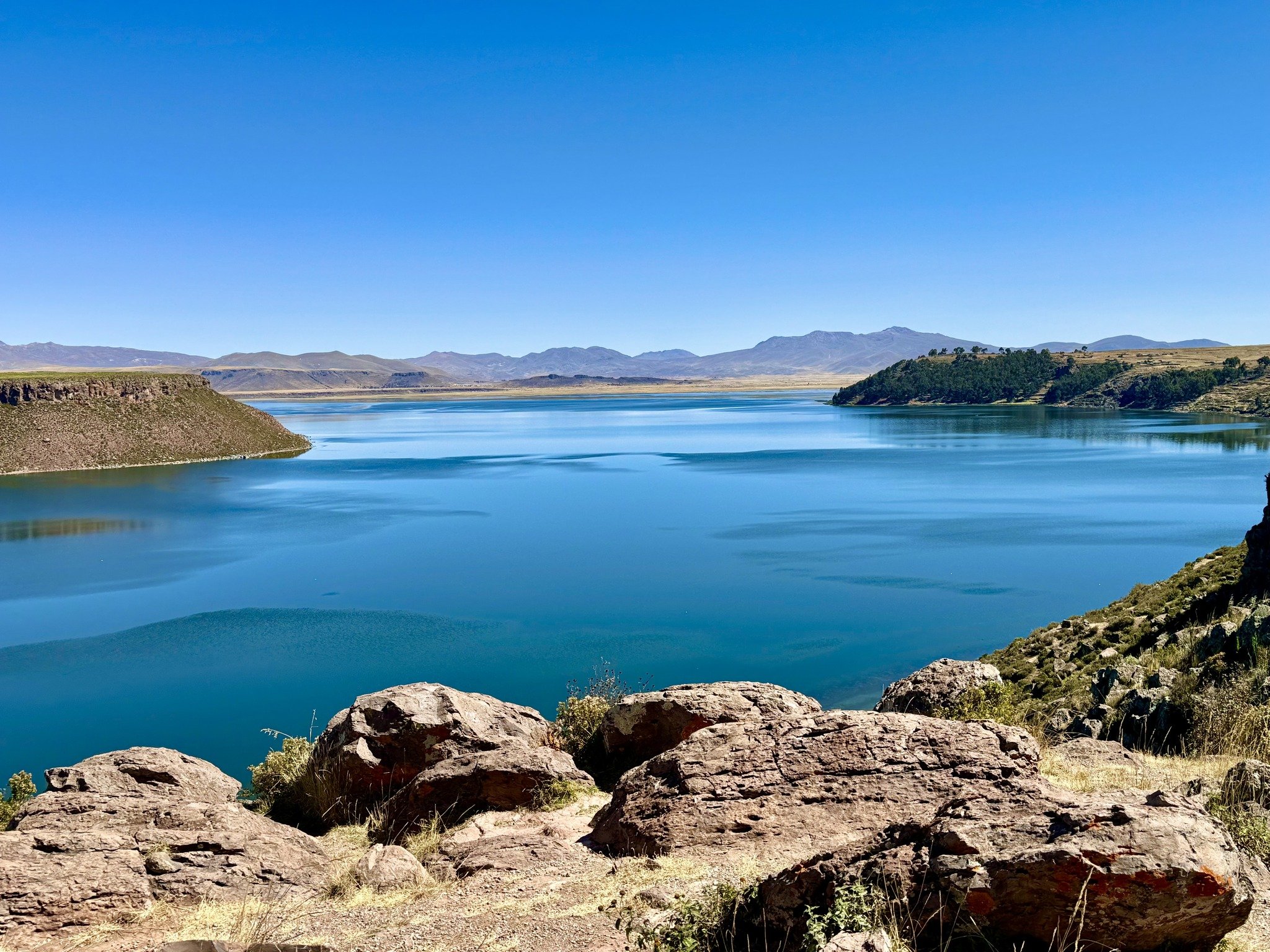
We drove to the mysterious ancient pre-Incan ruins in Sillustani, called Chullpas, or funerary towers, where the Colla tribe buried their elite class in massive carved tombs that were built by them over 1,000 years ago without mortar, showcasing incredible engineering and precision tone masonry techniques.

This "city of the dead,” that has captivated visitors and adventure seekers from around the world consists of a group of cone-shaped towers overlooking Lake Mayo. The chullpas are made of enormous stones—bigger at the top than the bottom—and most date to the 15th century at the time of the Inca occupation. Steeped in history and mystery, Sillustani offers a glimpse into the remarkable engineering and spiritual beliefs of the pre-incas cultures.

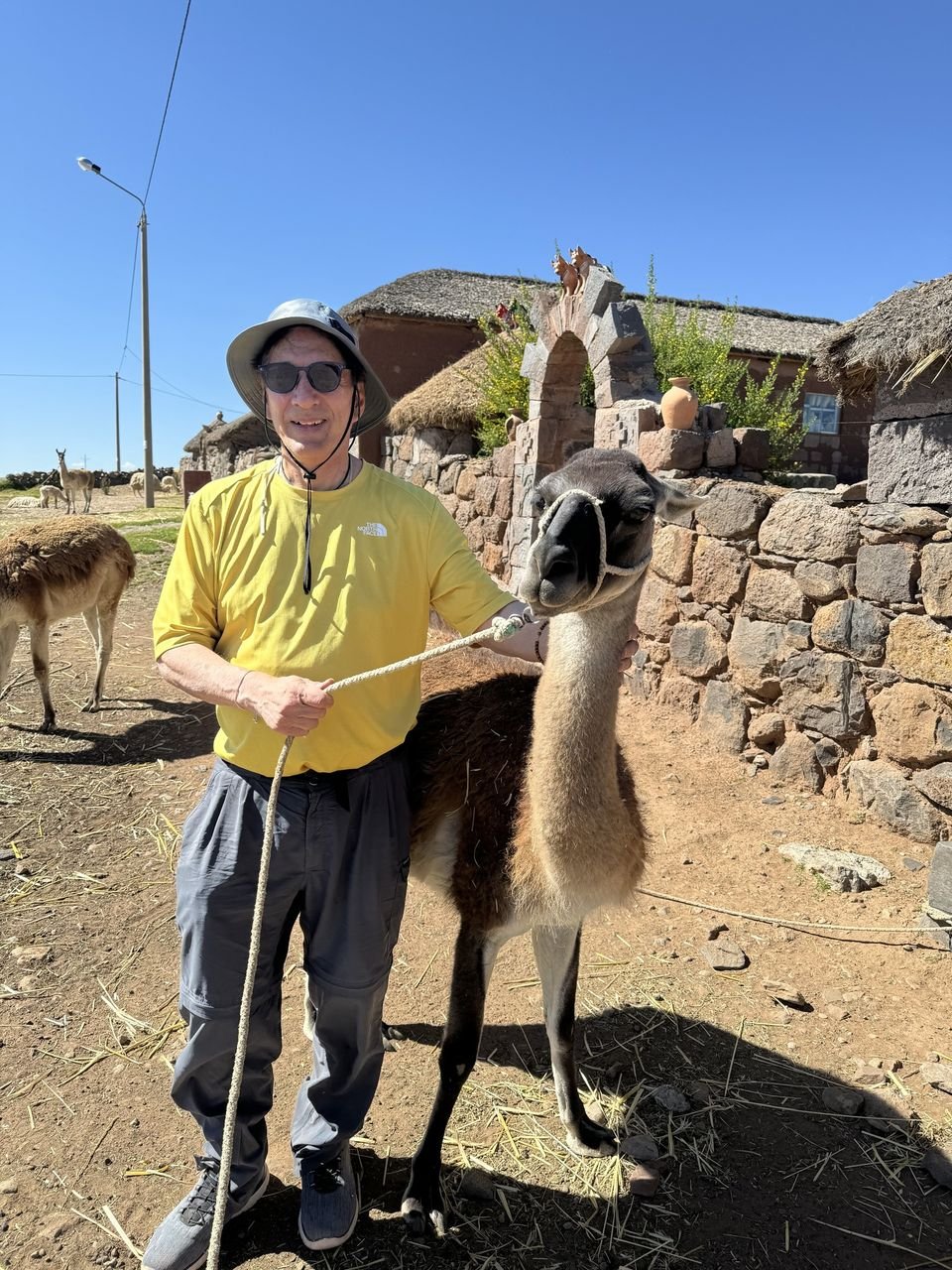
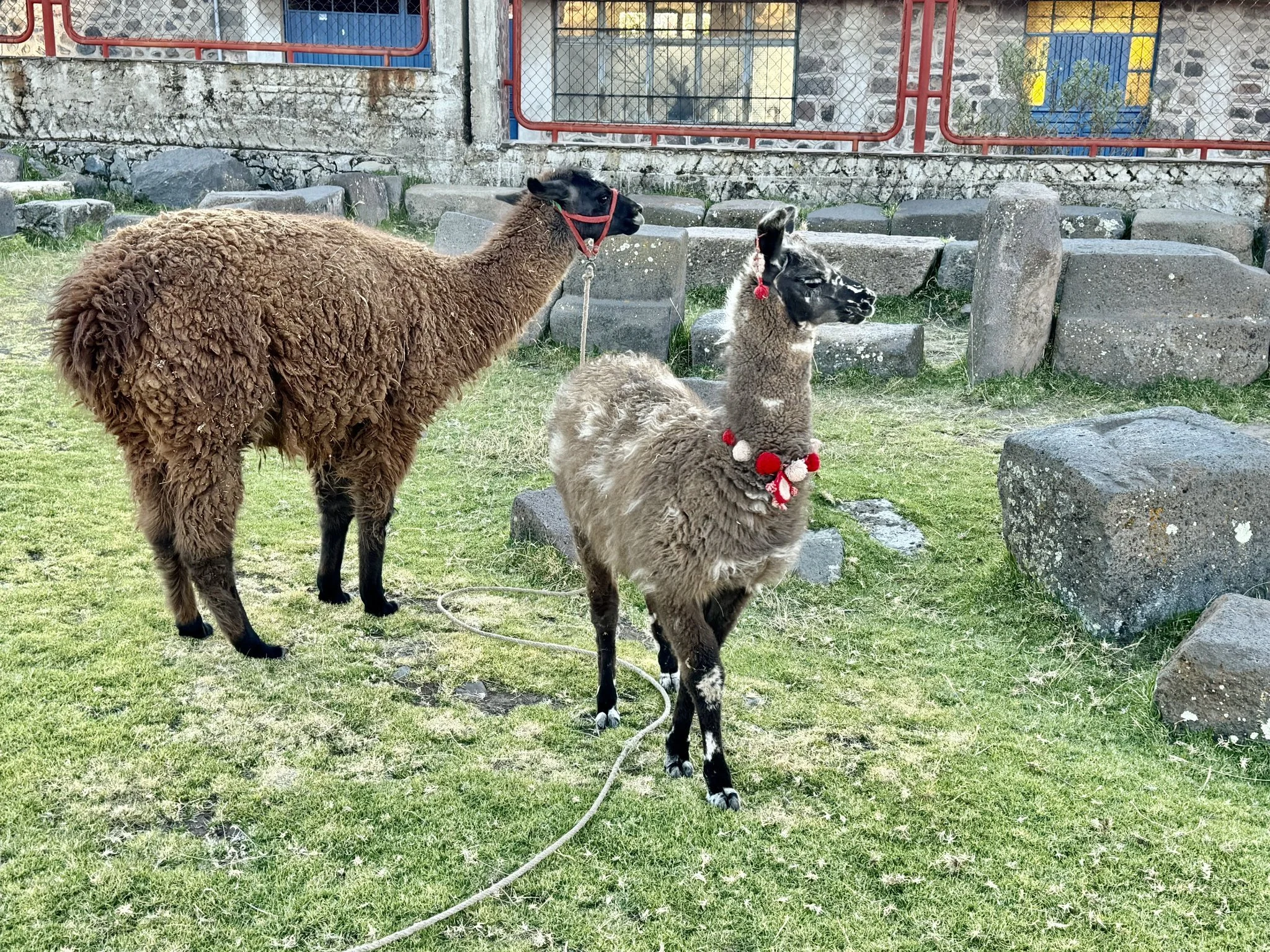
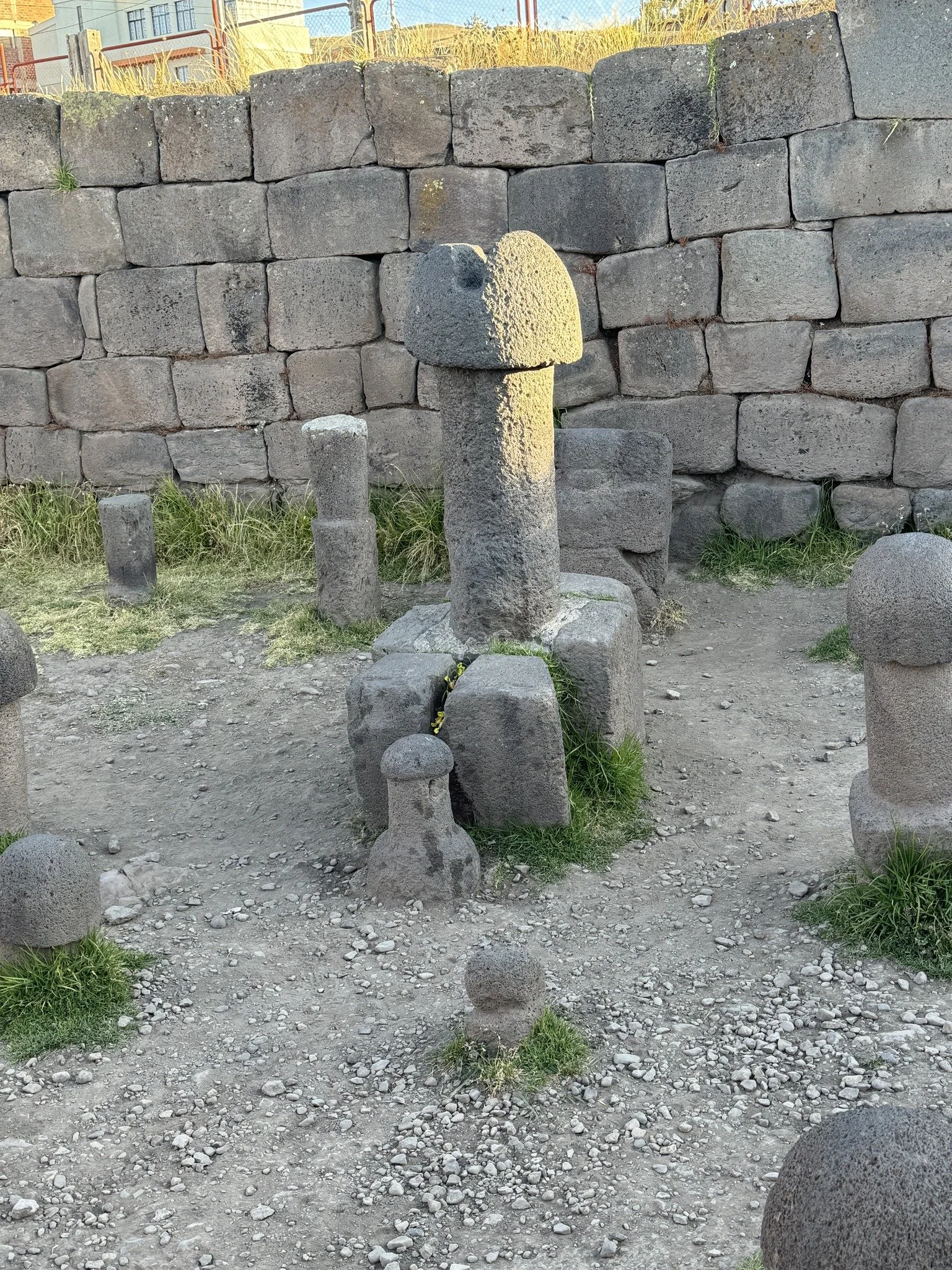
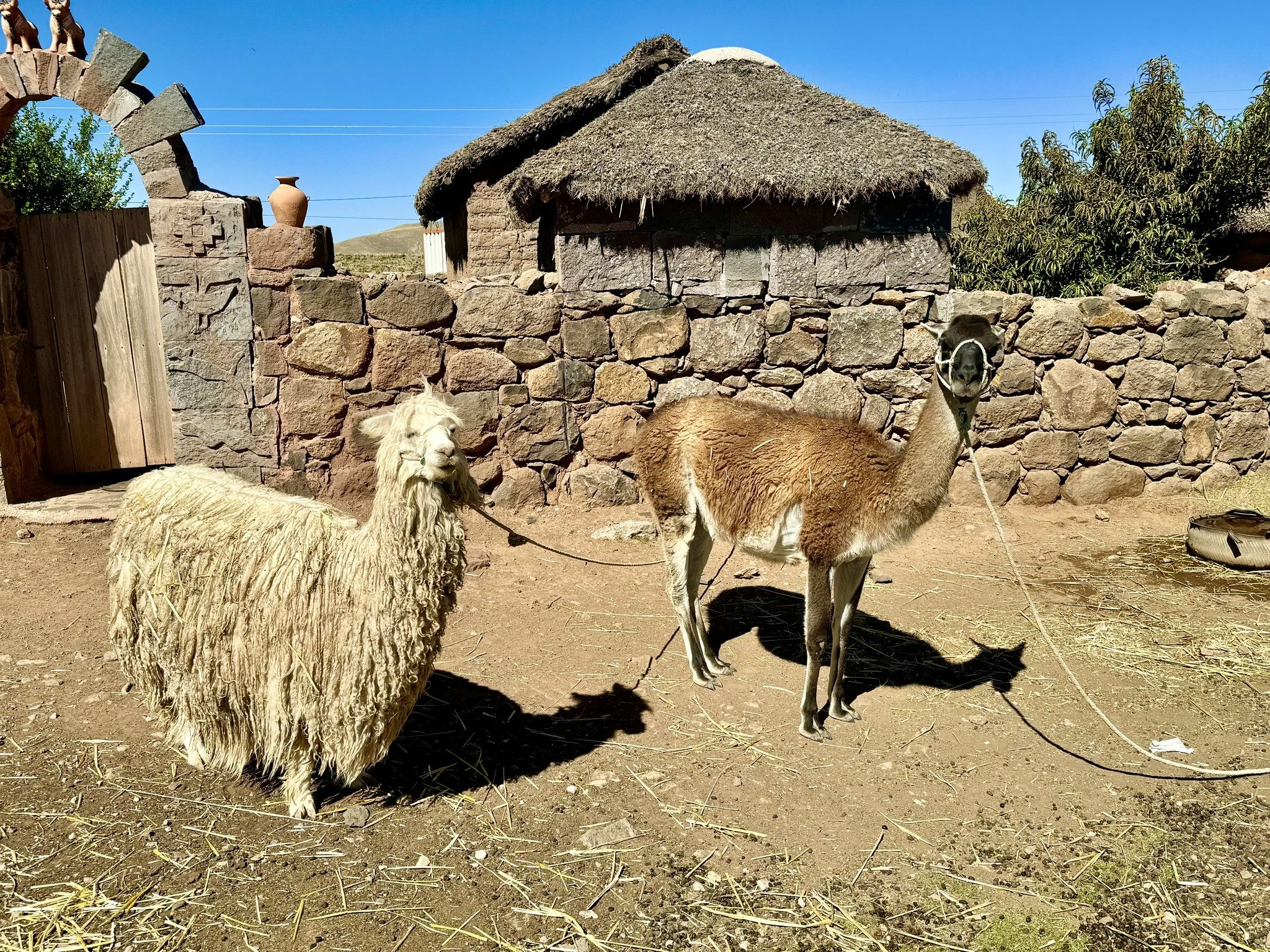
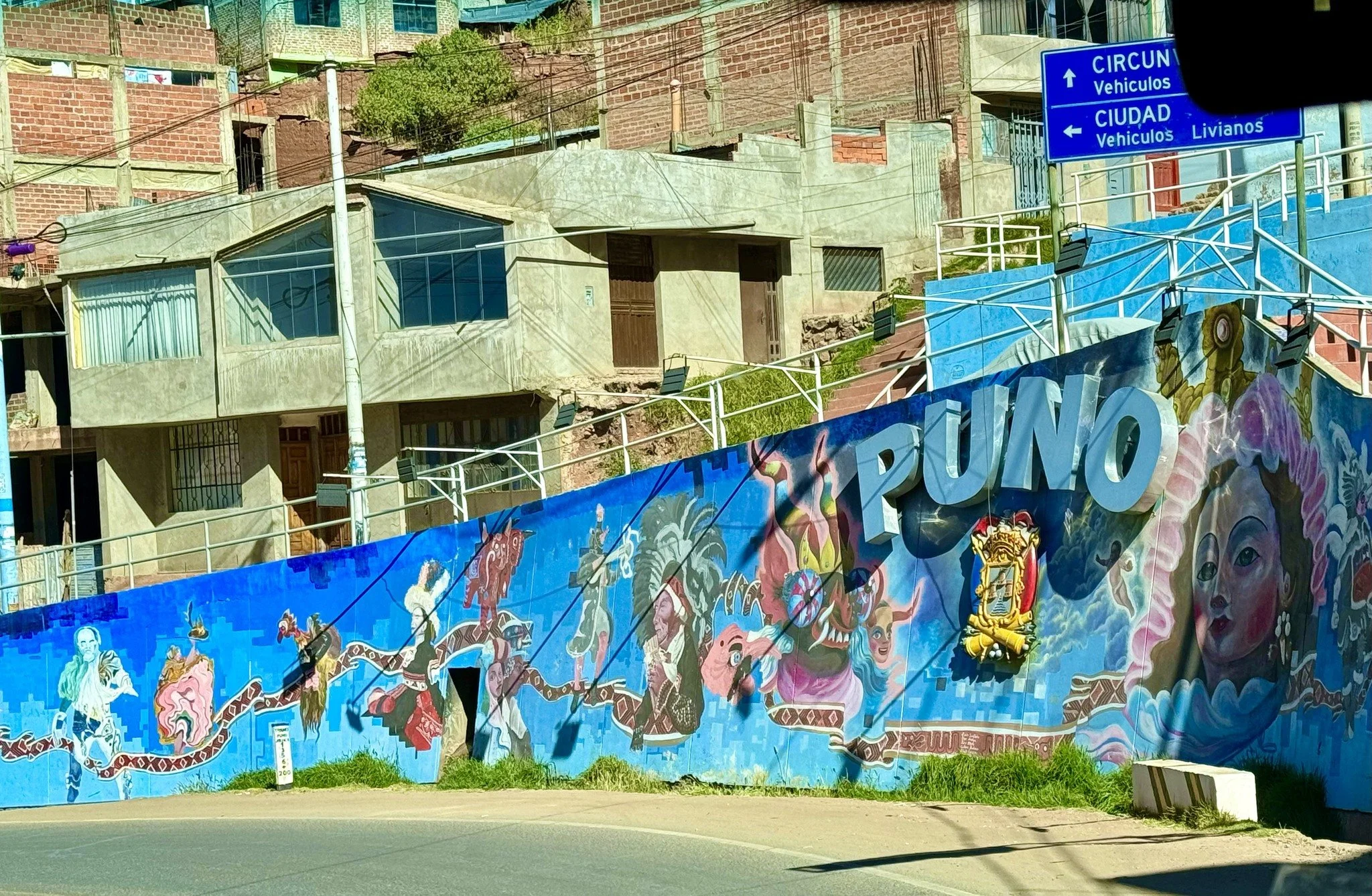
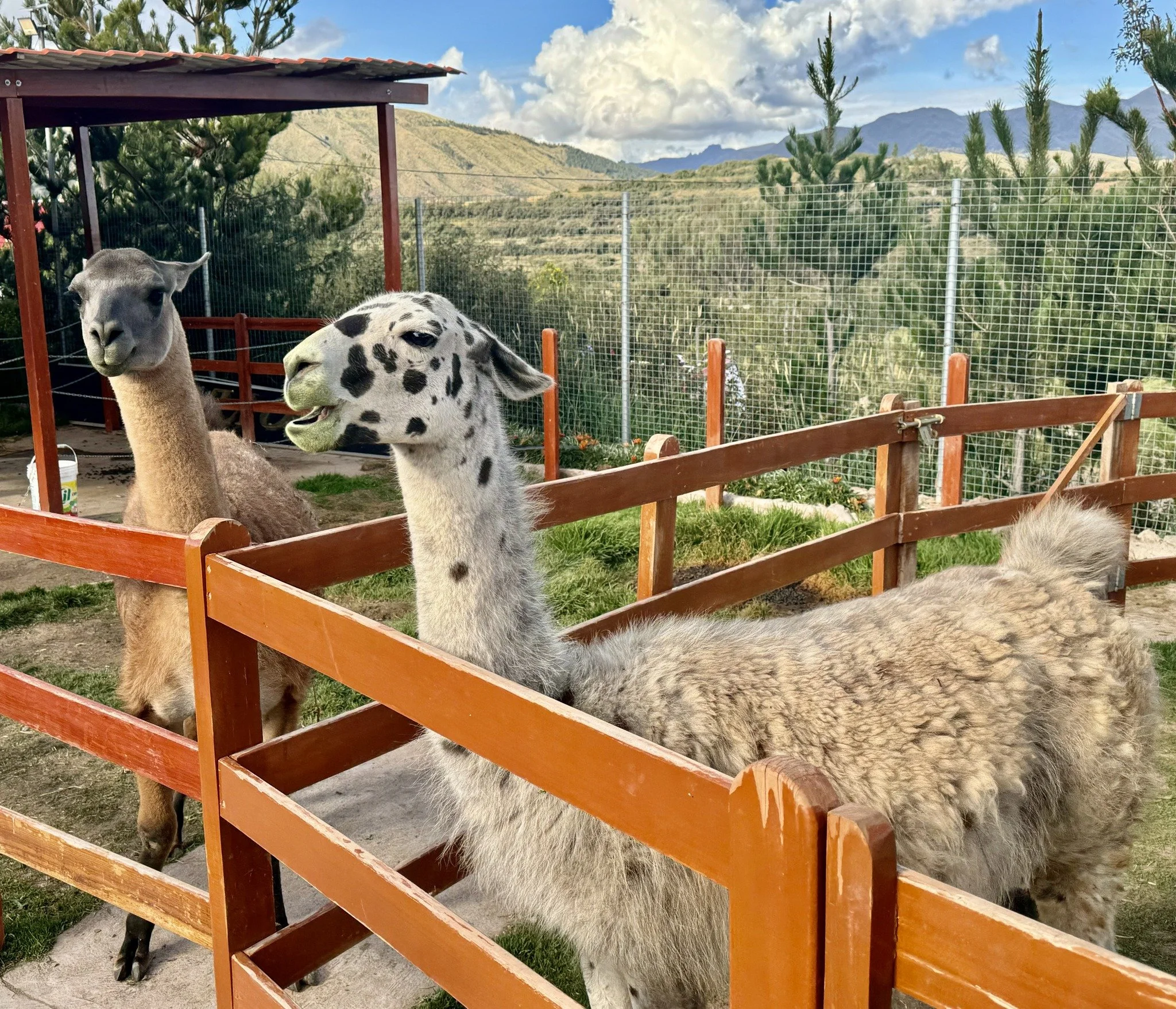
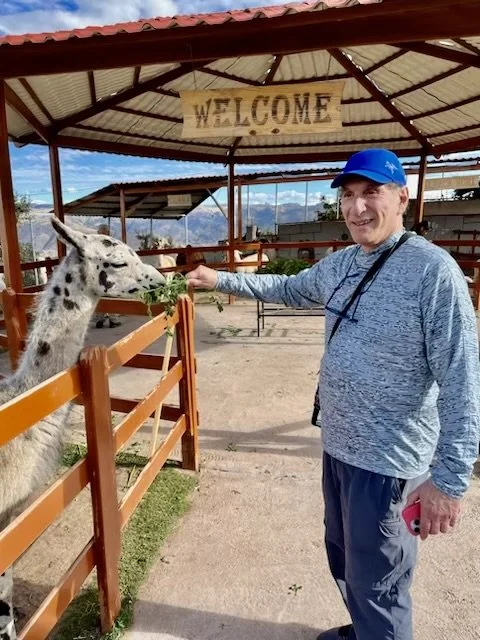
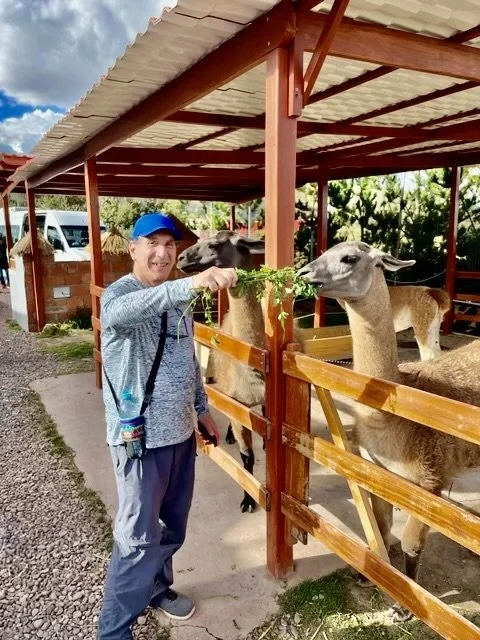
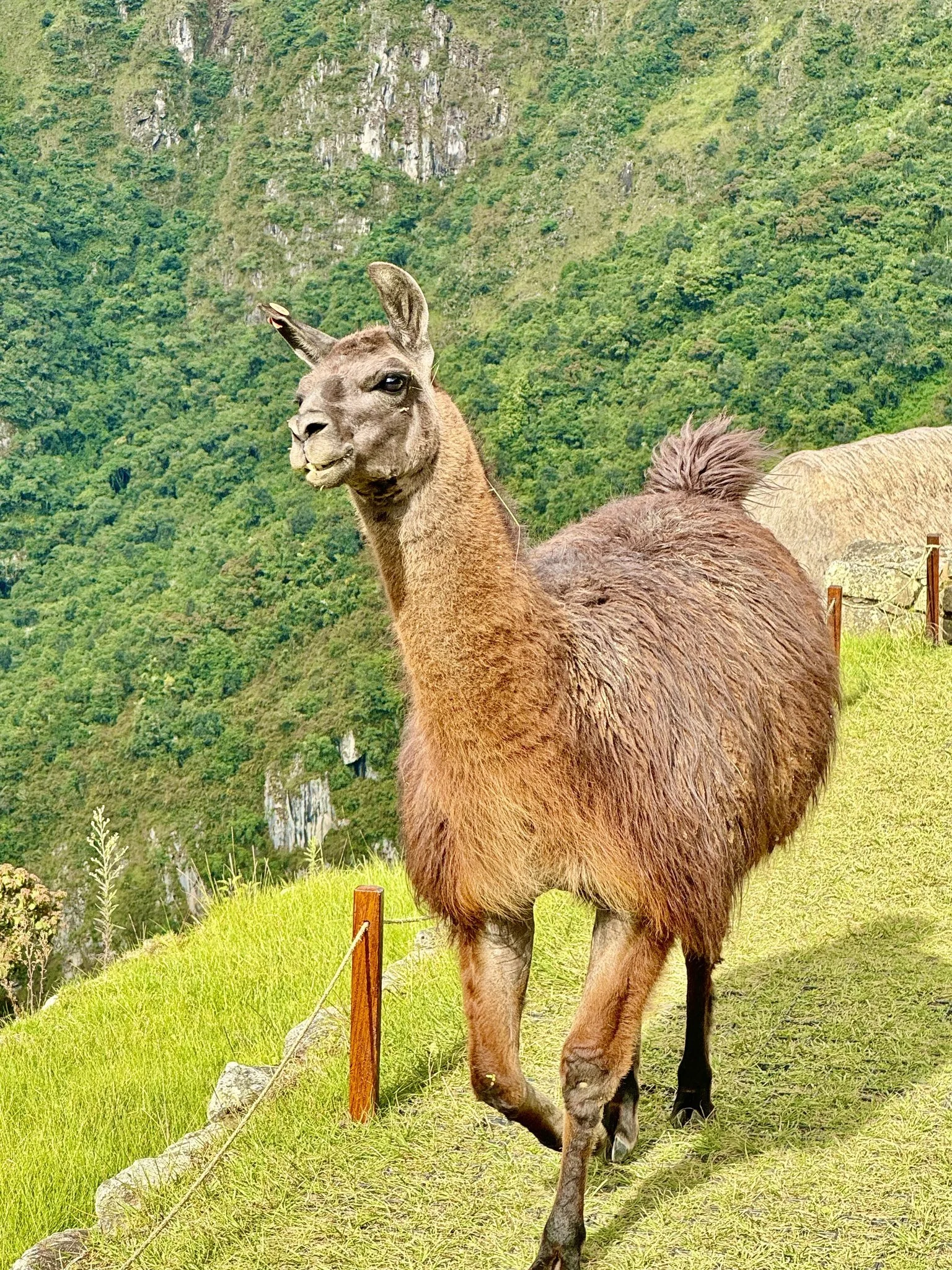
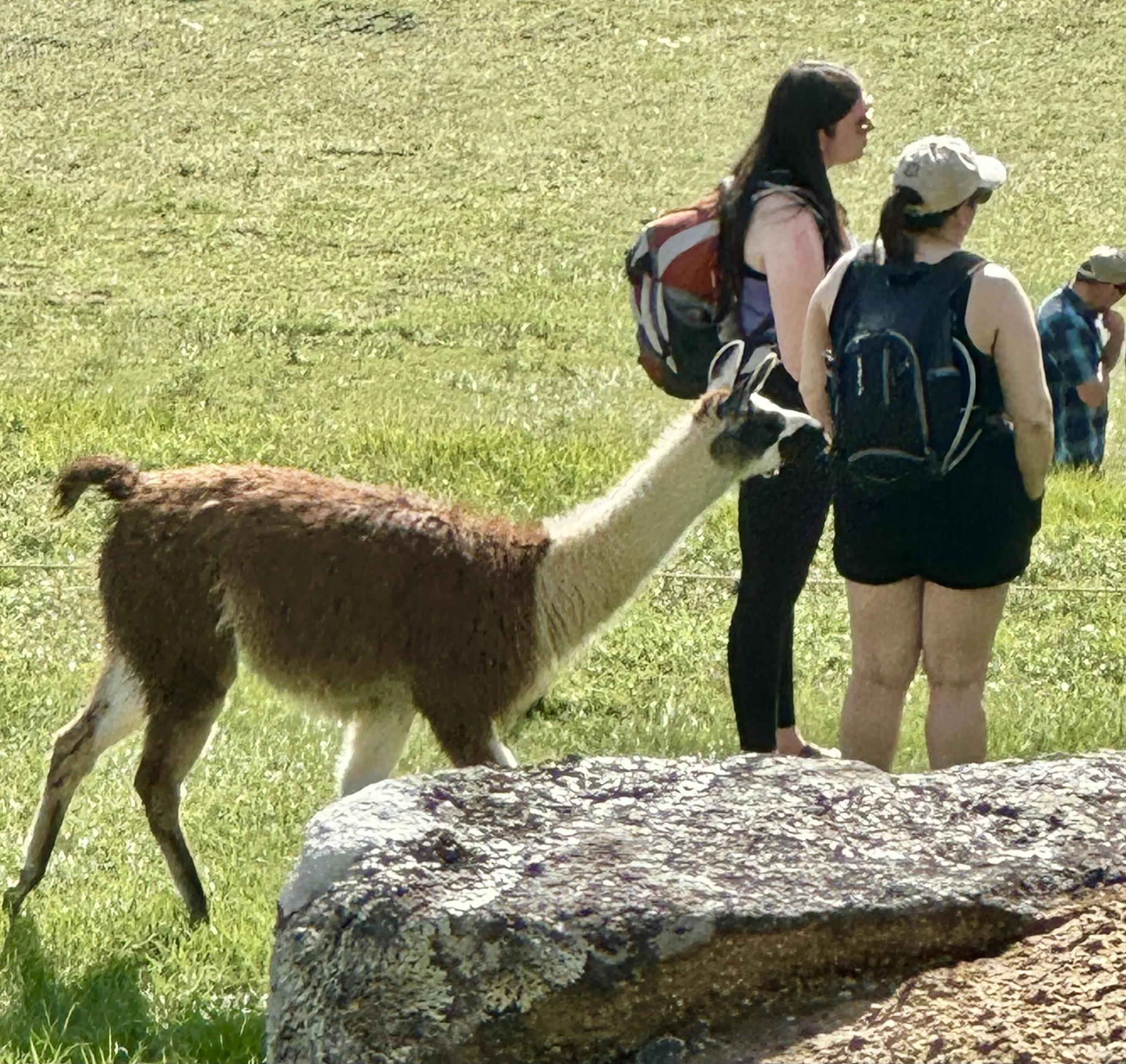
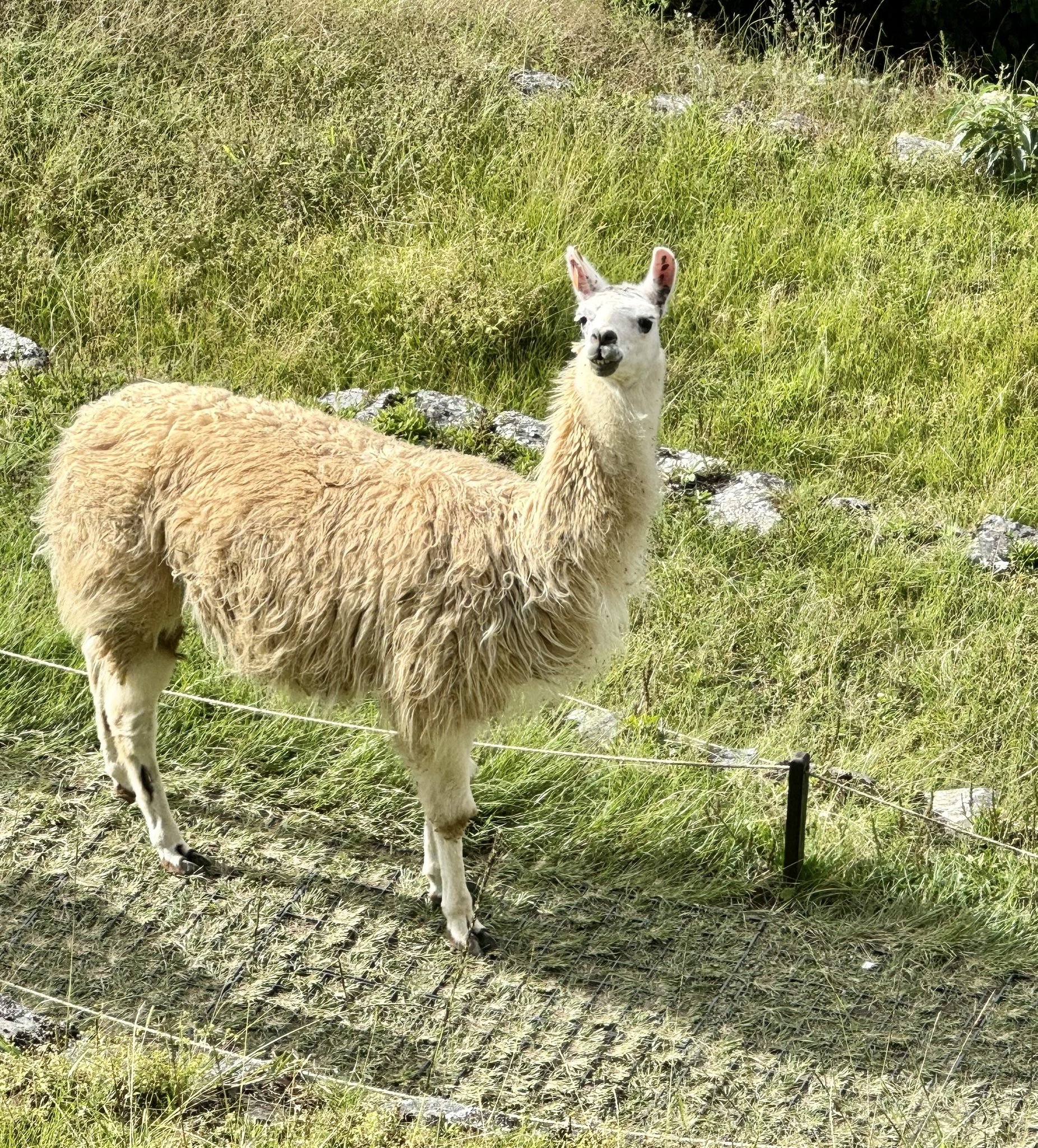
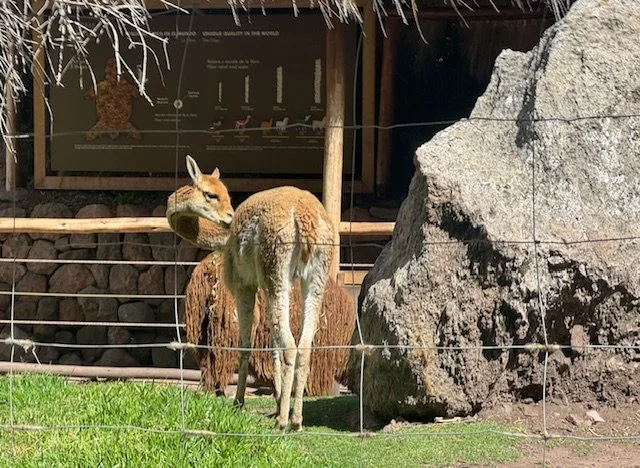
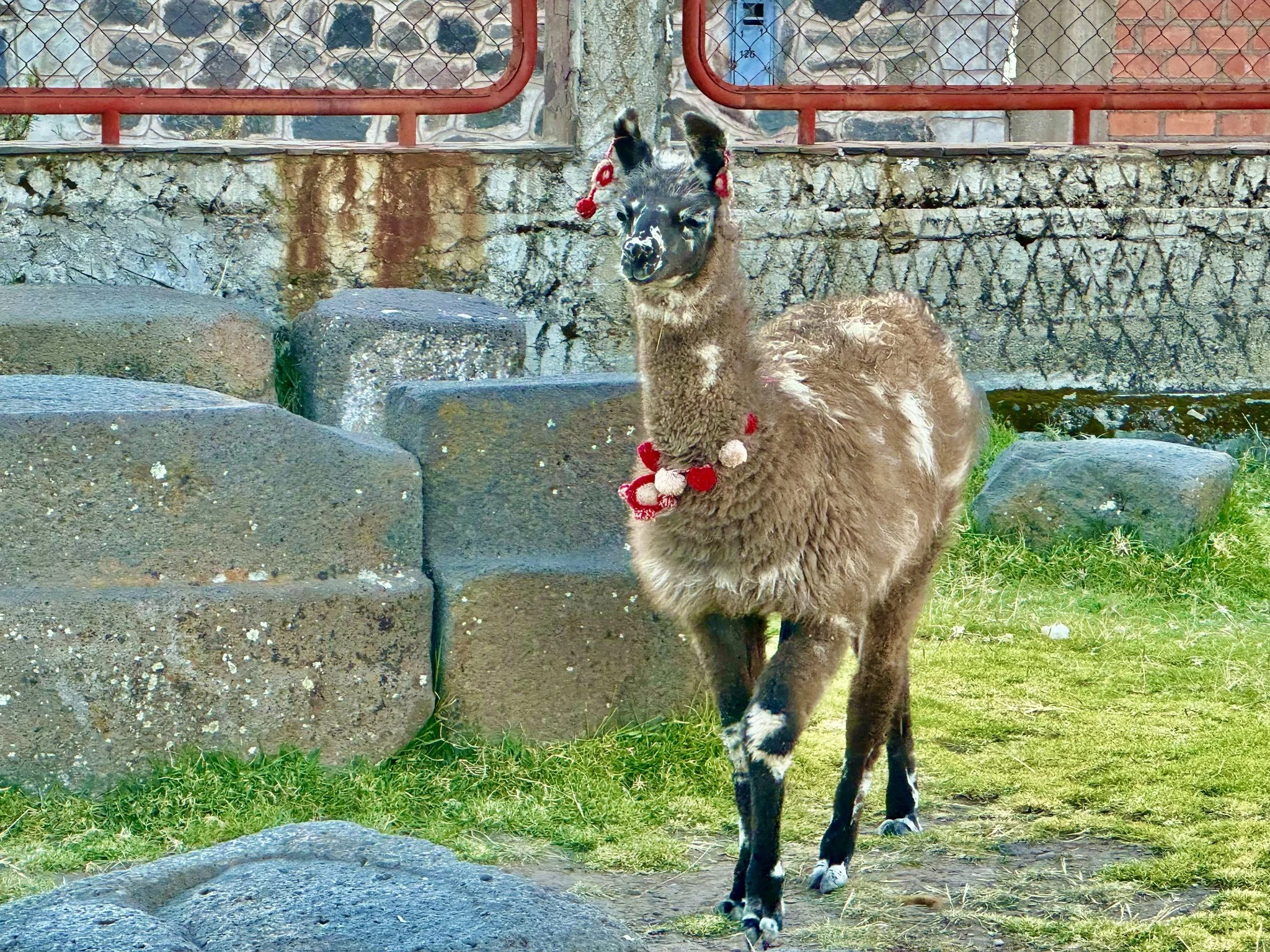
We also did a city tour of Puno, featuring it most interesting sites, including the Baroque cathedral. We had lunch and ended our day visiting the Fertility Garden, and, visiting llamas, alpaca’s and hybrids that we couldn’t get enough of.

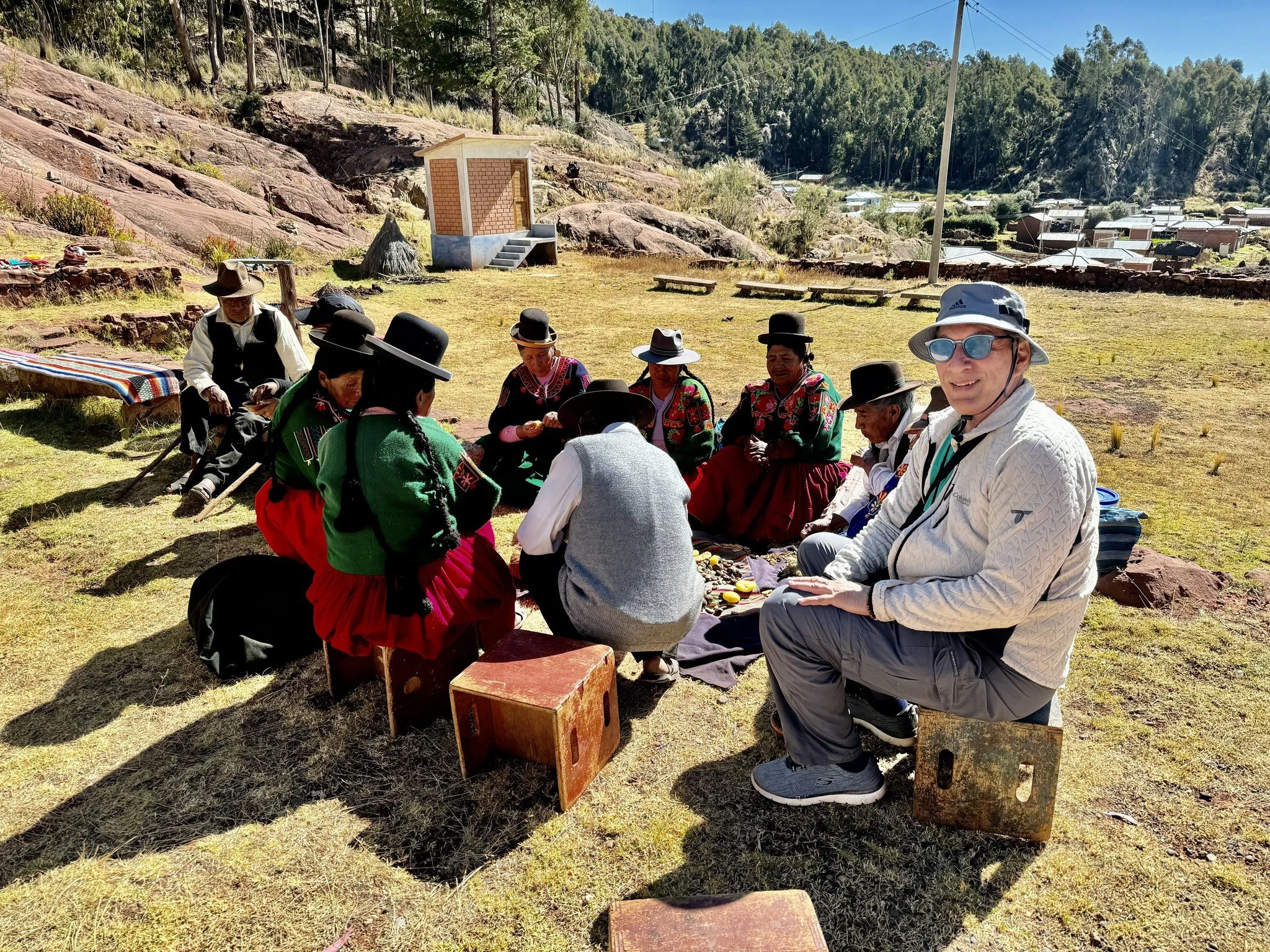
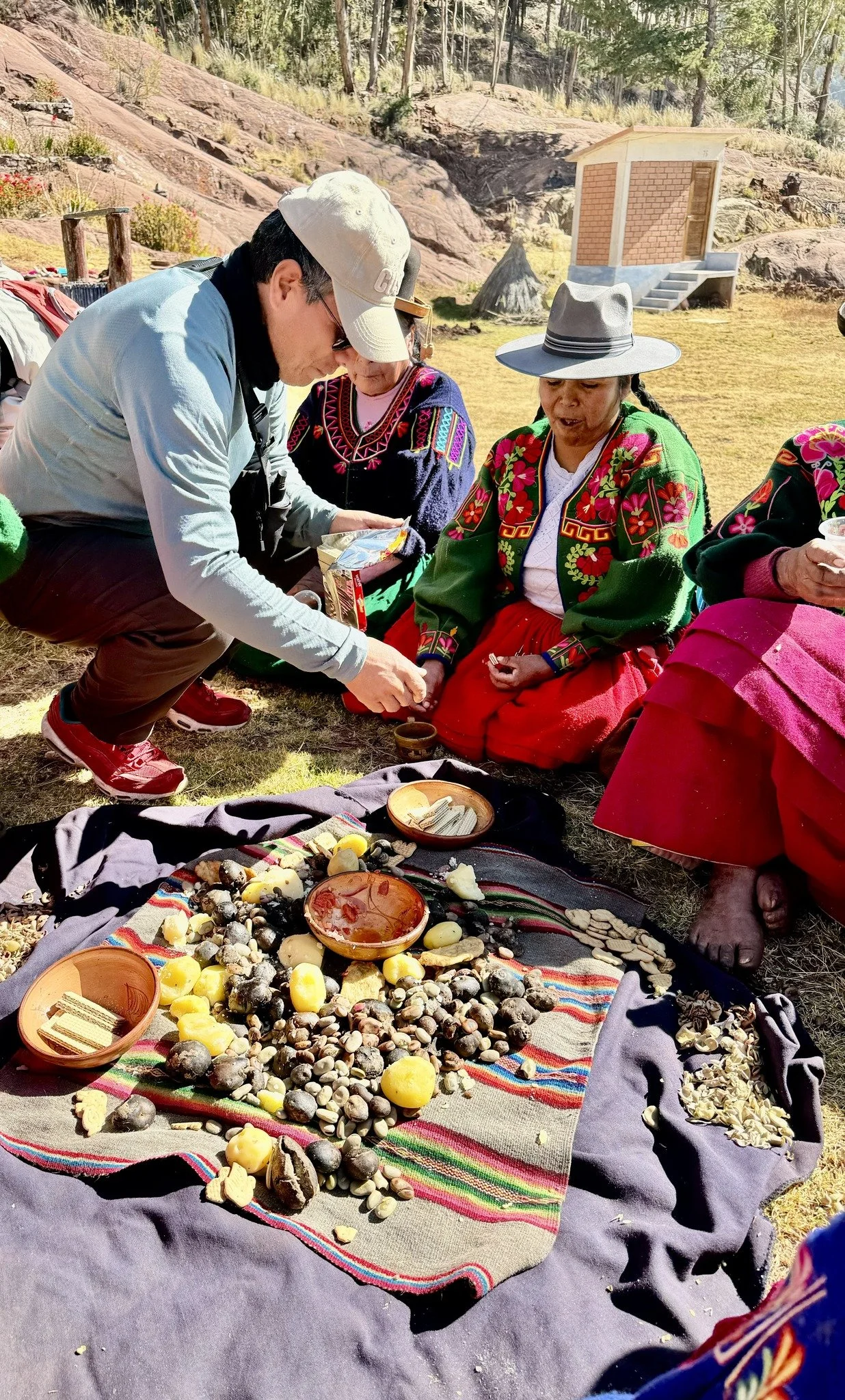
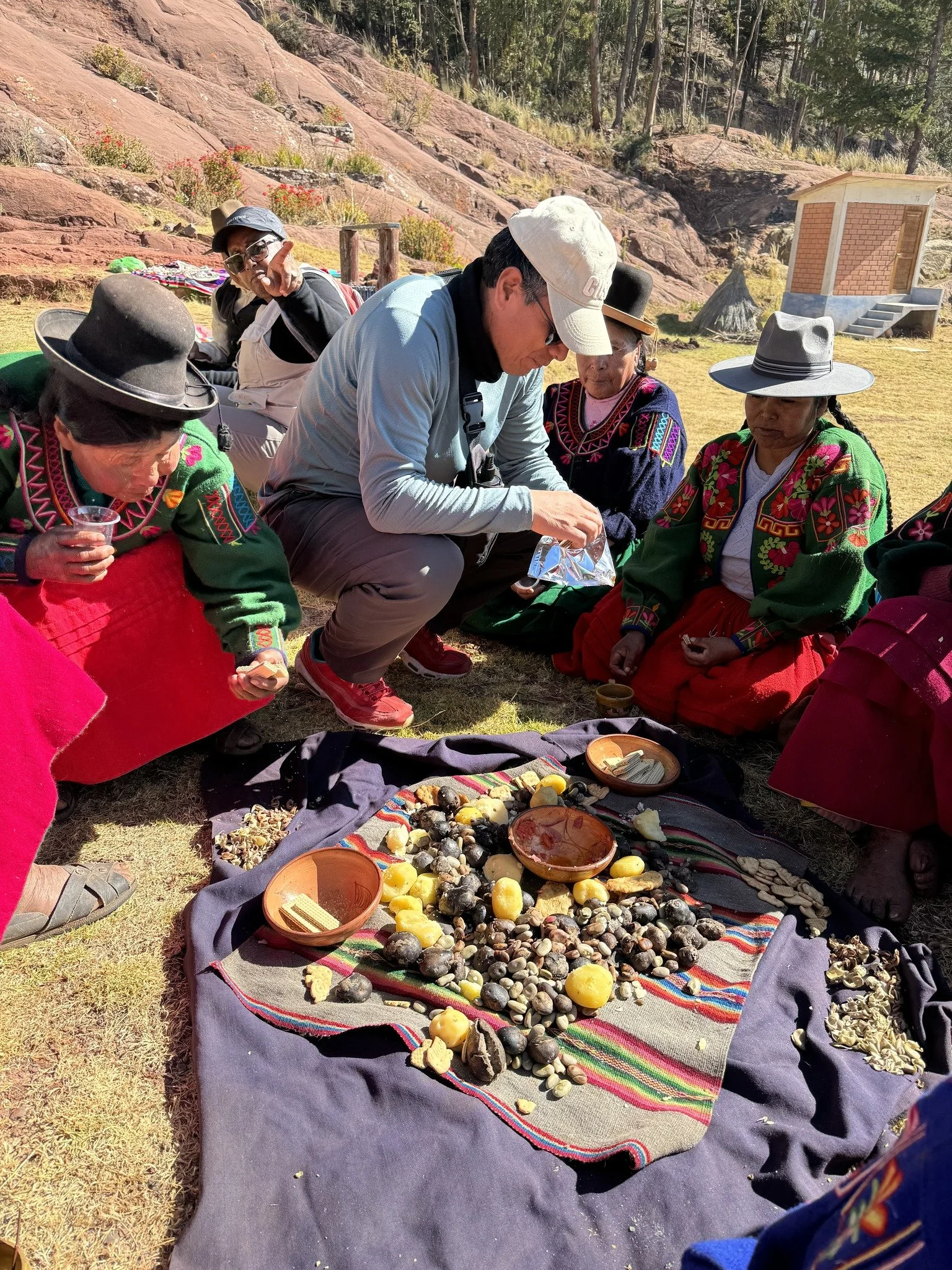
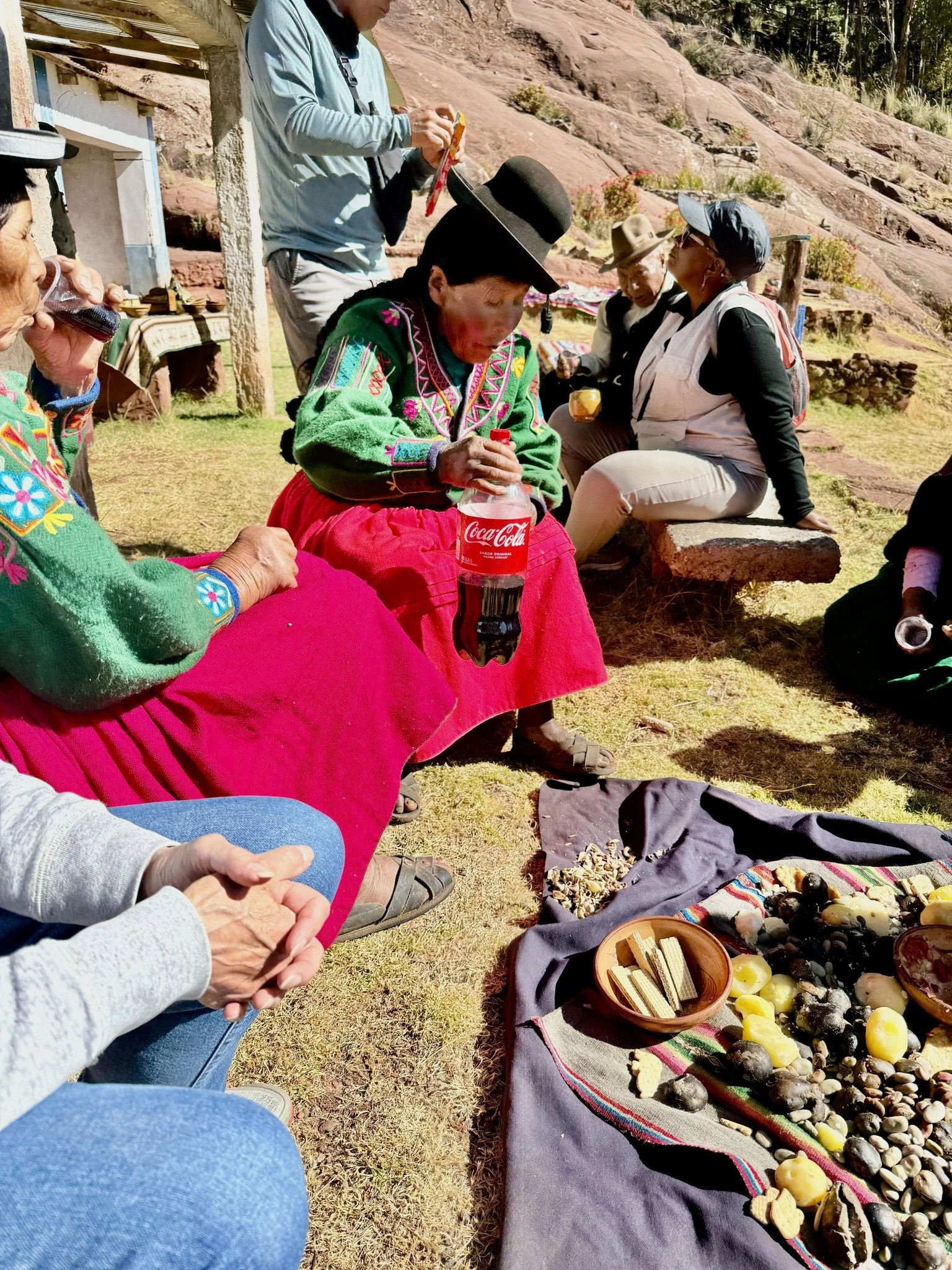
Lunch with the Aymara Indigenous Indian Community

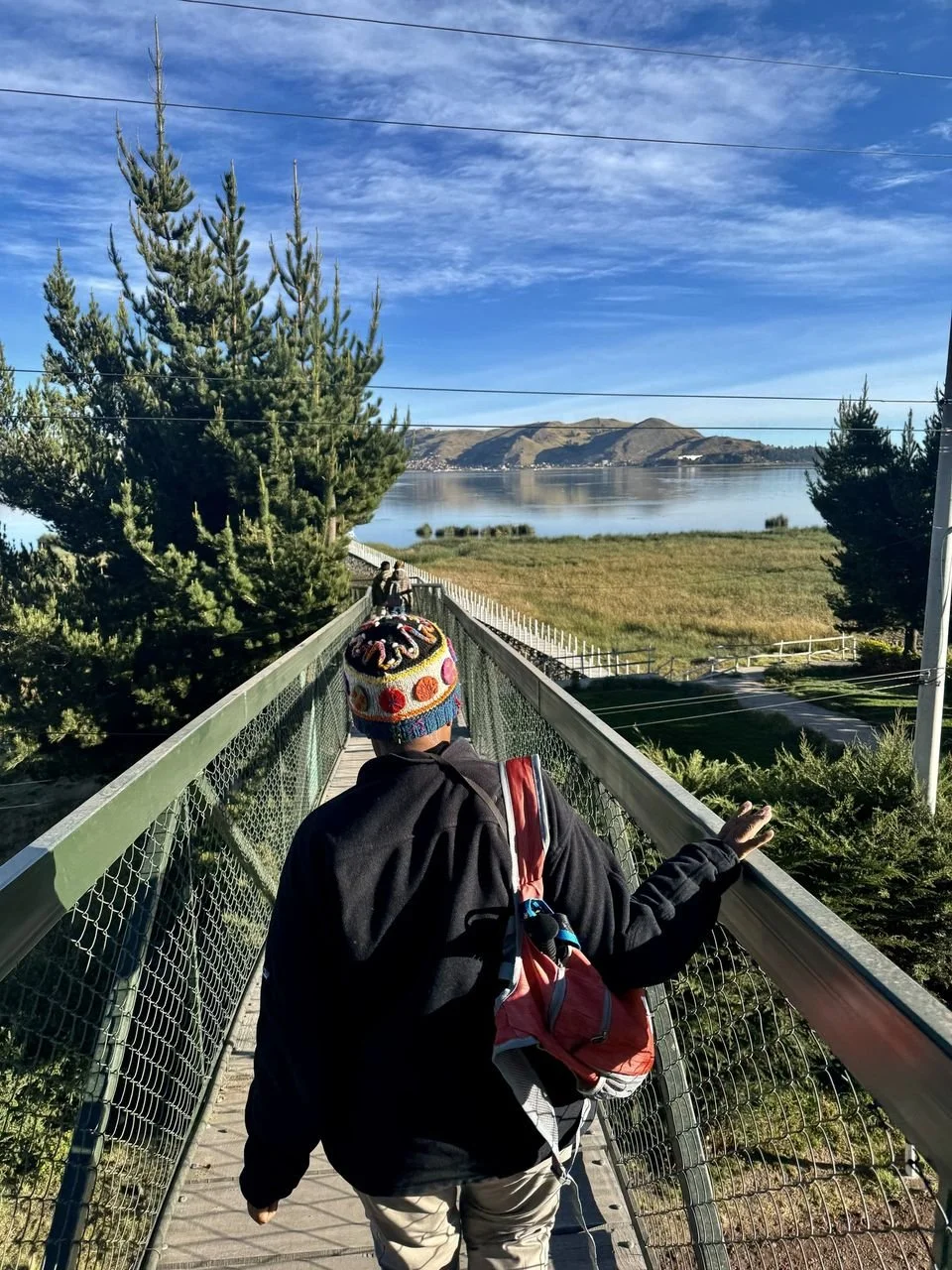
We are now in Southern Peru, after flying to Lima, and a second flight to Puno. Stretching across the borders of Bolivia and Peru, Lake Titicaca is located in the Andes mountain. Our hotel San Antonio faces it. It is said to be the birthplace of the Inca, whose ruins still litter its shores. Today, it is the home to indigenous, UNESCO-protected communities. We enjoyed the azure waters of the lake as we as we walked along its northern shore. According to Andean legend, a pair of gods rose from the waters to found the Inca empire.

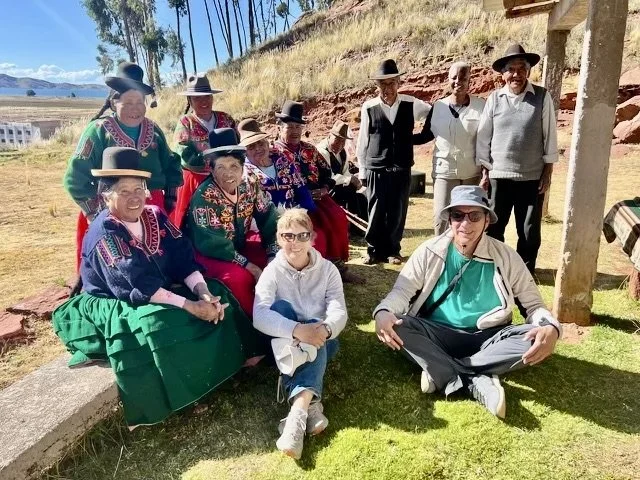
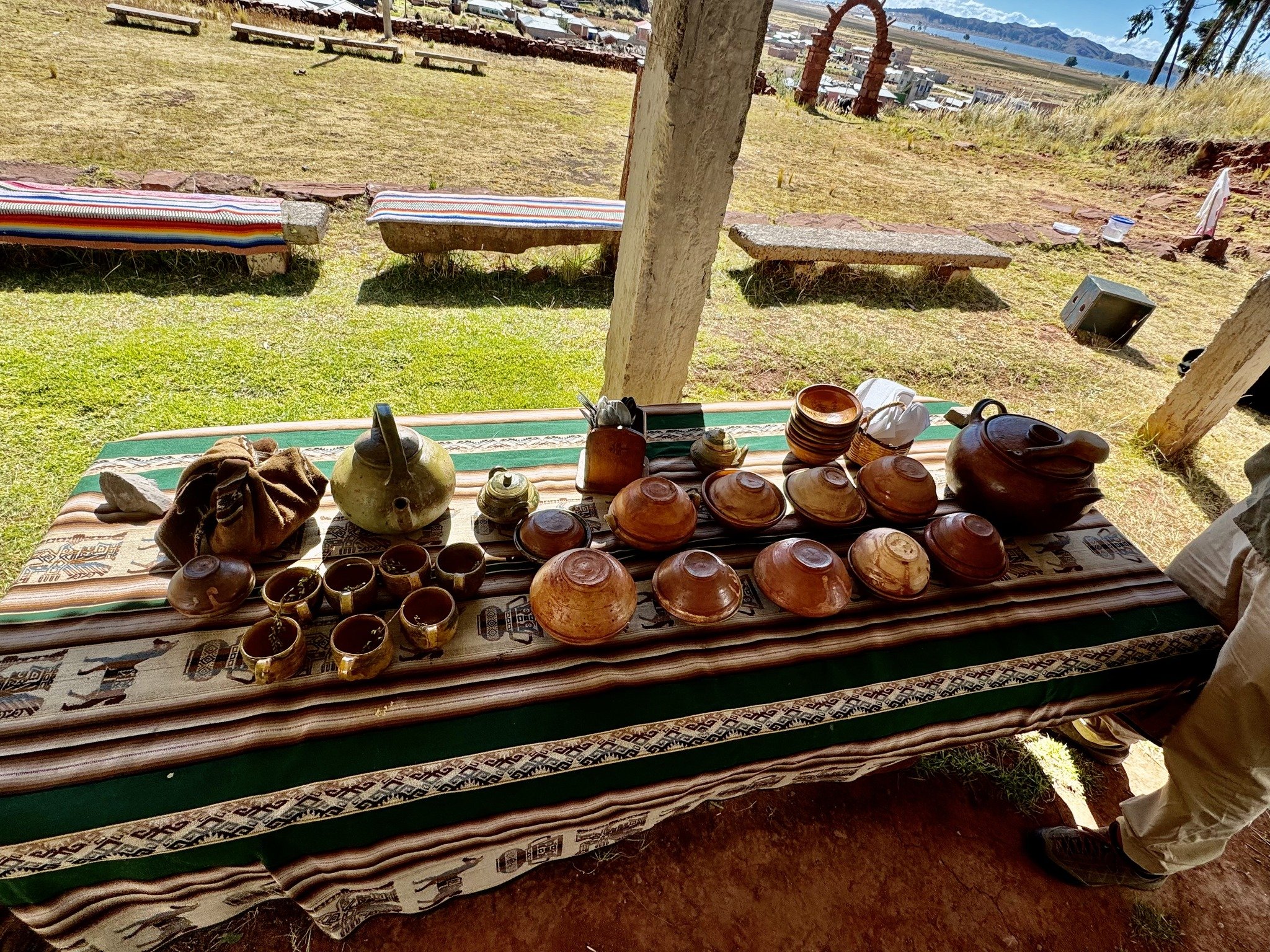
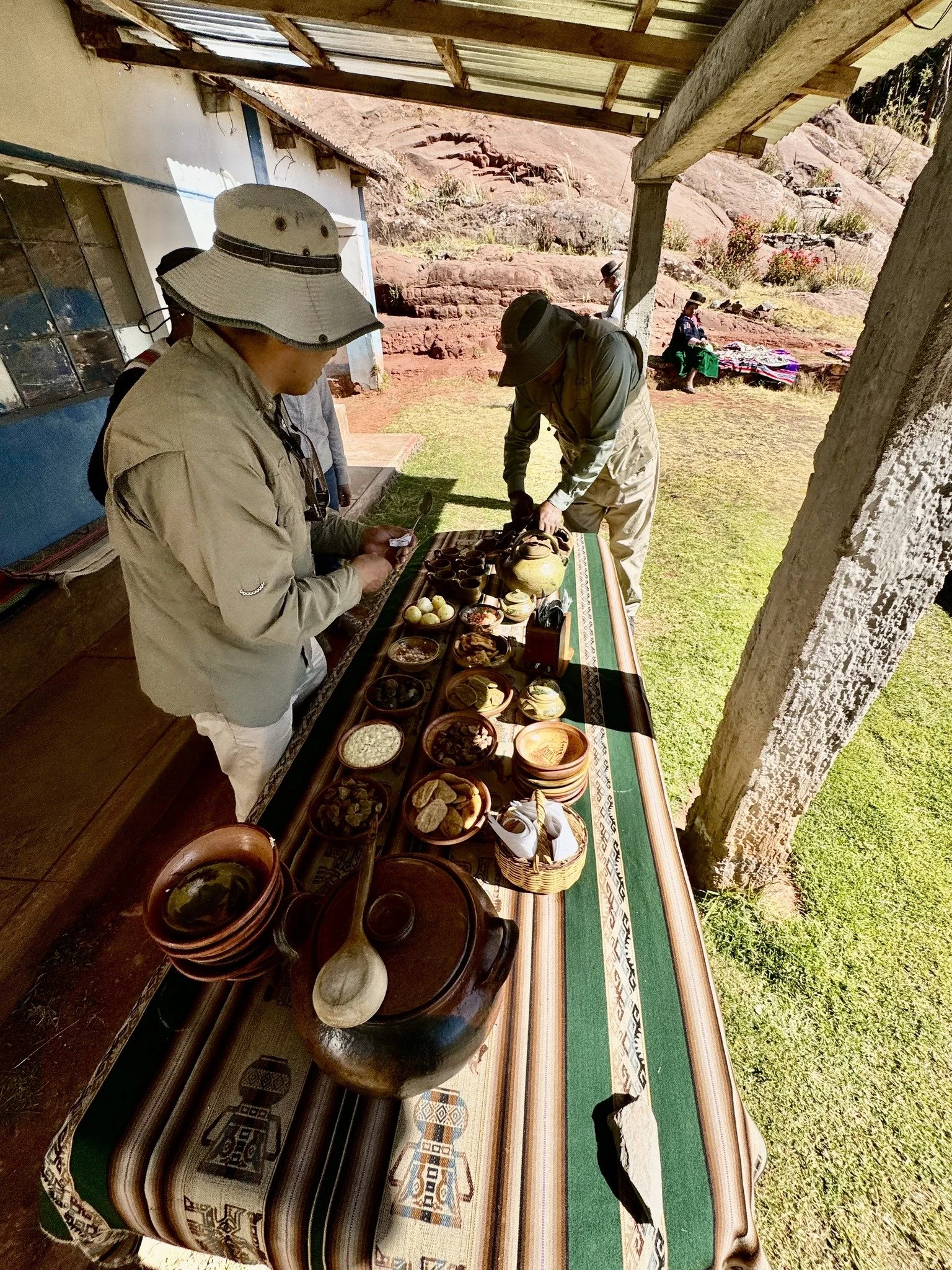
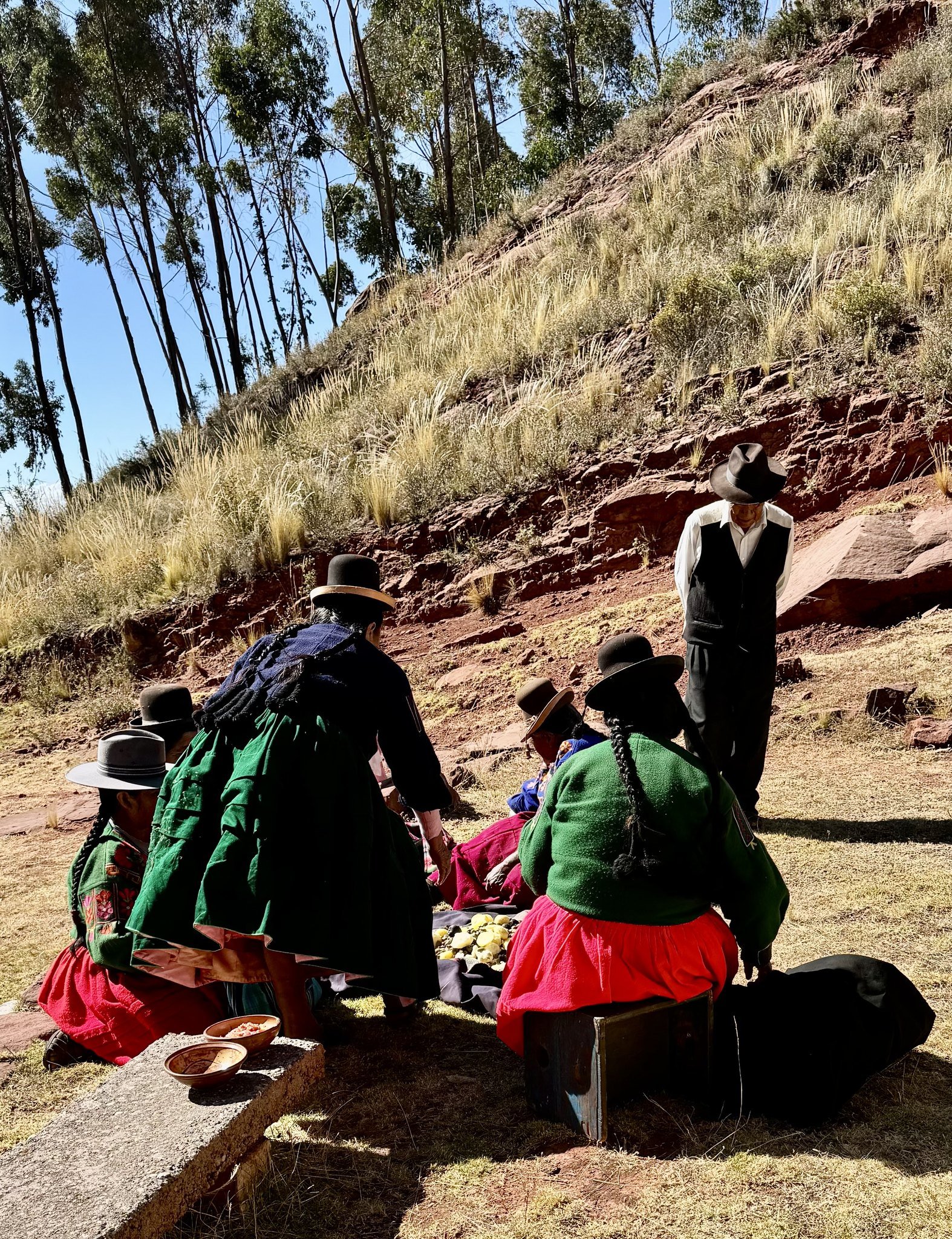
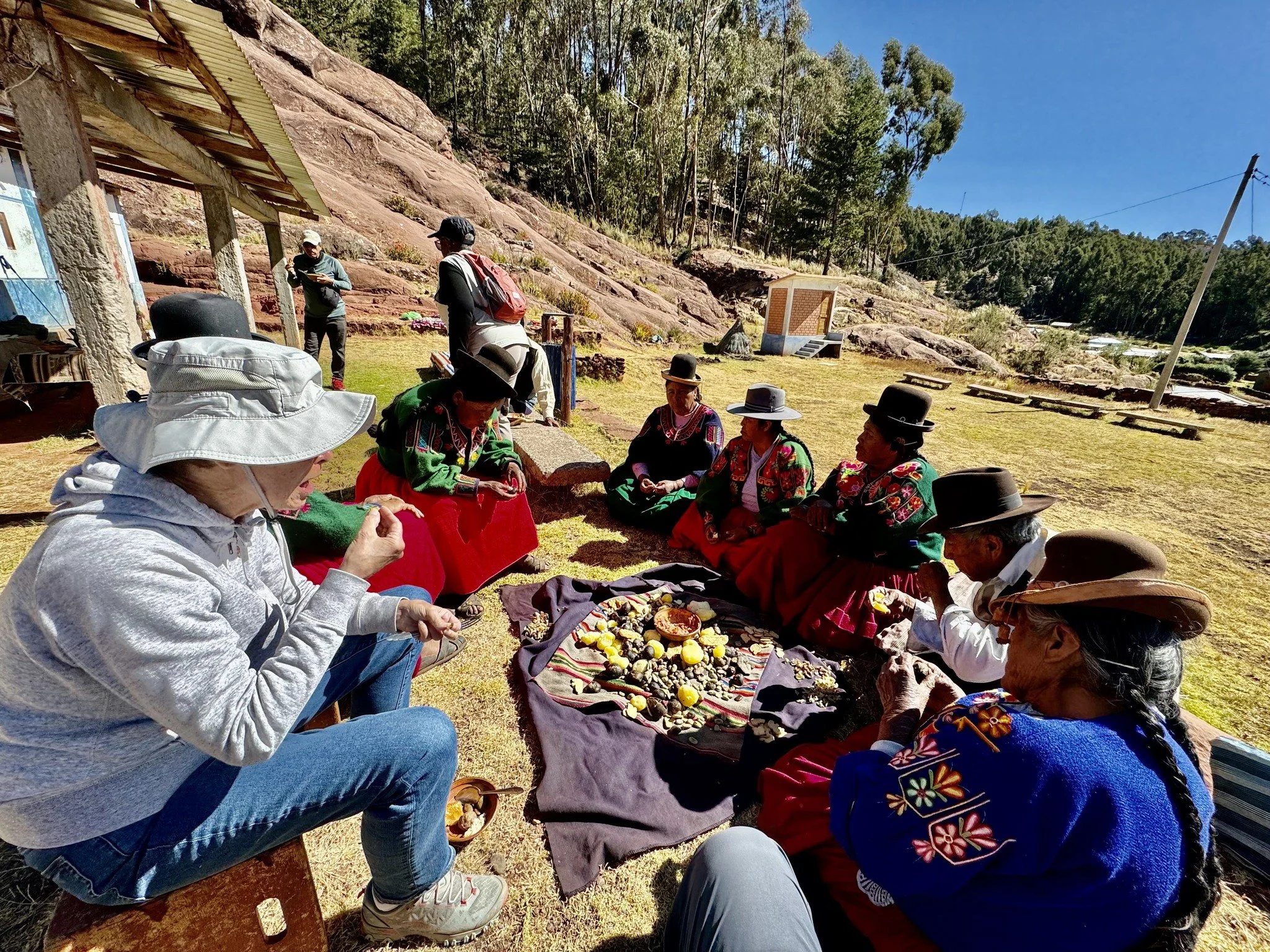
Our next destination, Chucuito, a small Aymara town just south of Puno. After the introduction were made we had lunch with an indigenous tribe. They had prepared a banquet of food. Our guide, Salvador Torres brought bananas, bread, wafers and surprisingly quarts of Coca Cola which the elders especially took a liking to—especially the men. Salvador played a modern dance song and danced to the music drawing laughs from this gentle community. The Aymara were conquered in the mid-fifteenth century and incorporated into the Incan empire.

Award-Winning Baker in Oropesa in Cusco Peru Designs a Bread With My Name on It

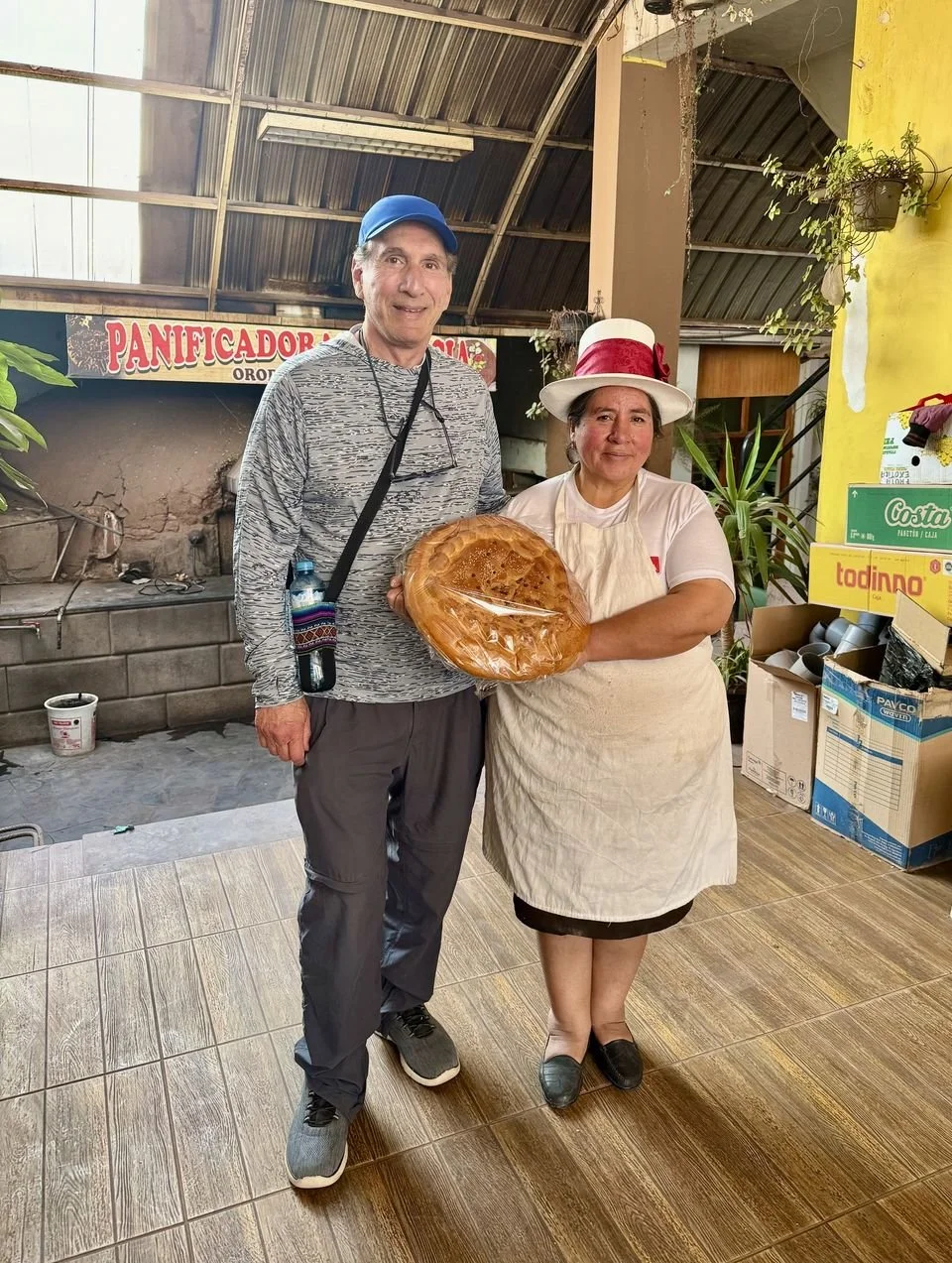
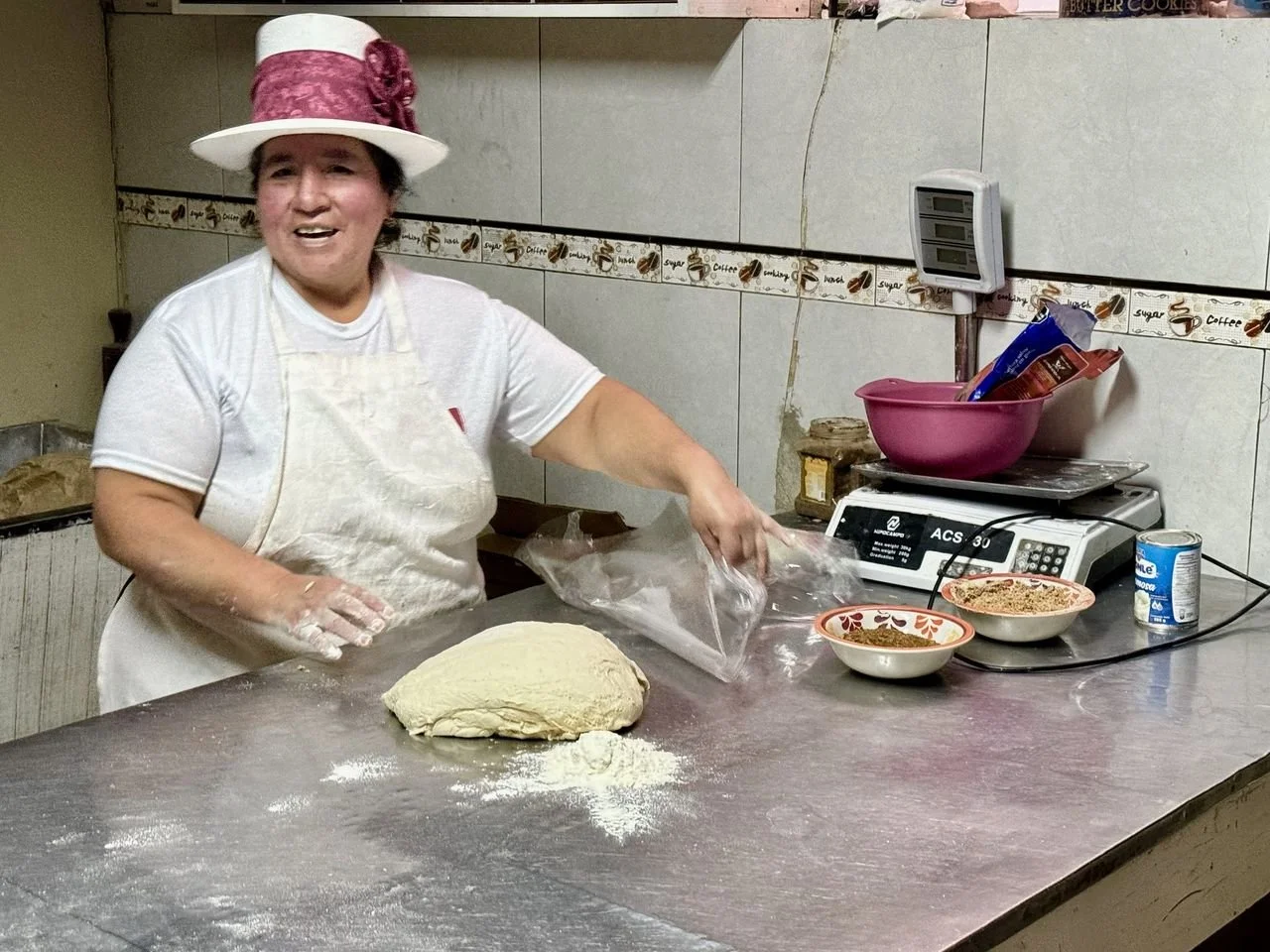
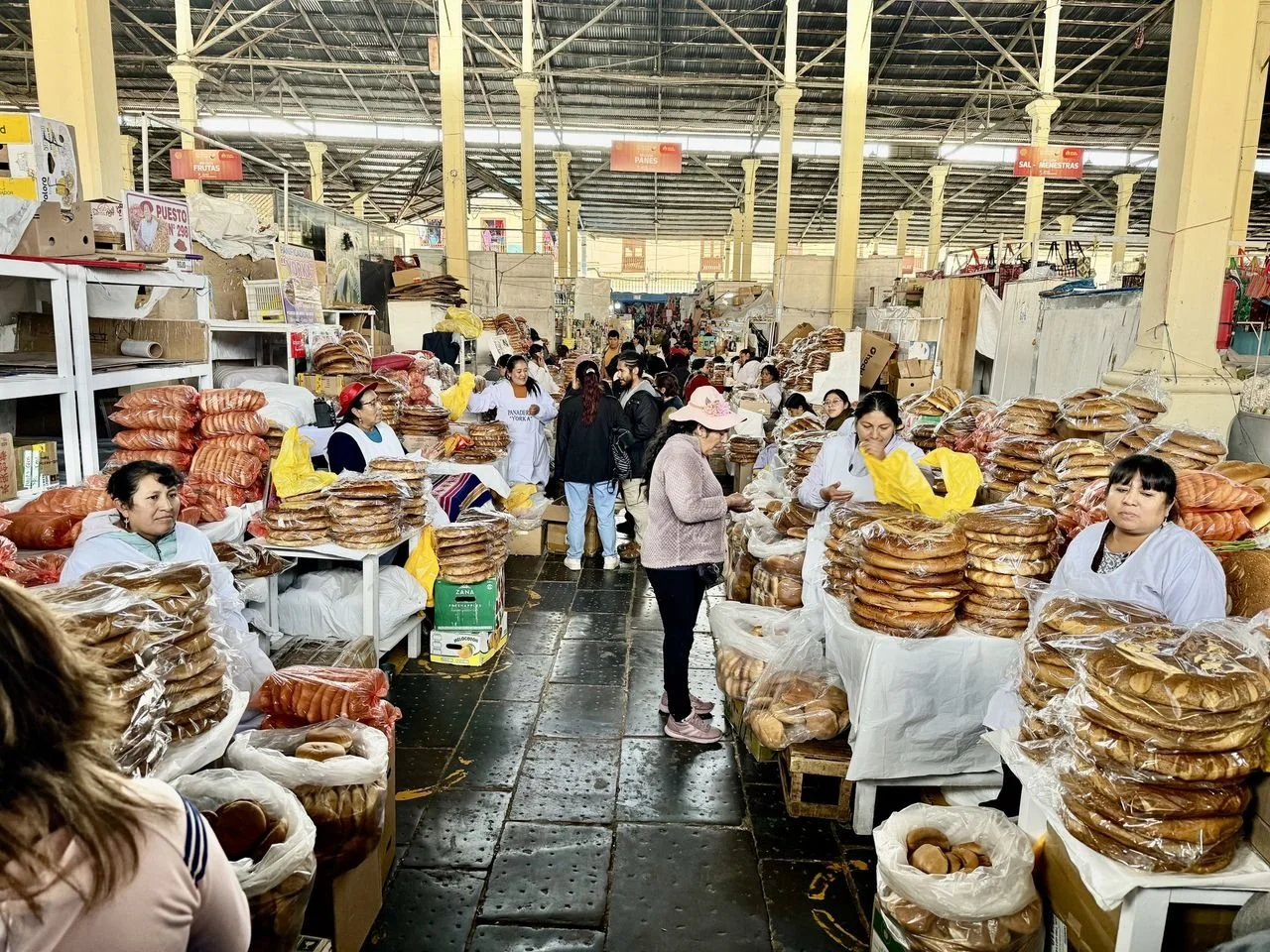
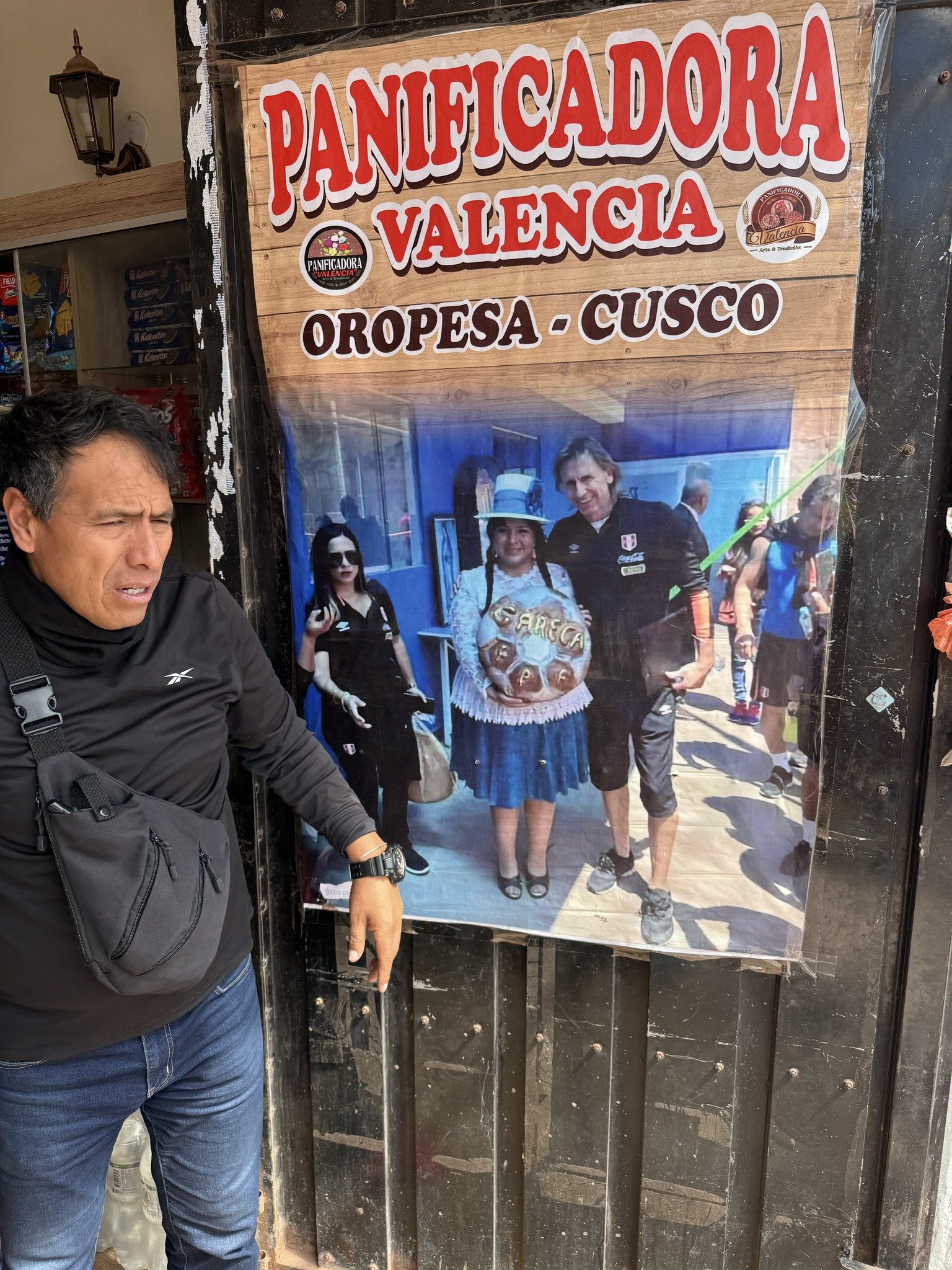
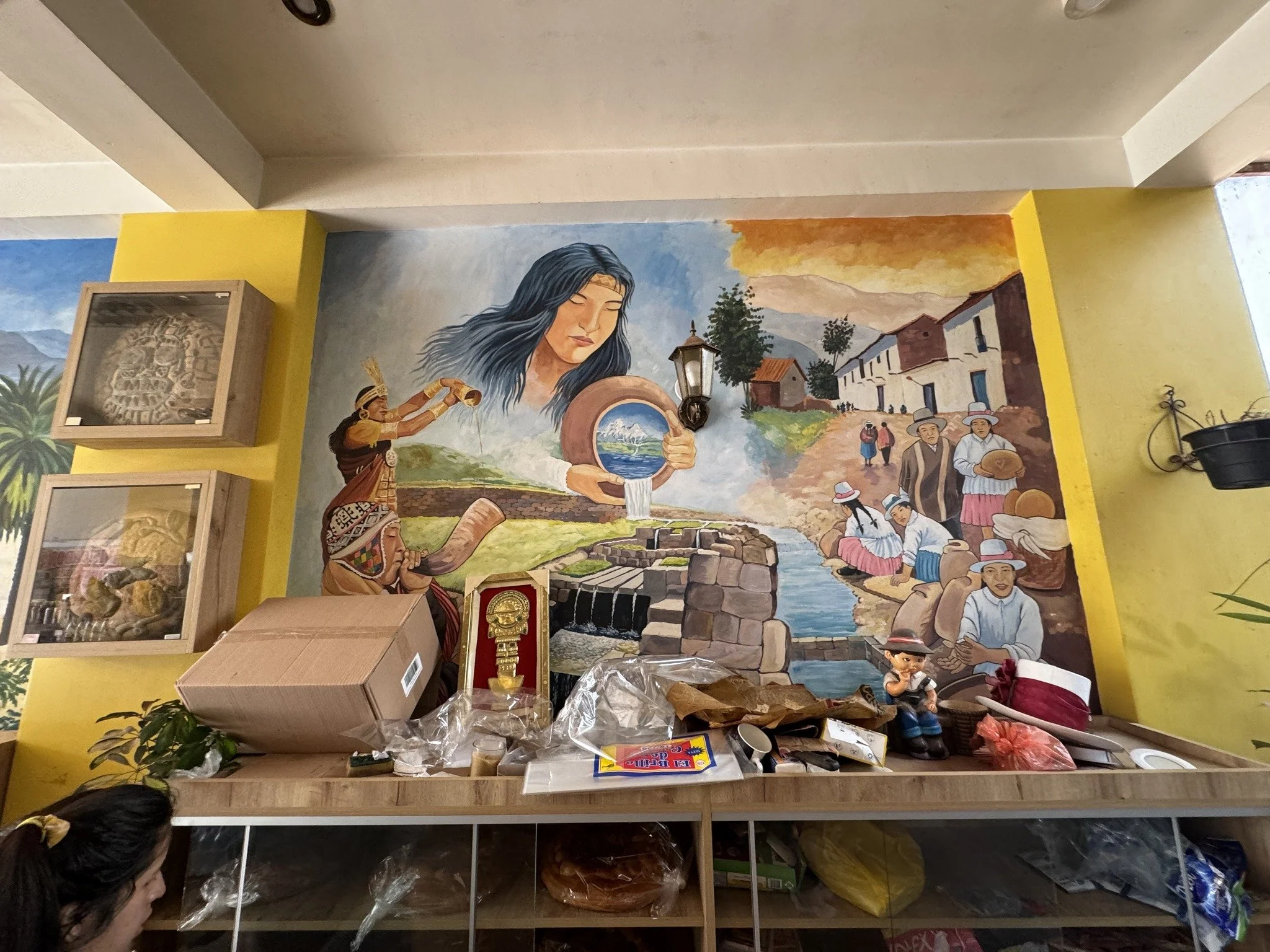
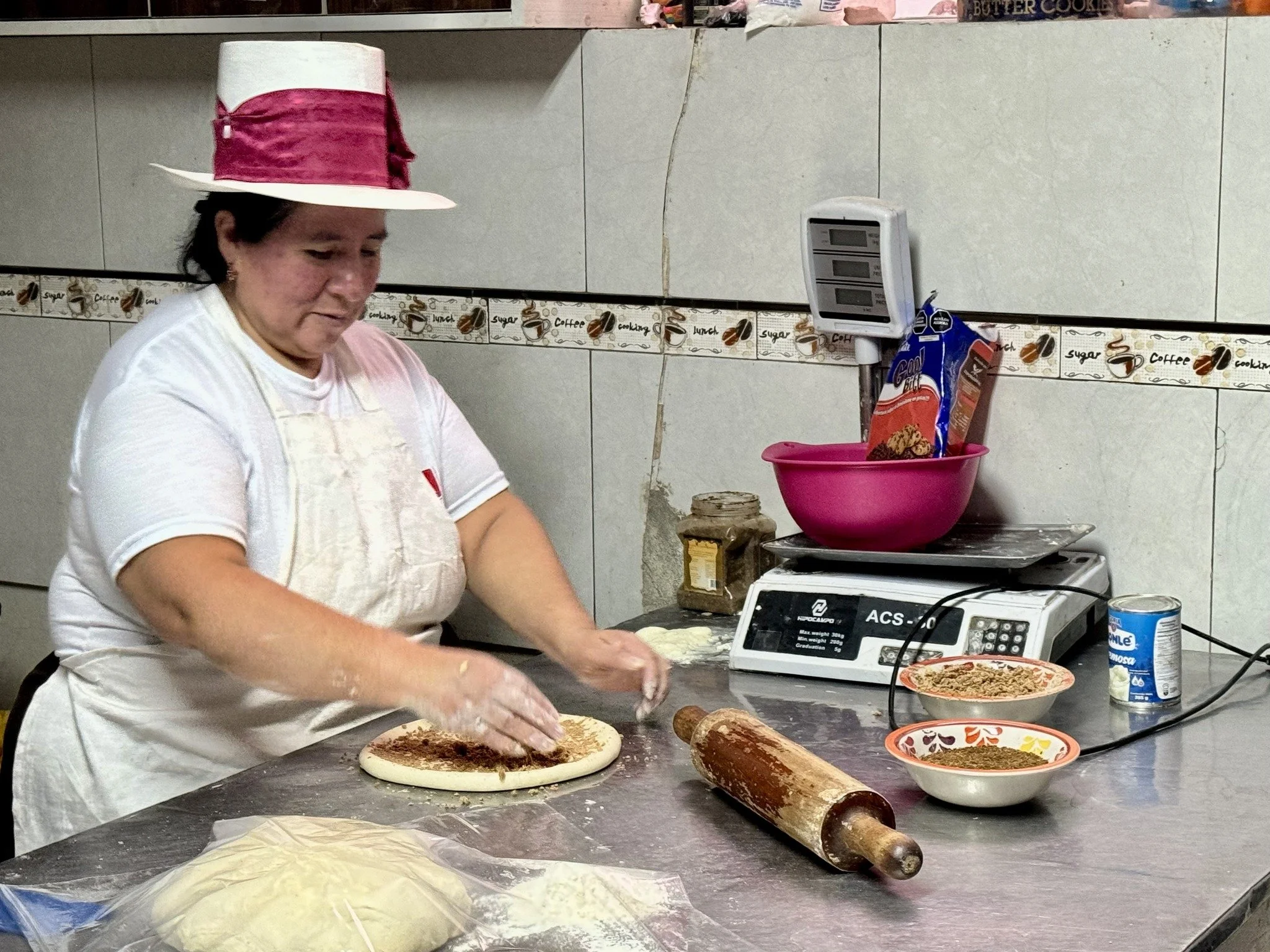
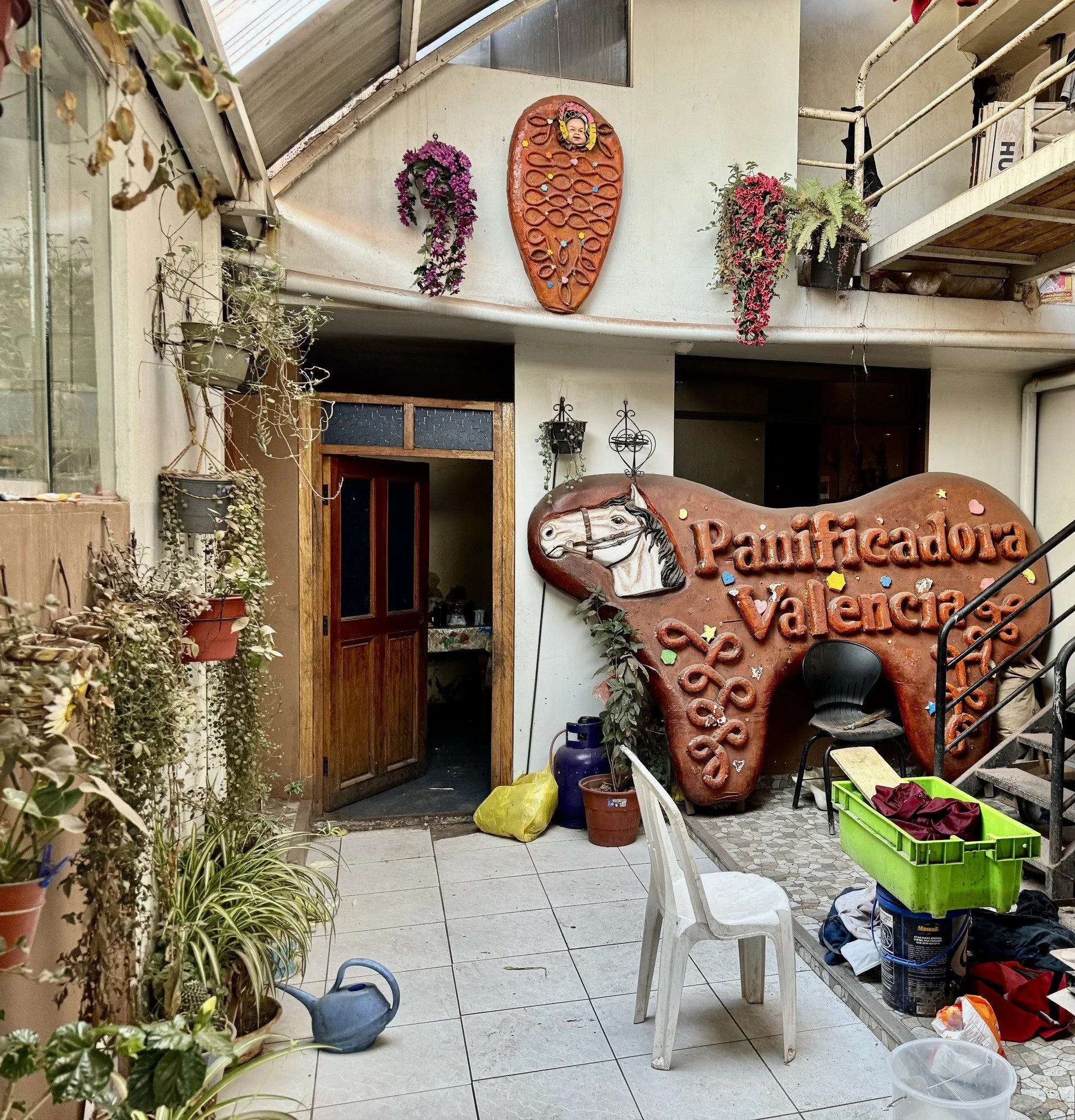
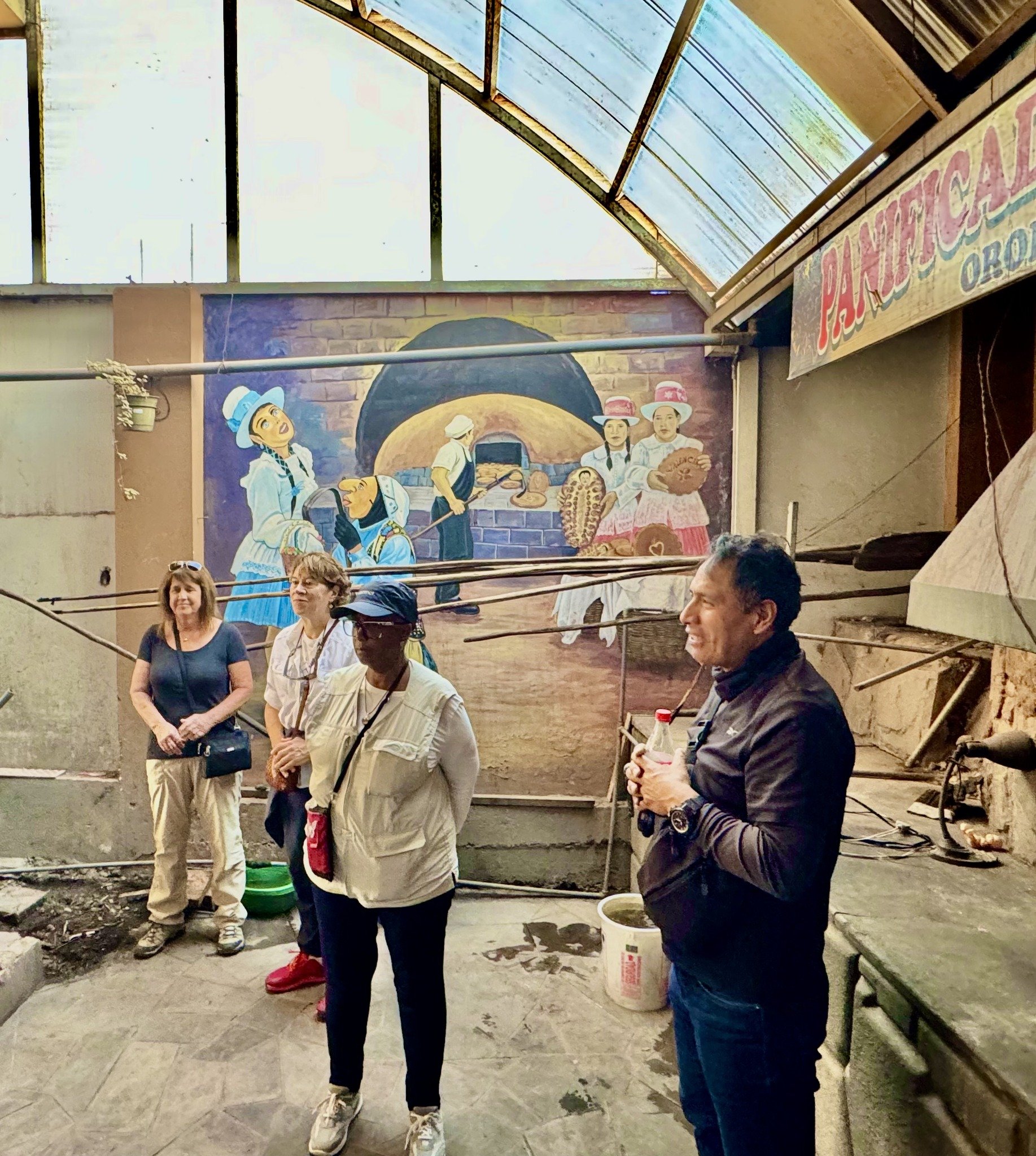
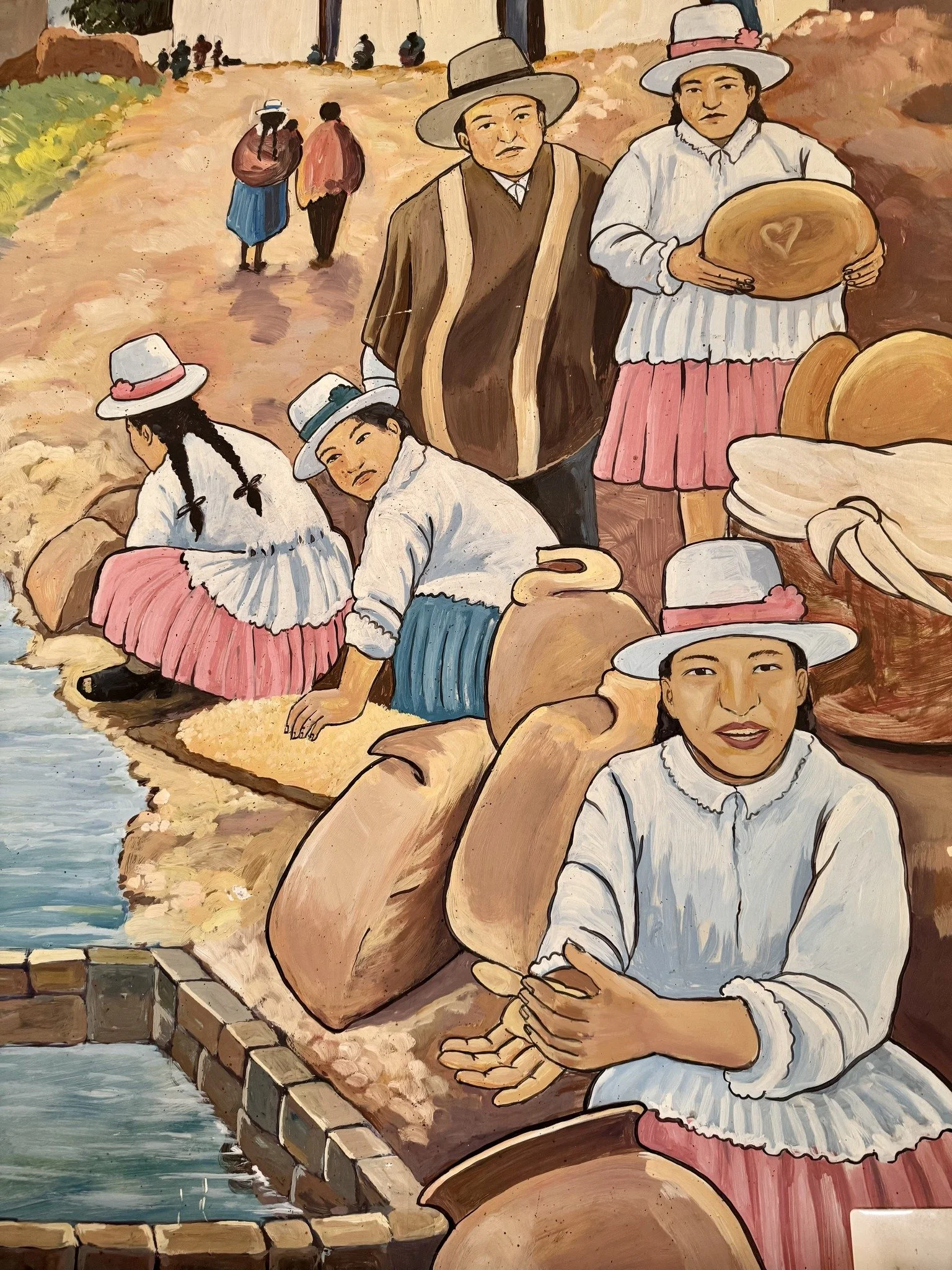
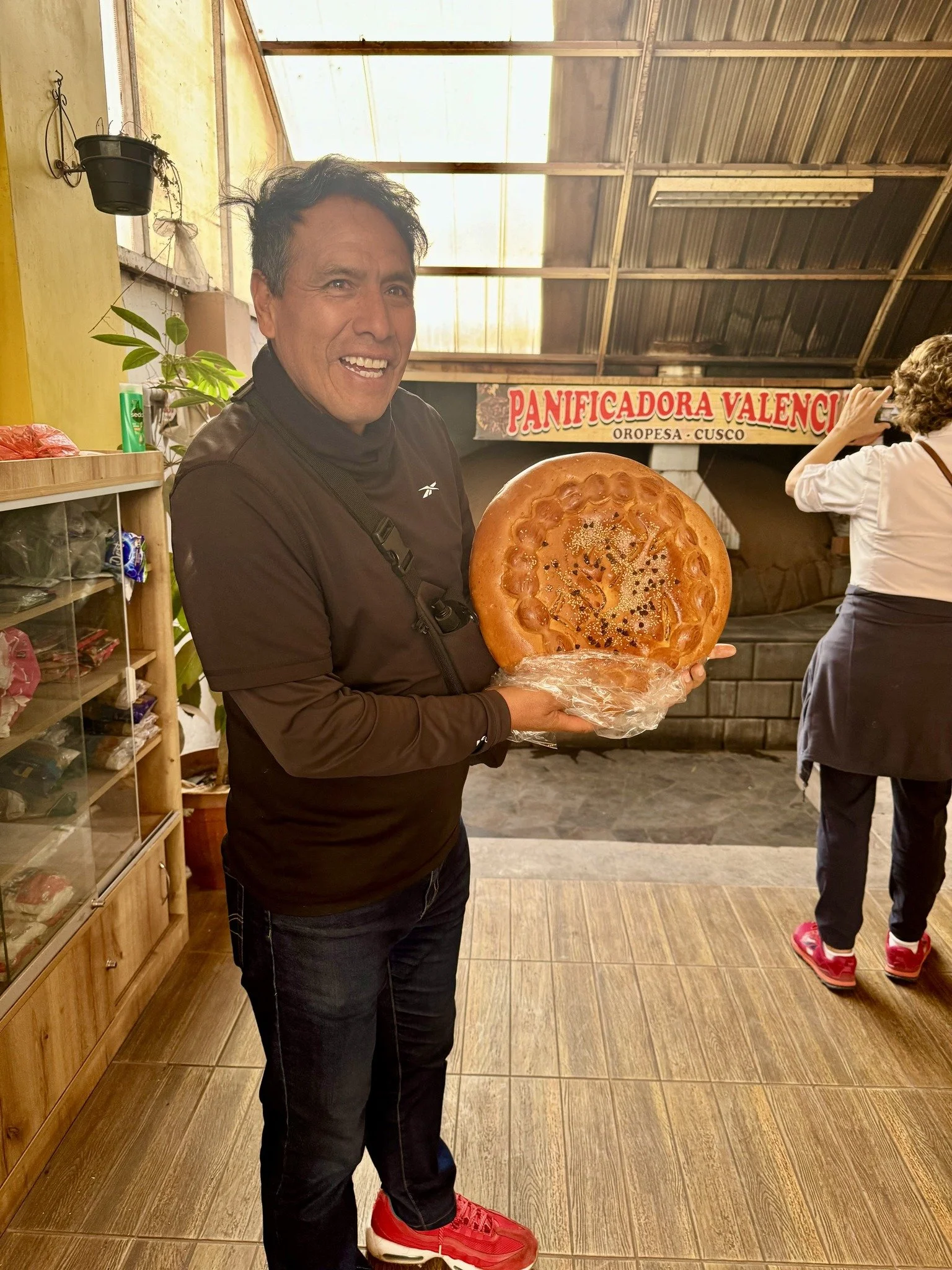
On Sunday morning we explored the Southern Valley of Cusco beginning with a bus ride to Oropesa. This small town is known for a special eucalyptus-scented spongy-like bread called pan chuta, made in loaves as a big as a wheel and traditionally offered as a gift to the host when visiting a home in the Cusco area. We visited a small bakery operated by an innovative award-winning baker.

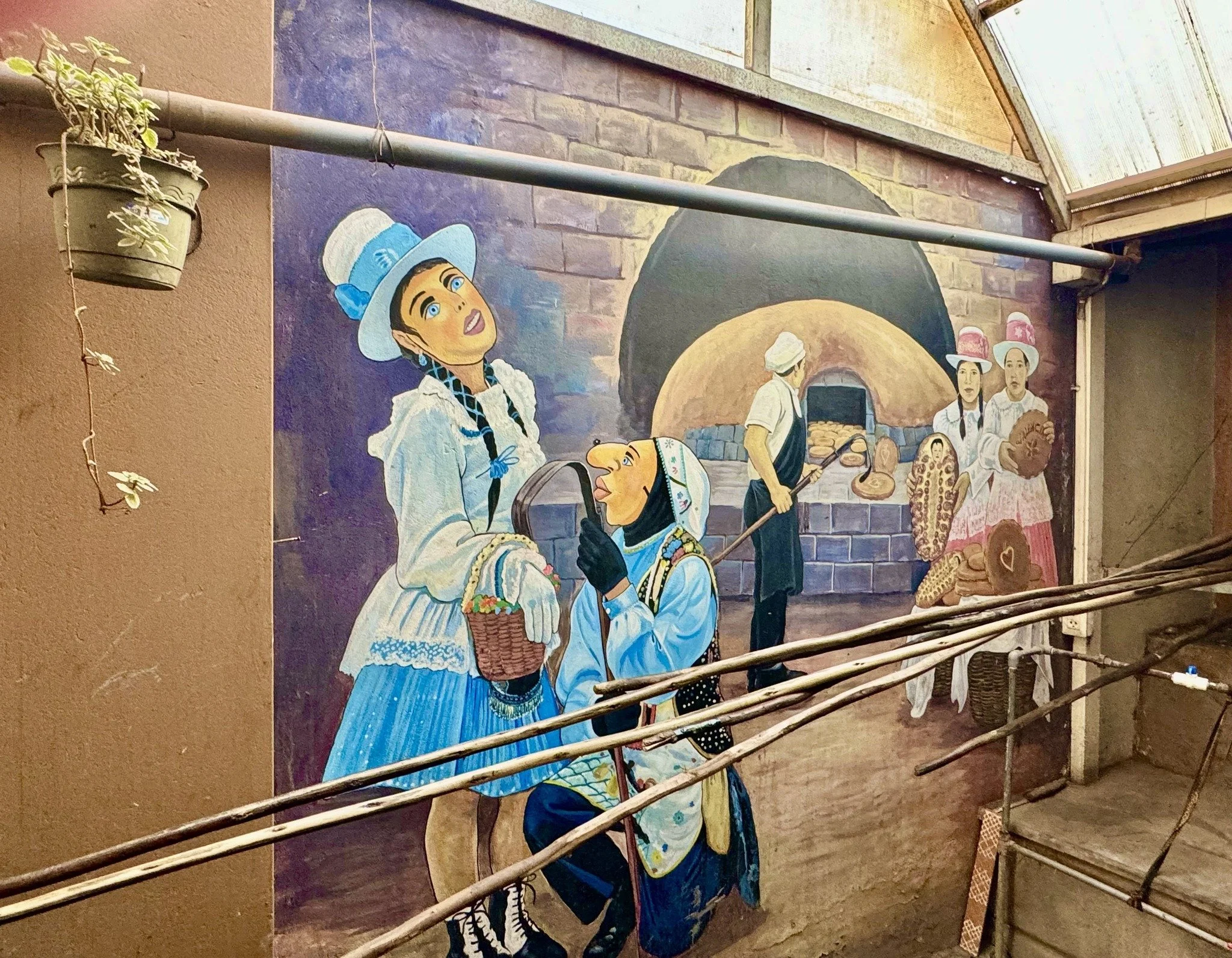
She gave us an introduction to how she goes about making her bread and told us that everything is fresh and natural and is baked in their domed adobe oven. We had the opportunity to ask her questions with help of our guide Salvador who translated. She told us she has been baking since she was ten years old. In spite of the fact she works long hours everyday, she said she loves her work.

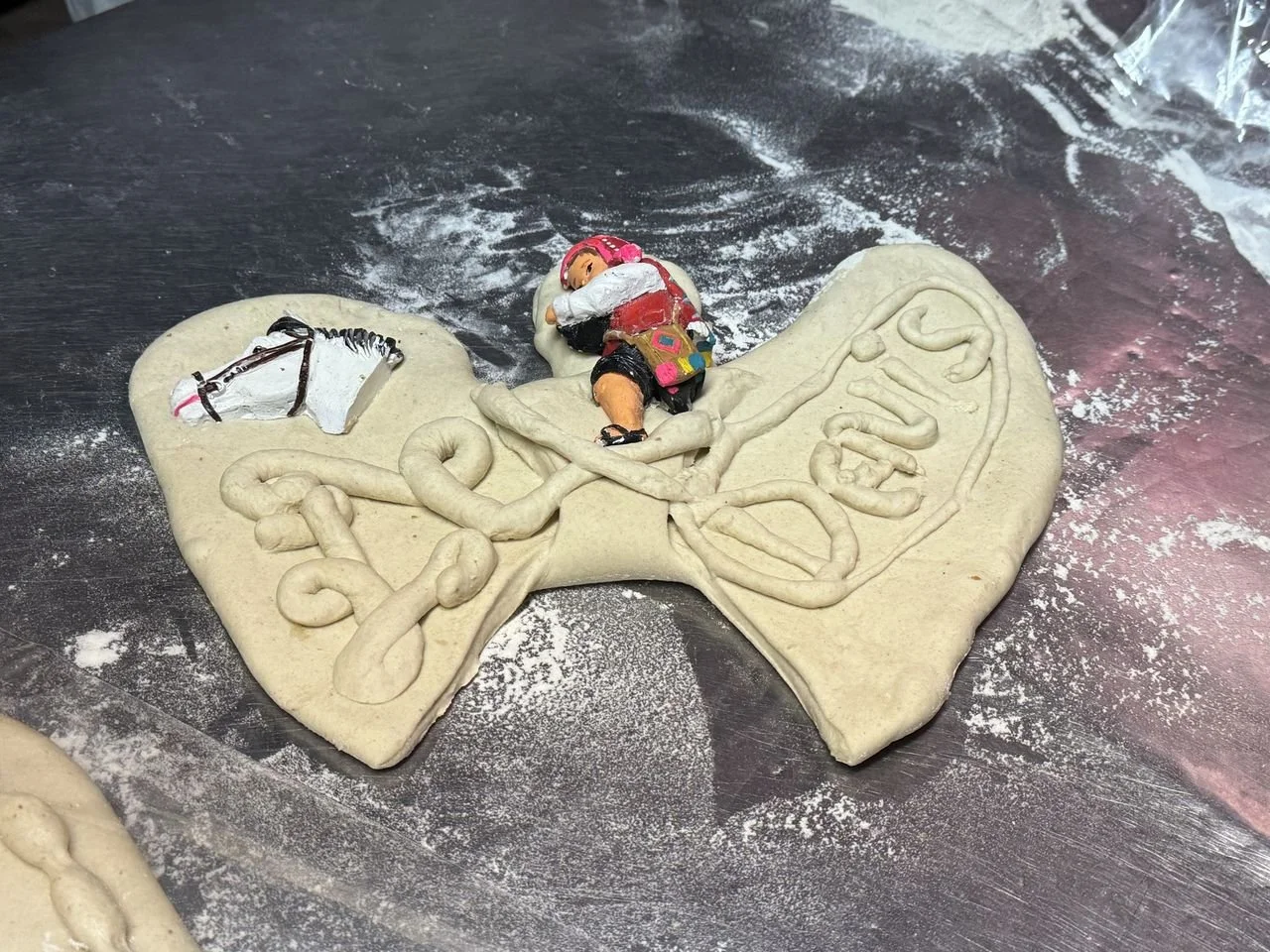
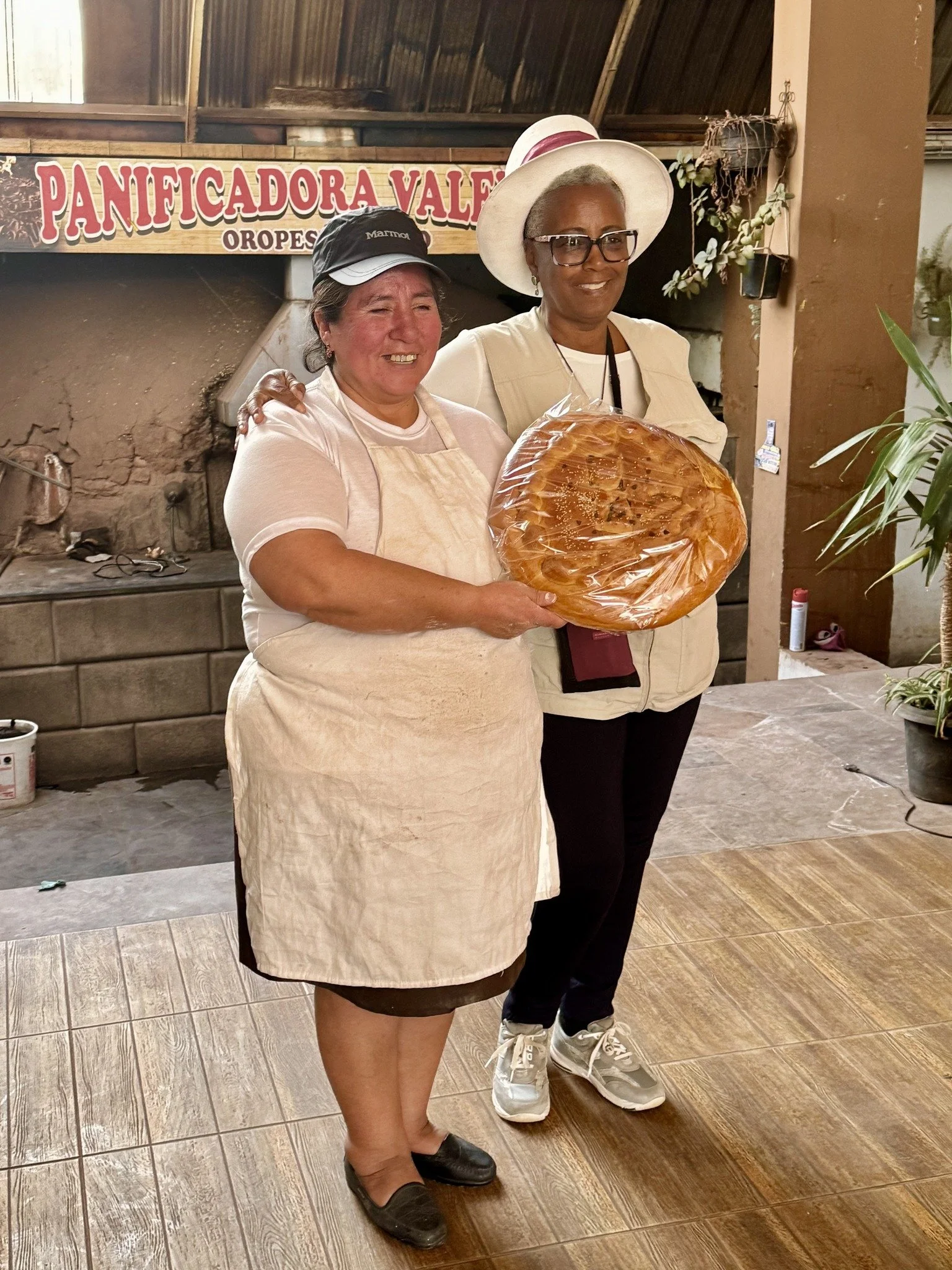
She demonstrated how she also makes bread for children on special occasions and adds a doll like figure to her creations (i.e., a doll for a girl and a horse for boy, though these days motorbikes area becoming more popular. She often is asked to add the child’s name on the bread and used my name as an example. Before leaving, a photo was taken of me and the baker, and another was taken of Saundra and the baker, where they switched hats.

Saundra, who used to live in California is a Jersey girl who used to live in the same town of Hoboken, NJ as I did as a kid. The baker gave our guide two breads for us to share on our way back.

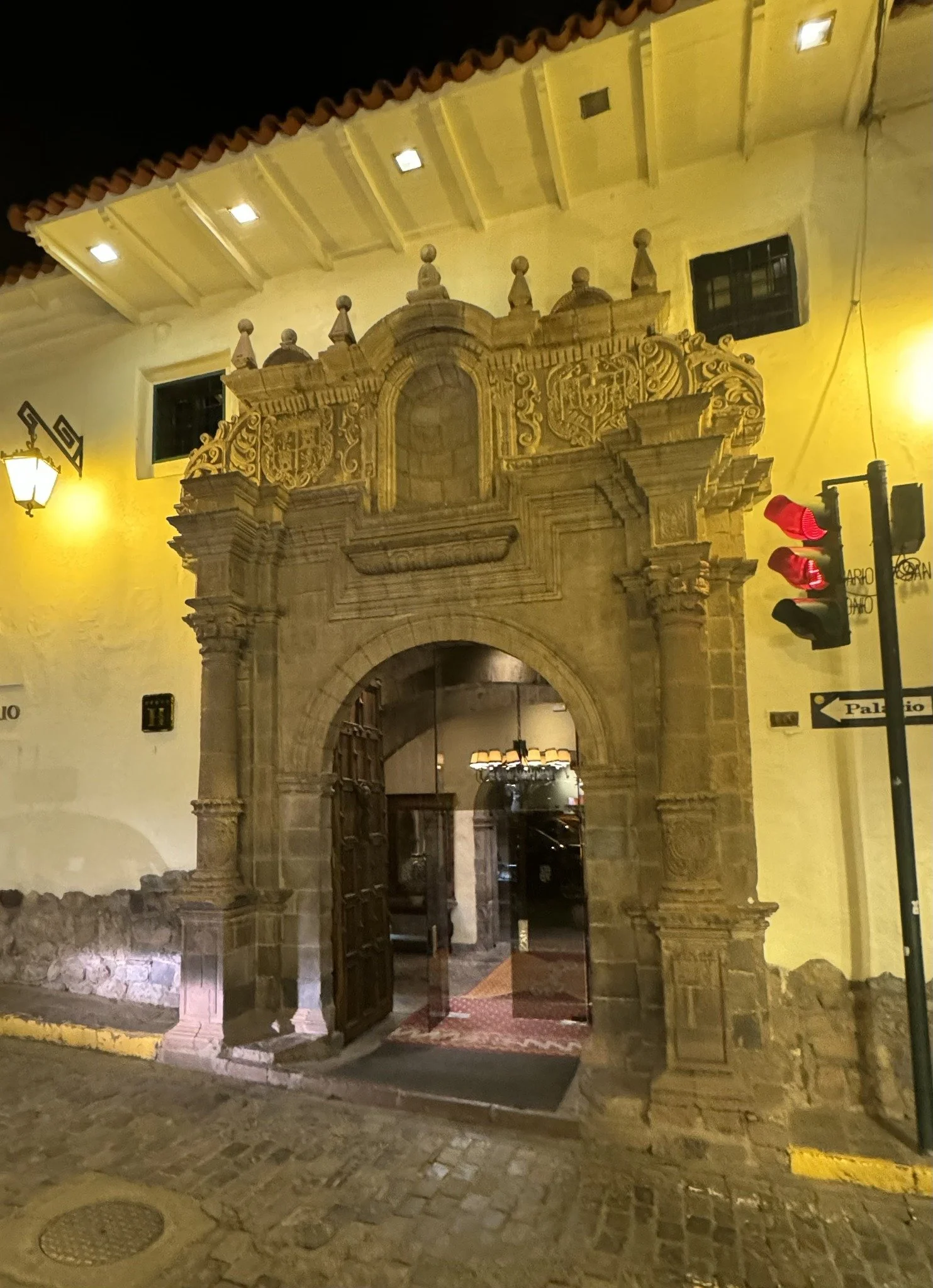
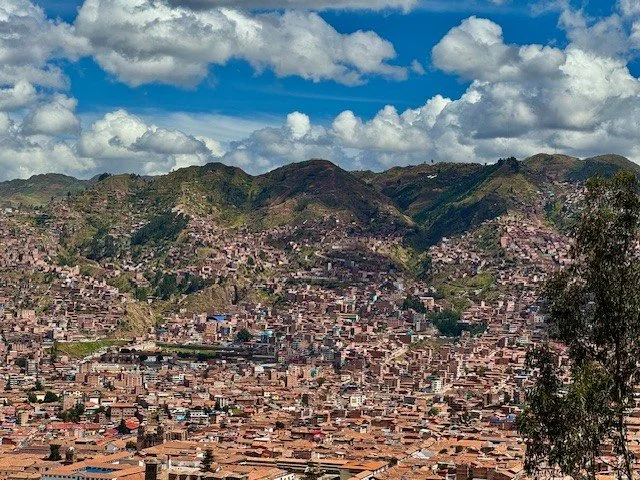
Exploring Colonial Cuzco Peru that the Inca's Called the "Navel of the World"

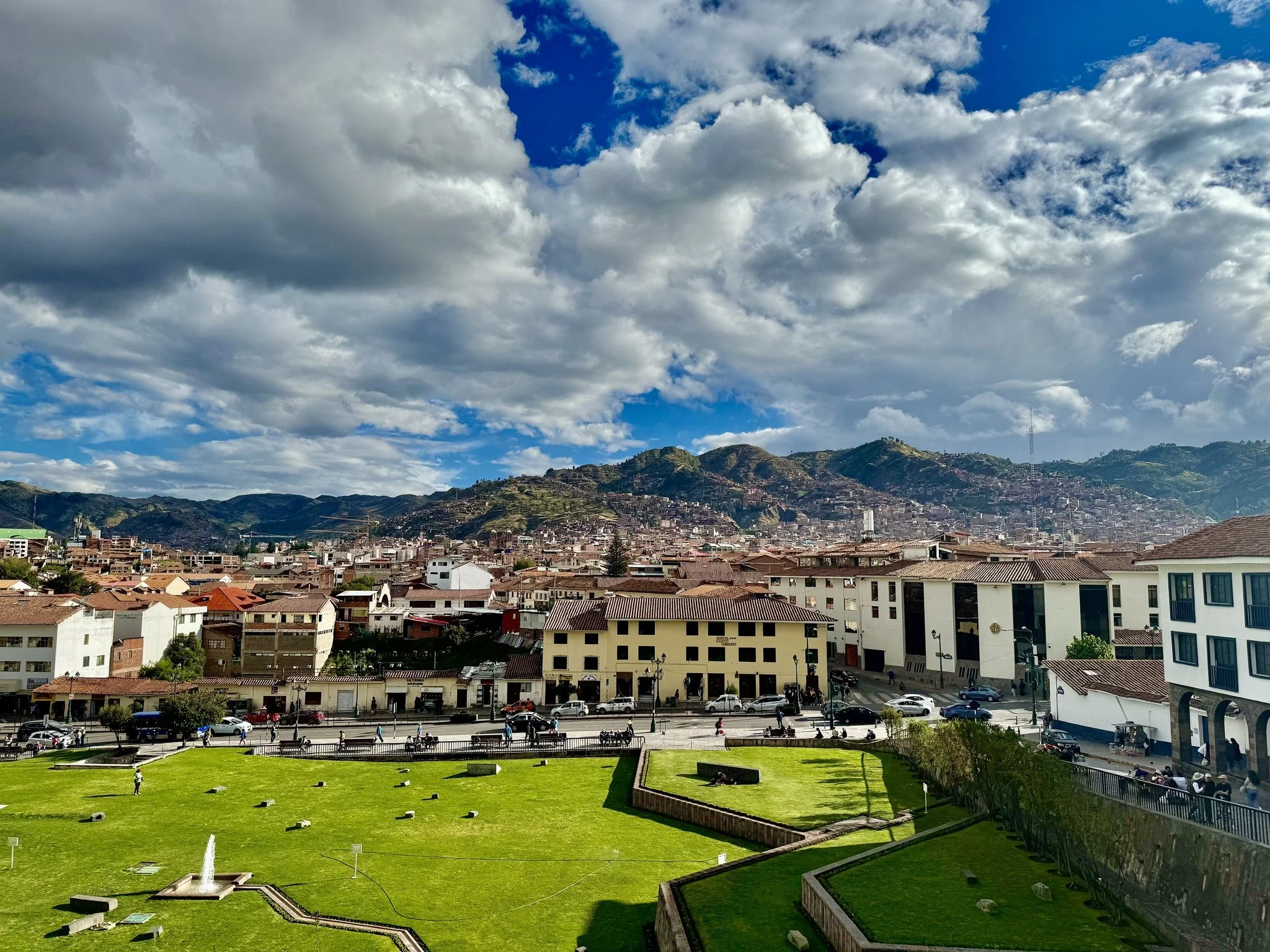
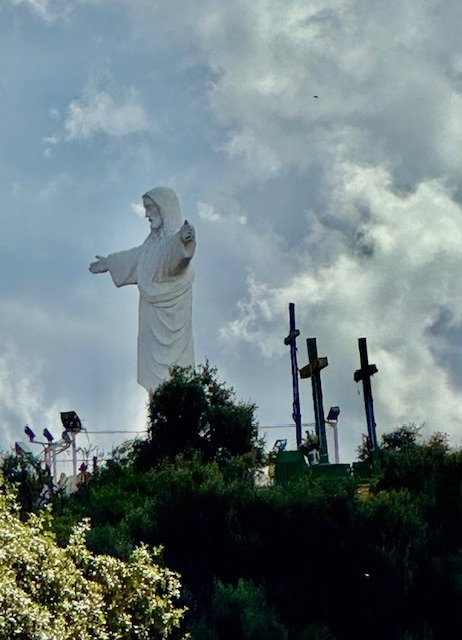
We made our way back to the Aguas Clientes train station for our return journey to Ollantaytambo through the spectacular Urubamba Gorge. Upon arrival, we boarded a bus bound for the Casa Adina Hotel in Cuzco. After lunch we set out on a walking tour. Cuzco was called “the naval of the world” by the Incas. It was shaped like a puma, a sacred beast in Inca lore.

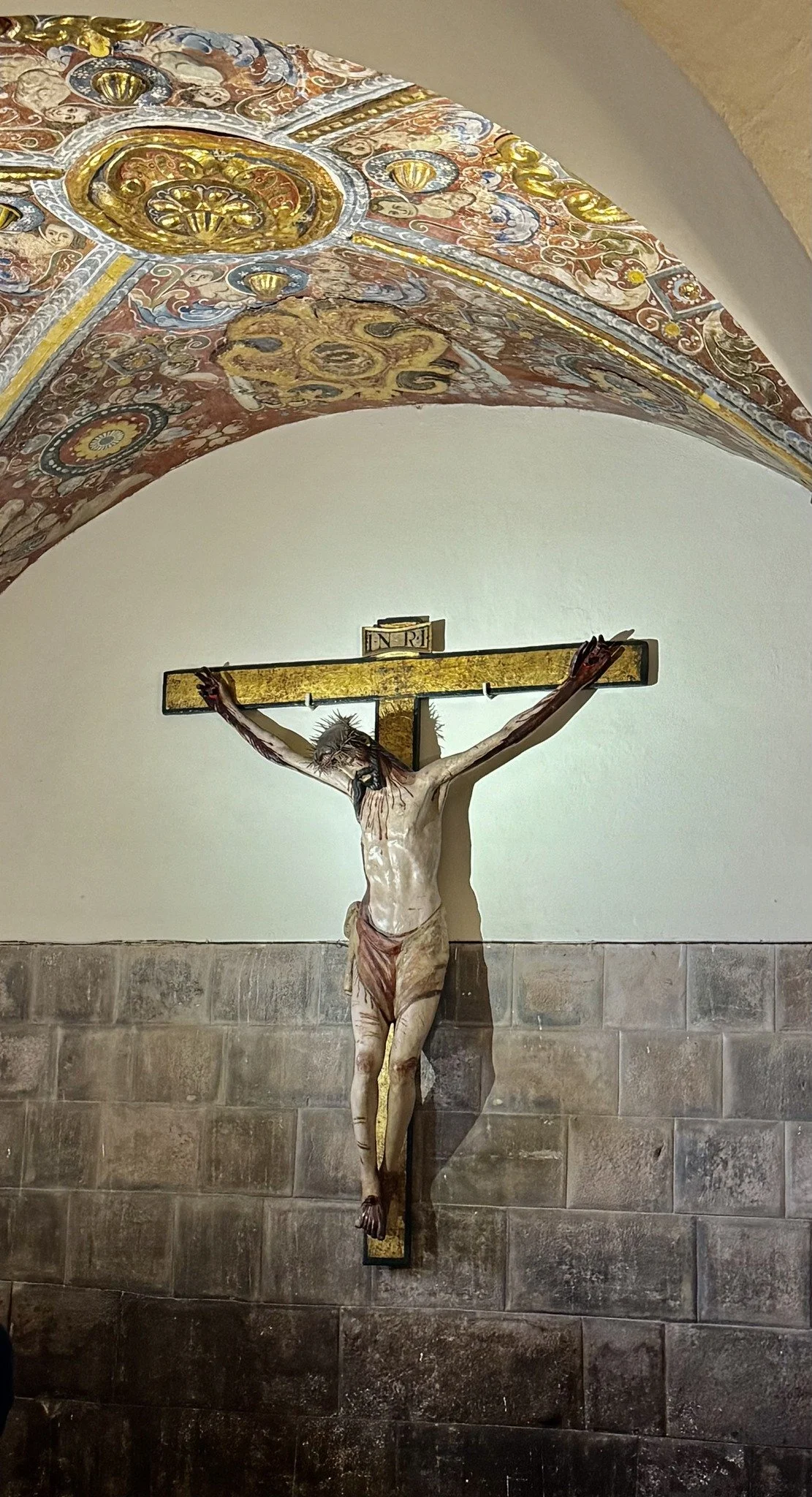
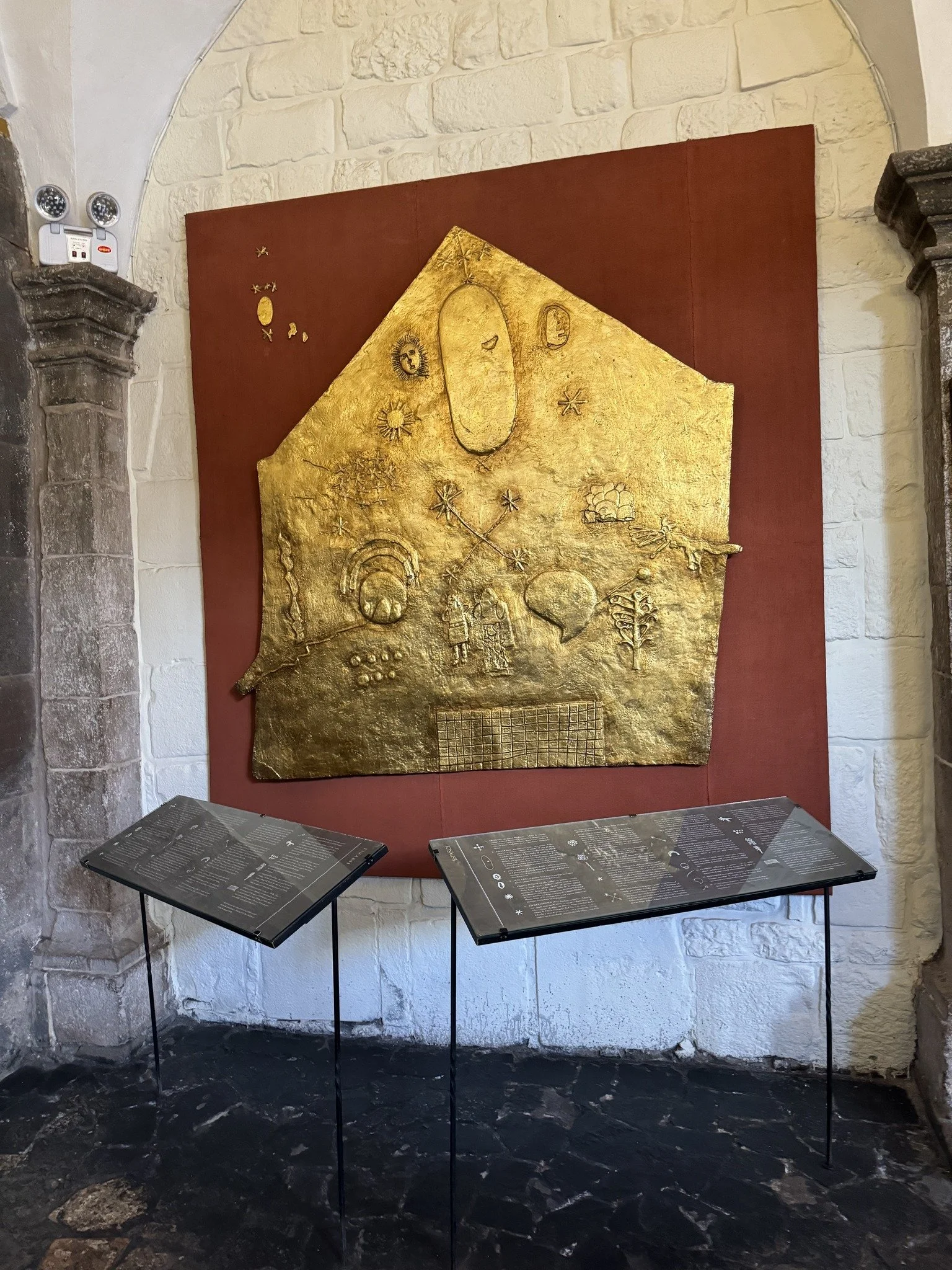
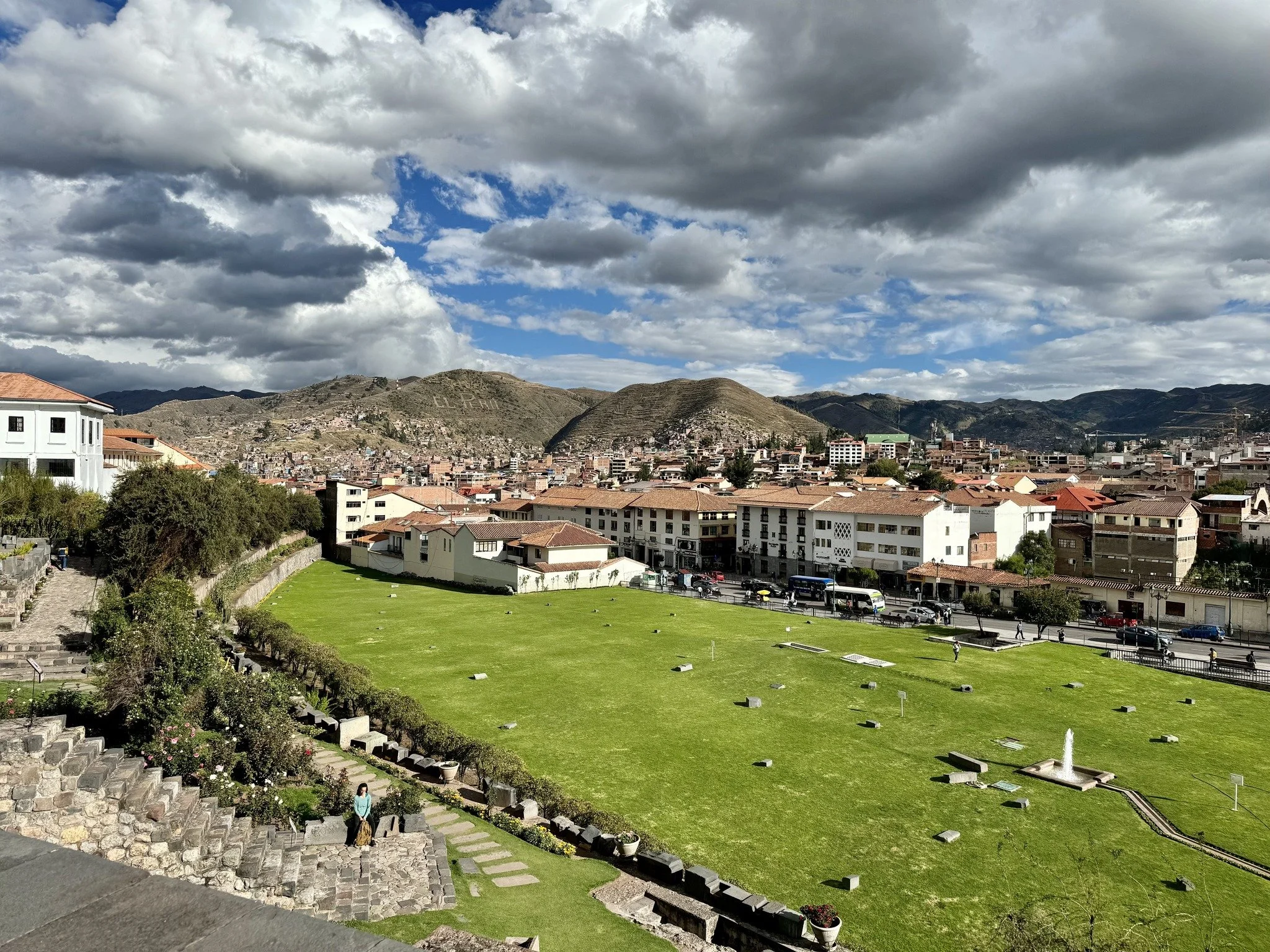
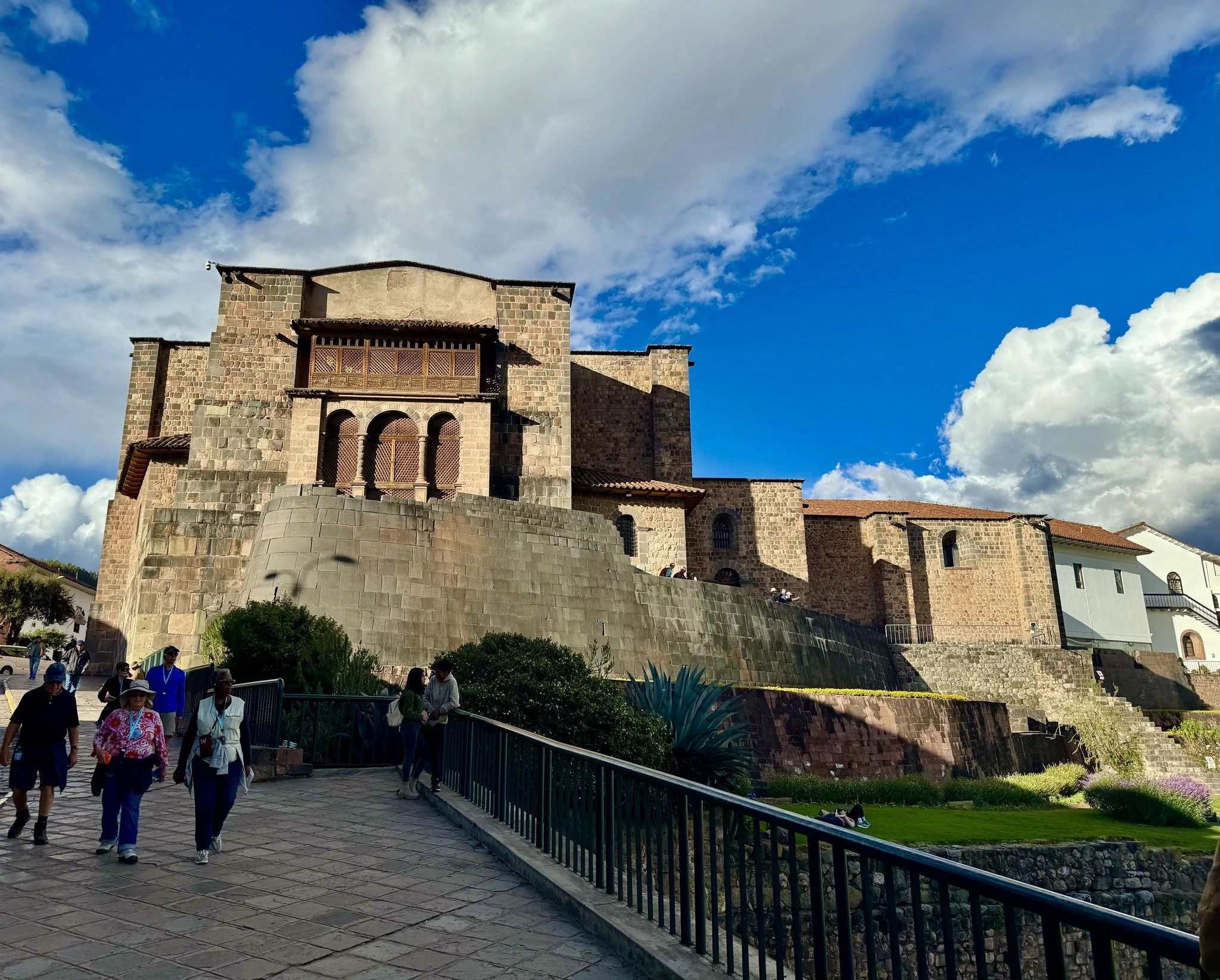
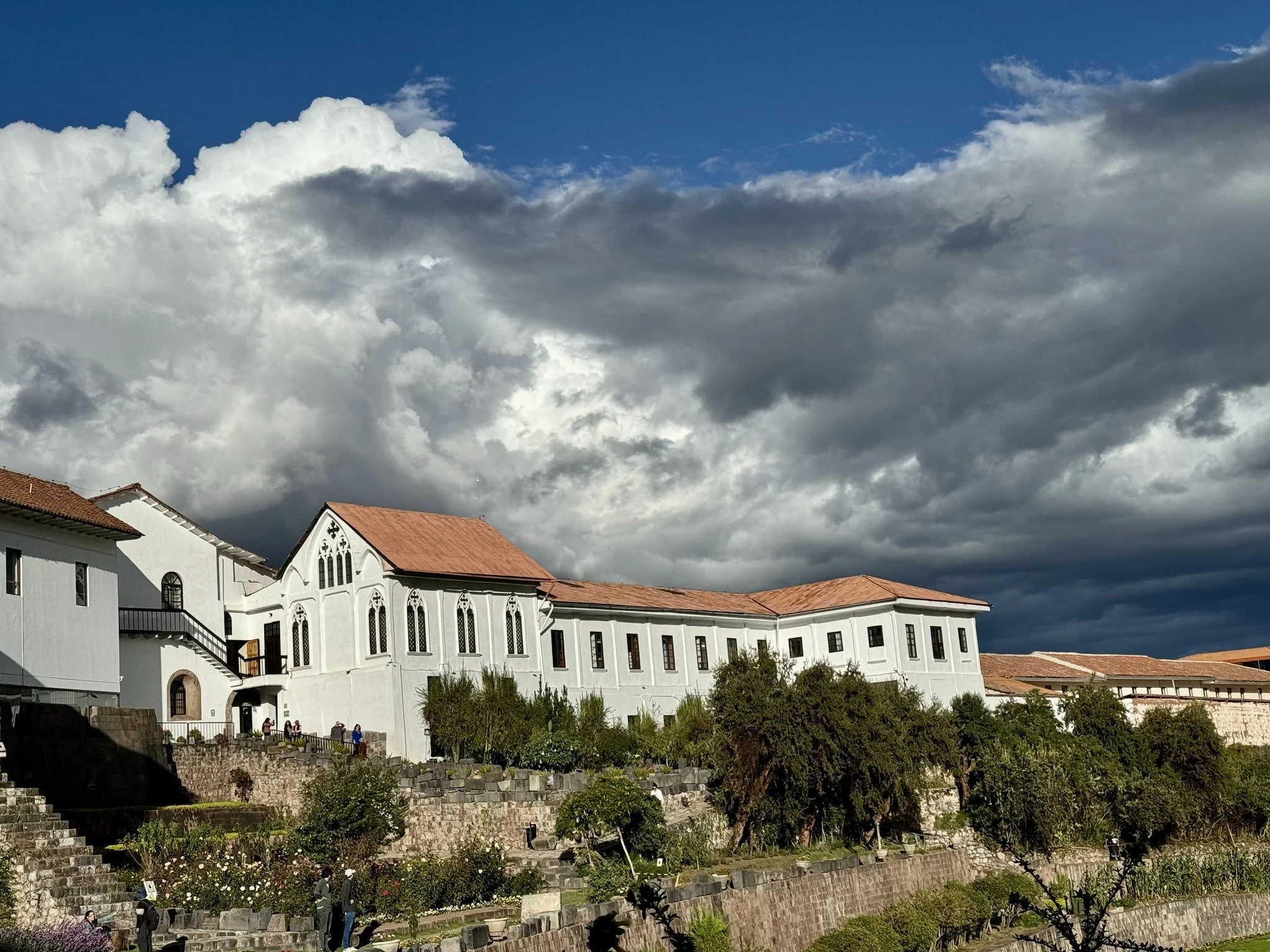
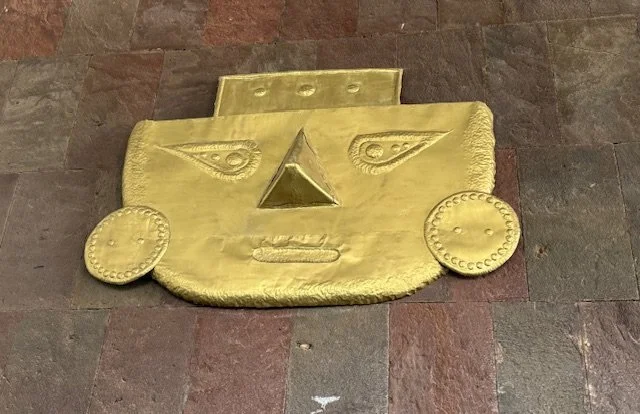
We visited the site of the Sun Temple (Qoricancha), Cuzco’s most important ceremonial structure during the Inca era. Historical records show that the walls were once covered with 700 sheets of gold studded with emeralds and turquoise. When the sunlight streamed through the windows, the reflection of light off the precious metals was blinding.

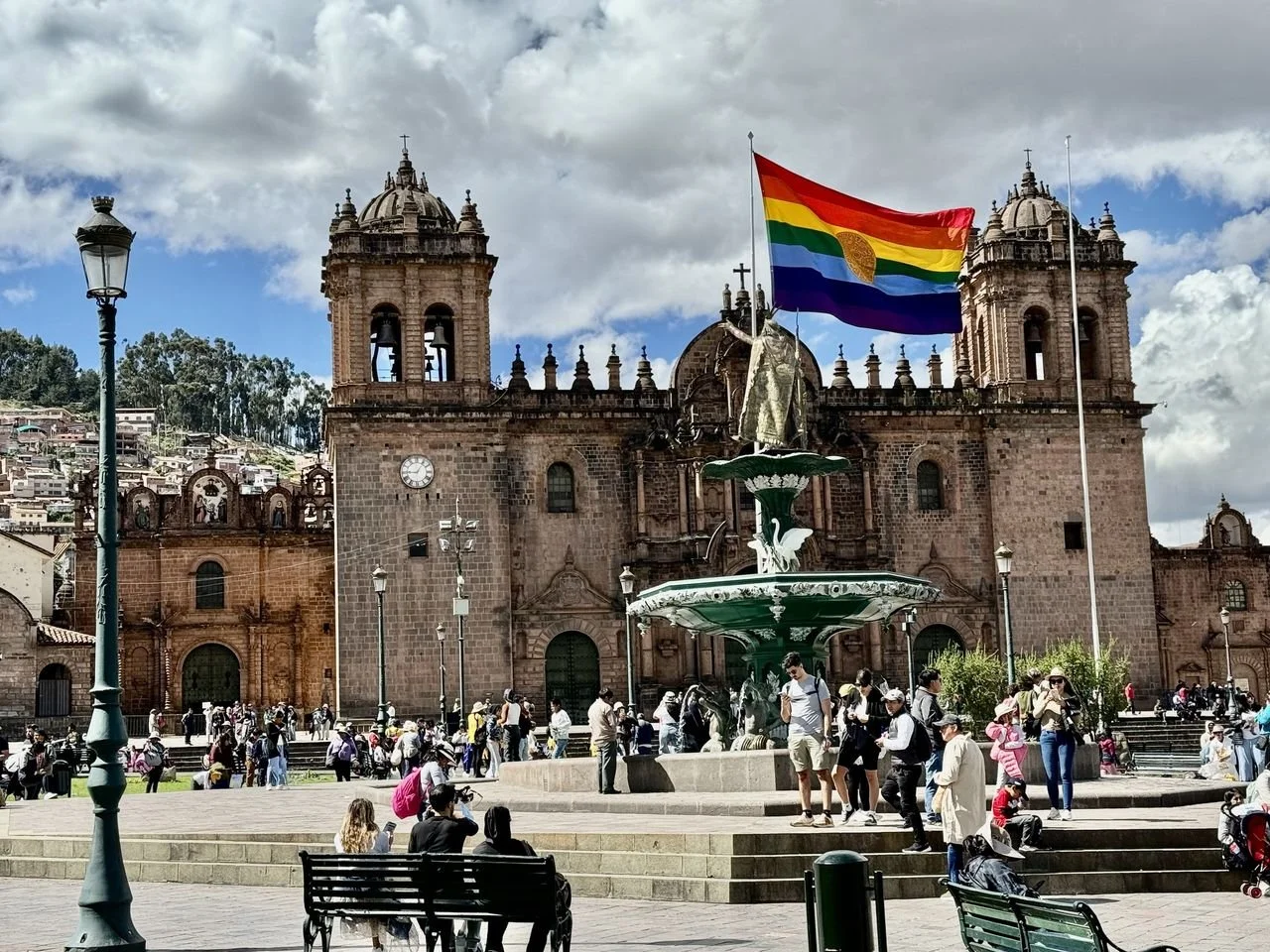
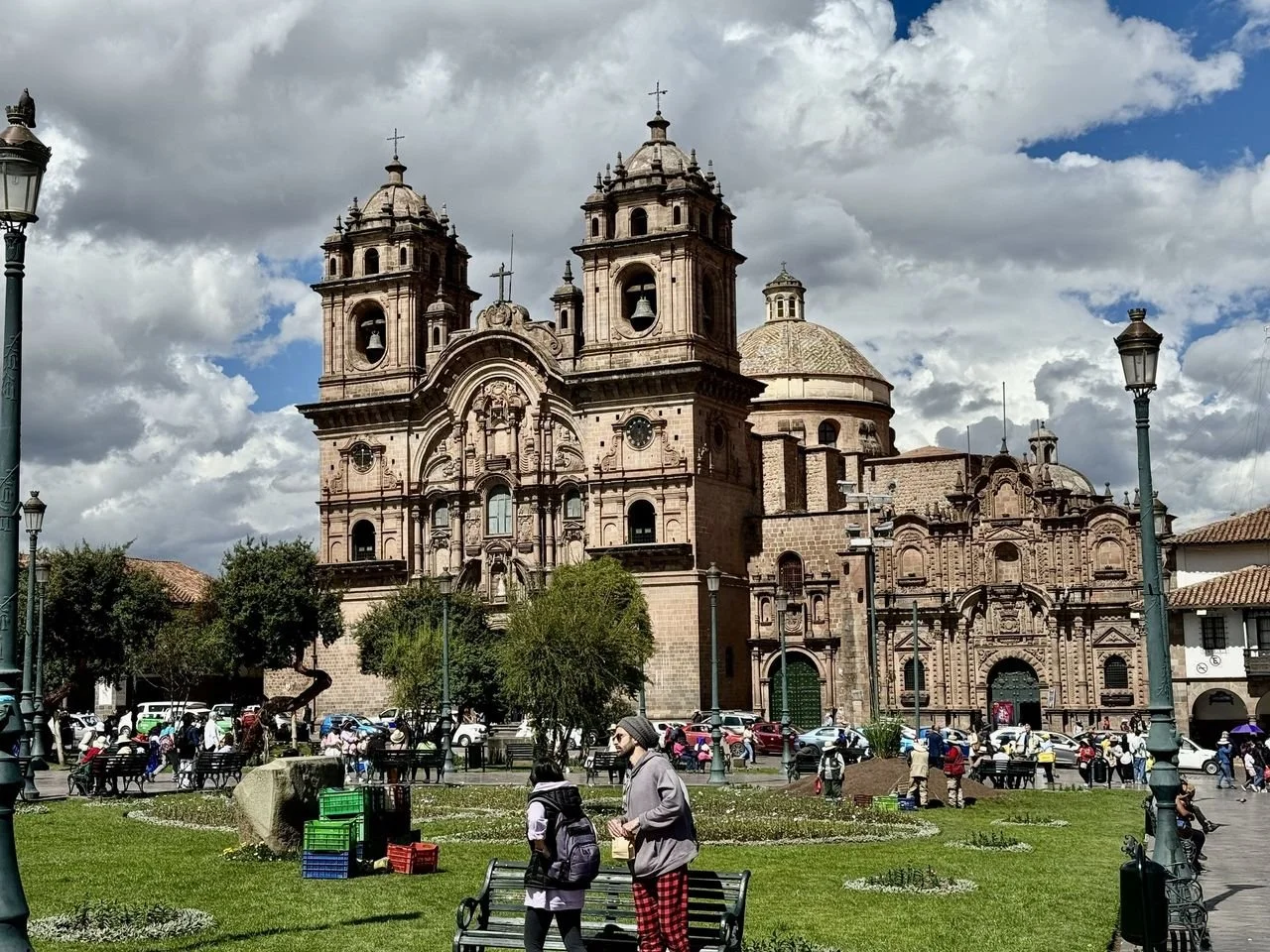
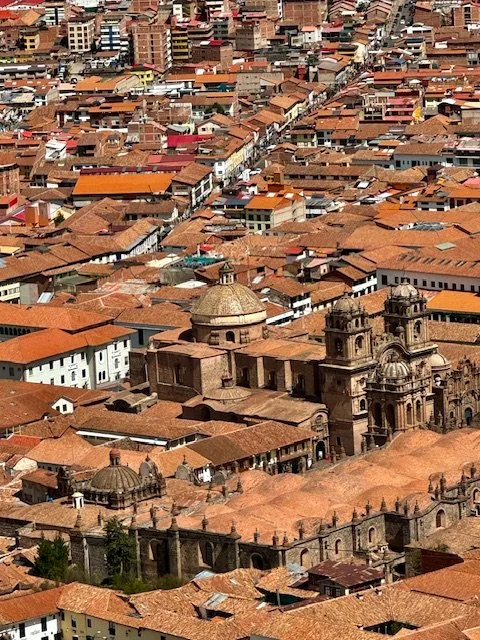
We strolled through the heart of the city at the Plaza de Armas. When the Spanish conquistadors arrived here, they often built atop Inca structure, leaving behind a blend of architecural styles. At the Plaza de Armas, we viewed the outside of the 17th century cathedral that was built on the foundation of an Inca palace. The massive structure is one of the significant colonial buildings in the city. Many believe it is one of the most beautiful churches in Latin America.

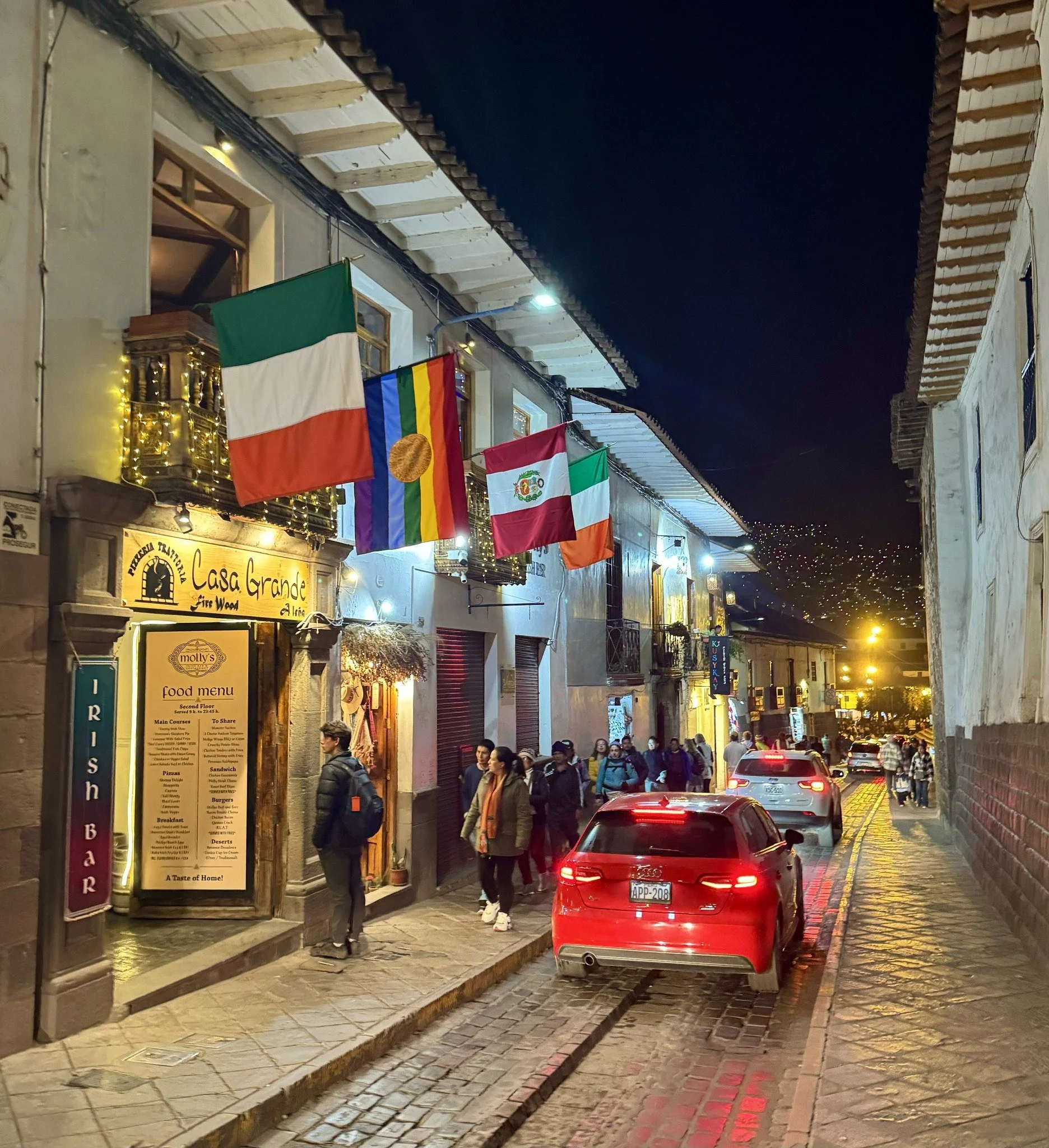
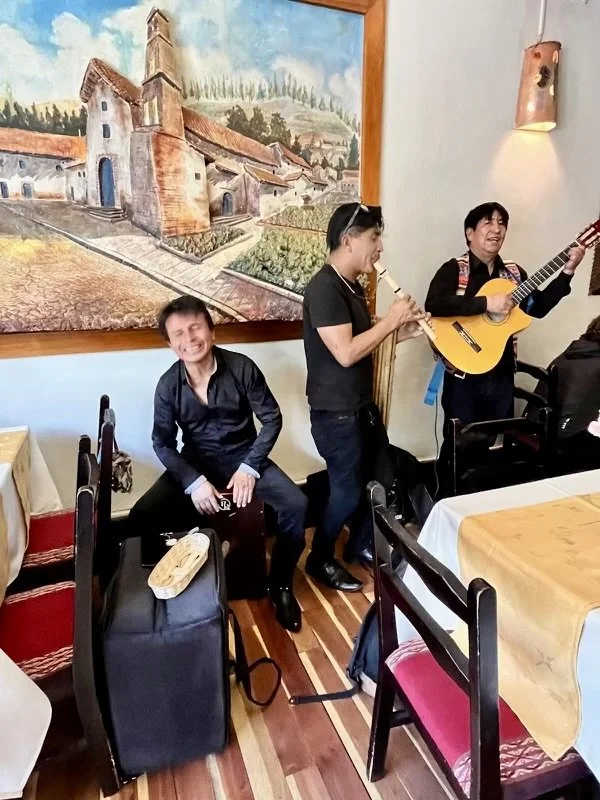
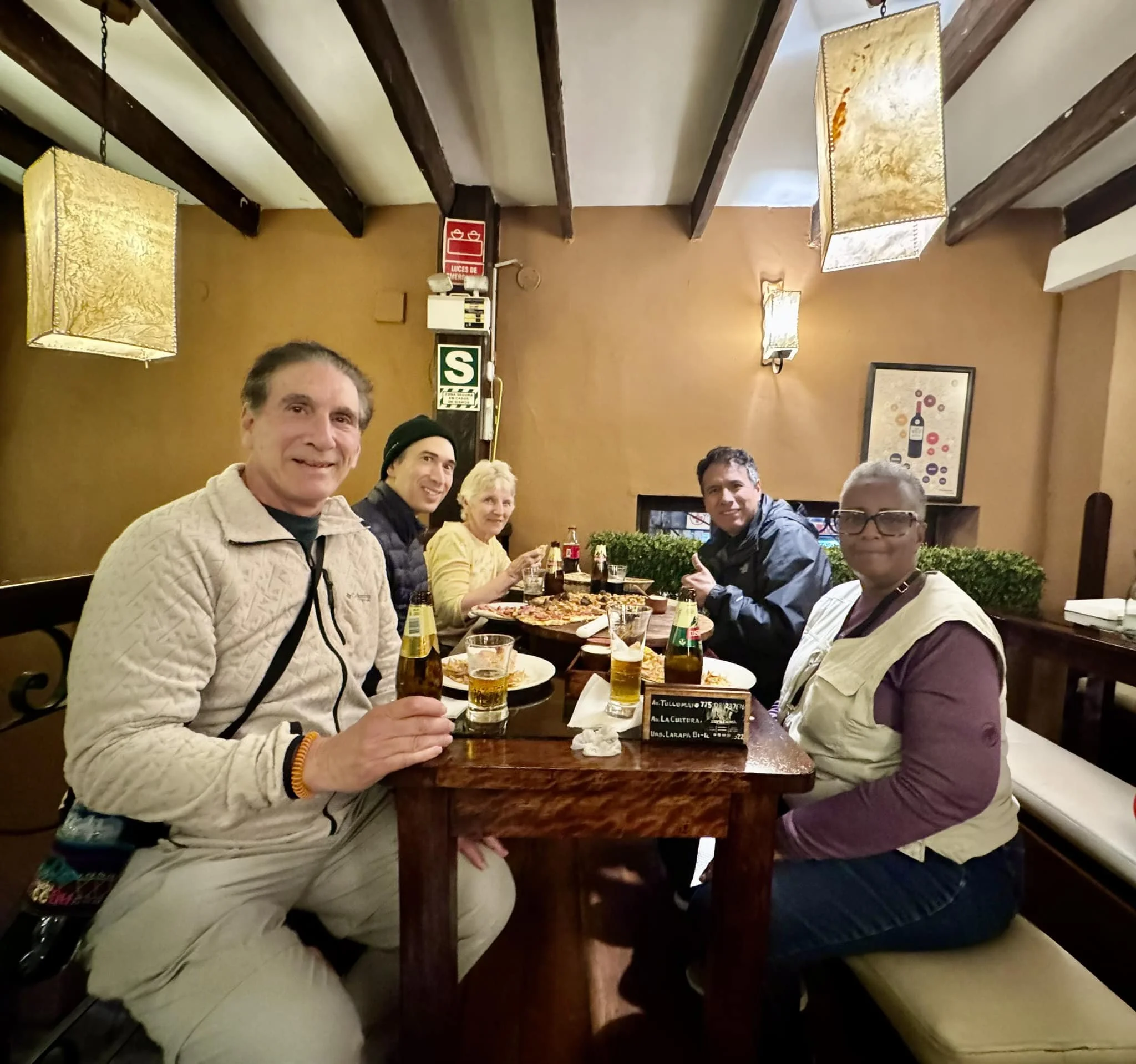
In the evening Jason and I, two other members of our tour group, and our tour guide went out to see a cultural folkloric song and dance performance followed by pizza and beer.

A Pilgrimage to Machu Picchu: The Lost City of the Incas with My Son Jason

“Step by step, moment by moment, Machu Picchu isn’t just a destination; it’s a journey through history, culture, and incredible landscapes."

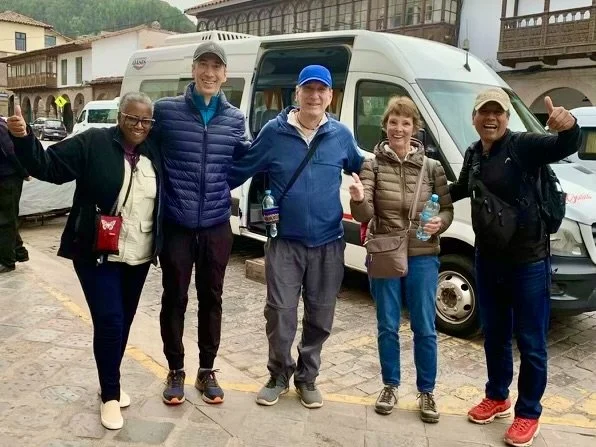
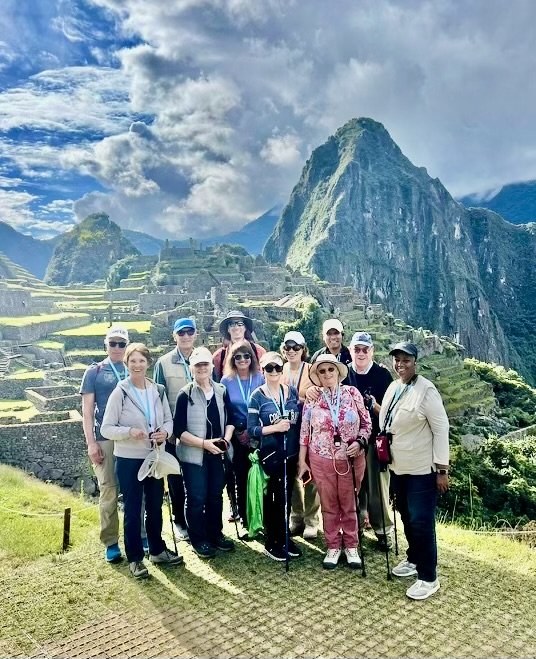
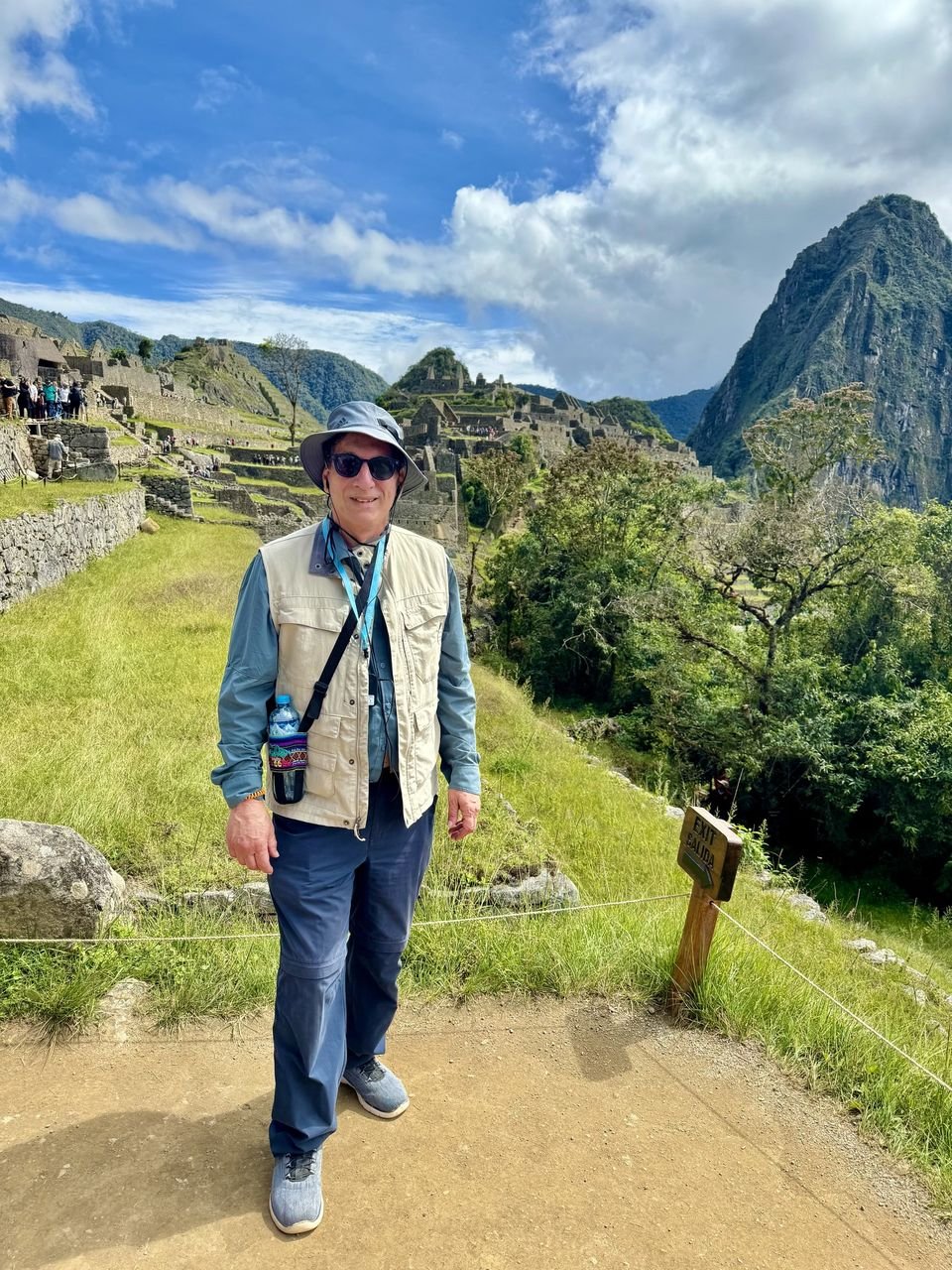
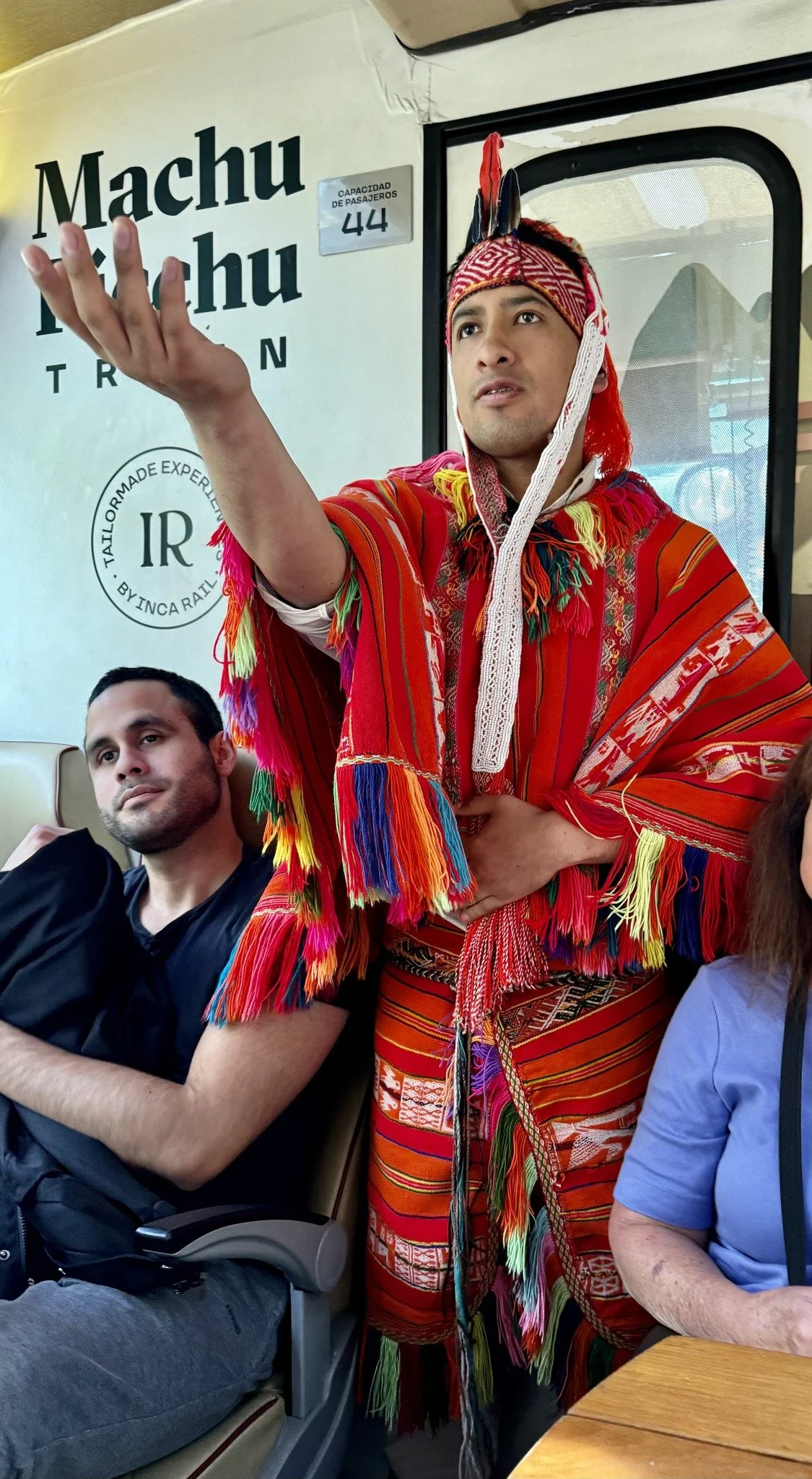
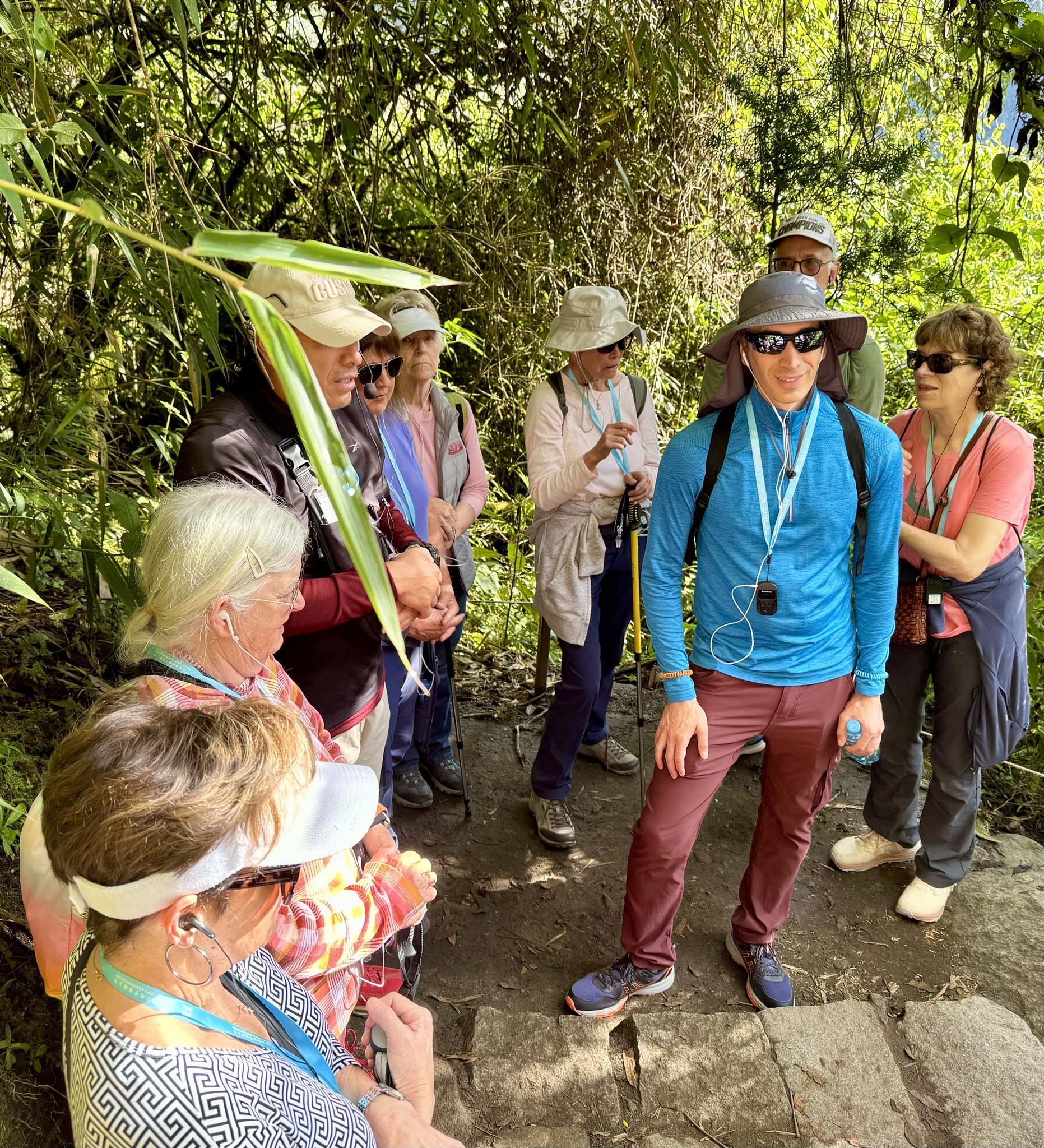
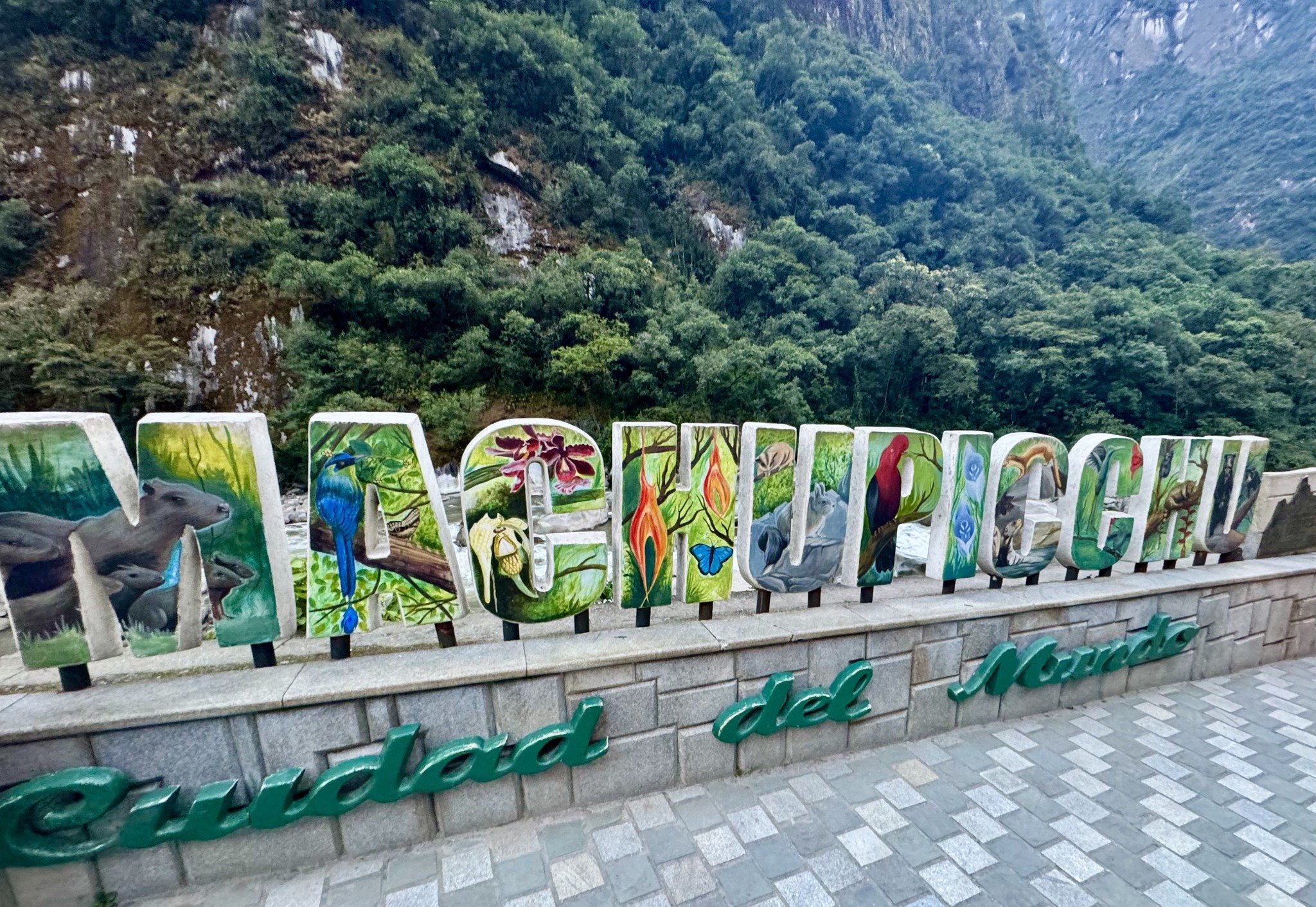
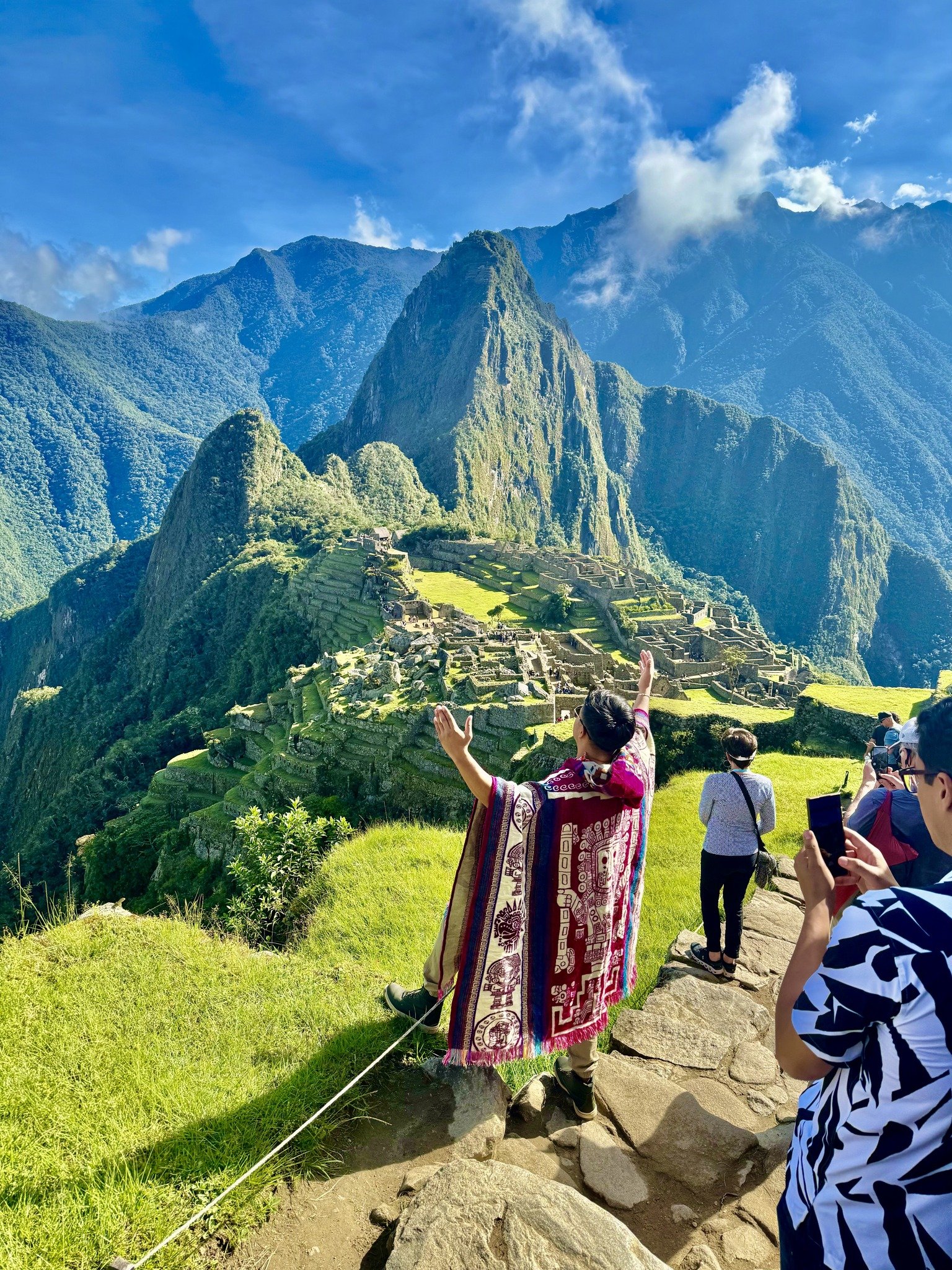
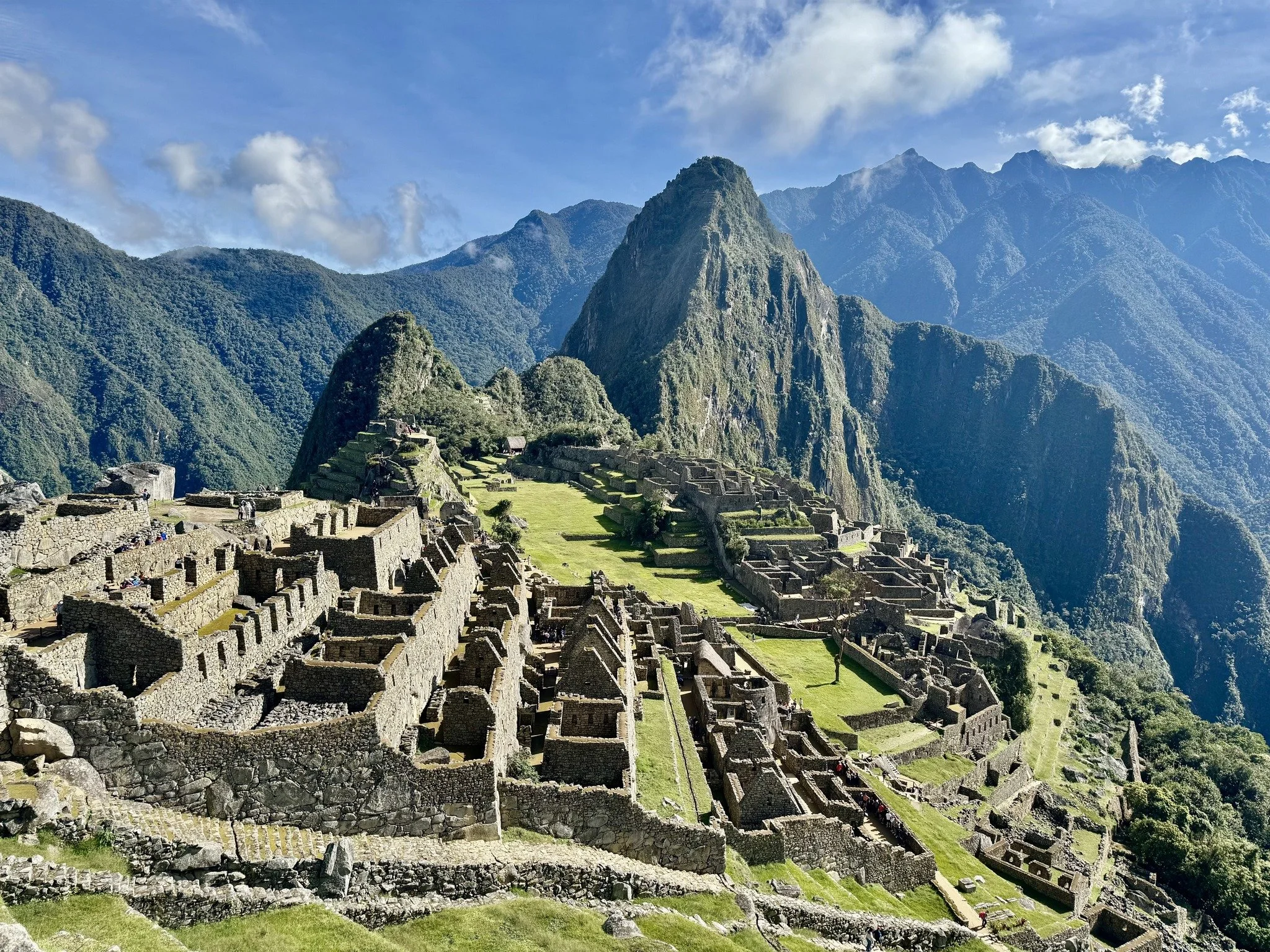
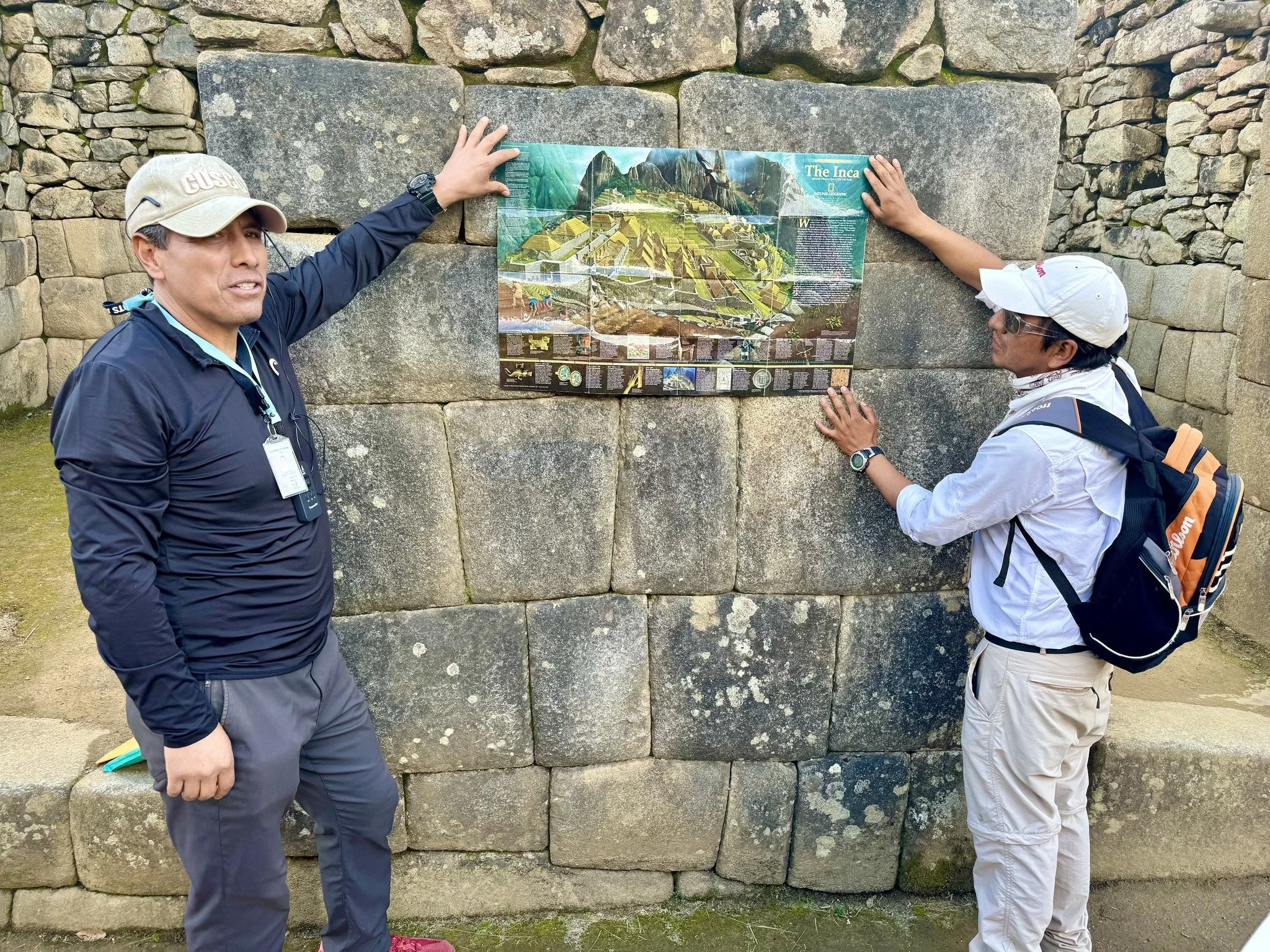
Jason, myself and our Overseas Adventures Travel (OAT) group led by Salvador Torres, made its way to the Ollantaytambo train station for a two and a half hour scenic train ride through the Sacred Valley. Upon arrival we boarded a bus bound for Machu Picchu. Like Lima and Cuzco, Machu Picchu is also a UNESCO World Heritage Site. This ancient city was a place little known not only to foreigners, but also to the Inca people.

Only a select few were ever allowed to visit this mysterious sanctuary. Even though it was “discovered” by Hiram Bingham in 1911, Machu remained inaccessible until the 1940s, when the Inca trail was found by an Archaeological expedition. We stayed overnight at Casa Adina in Aguas Calientes which allowed us to explore at a relaxed pace and return to continue our discoveries of this famous site the next morning.

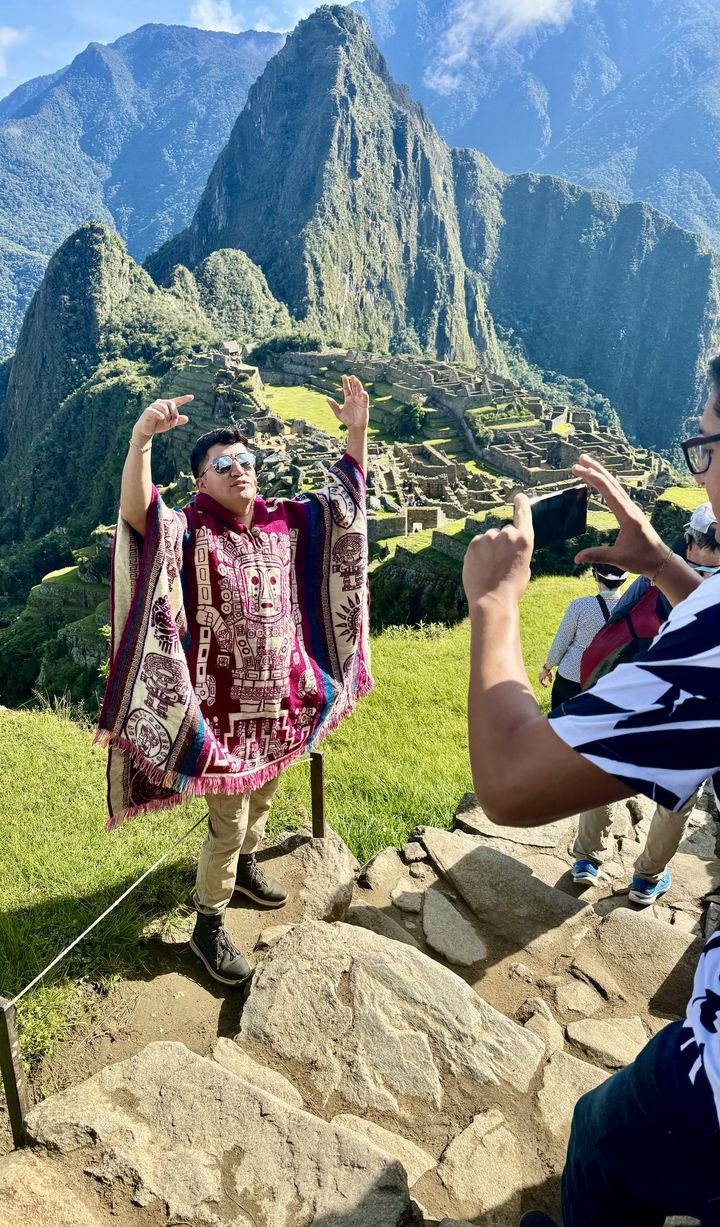
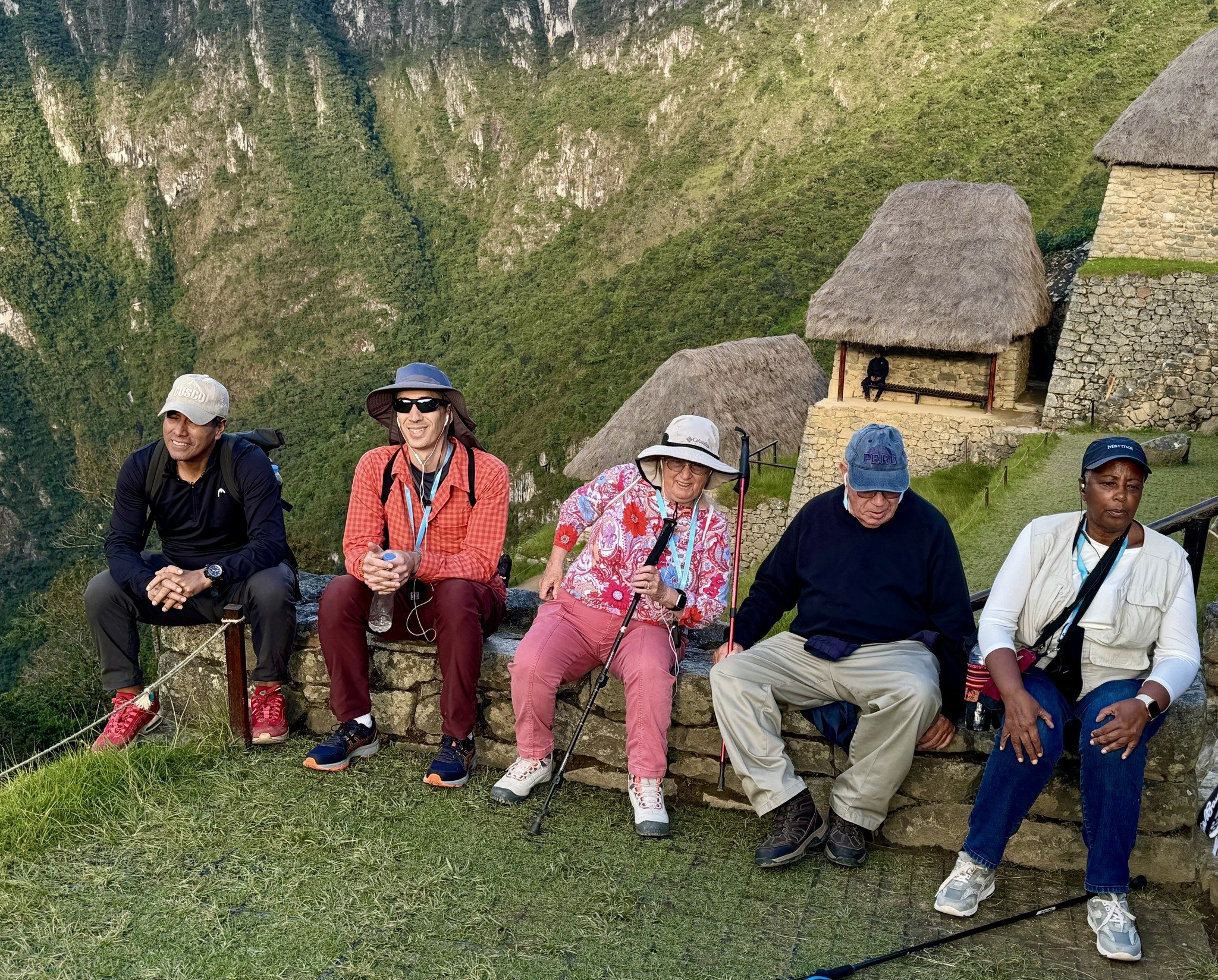
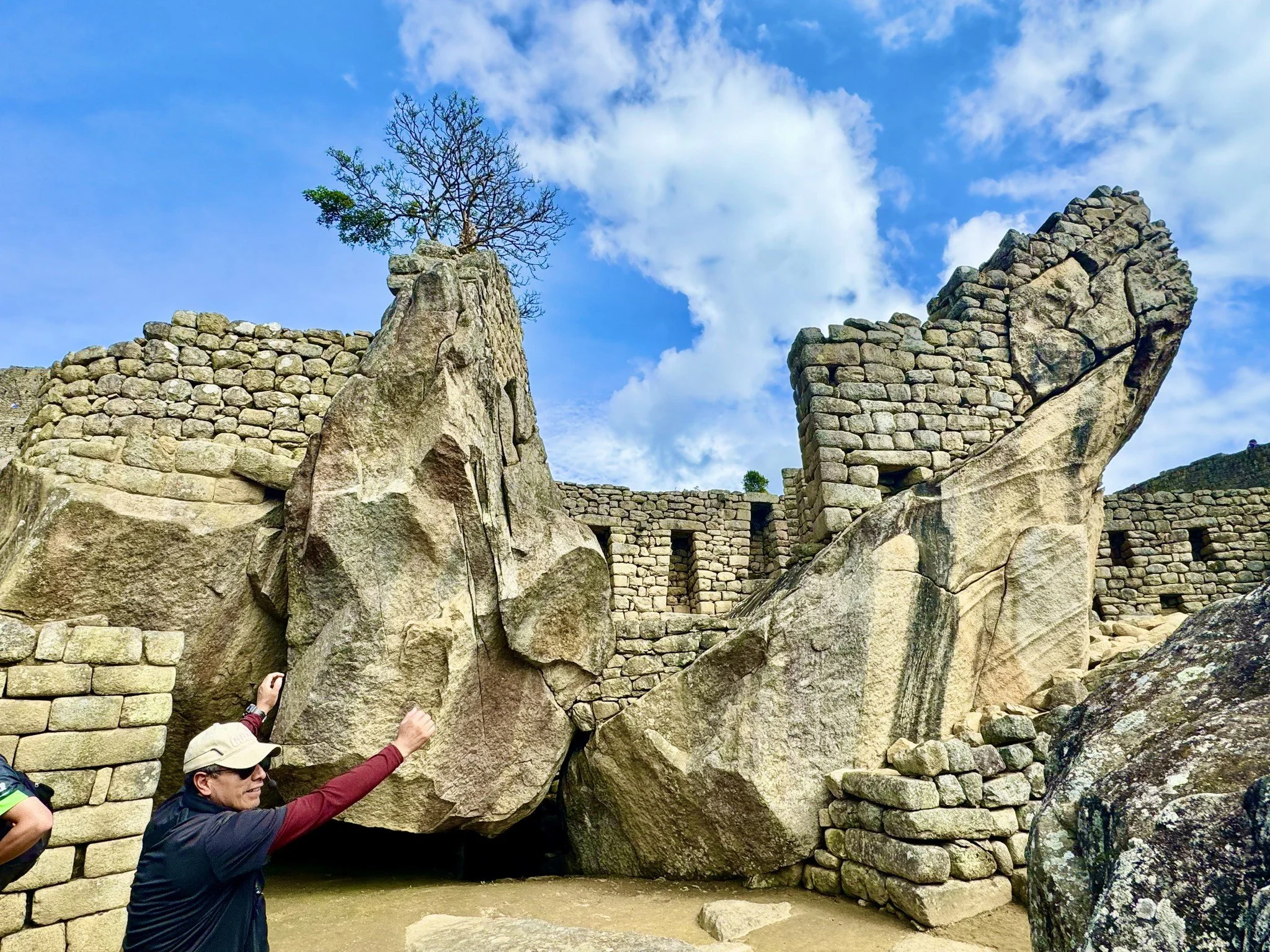
Aside from its beauty, inching up to the edges of cliffs high above the Urubamba River, and seemingly, floating high above the clouds, this mystical stone city stretches boldly across a high ridge in the Andes Mountains. Much of the mystery surrounding Machu Picchu stems from the Inca’s remarkable engineering feats; without mortar, they somehow placed the stones so perfectly, and built underground foundations so strong, that, when an earthquakes hit, the stones simply “dance” and then fall right back into place. Pure genius!

A Day in The Life of a Peruvian Family Who Hosted us for Lunch: A Cultural Experience

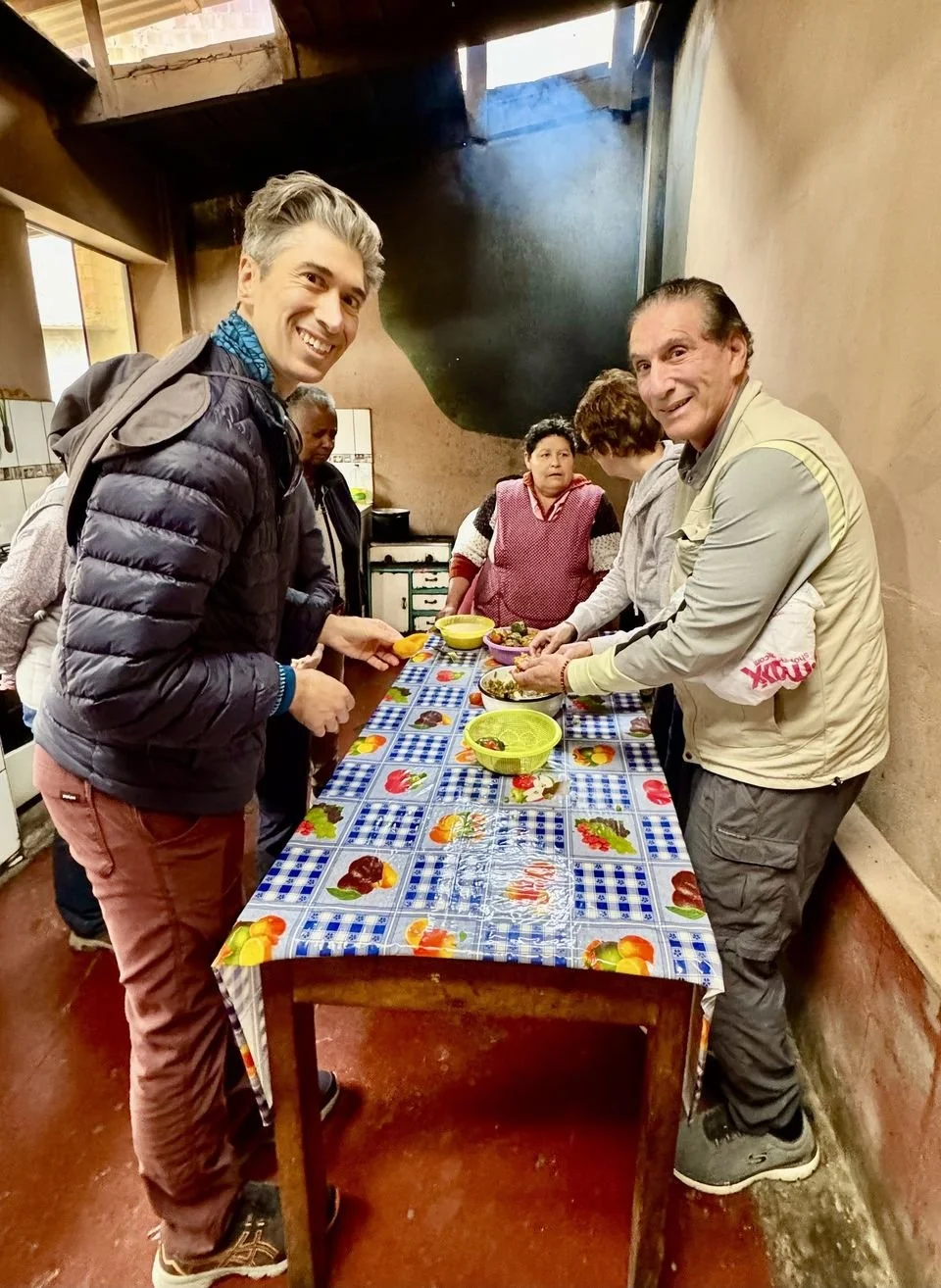
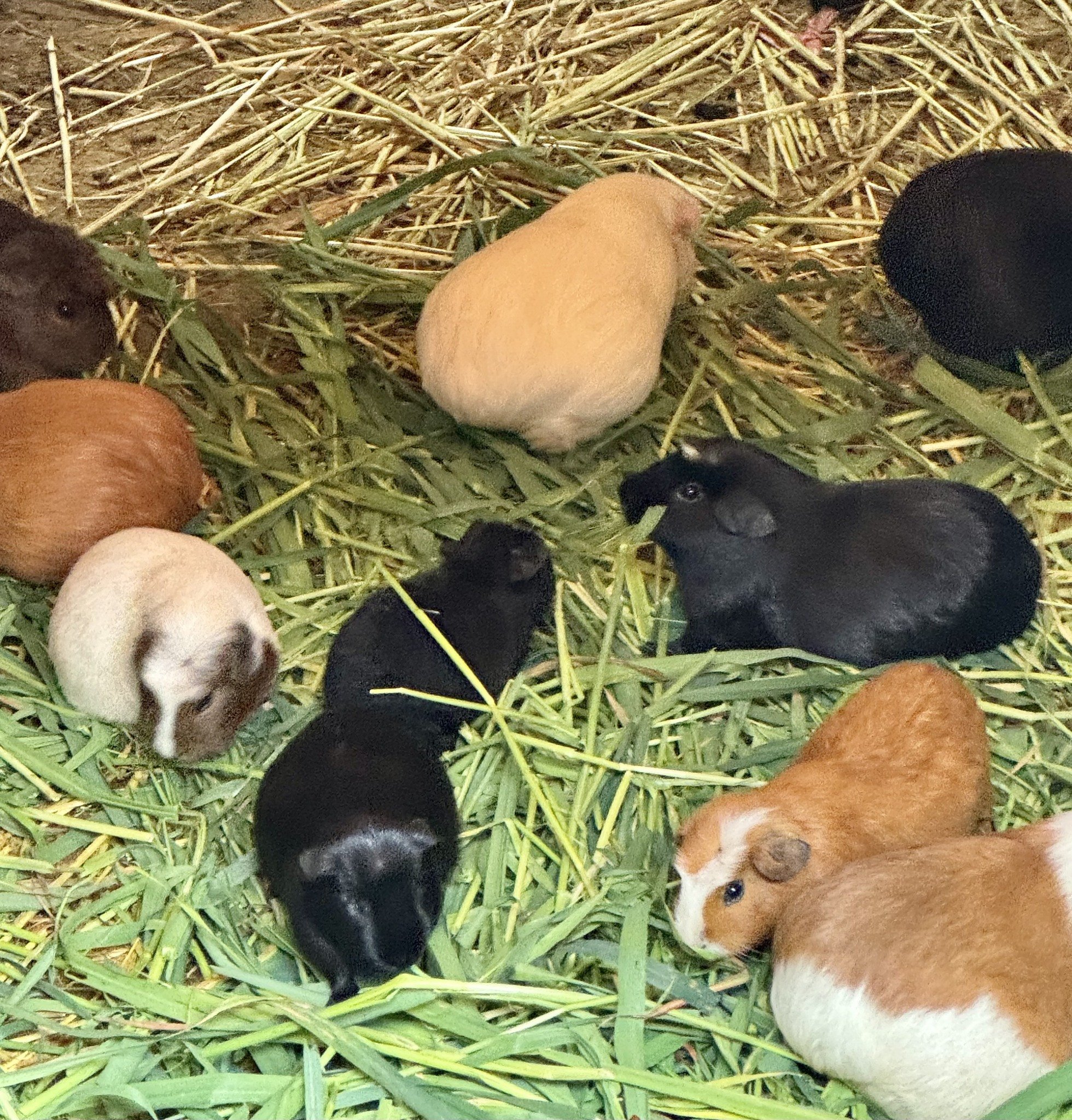
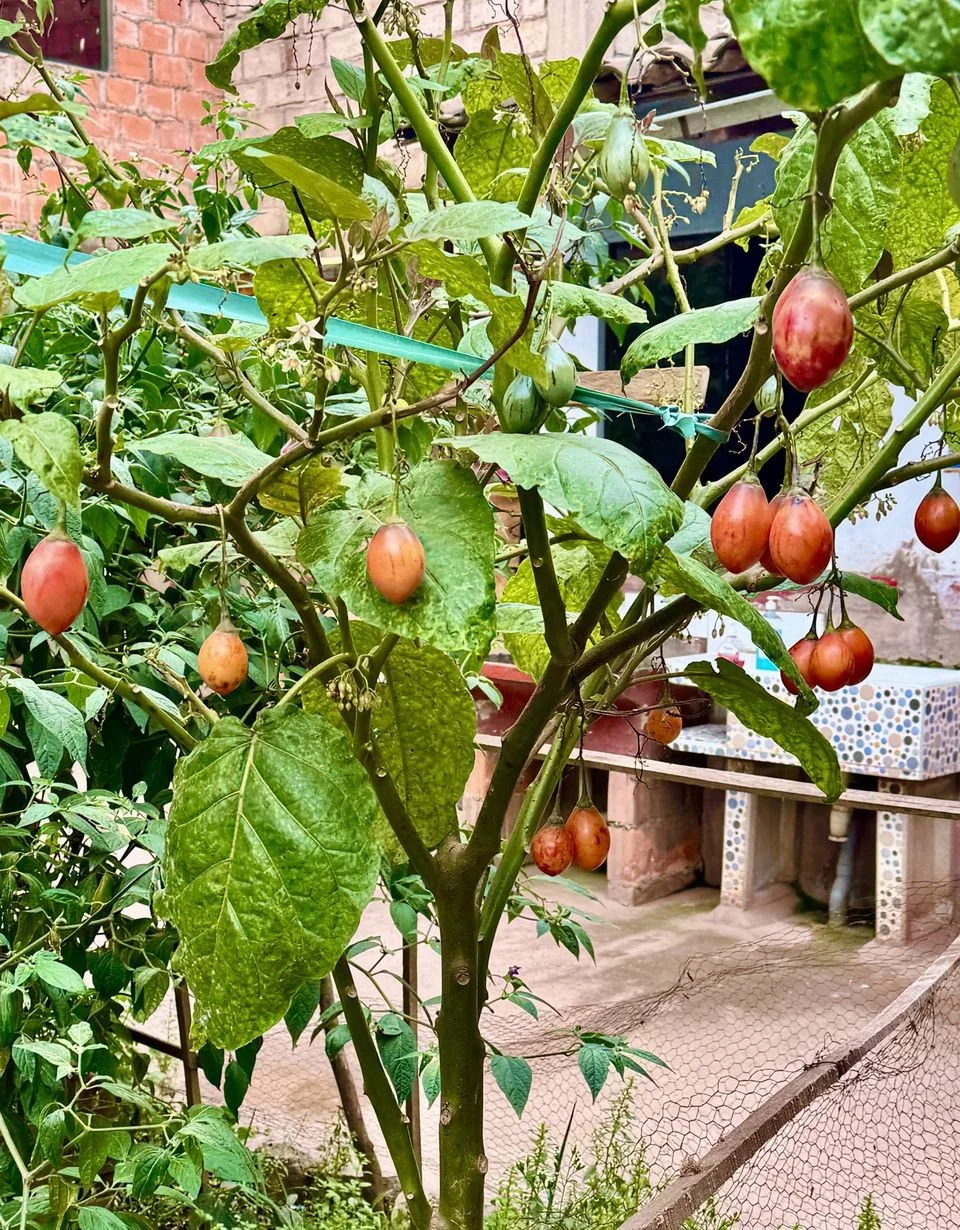
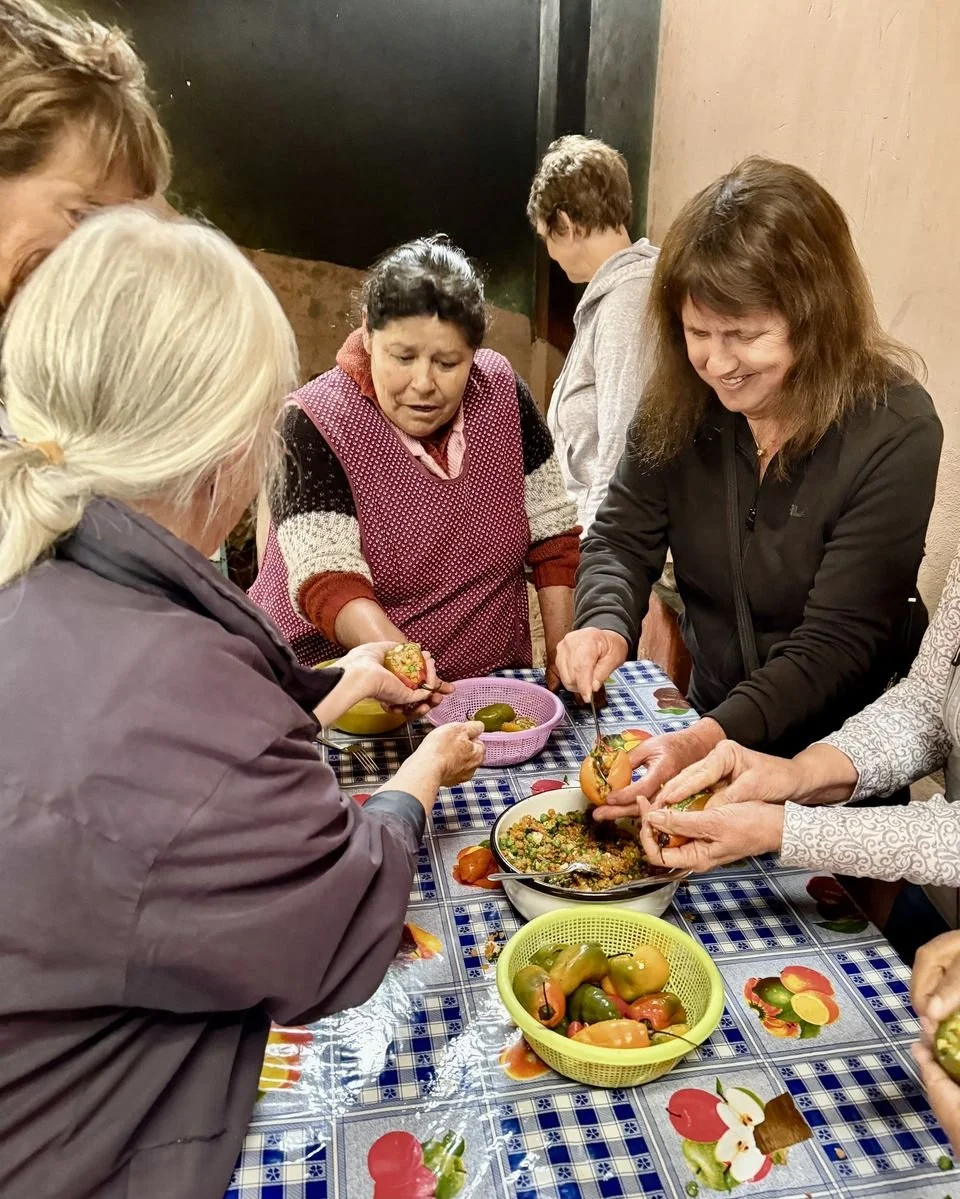
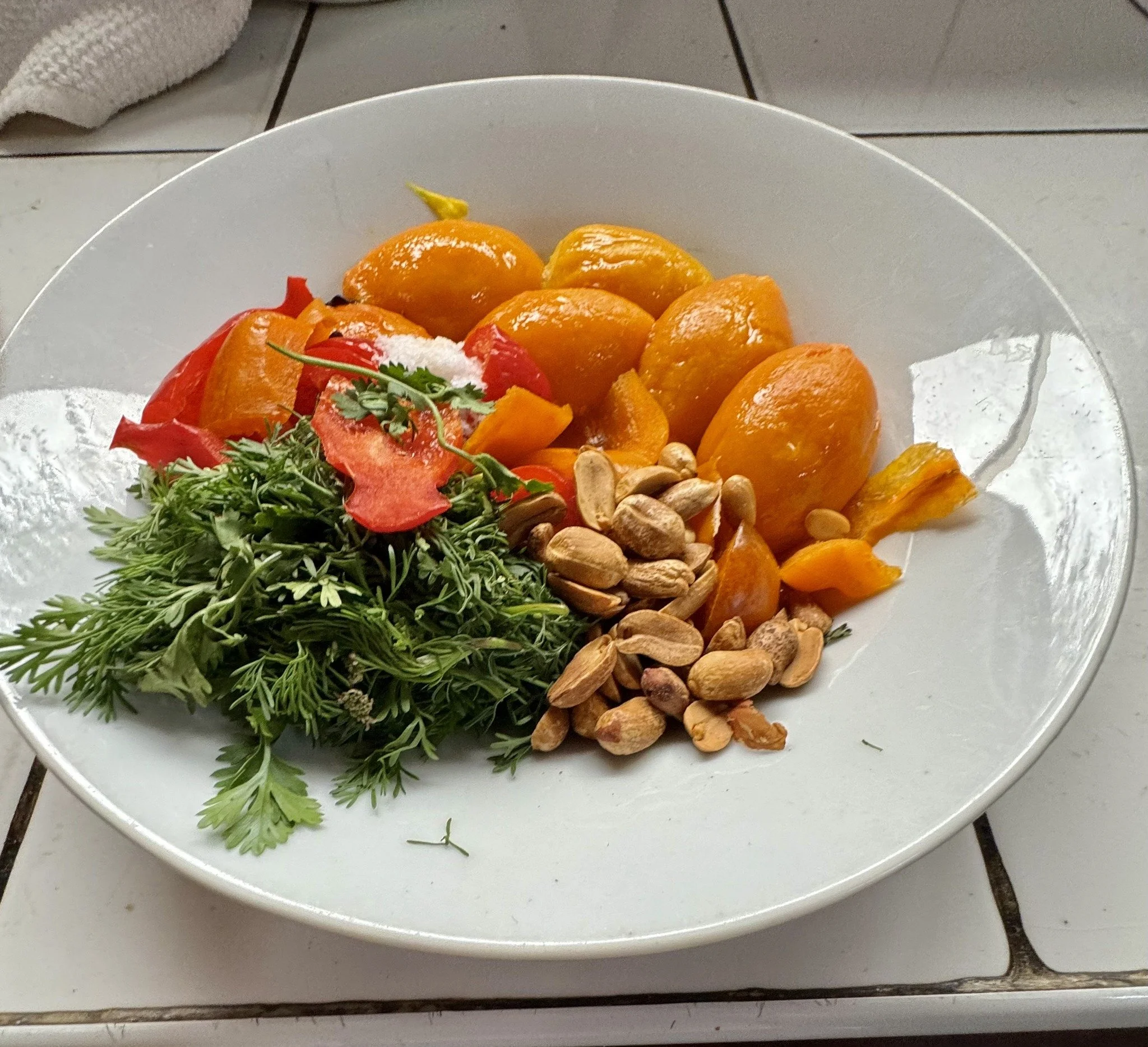
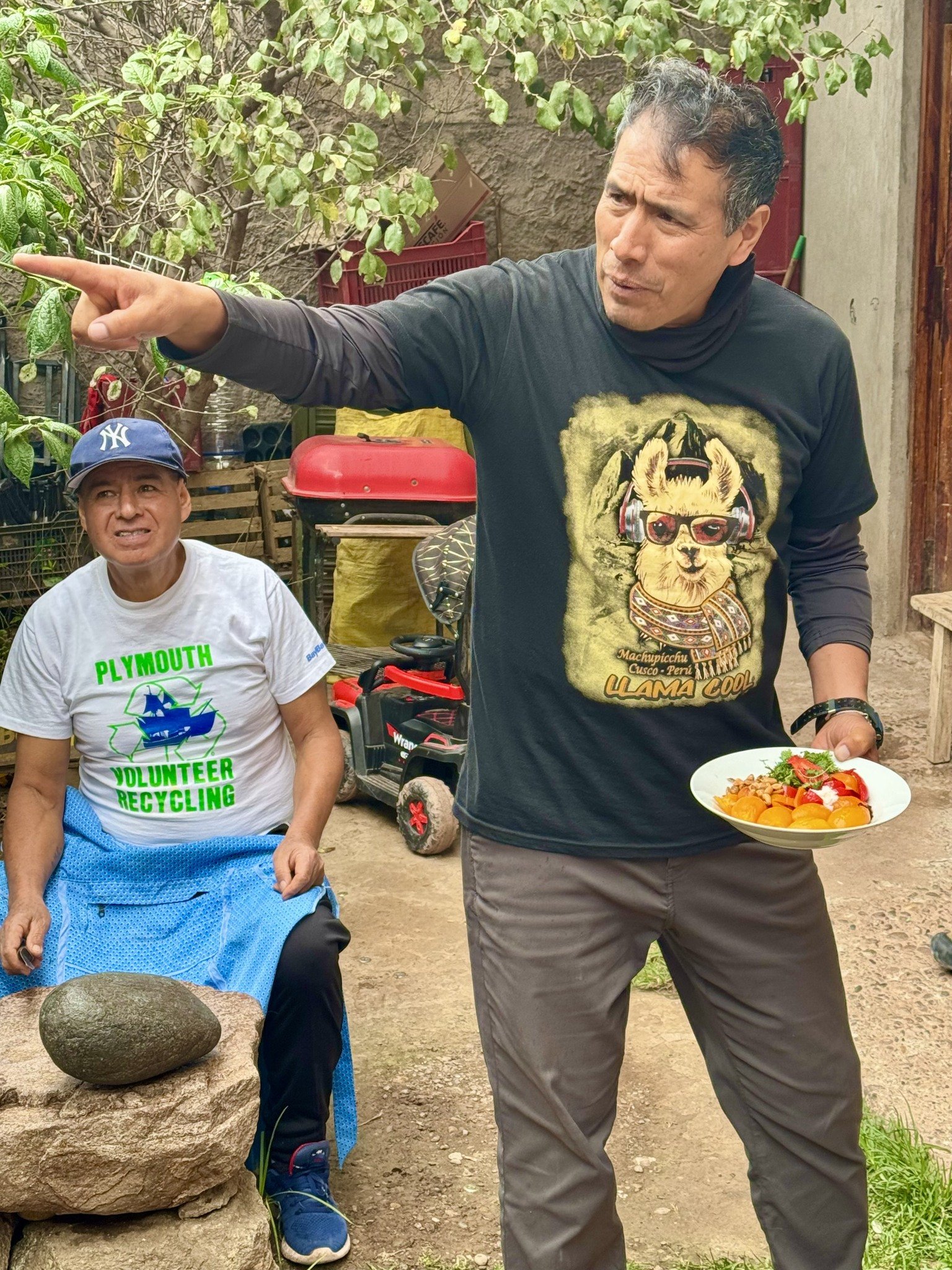
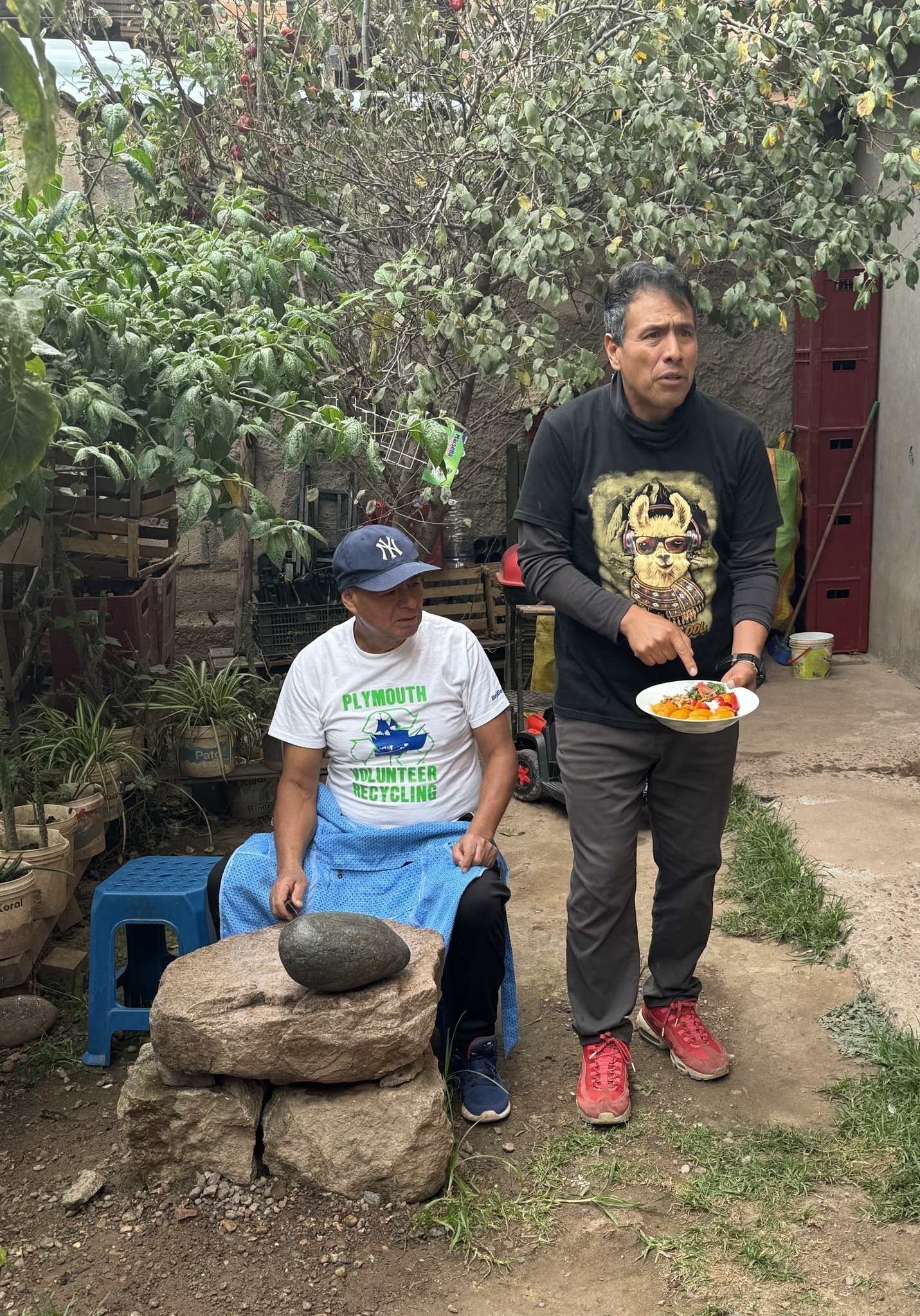
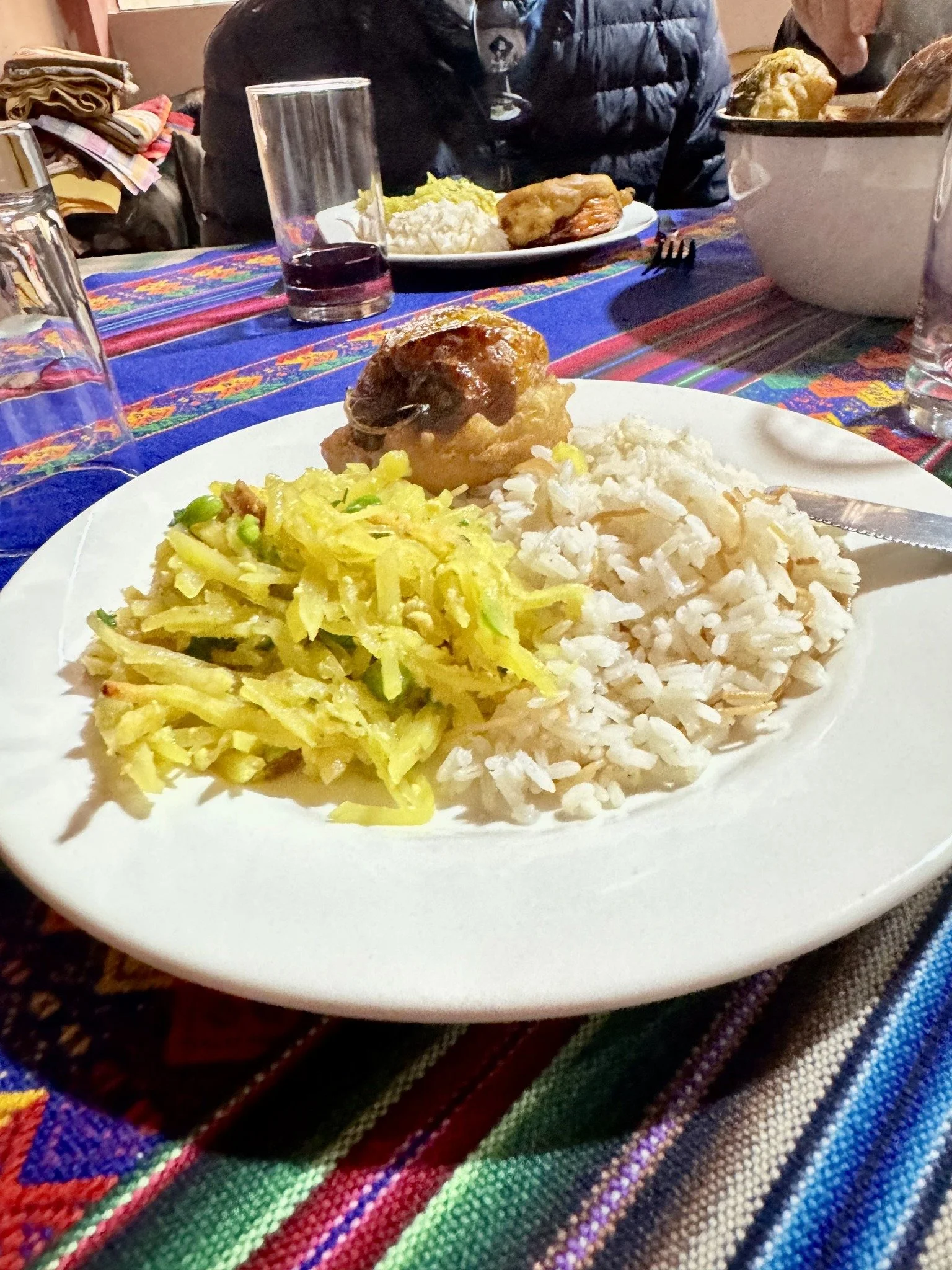
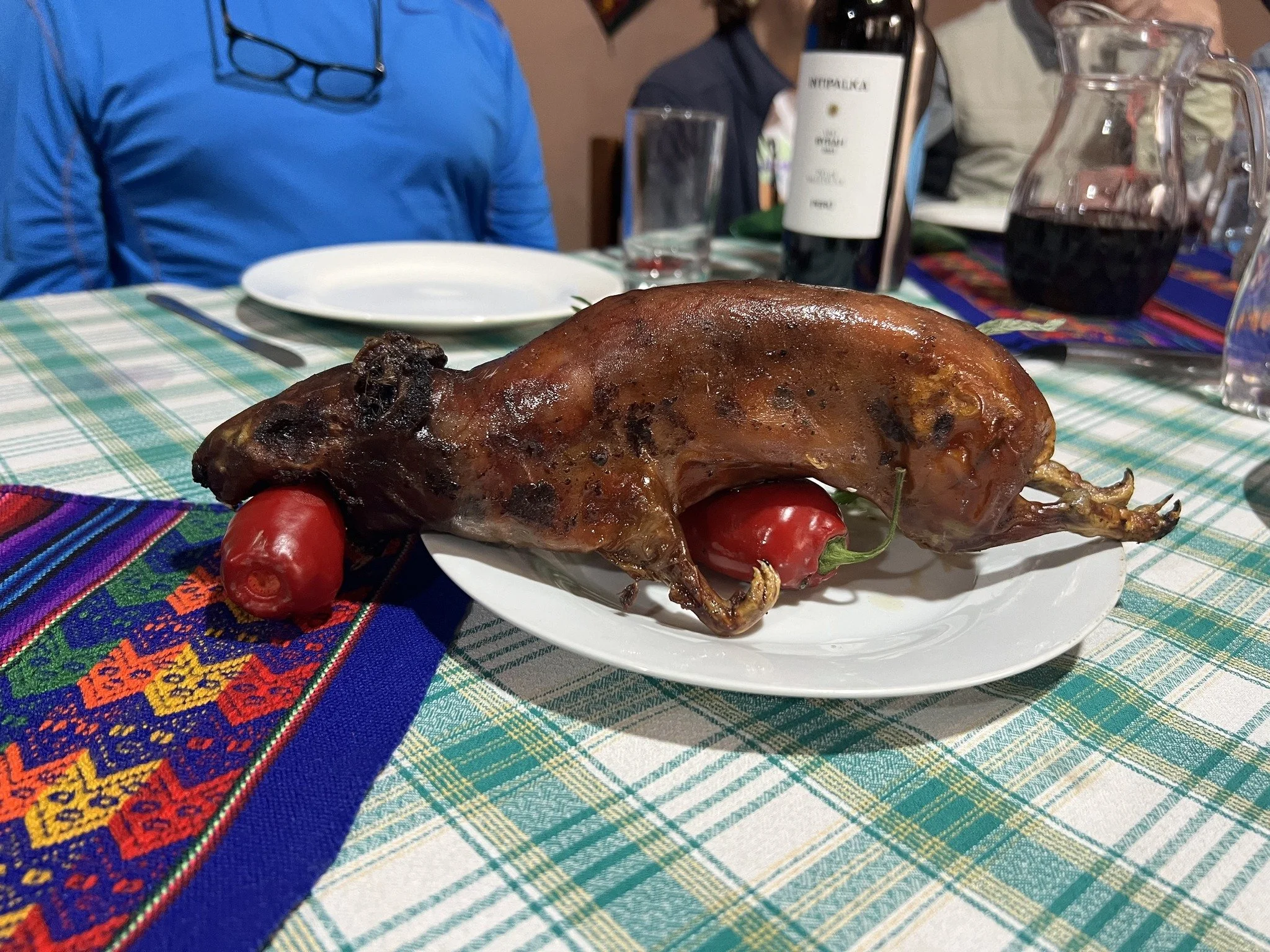
Our Overseas Adventure Travel guide Salvador Torres, facilitated an intimate home-hosted lunch with a gracious, friendly, family. We had Andean quinoa soup, stuffed peppers, and rice. We even had a chance to help the family members prepare the stuffed peppers. It was festive and joyful. The main course was a Peruvian staple: roasted guinea pig. Before we sat down to eat. Aiden came around the table and personally said hello and shook our hands. I was impressed beyond measure.

Known for trying new things, Gordon Ramsey told his National Geographic Show audience, “You don’t know what you’re missing, after tasting a loin cut of guinea pig meat…I’m telling you it’s delicious "

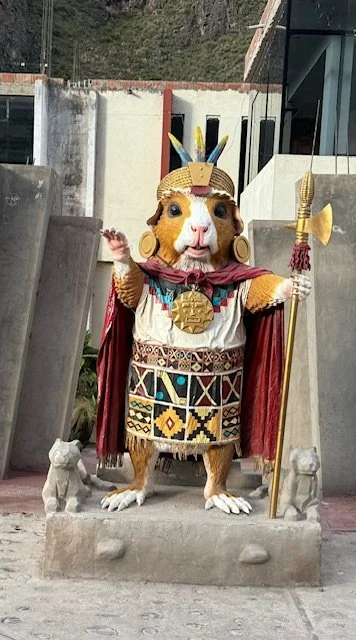
Peru, the ancient heart of the great Inca Empire, is a country with an amazing history. Guinea pigs are not pigs and they don’t come from Guinea. Peruvians don’t keep them as pets. What they are is a delicious delicacy. Guinea pig has been served whole on special occasions since Inca times. The meat is low in fat but high in protein, perfect for people enjoying being on a Paleo diet. My intent is not to lobby for inclusion of guinea pigs in the American diet, but to share a cultural experience and affirm, “When in Rome…”

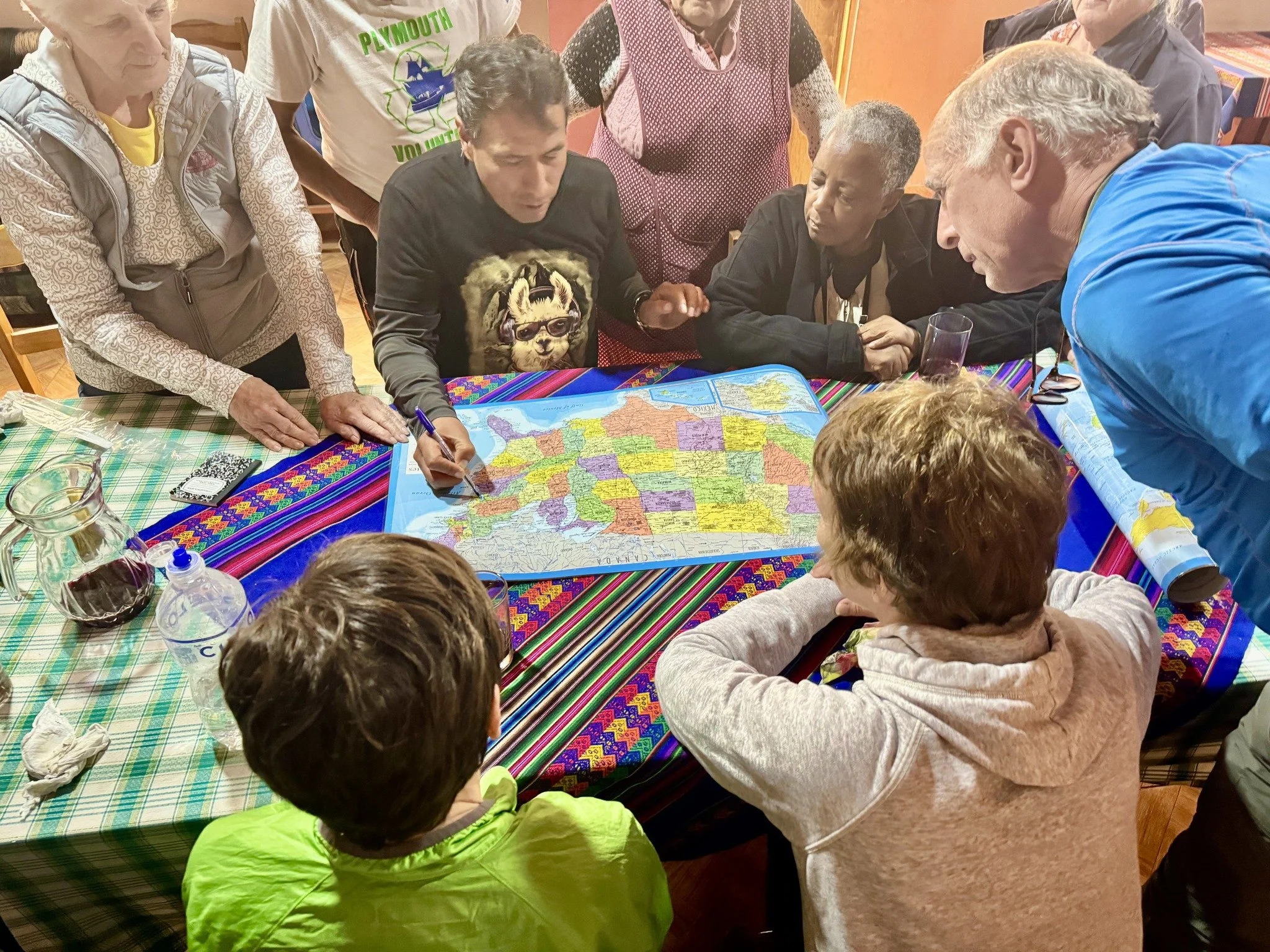
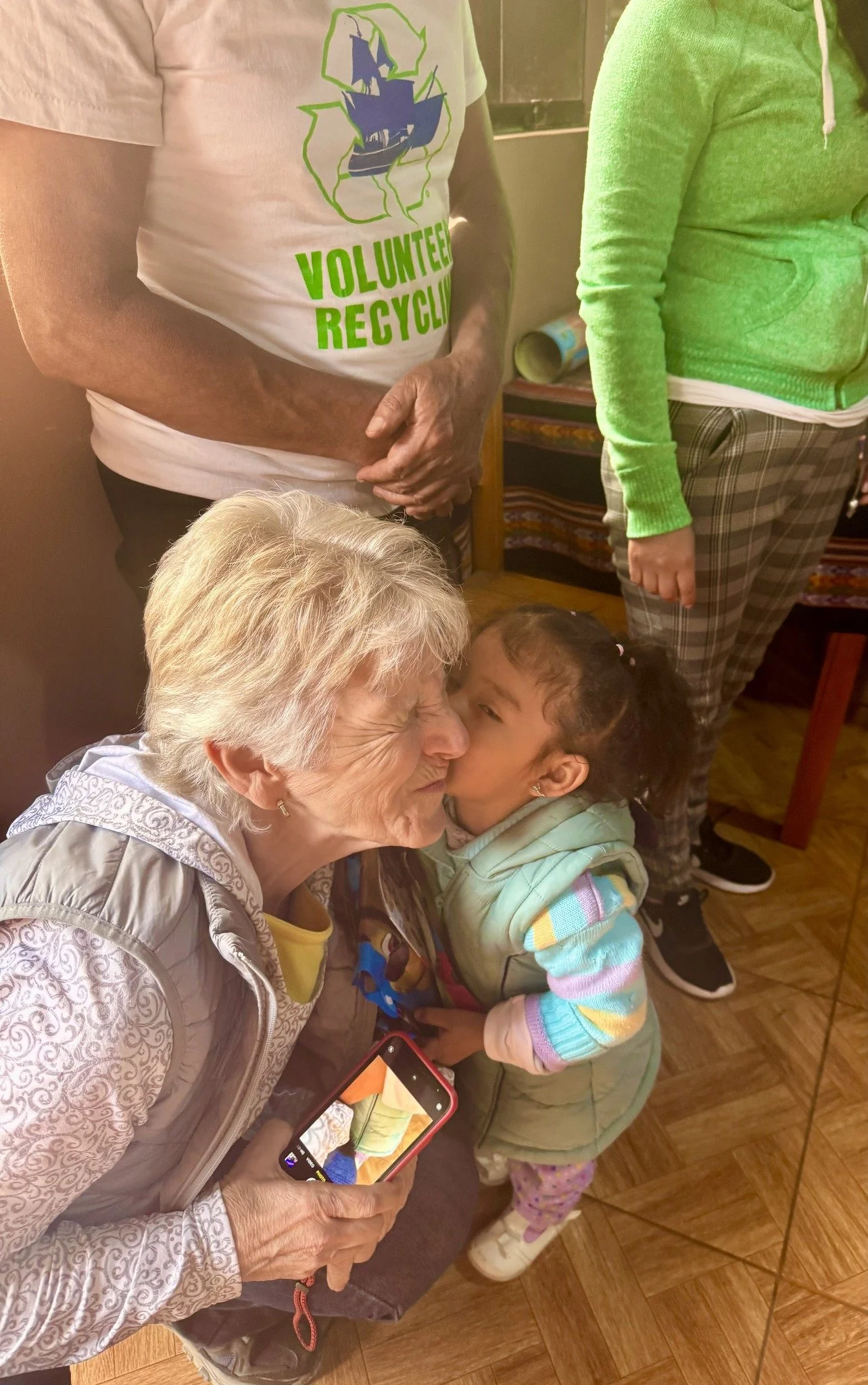
When dinner ended, one of our group, named Clare gifted two maps: National and International map to Aiden for school. All of us announced where we live, and pointed to it on the map. Clare also gave Aria some colorful gifts and Aria she spontaneously gave Clare a kiss on her cheek. I handed Mercedes, the matriarch of the family a gift from Jason and I.

A Rafting Adventure Adventure on the Urubamba River In the Sacred Valley of the Incas

"The Urubamba must have been the Garden of Eden, of which so much is spoken in the Bible.

—Antonio de Leon Pinedo

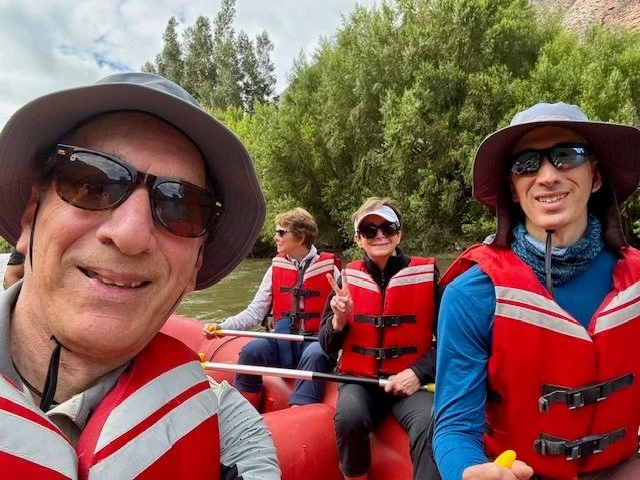
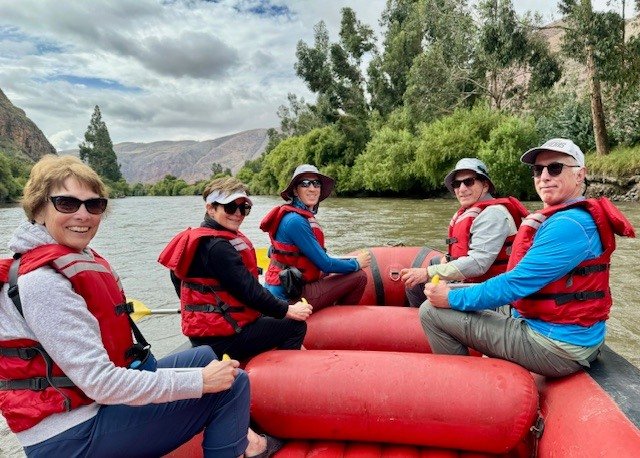
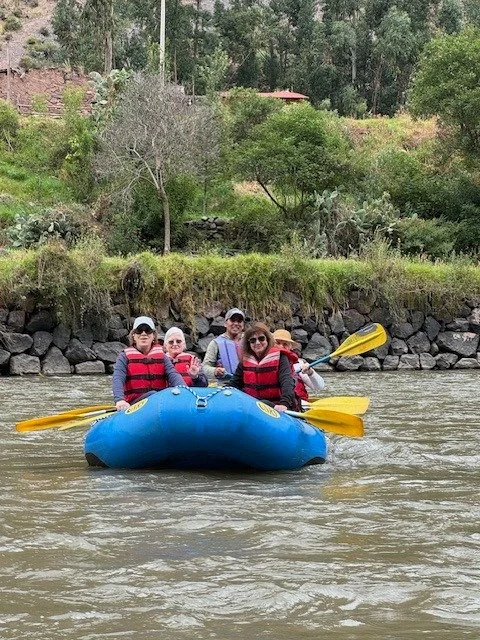
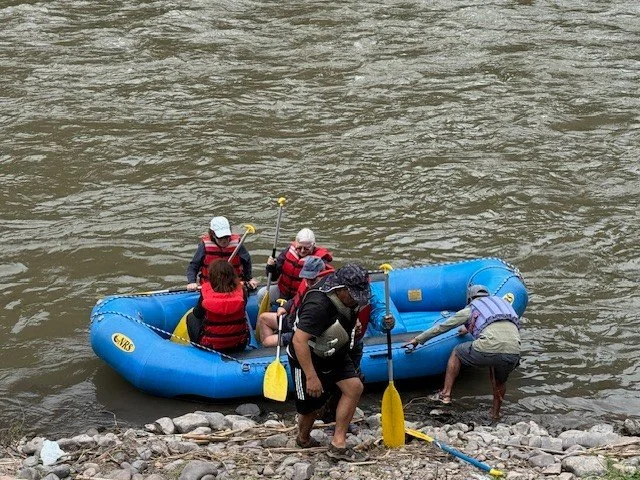
Our discoveries made an adventurous turn as Jason and I and our small group made our way to the banks of the Urubamba River to embark two inflatable rafts. Jose, our guide gave us a quick lesson in paddling. It was a perfectly enjoyable way to experience the enchanting Andean landscape. The Incas regarded the Urubamba sacred ground. It was here that their culture was born, and they found a true life source. The areas mild climate and fertile soil yielded an abundance of fruits and vegetables. As we floated along the river he had us go over some not so mild rapid, and since Jason and I were up front, we bore the brunt of the water splashing all over our paints.

As we continued to float along the river Jose pointed out the networks of terraces on either side, that amazingly was constructed entirely by hand, which transformed steep mountainsides into acres of arable land that helped feed a civilization, and remains in use to this day, centuries after their construction.

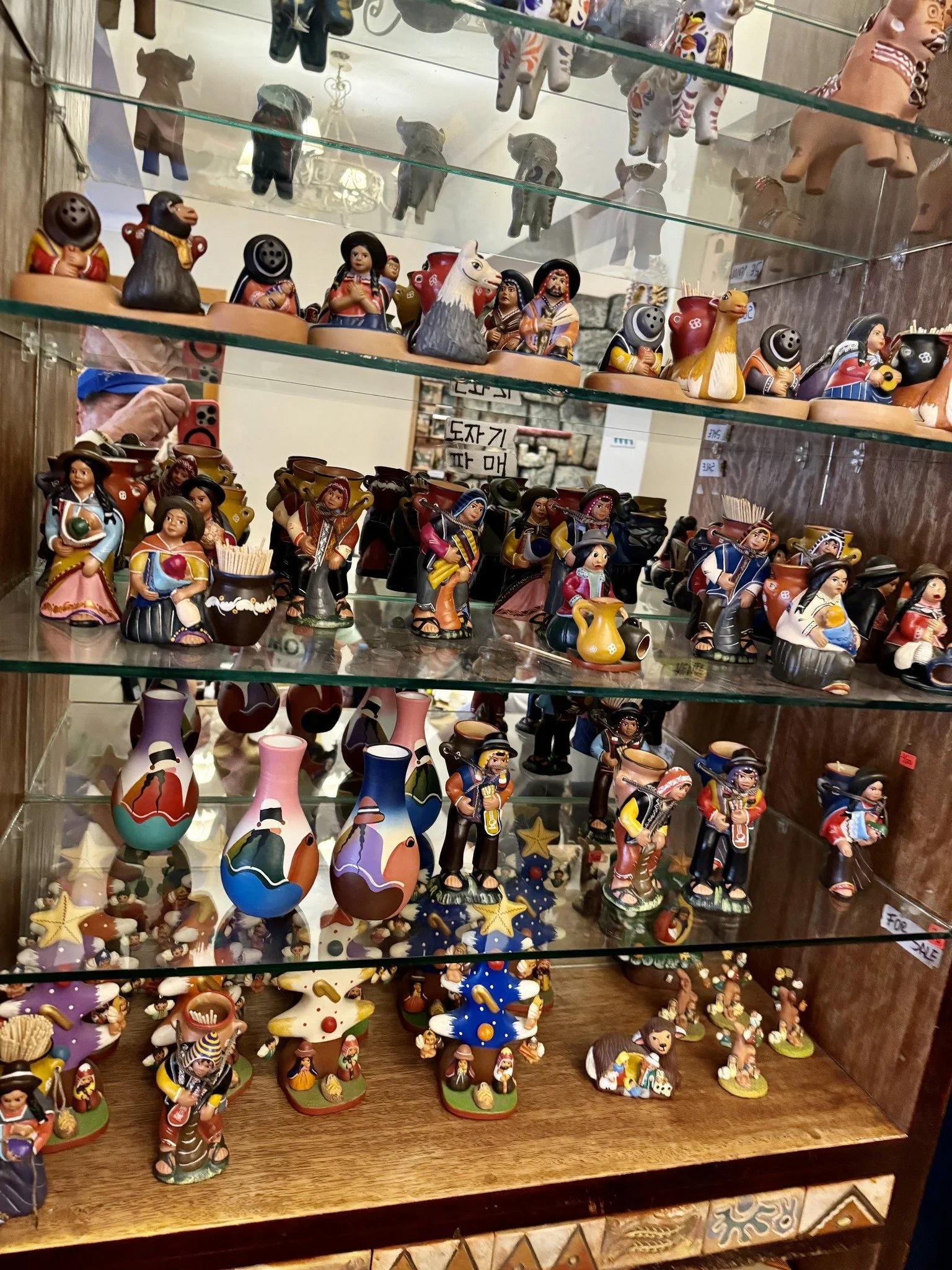
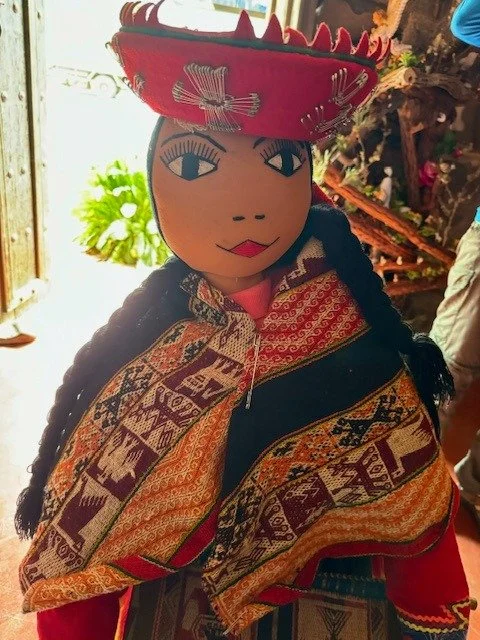
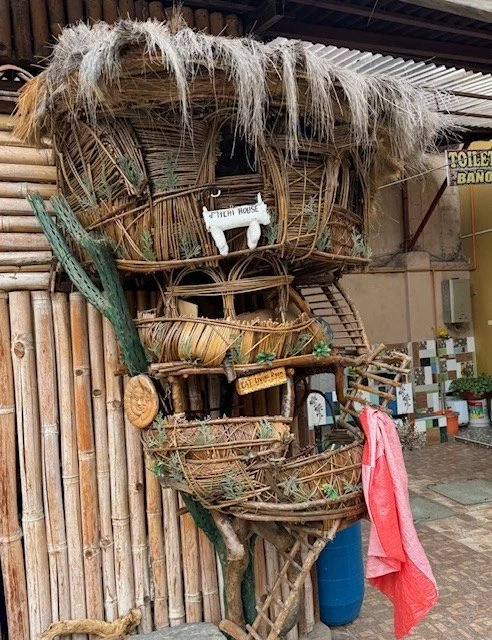
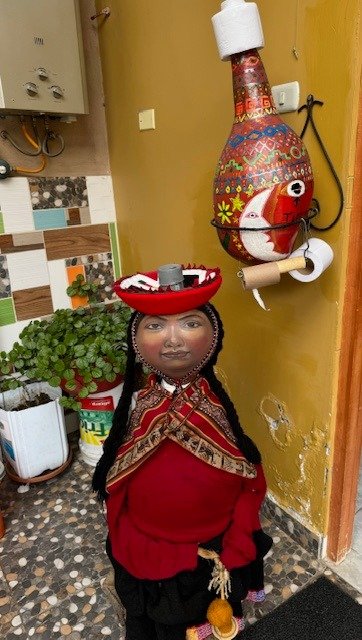
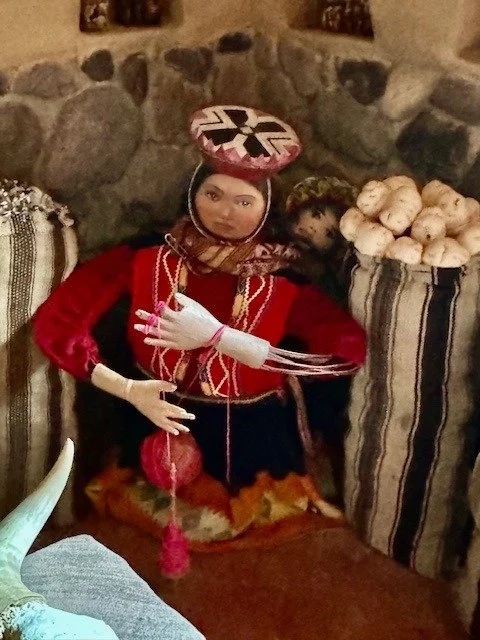
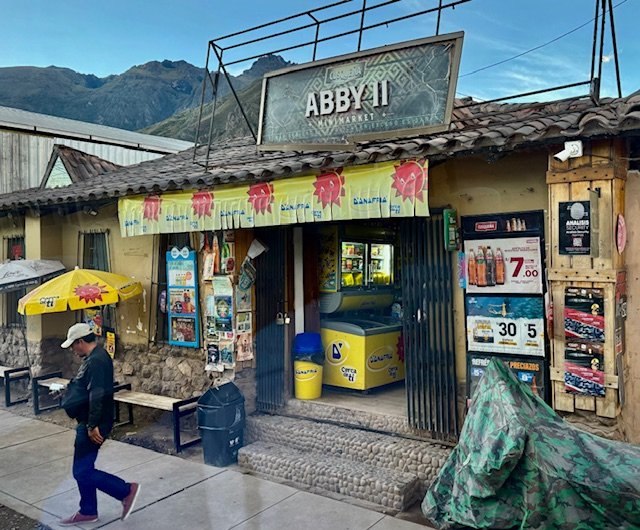
Following our excursion, we had some tea in front of a local bar and market that had some charming Peruvian novelties, carvings, himsical statures, dolls, and a charming and elegant talking parrot.


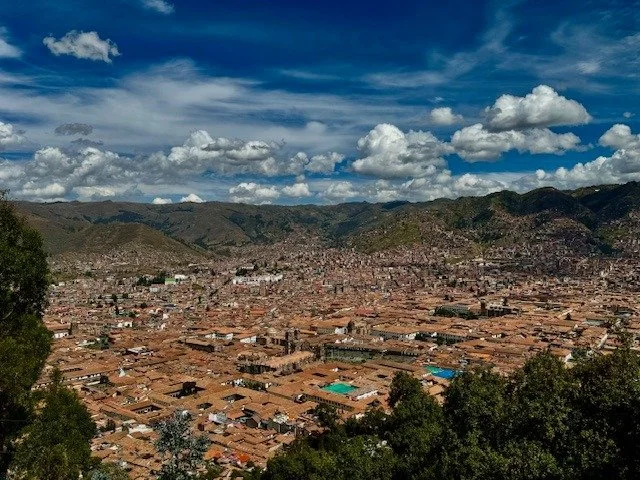
We flew to Cuzco Once the Capital of the Incas & Now a World Heritage Site

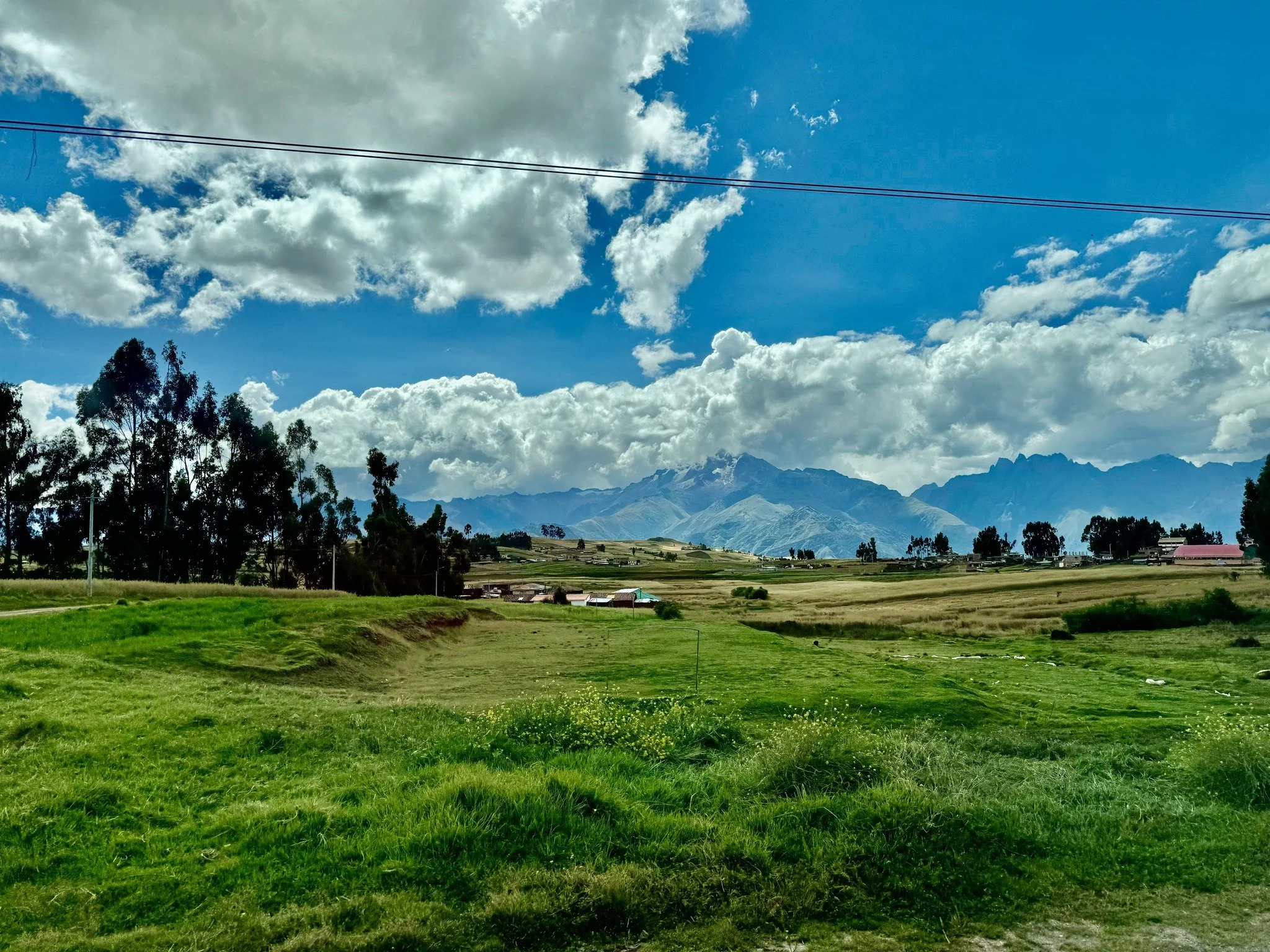
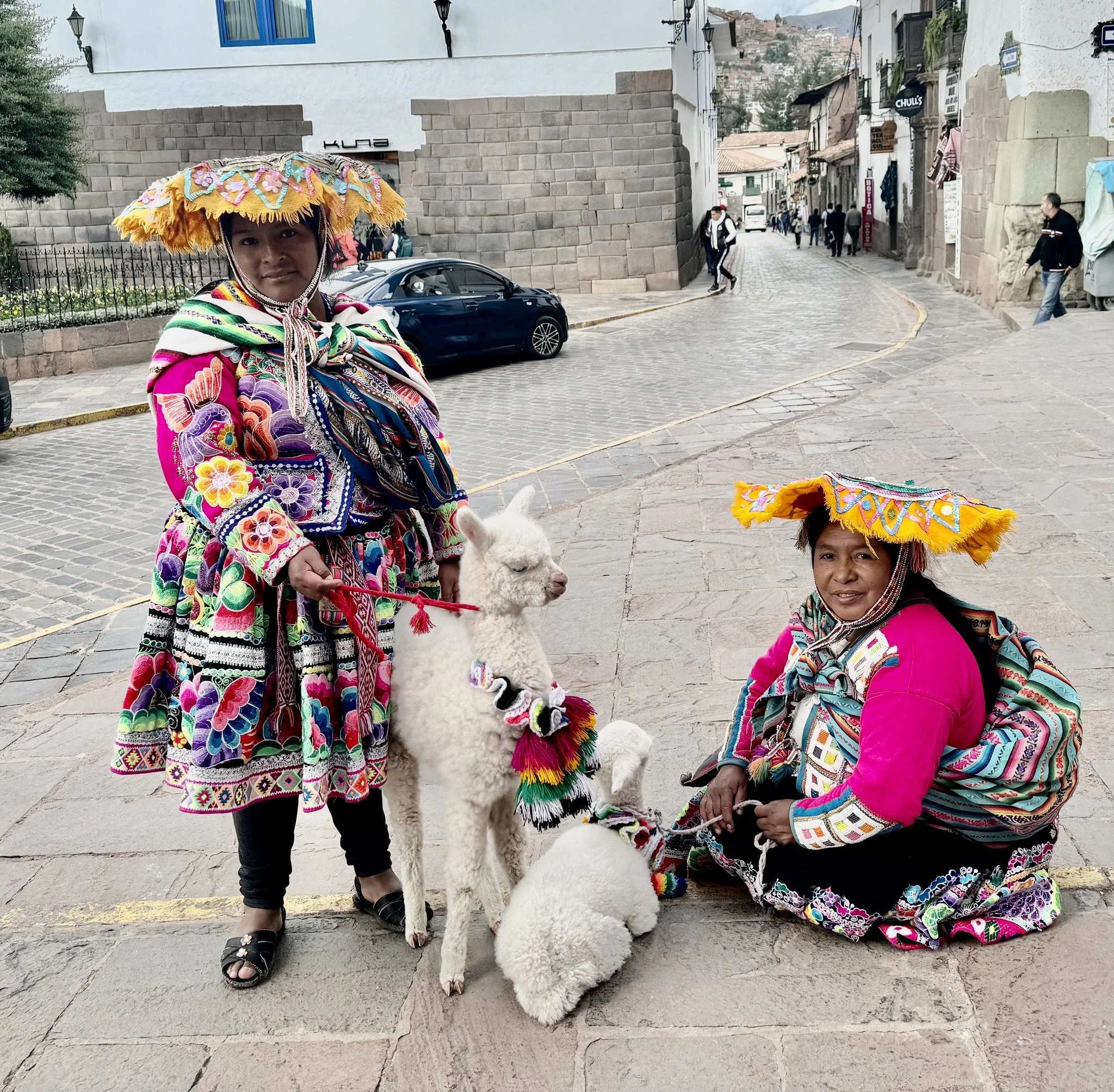
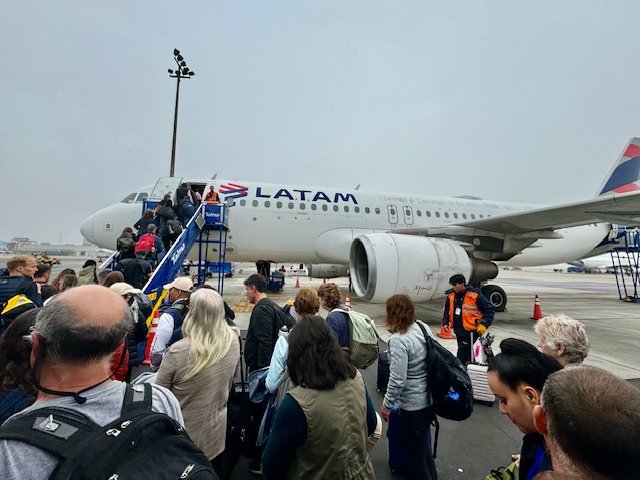
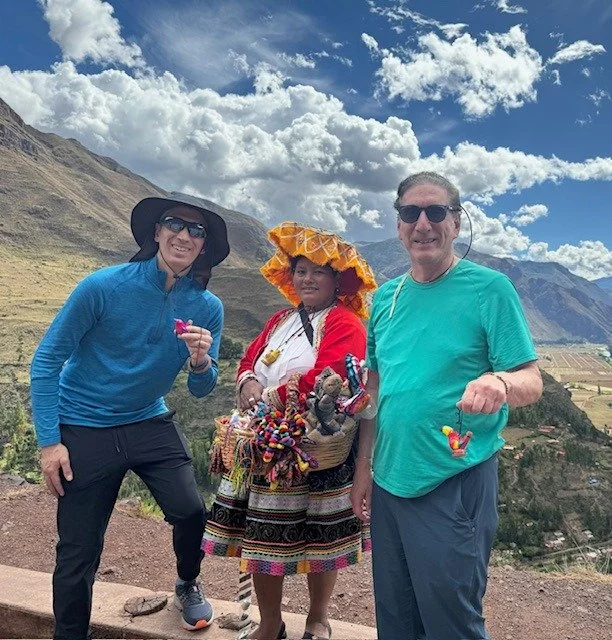
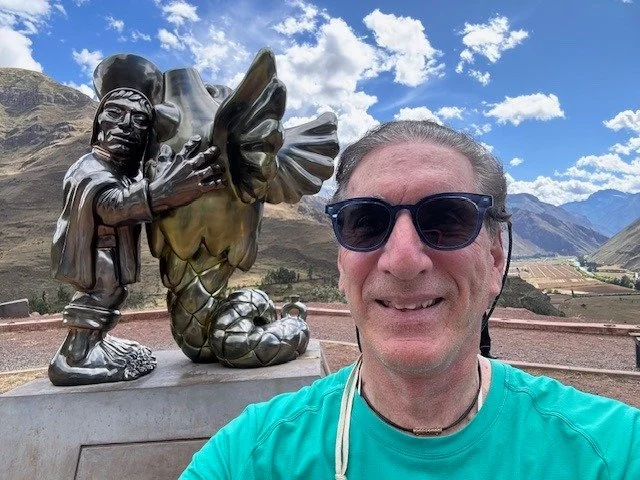
Our Overseas Adventure Travel group caught a morning flight to the mountain-ringed city of Cuzco which is situated at an elevation of 10,909 feet. Upon arrival our local tour bus driver took us to the Sacred Valley of the Urubamba River where the lower elevation eased our transition to the high altitudes of the Andes. We enjoyed a box lunch during the drive, and continued to the upper city of Pisac.

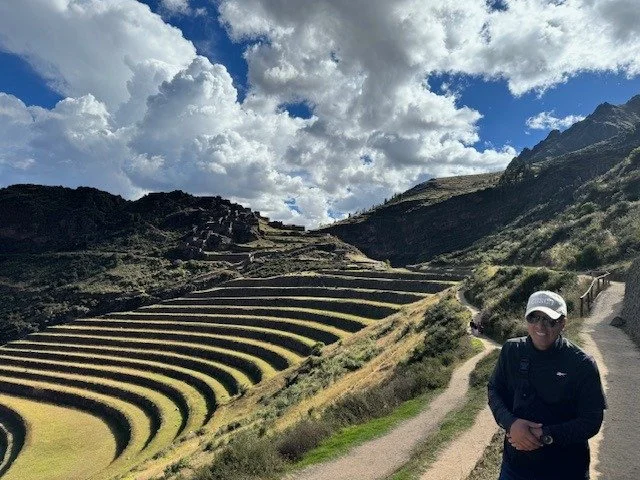
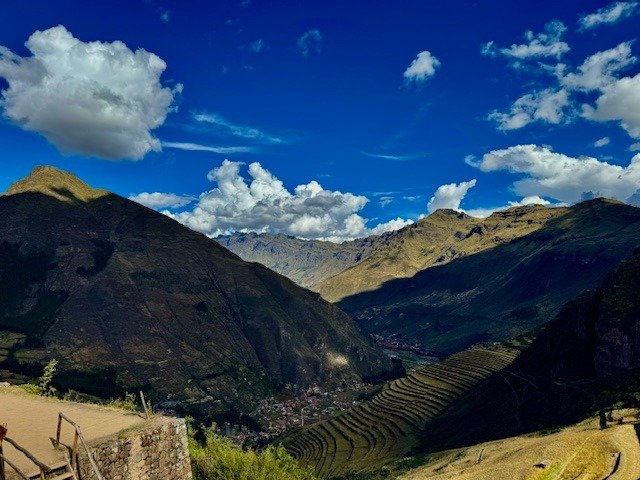
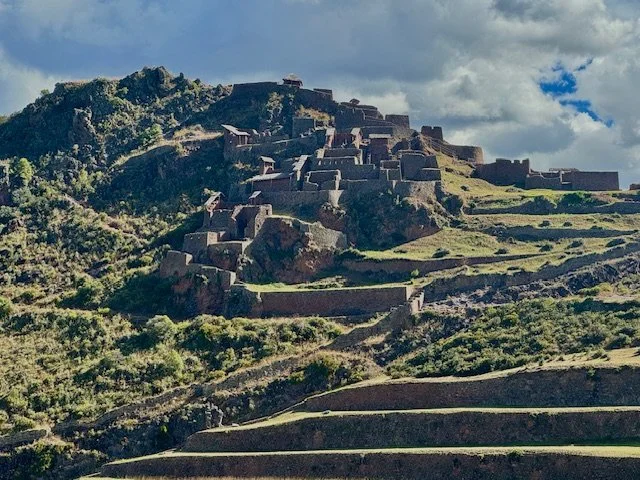
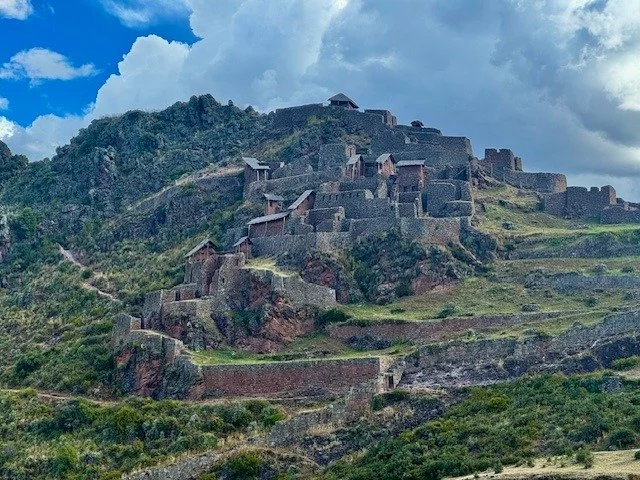
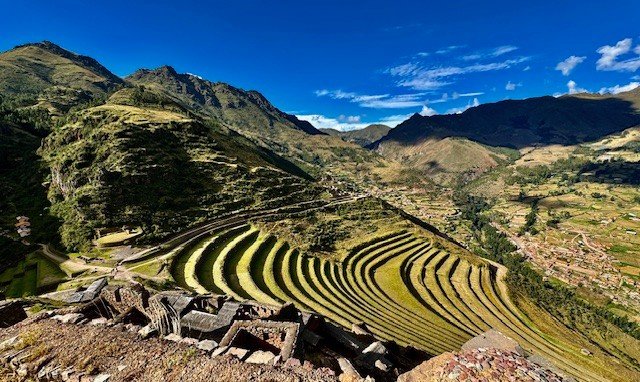
These mythic ruins are situated in a spectacular location atop a buttress ridge, with agricultural terraces—constructed by the ancient Inca people—curling around the hill in graceful curves and gorges on either side.

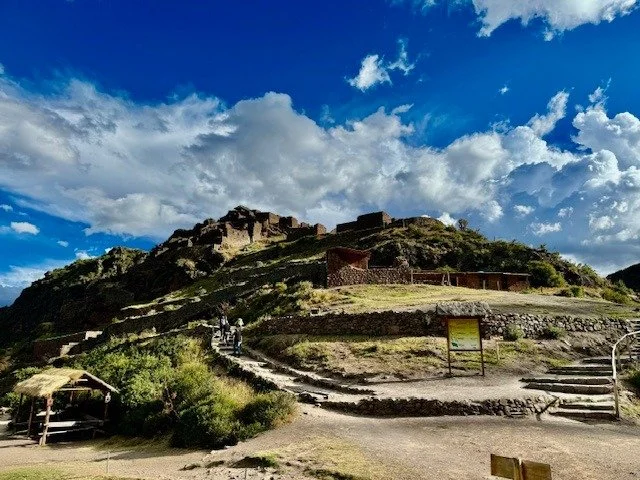
Upon arrival we took a short trek into the ancient city, where we explored its well-built stone dwellings and temples and enjoyed sweeping views, both up and downstream, in the Urubamba Valley.

On the way up to this area, our guide Salvador gave us an overview about the controversial topic of coca production in Peru, and the struggle to balance the plant’s traditional role in society with its high value on the black market as a key ingredient in cocain.

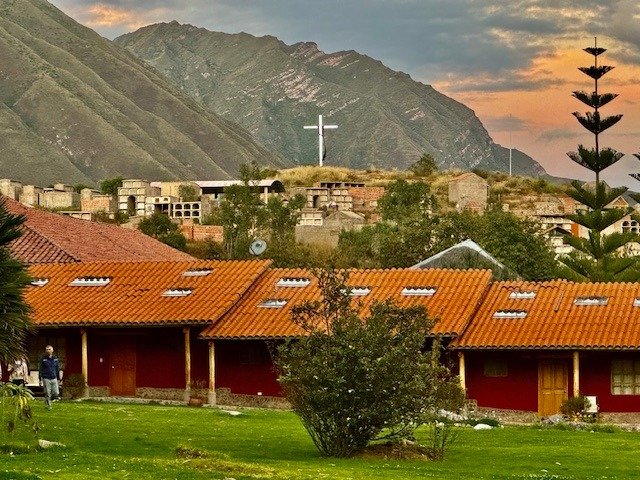
After we checked into the Villa Urubamba Hotel, and settling in a bit, we had a group dinner. This hotel has all the attributes of a quiet retreat center.

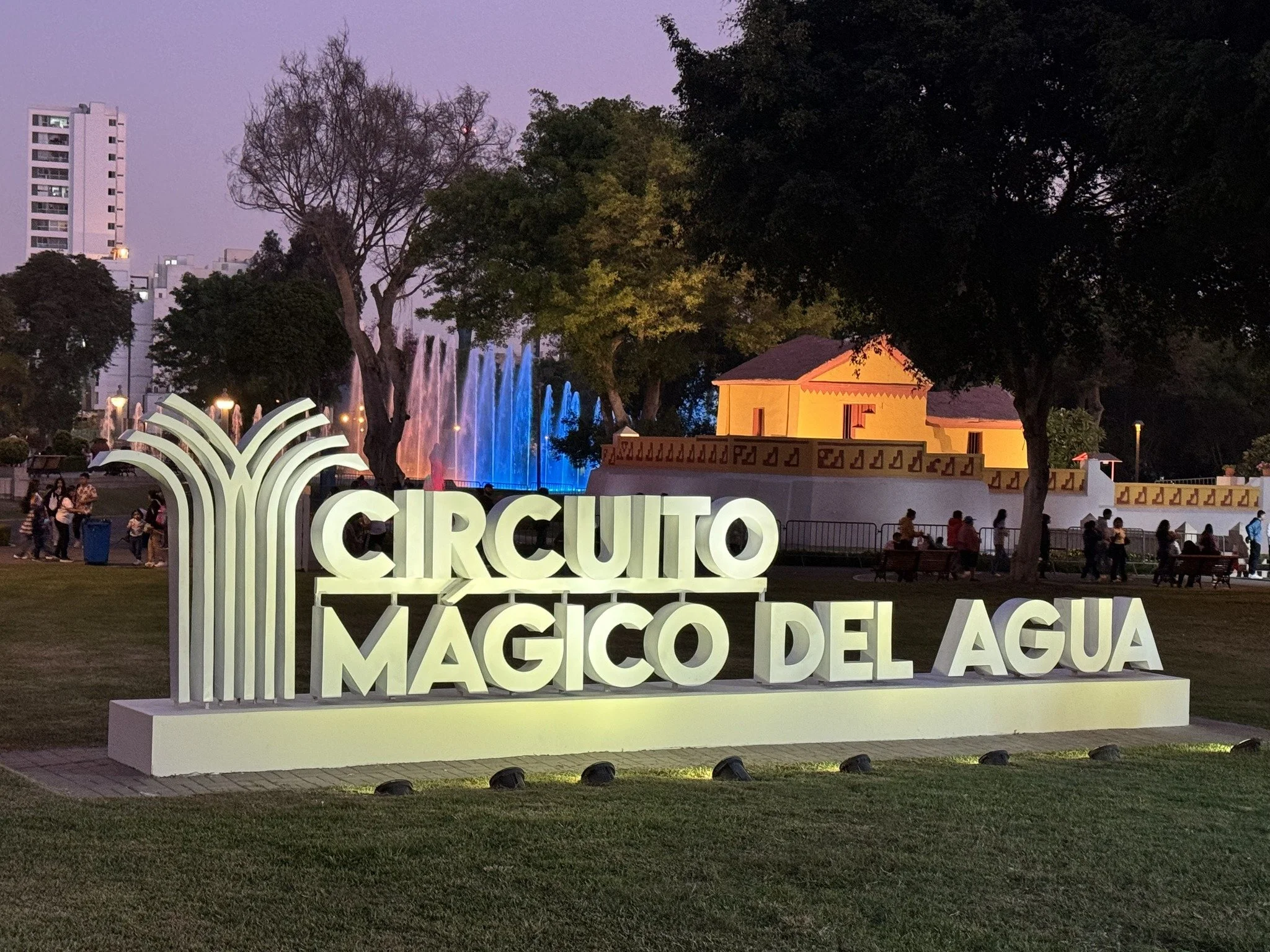
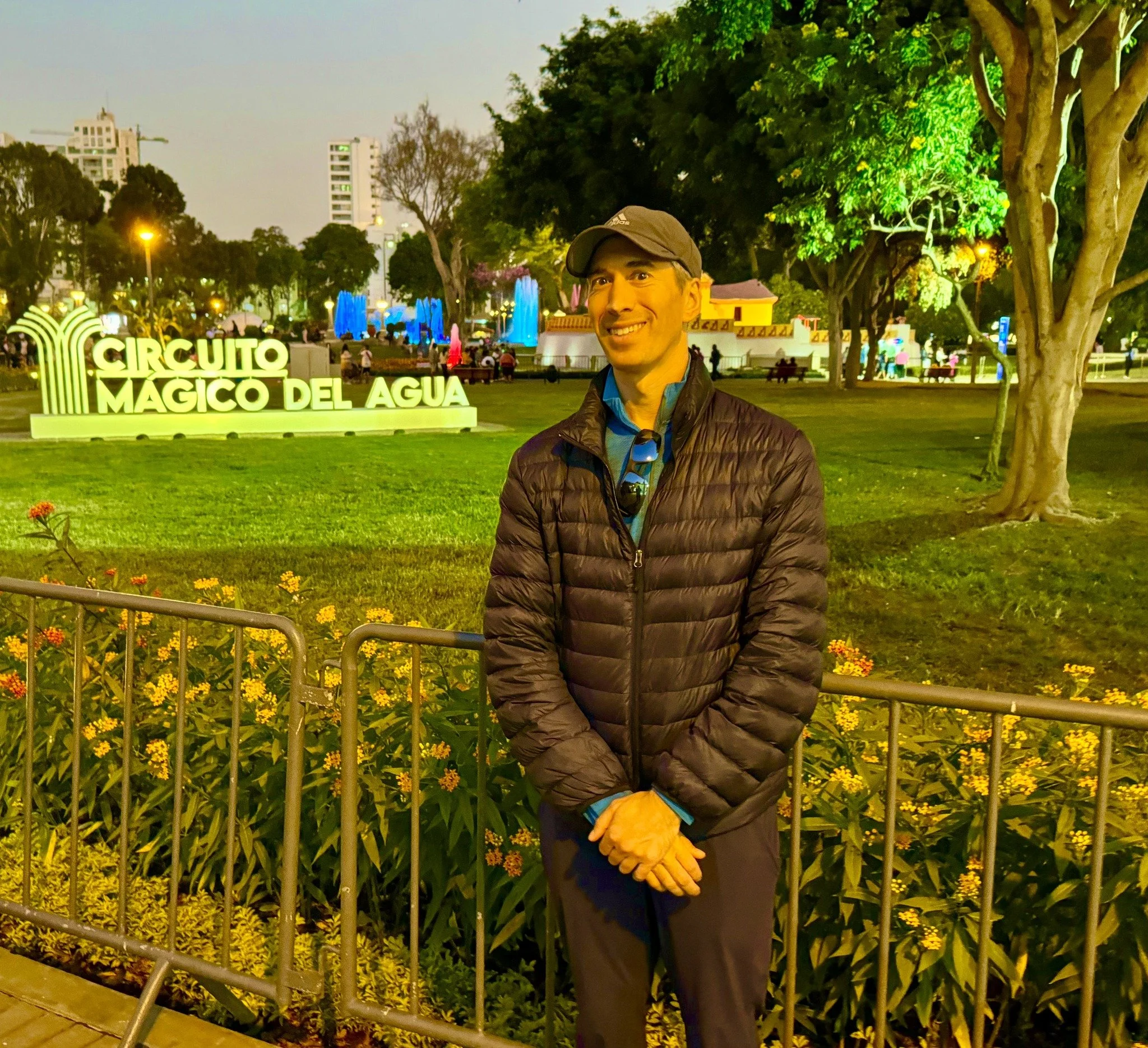
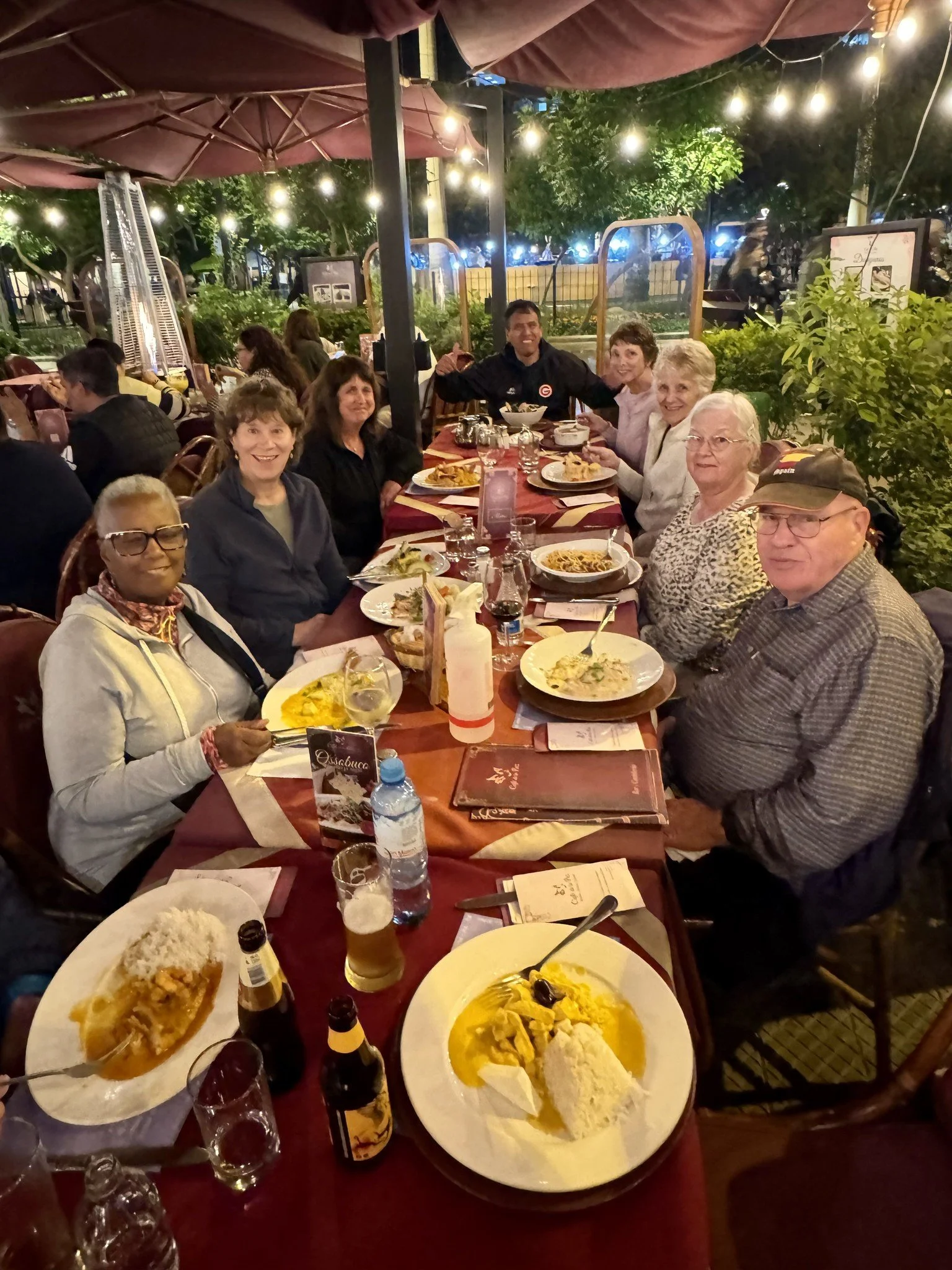
Mesmerized by Magic Water Circuit Show & Dinner at Cafe de la Paz in Kennedy Park in Lima

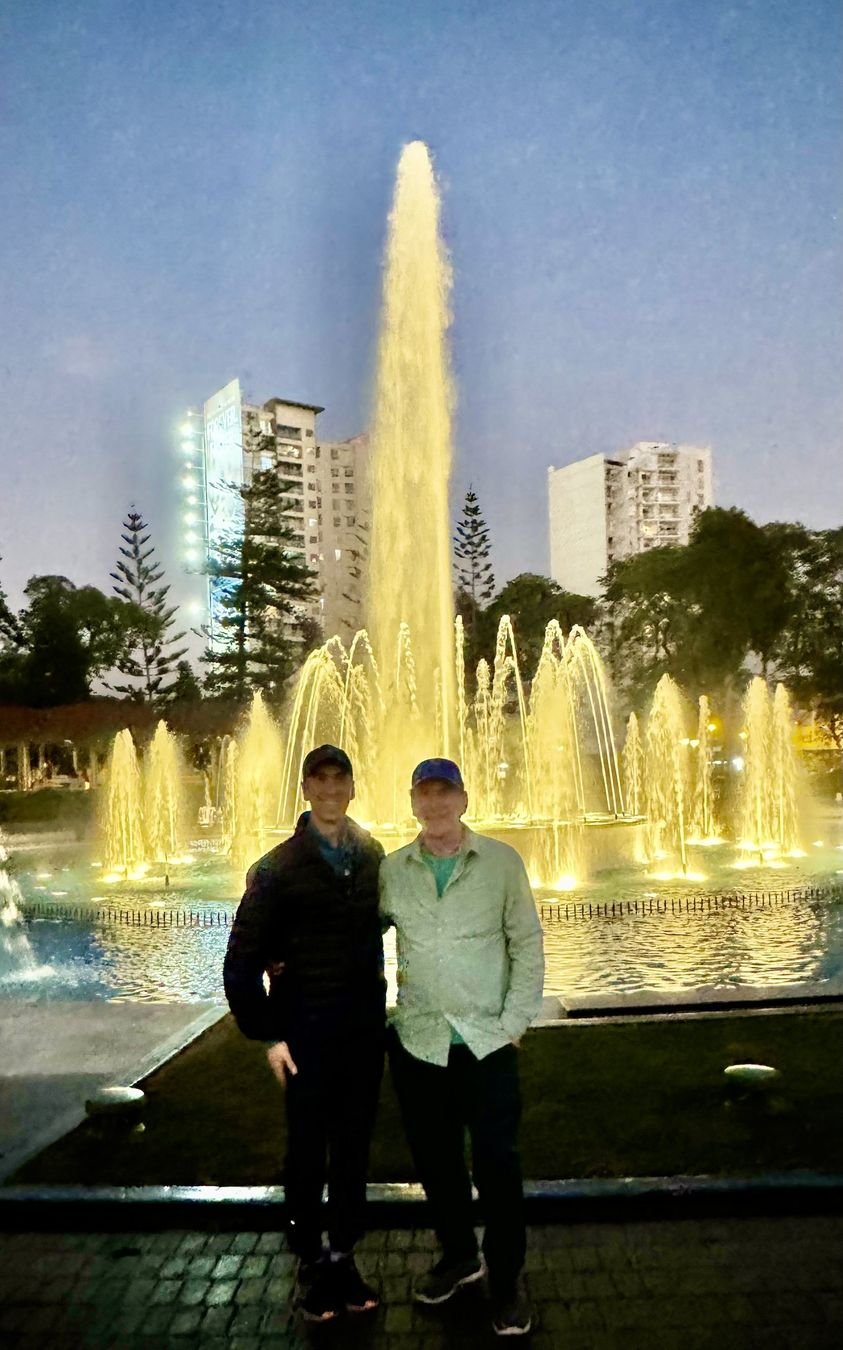
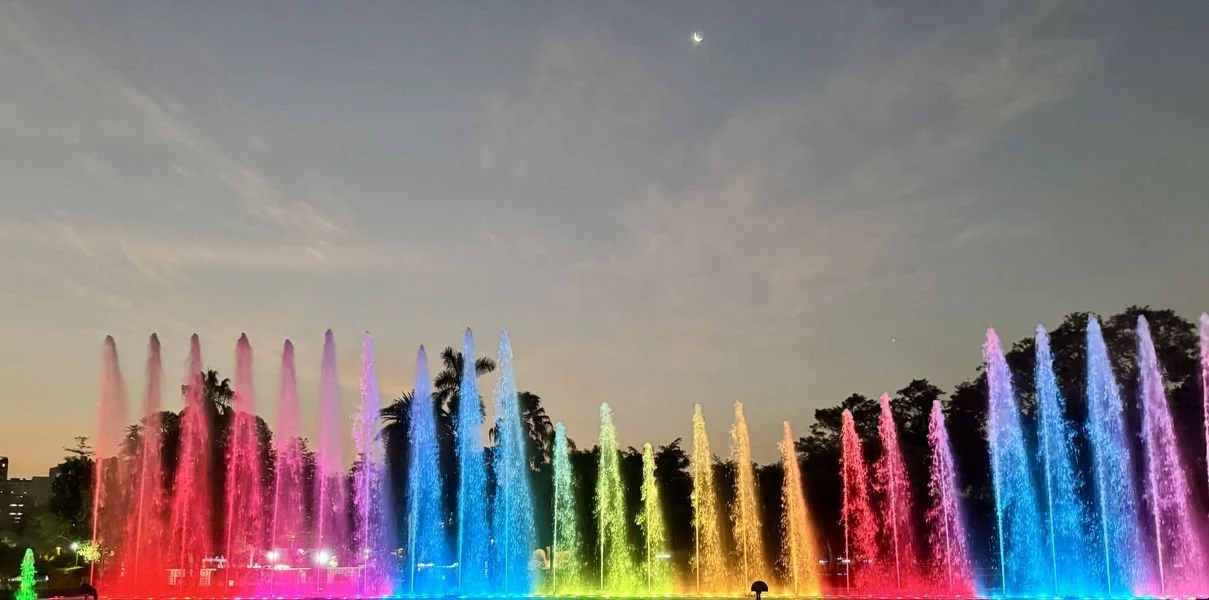
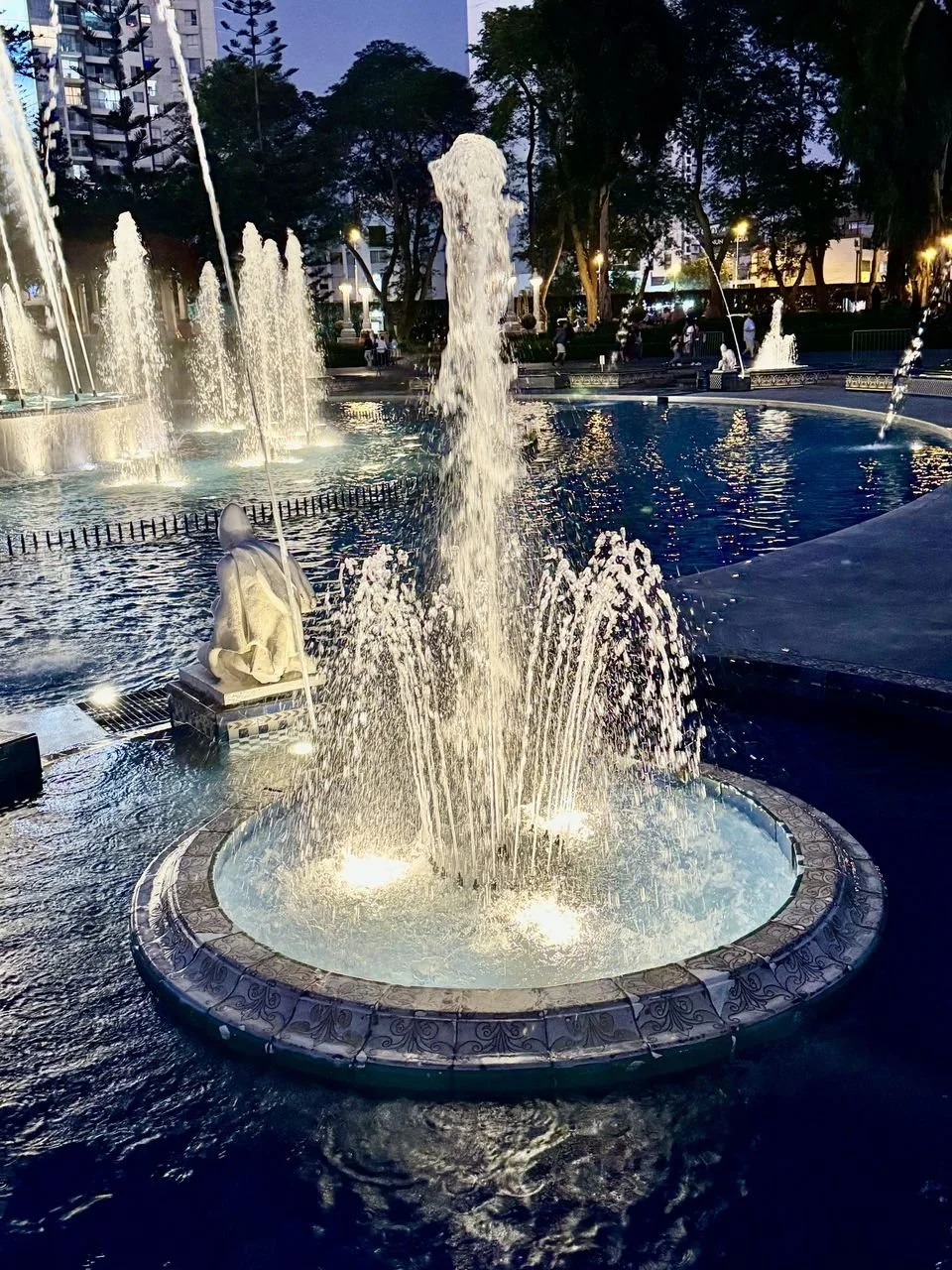
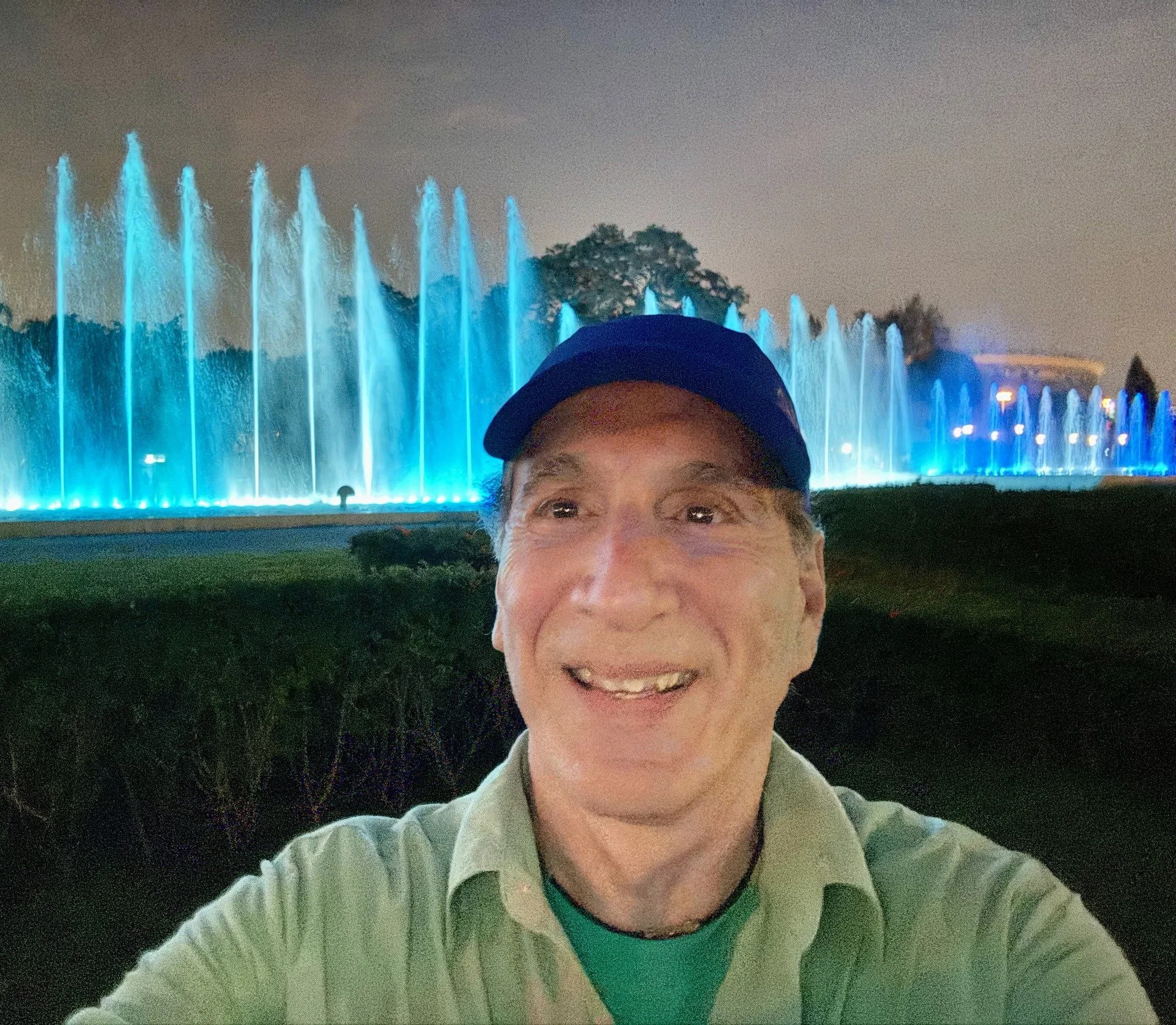
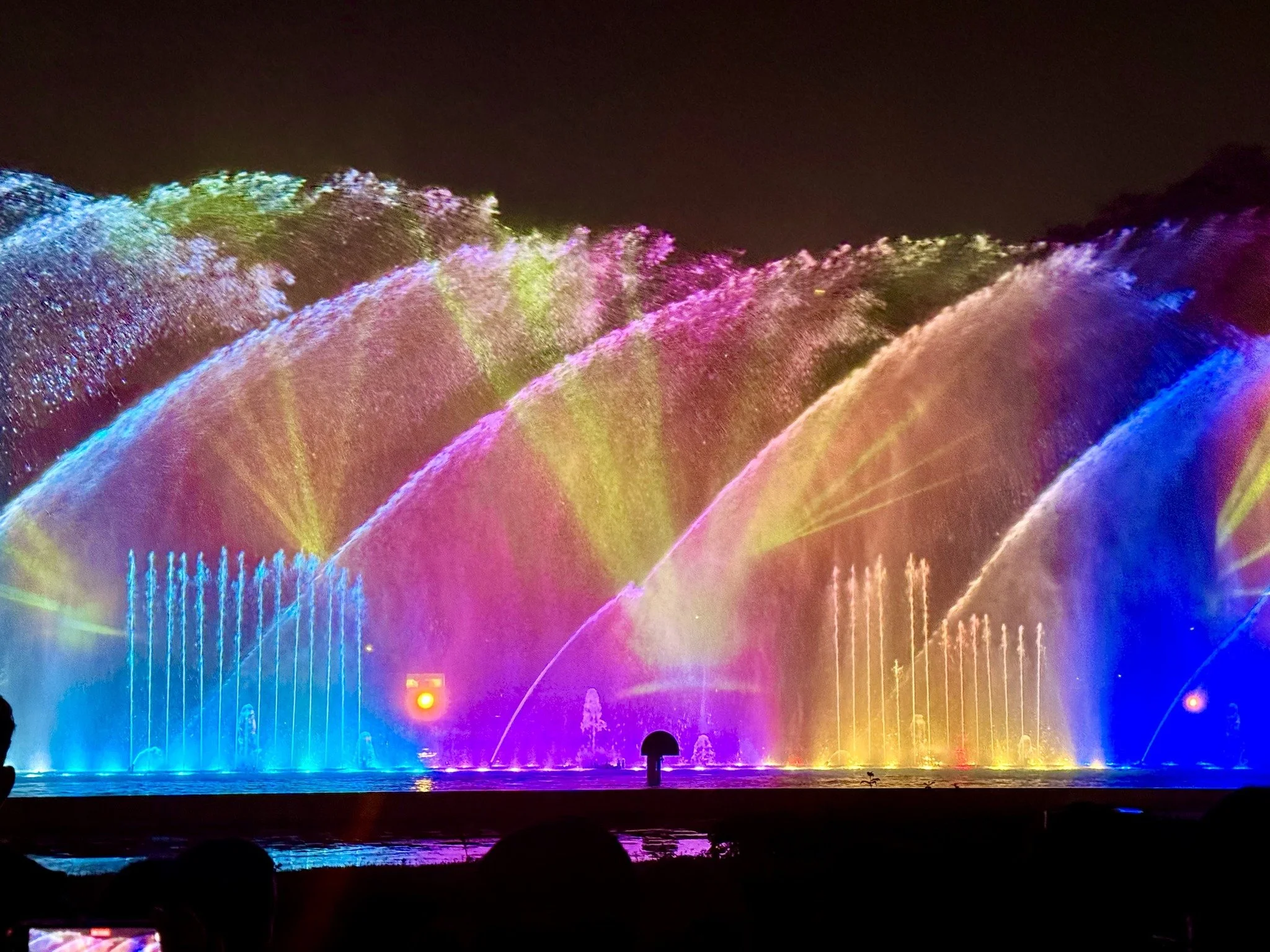
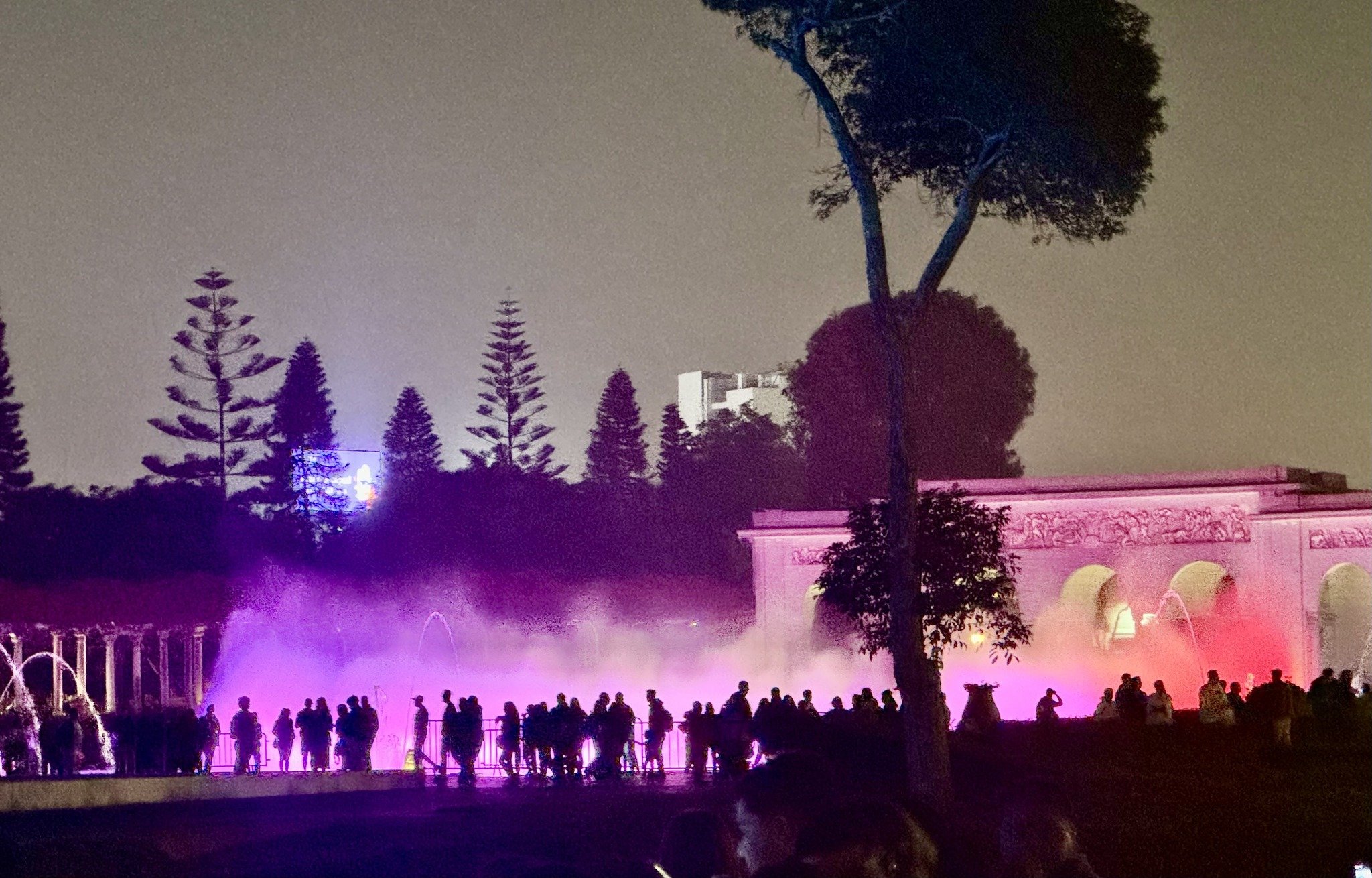
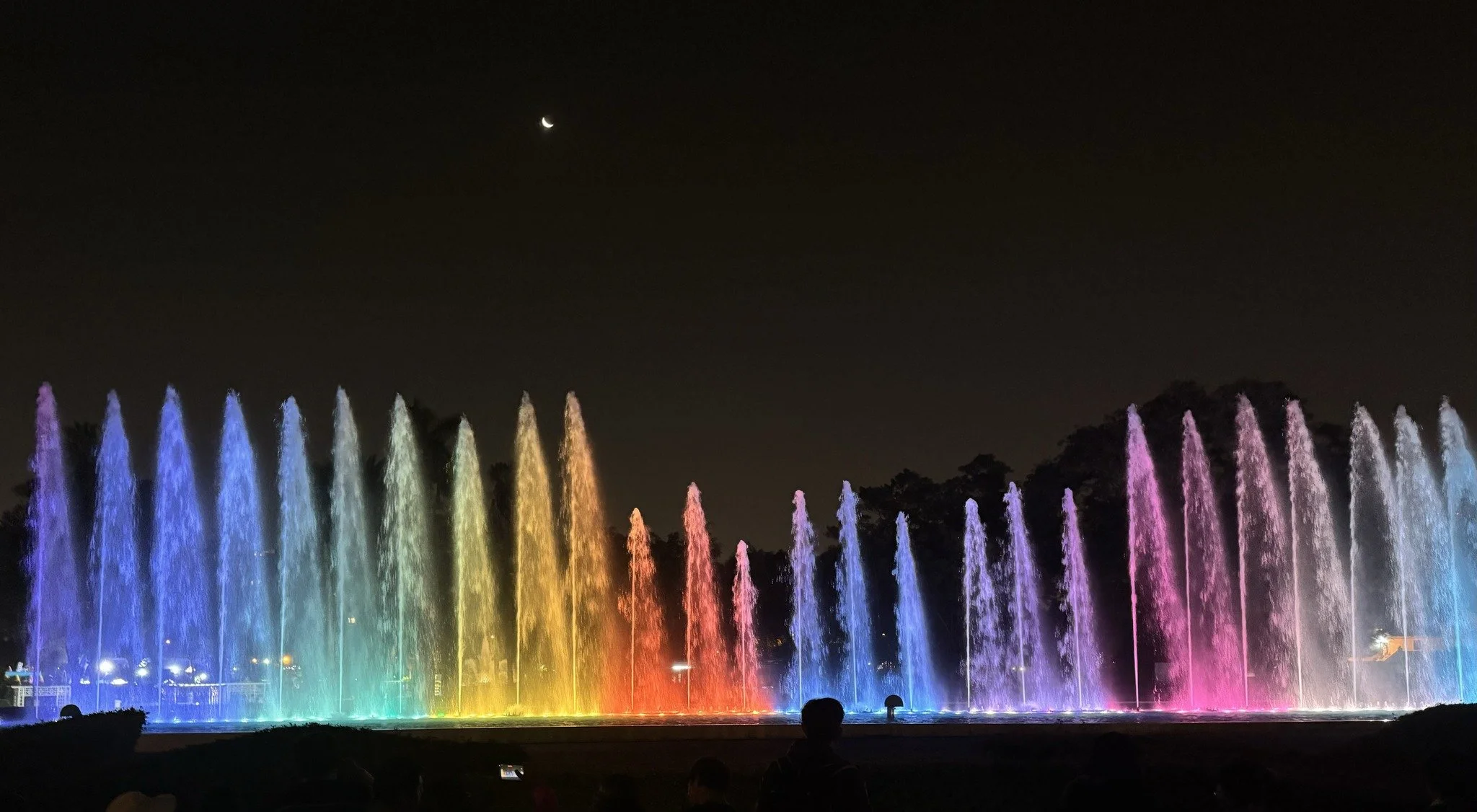
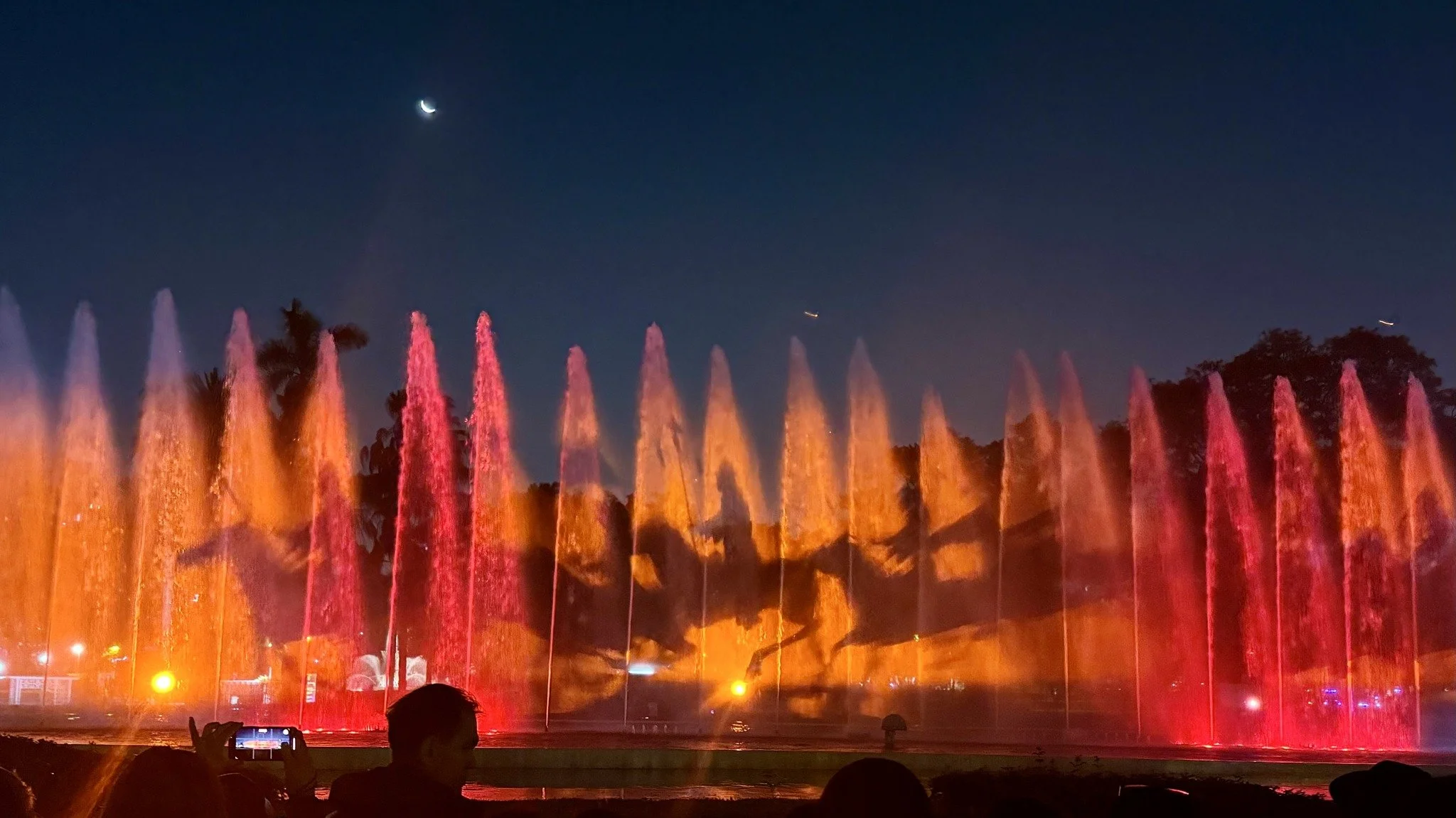
Our tour group of eleven led by Salvador Torres from Overseas Adventures Travel (OAT) went to the Magic Water Circuit at the Parque de la Reserva in Lima. It is recognized by the Guinness Book of World Records as the largest water fountain park in the world. The 13 fountains that are in play throughout the evening aren’t your typical fountains. They incorporate lights, music, and interactive elements, turning them into Las Vegas style showpieces for a fun night of entertainment.

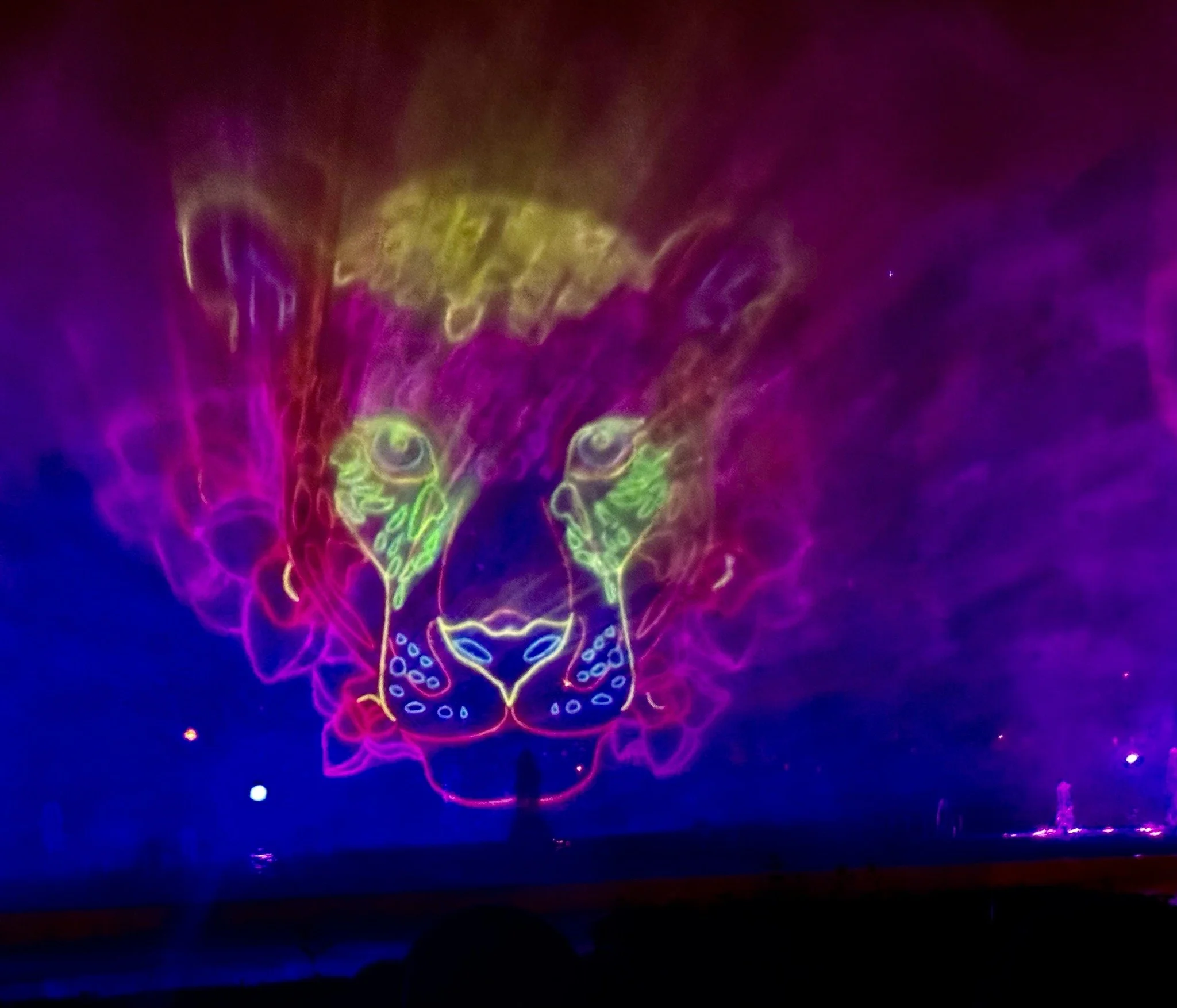
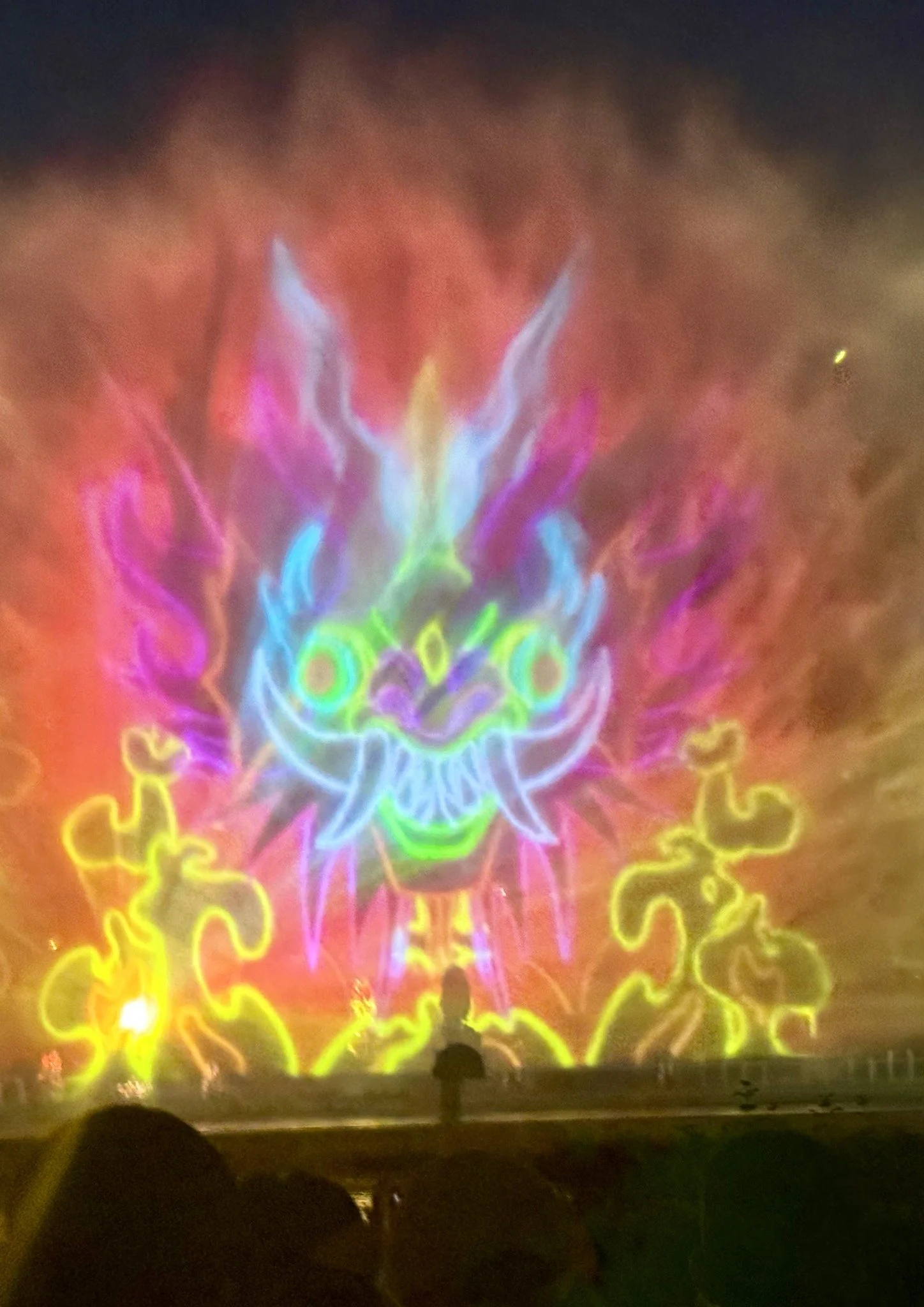
There is the Magic Fountain, a classically elegant fountain illuminated in white light. It shot up and down, and is capable of reaching 80 metres high. Then, the Fantasy Fountain came into play, which involves colorful blasts of water spraying out of the 120 meter long fountain. As the water danced to music’s, the spouts change colors and shape, engaging the audience in a choreographed synchronized show. Laser and light projected scenes, images, and symbols of Peruvian culture, took us on a virtual tour of Peru. It surpassed all of our expectations of what a fantasy show would look like. Each fountain was unique, with different shapes, colors and music, and one that created “bubbles of illusion.” As we were slowly walking away to meet our driver, we saw a mother walking into the Walk in Dome while she held her child close to her chest, and easily dodging the choreography[hed sprays of water.
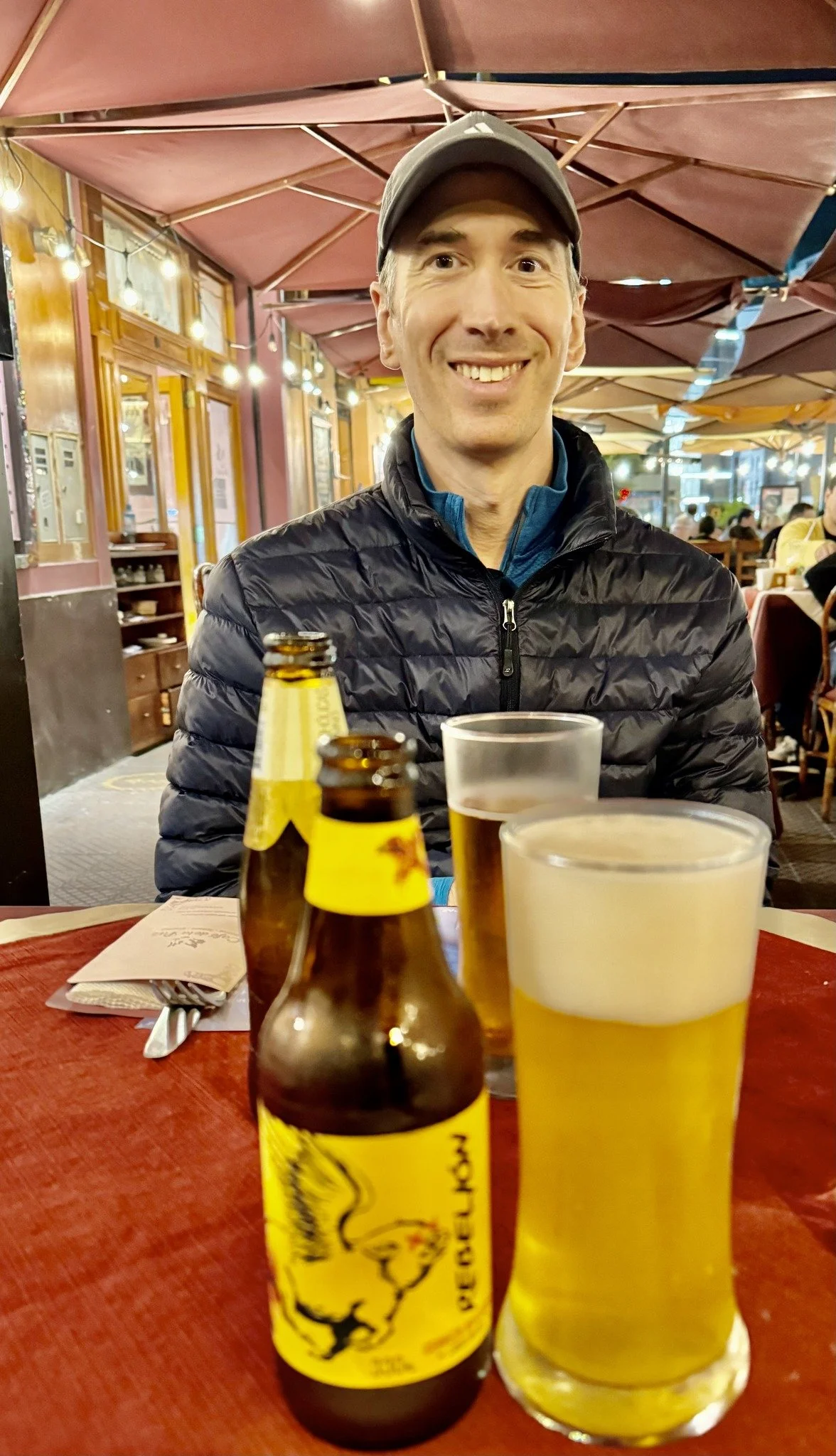
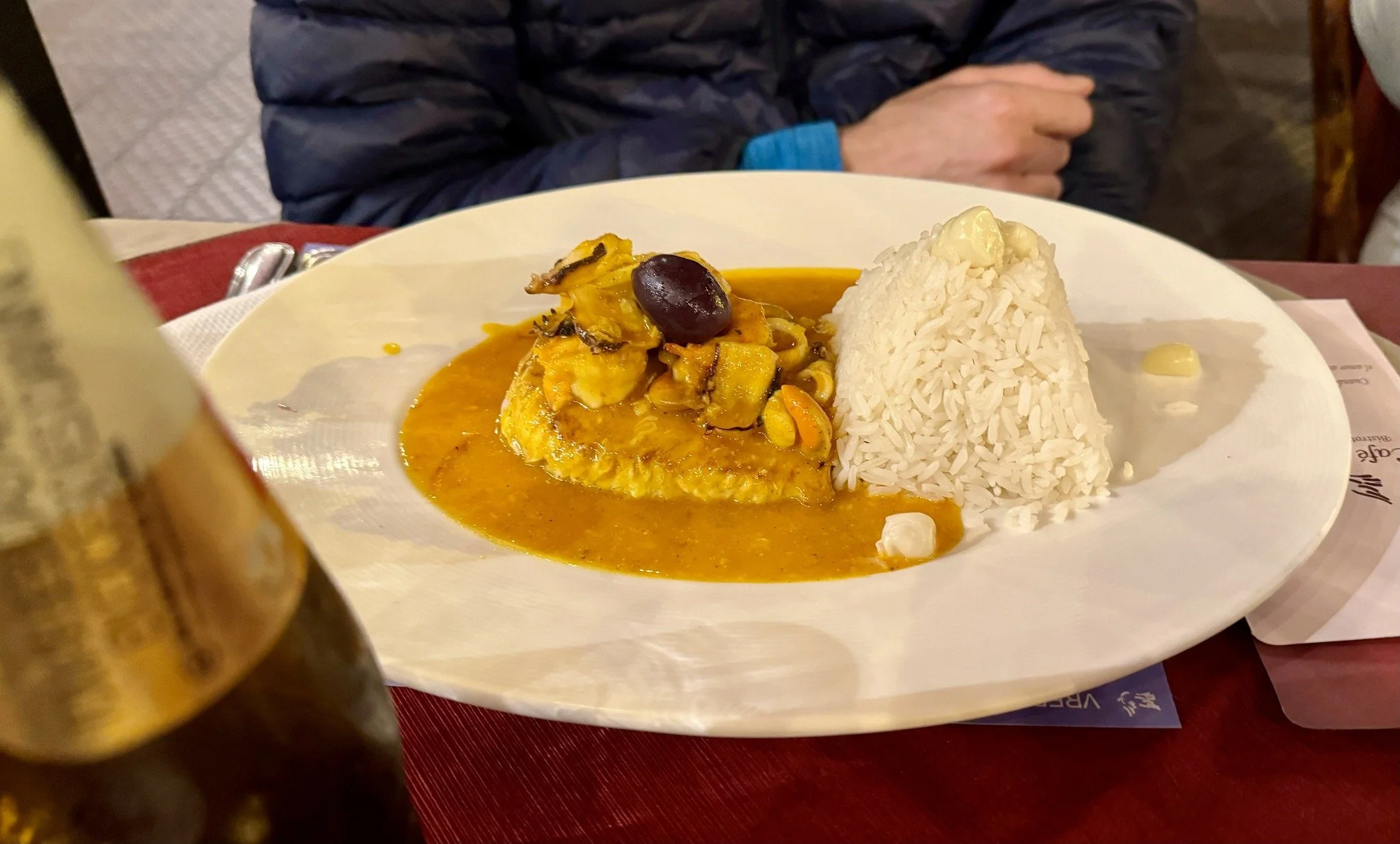
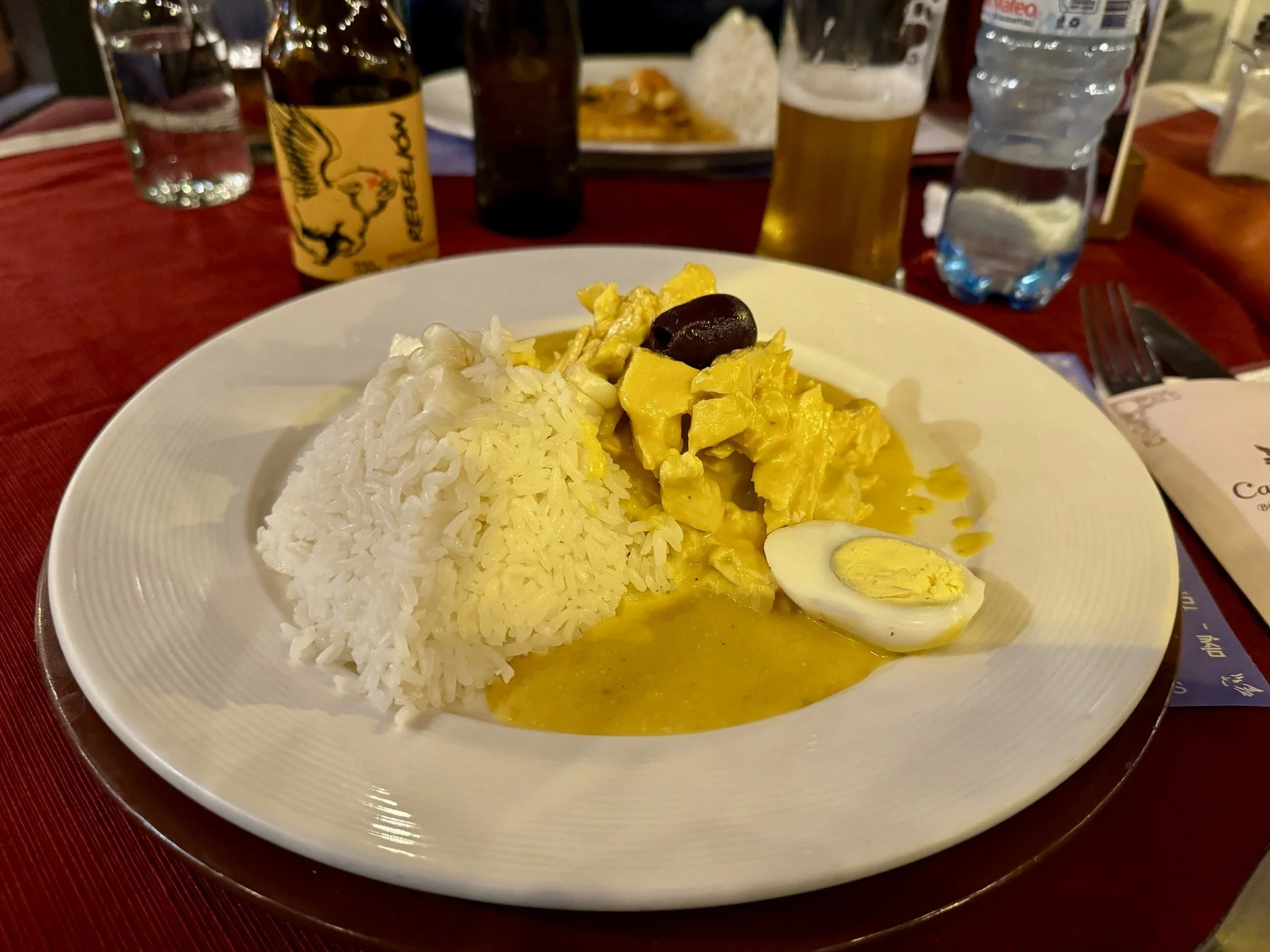
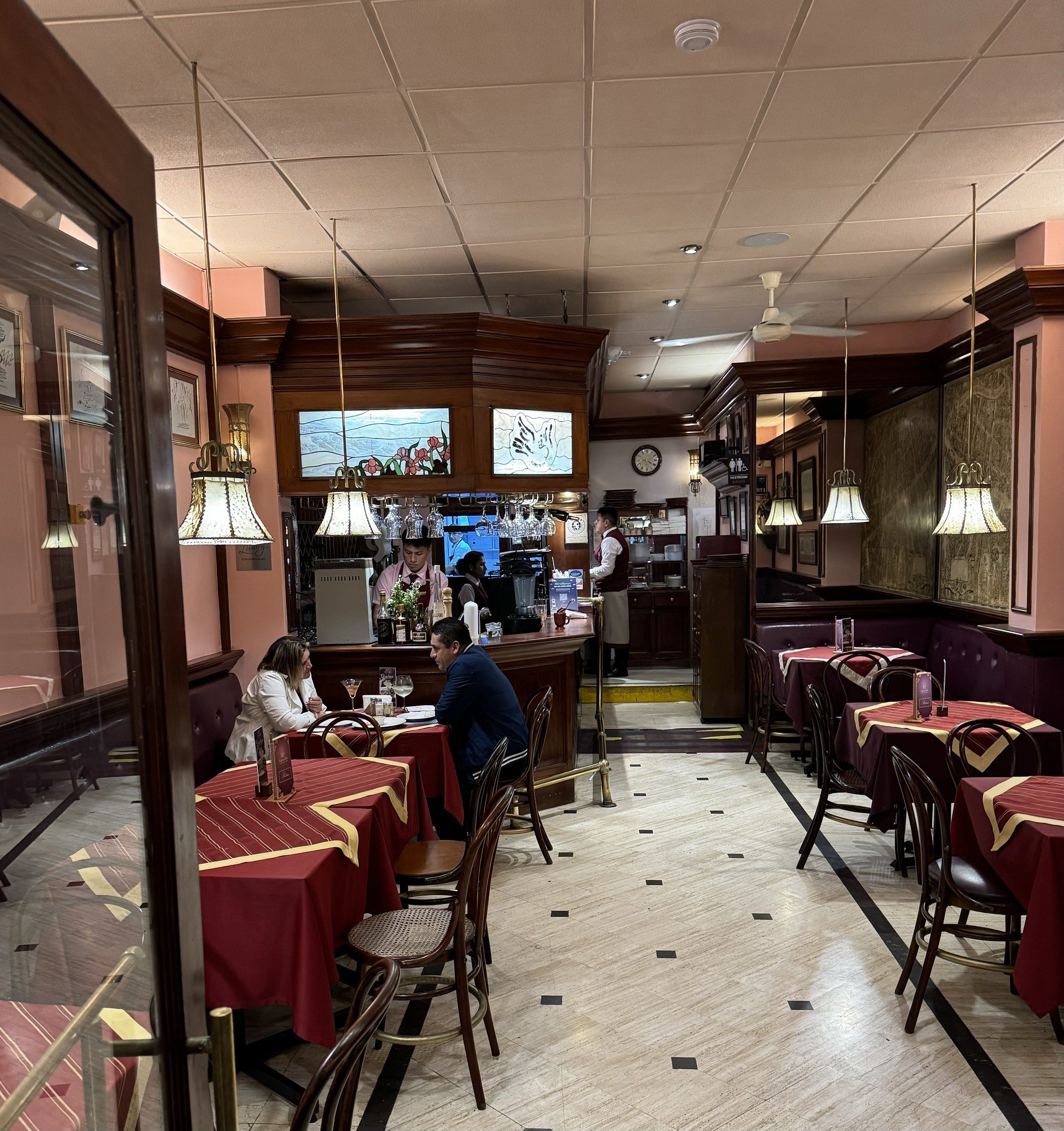
We then went to Cafe de la Paz at Kennedy Park in Parque in Mirafloresfor dinner.

Happy Mothers Day from Parque del Amor (Love Park) in Lima Peru

“The eternal happiness in life is to love and be loved.”
—George Sand

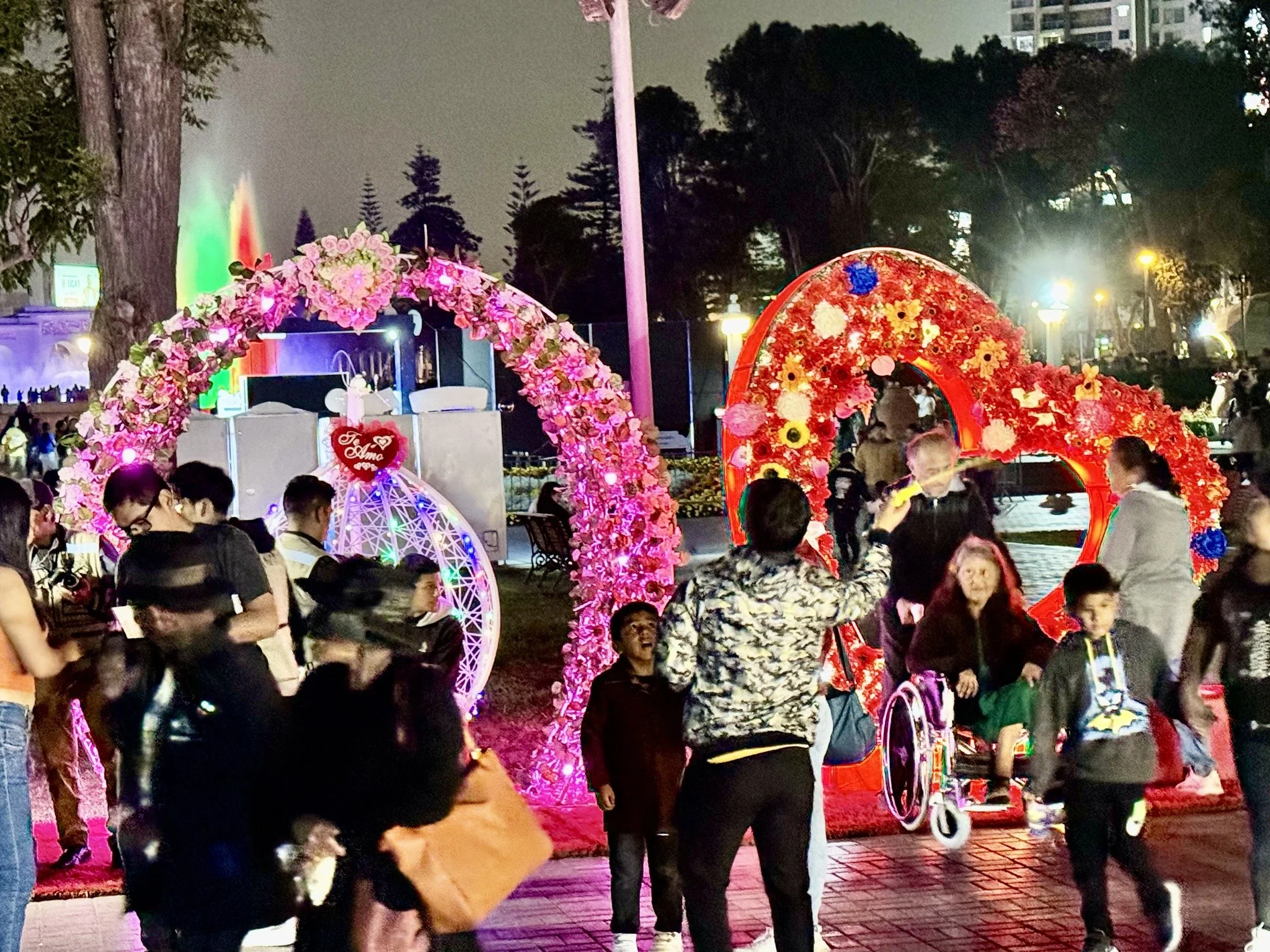
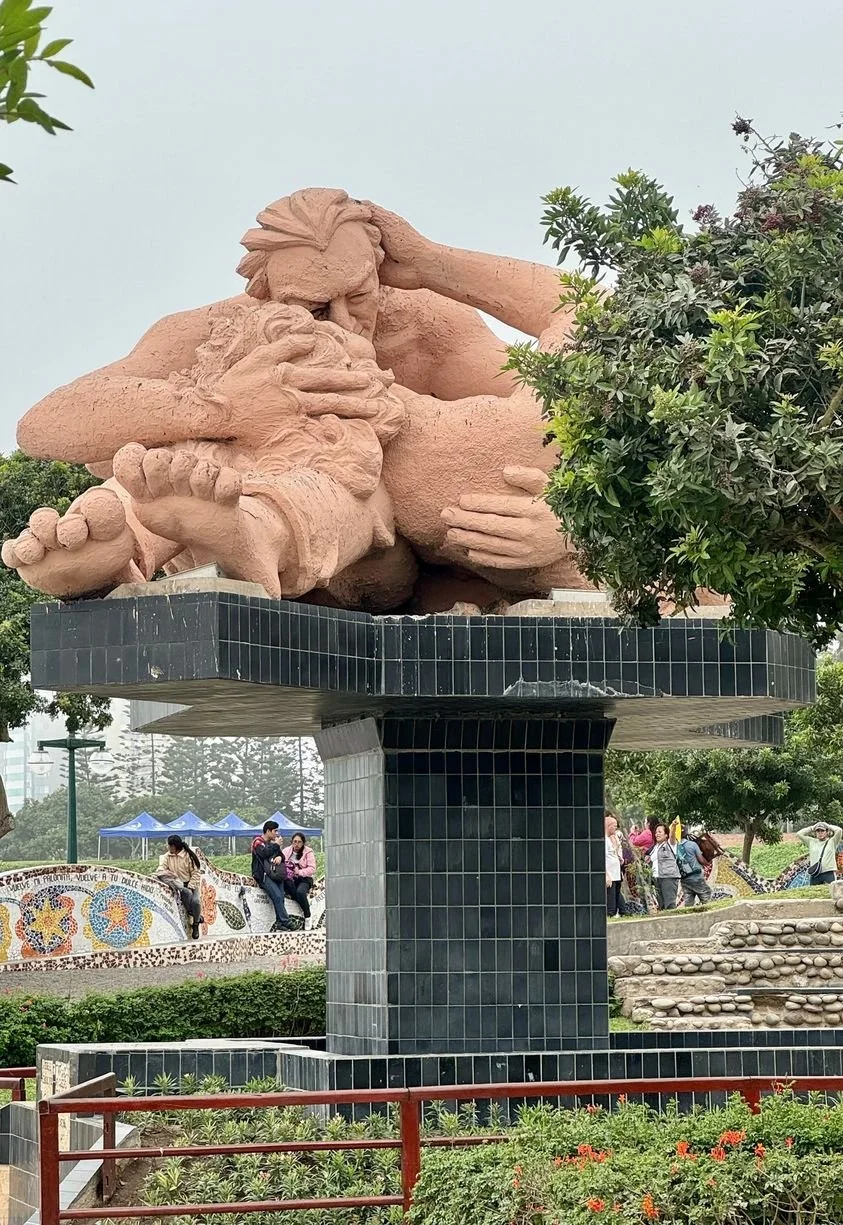
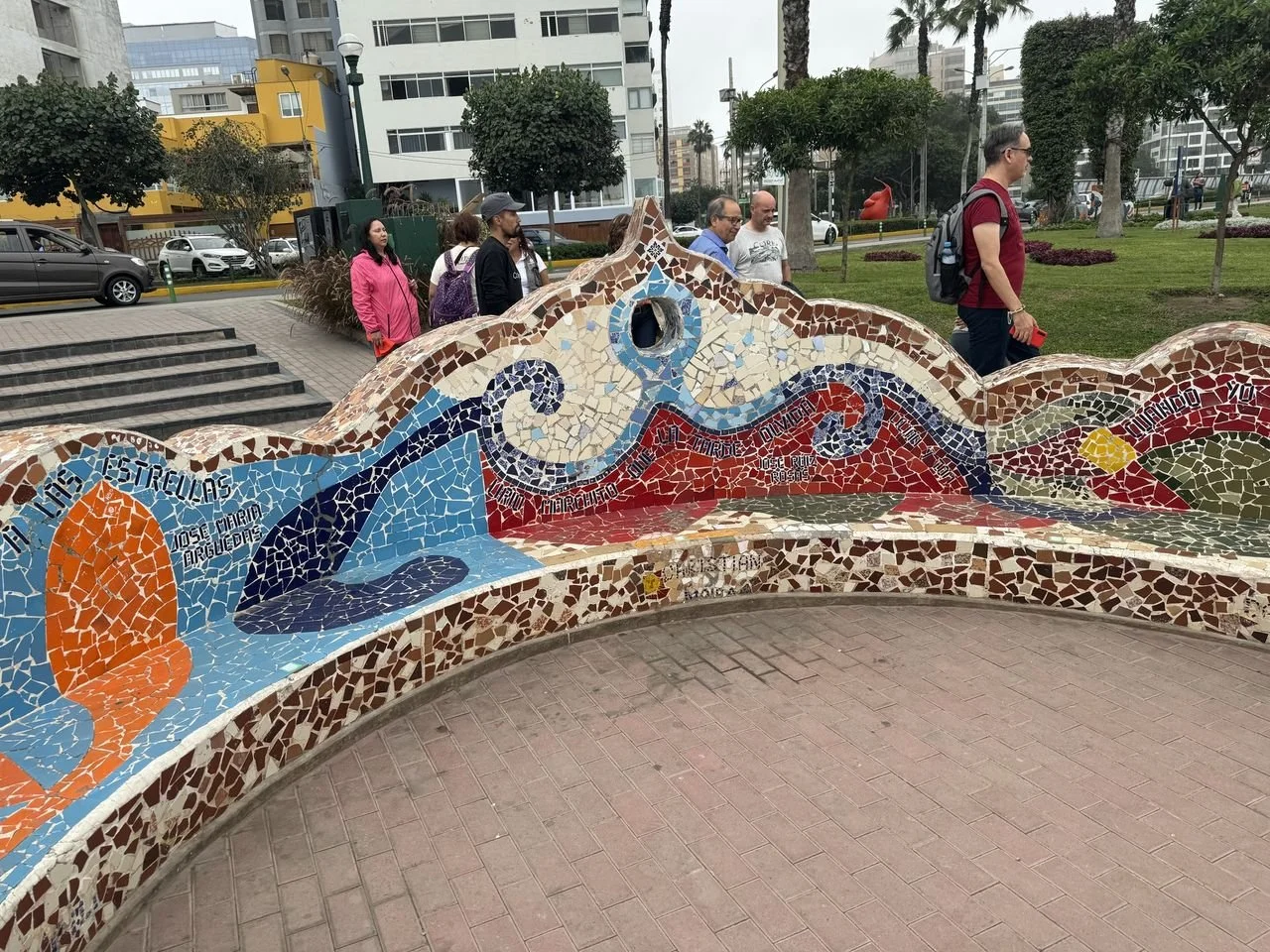
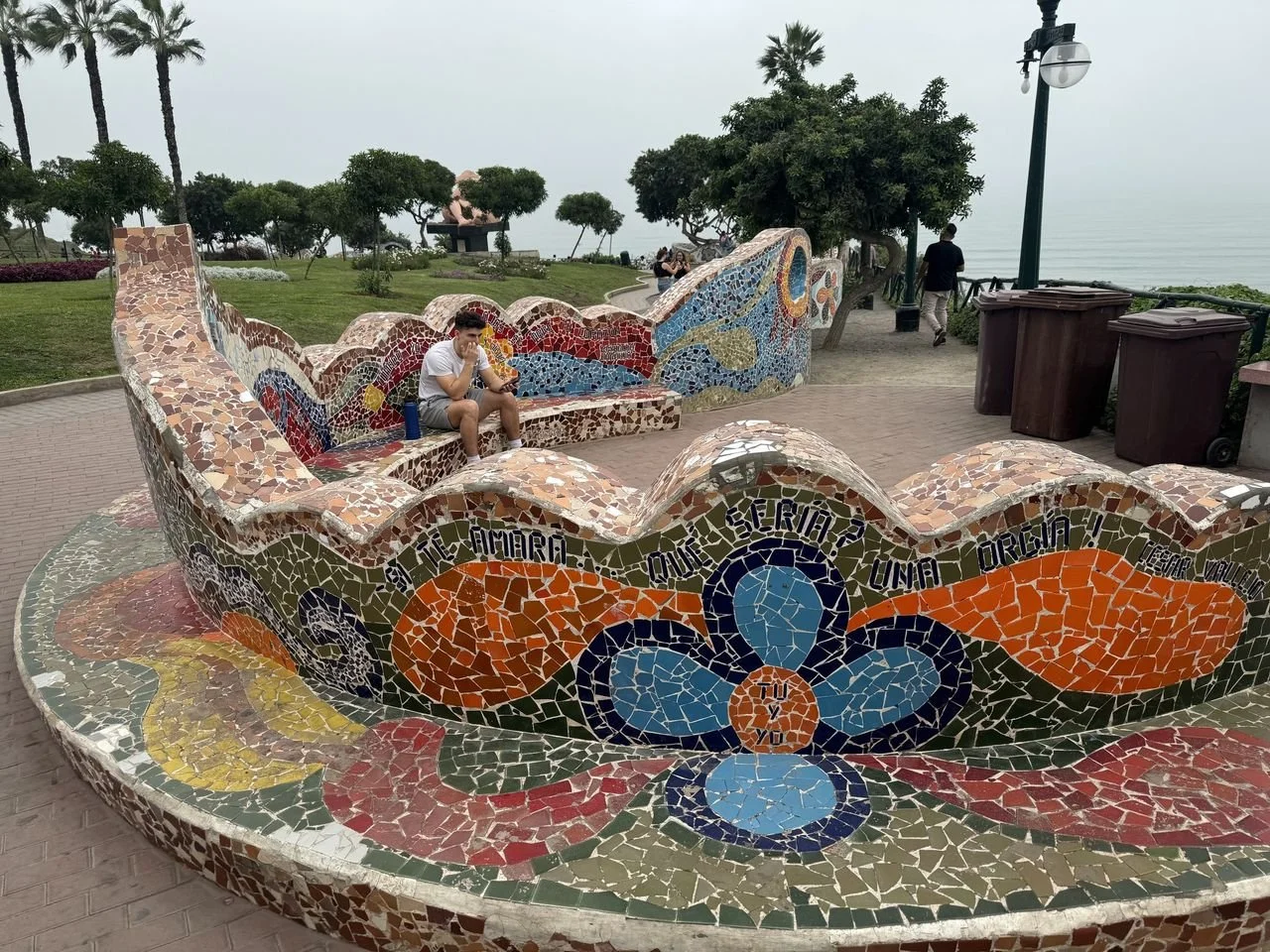
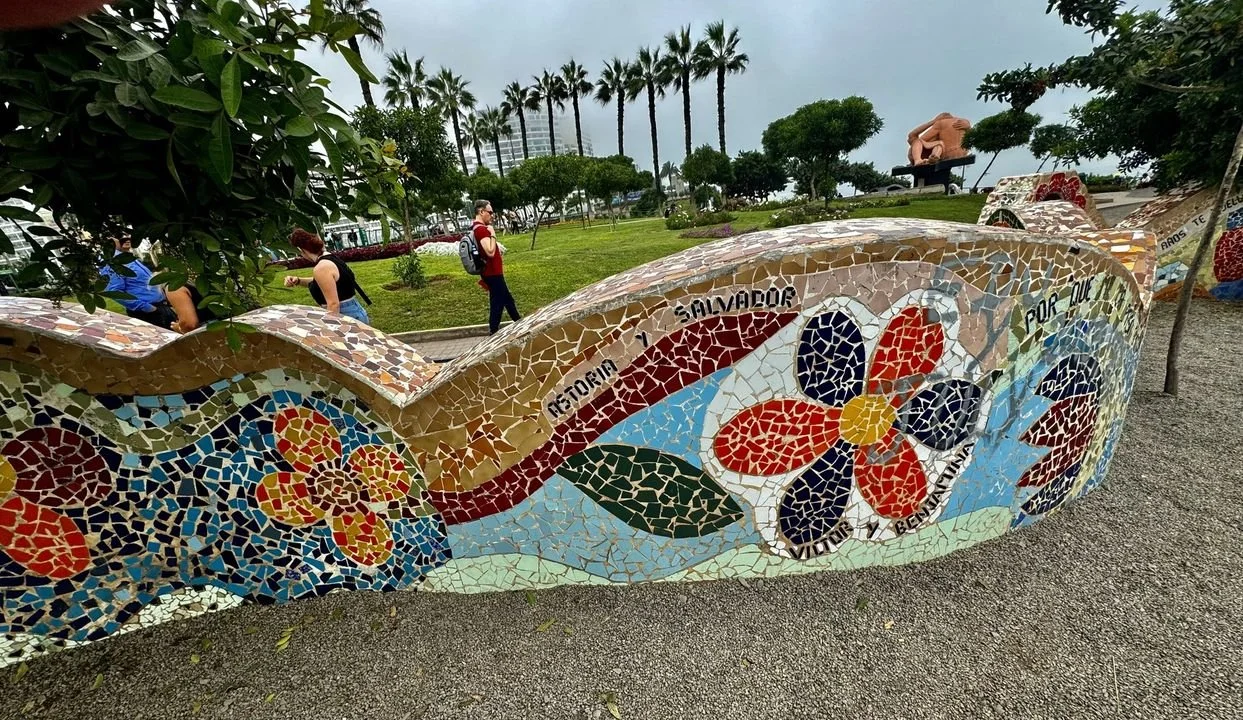
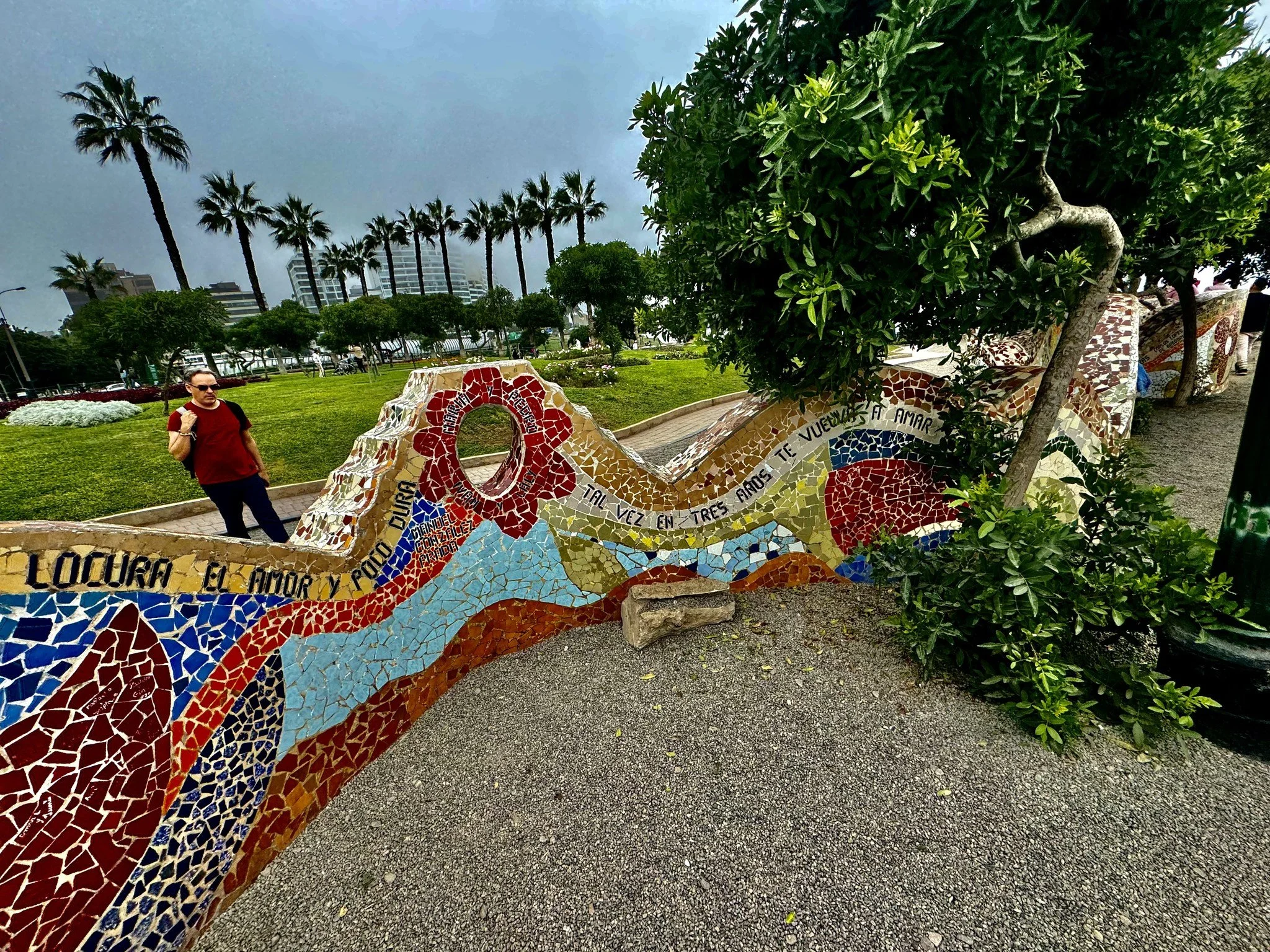
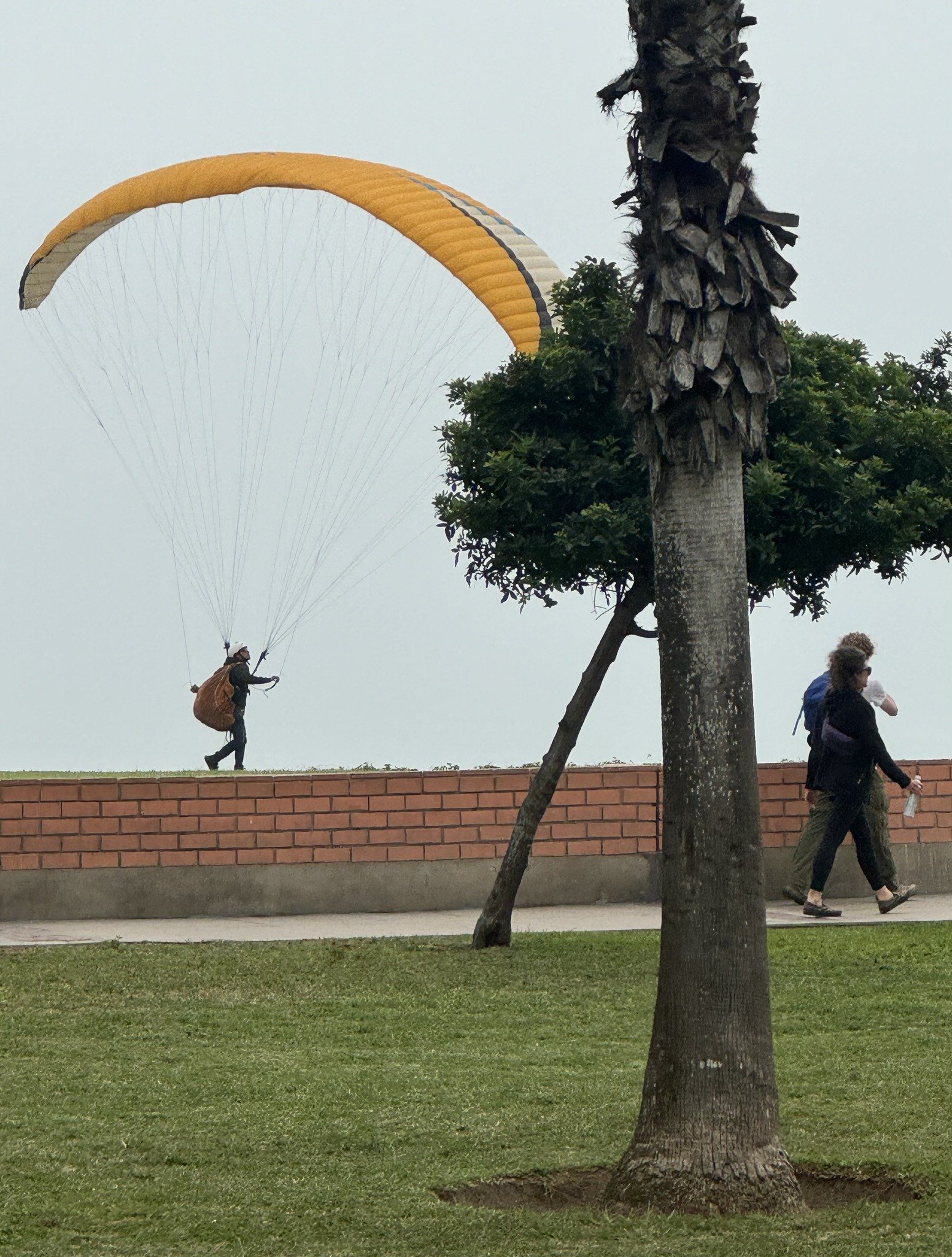
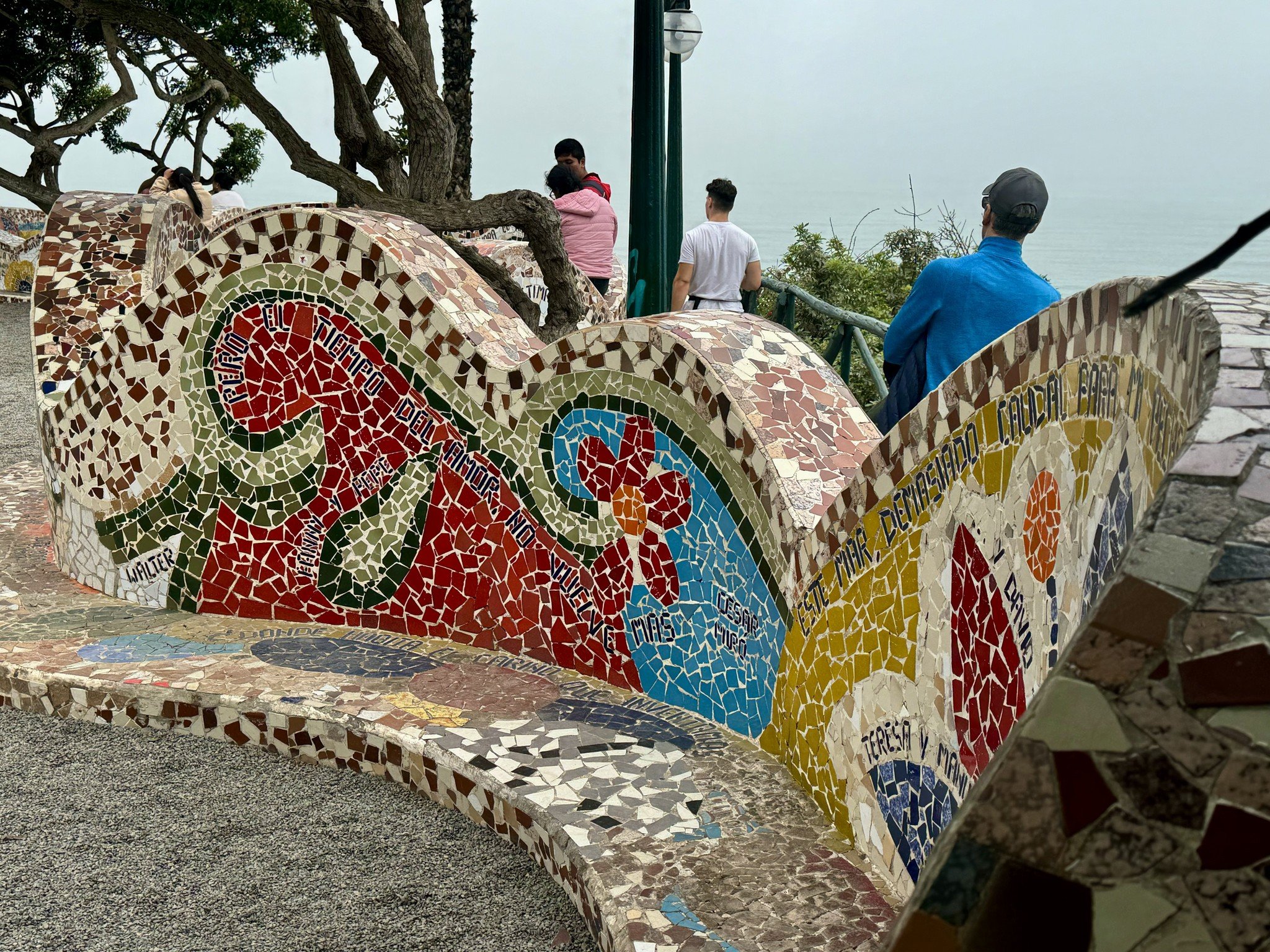
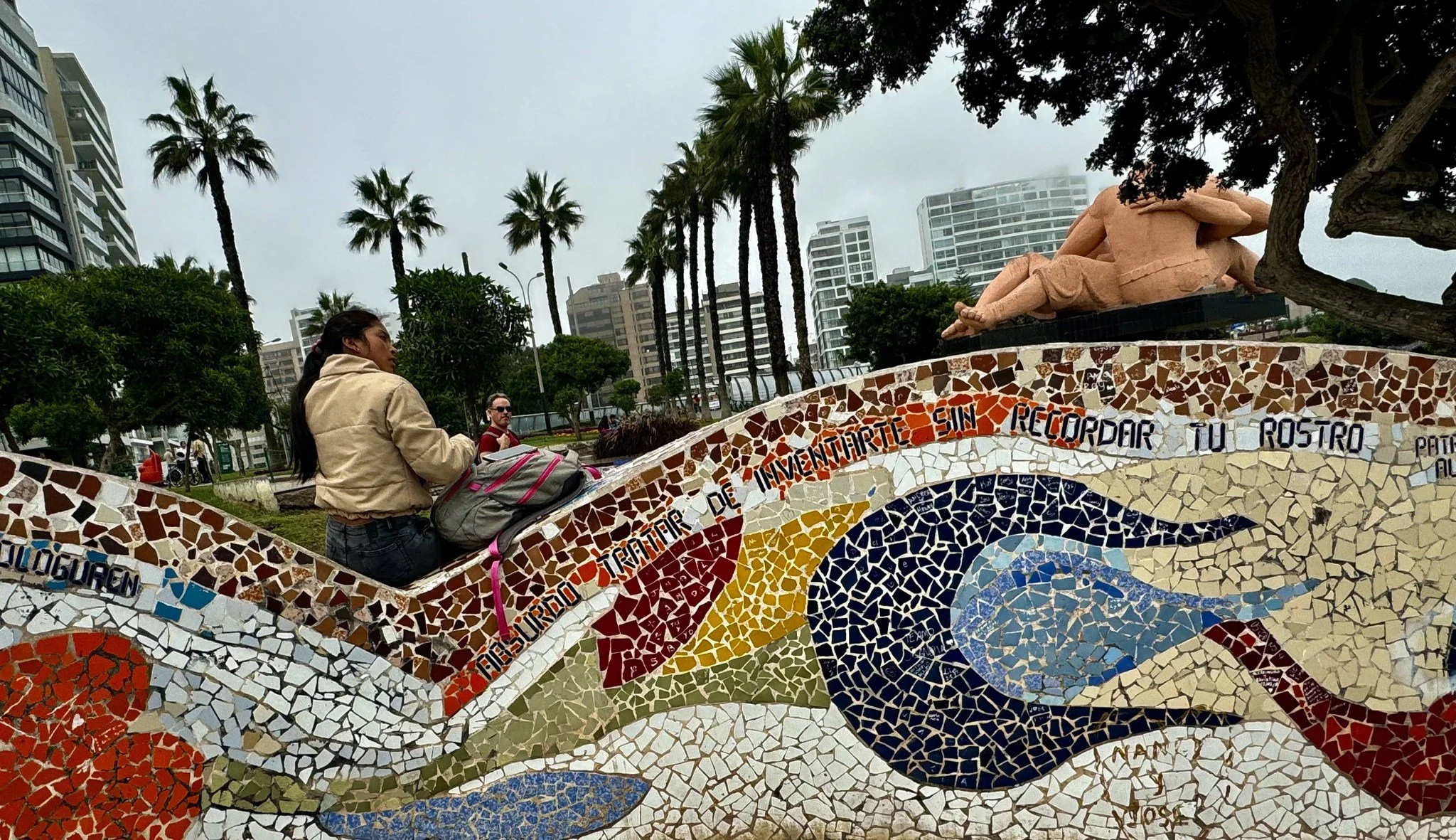
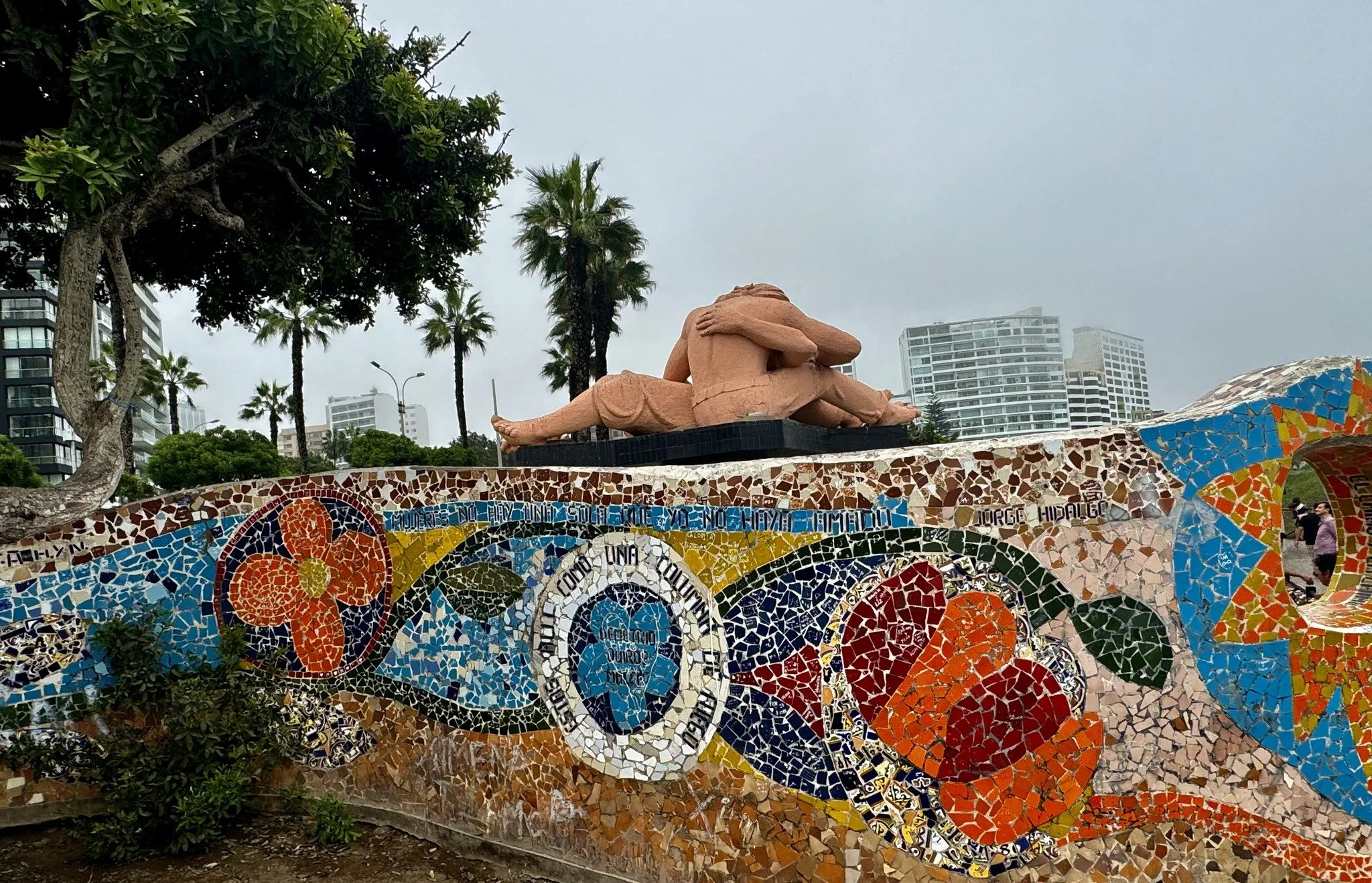
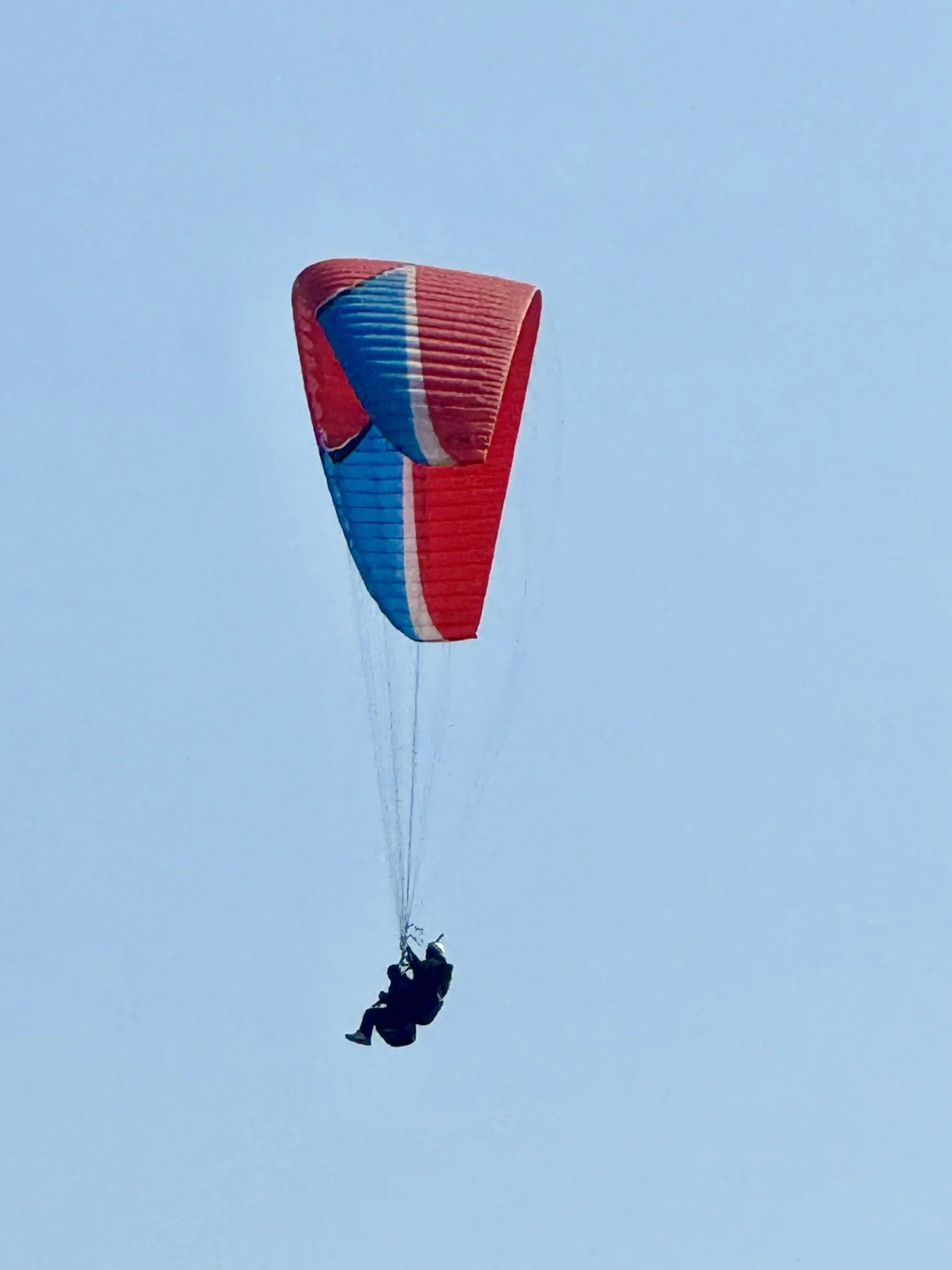
This is the first time in recent memory that my beloved wife Cecile and I have been apart on Mother's Day. Fortunately, I am with our son, Jason, who was born out of love. This lover’s park in Miraflores is situated on El Malecon, a six-mile stretch of parks laid above the cliffs of Chorrillos. The sculpture of two lovers creates an illusion of floating high above the Pacific Ocean like the parasailing enthusiasts nearby. The colorful decorative walls are inscribed with love quotes that virtually exude romance. One would be hard pressed to find a monument on Earth dedicated for lovers.

The statue of El Beso (The Kiss) from Victor Dedfin features two lovers united in an intimate and passionate kiss. The park celebrates the joy of love openly. It is a favorite spot for people in love of all ages. The park emanates freedom for the unapologetically display of love without conventional brakes or boundaries. John and Yoko Uno came to mind during their iconic love in. Fortunately, some of the kisses will lead to marriage and children and grandchildren that many are blessed to have.

With this in mind Happy Mothers Day to my first love, my late mama Maria; my beloved Cecile, my sweet daughter Michelle who gifted us with three amazing grandchildren, and of course our son-in-law Kyle’s mother Kim who gave birth to him, for let’s face it, it takes two to Tango:) And, my sister Josie.

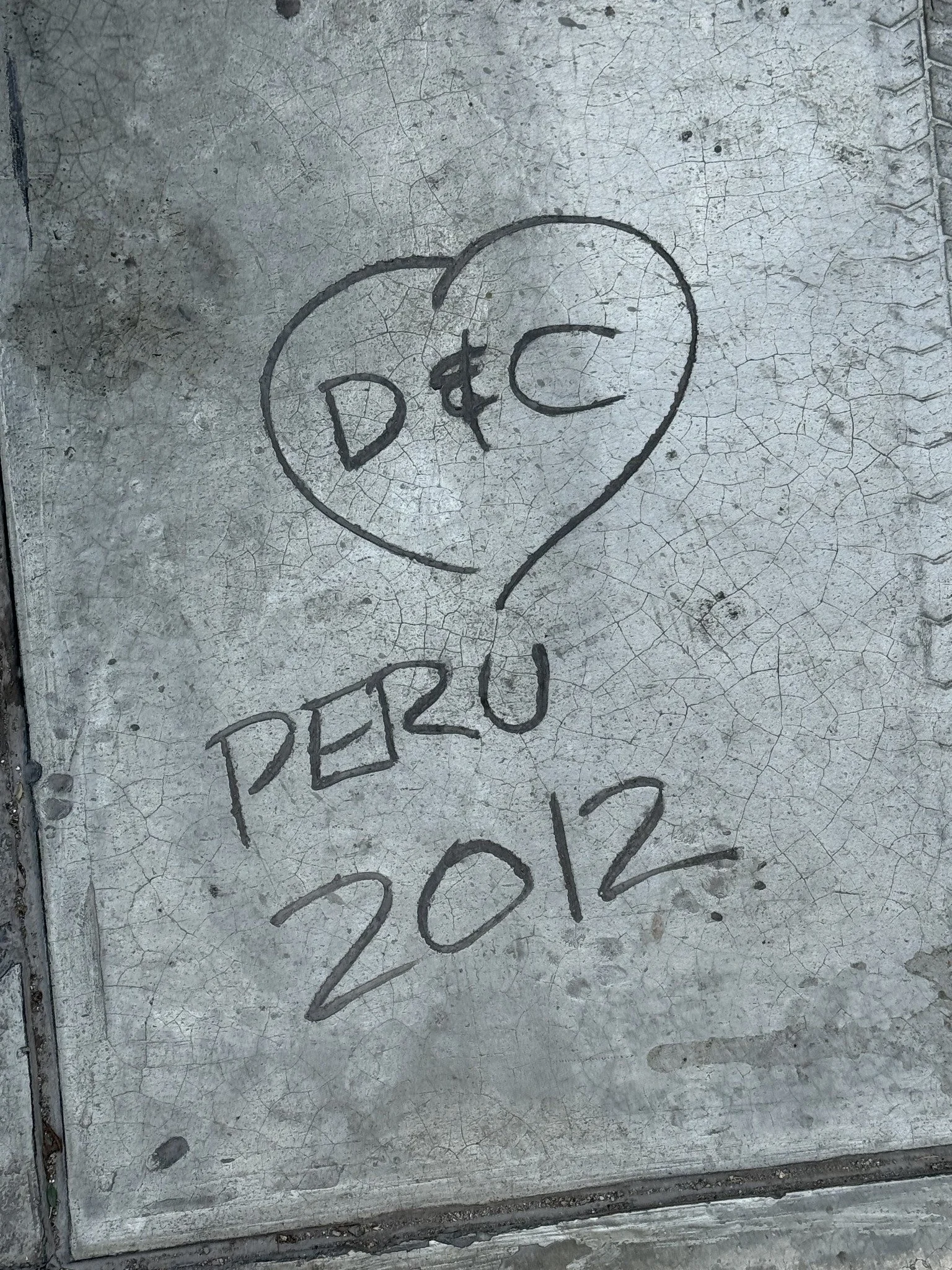
Postscript: Cecile, on our way back to our hotel, I spotted our initials D & C in a heart, Peru 2012 on the sidewalk.

An Amazing Visit to a Mystical Chinese Park & Lunch at Mangos Peruvian Restaurant Overlooking the Pacific Ocean

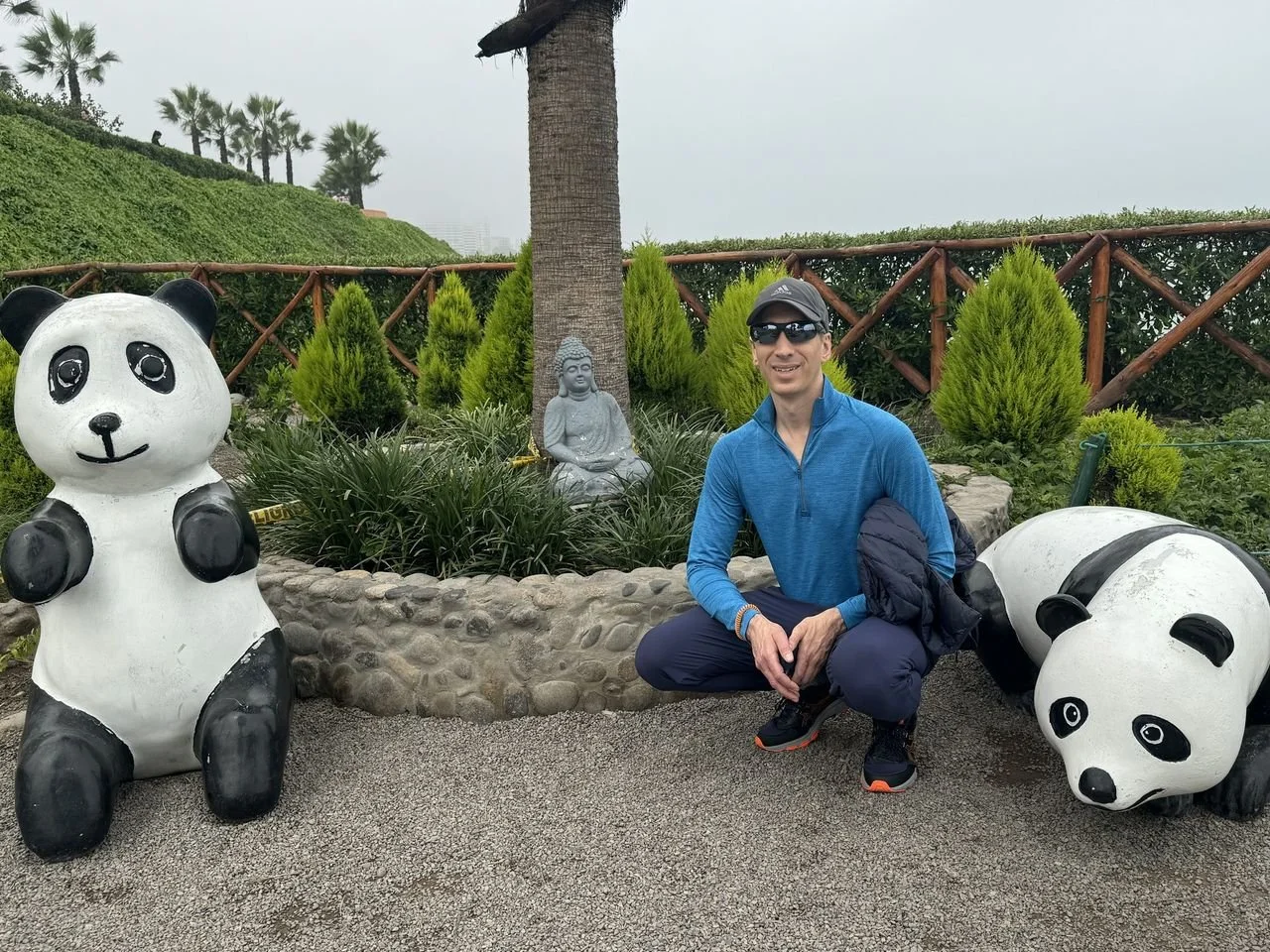
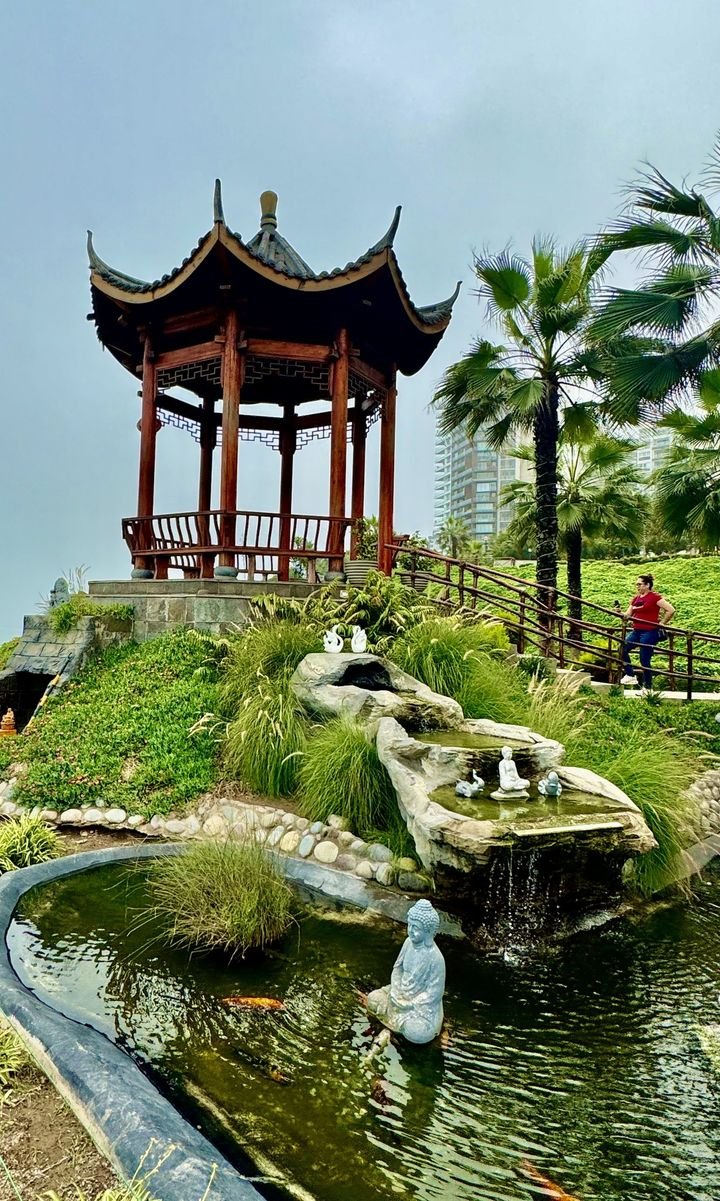
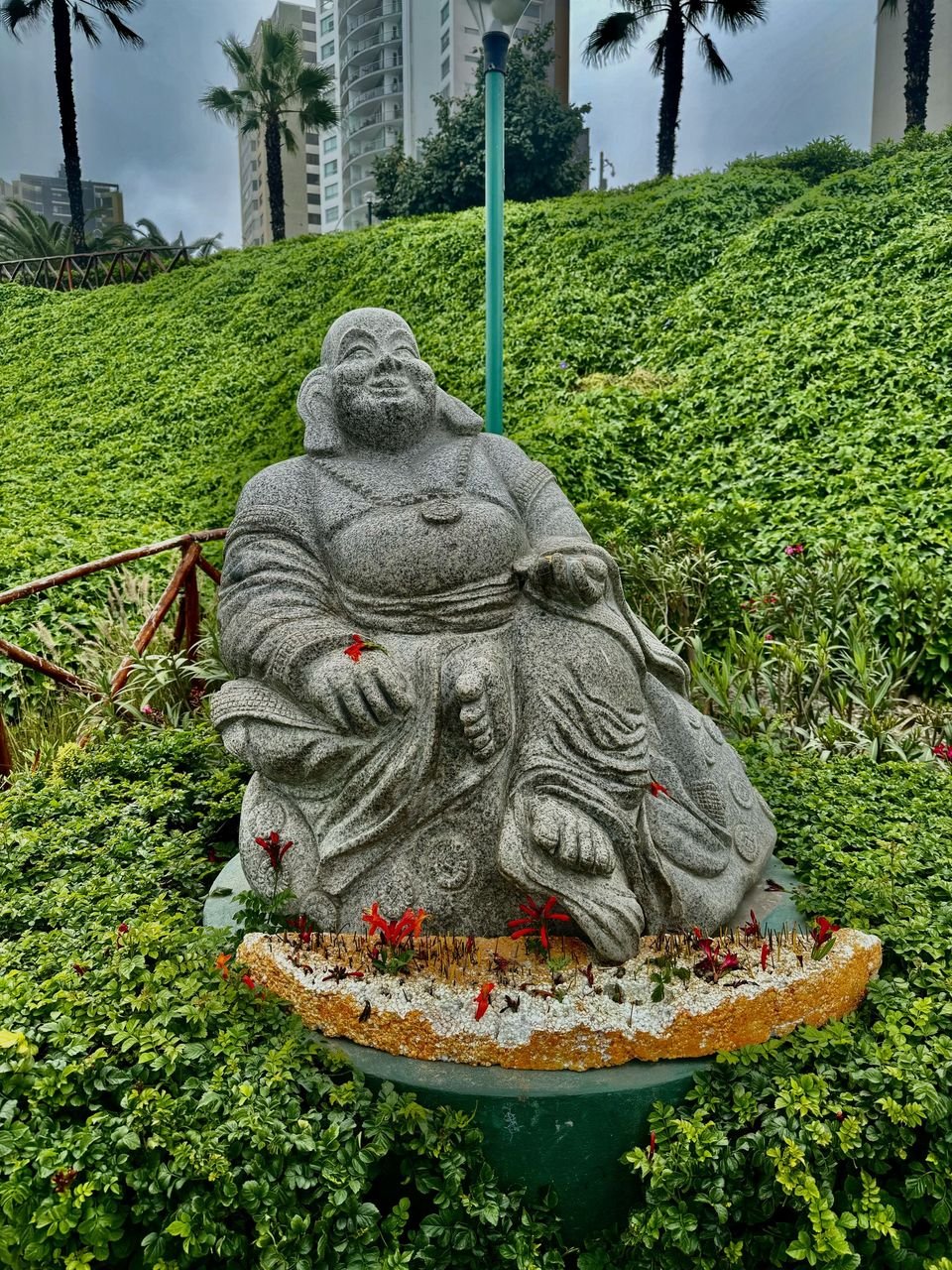
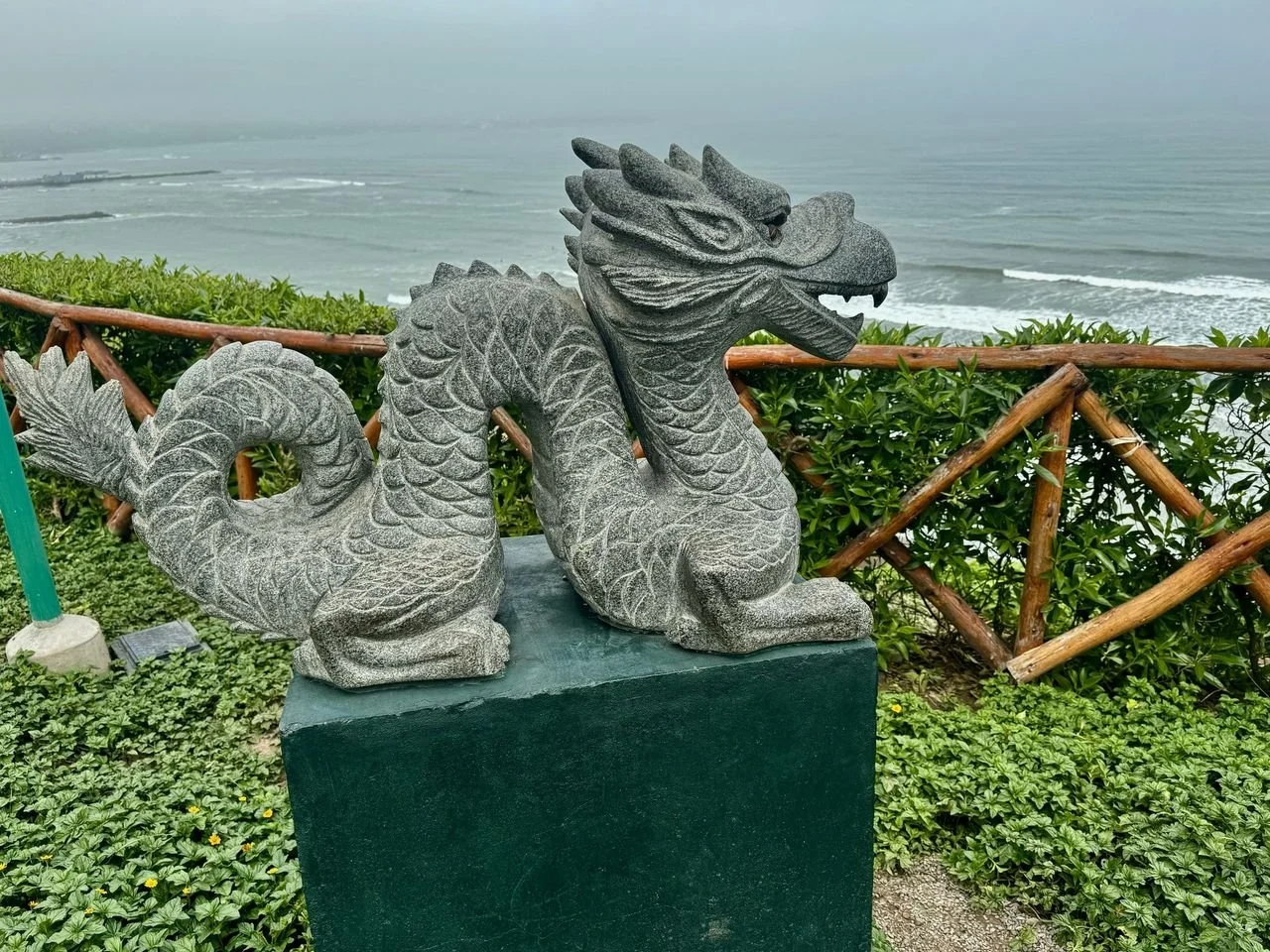
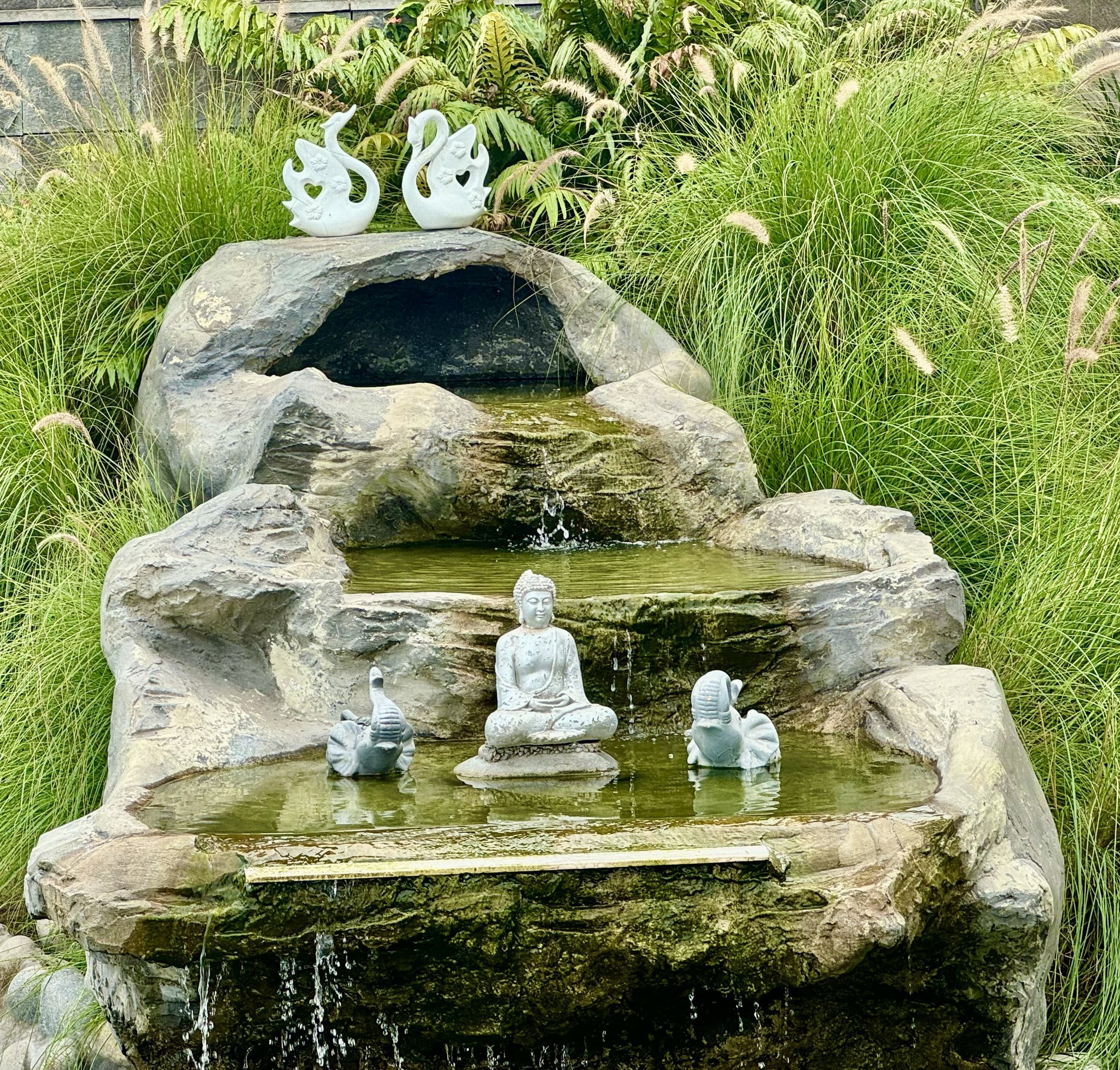
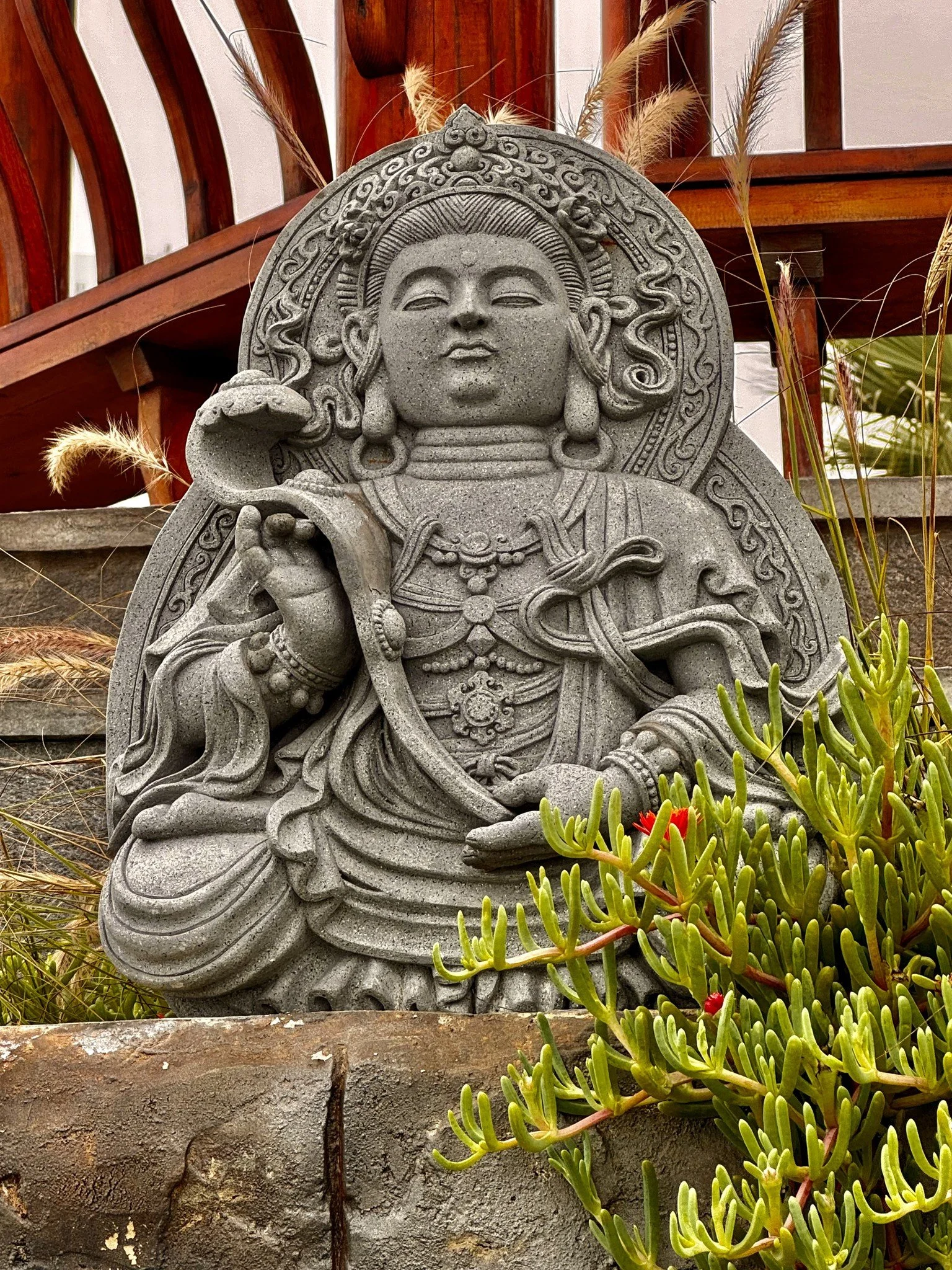
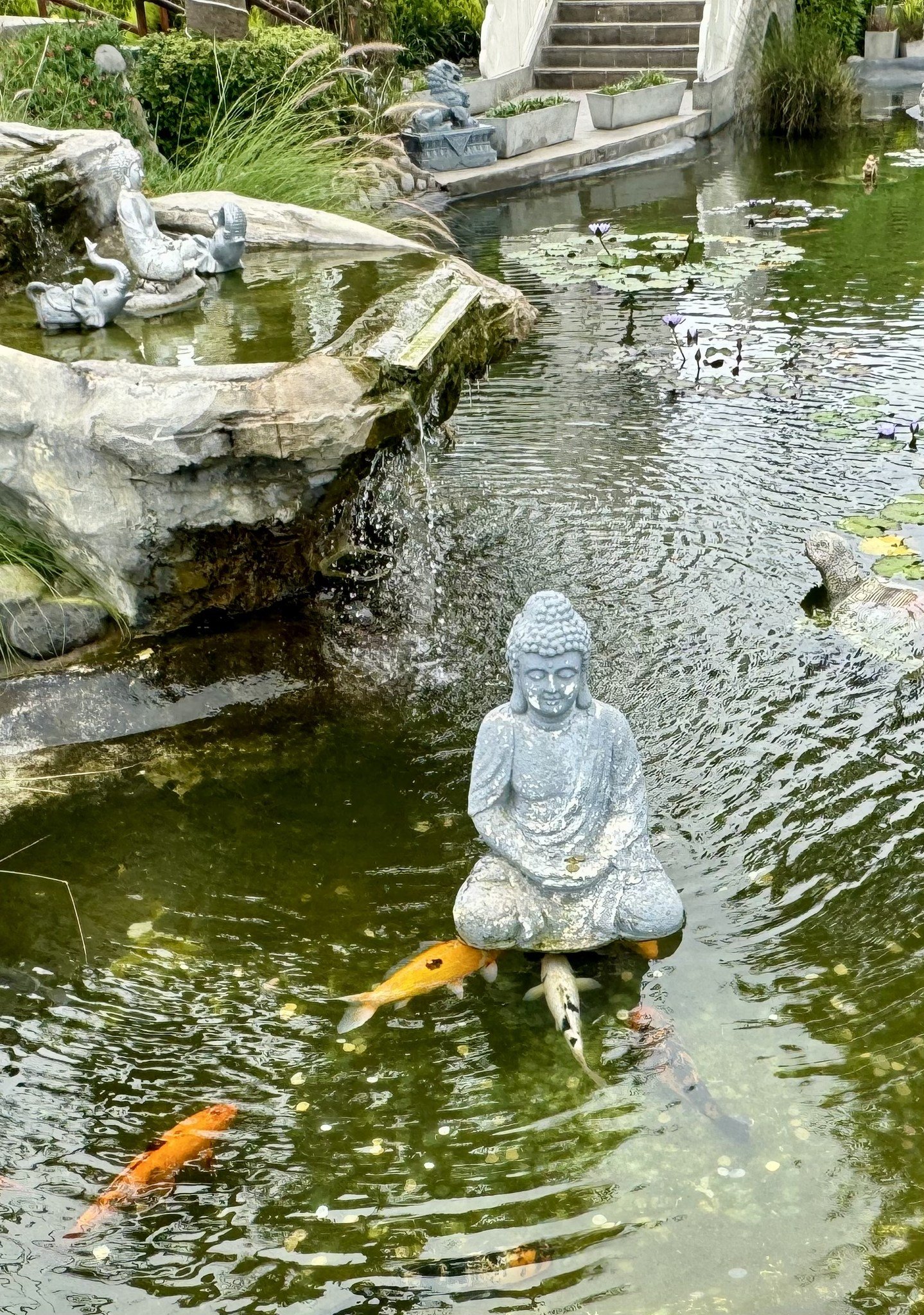
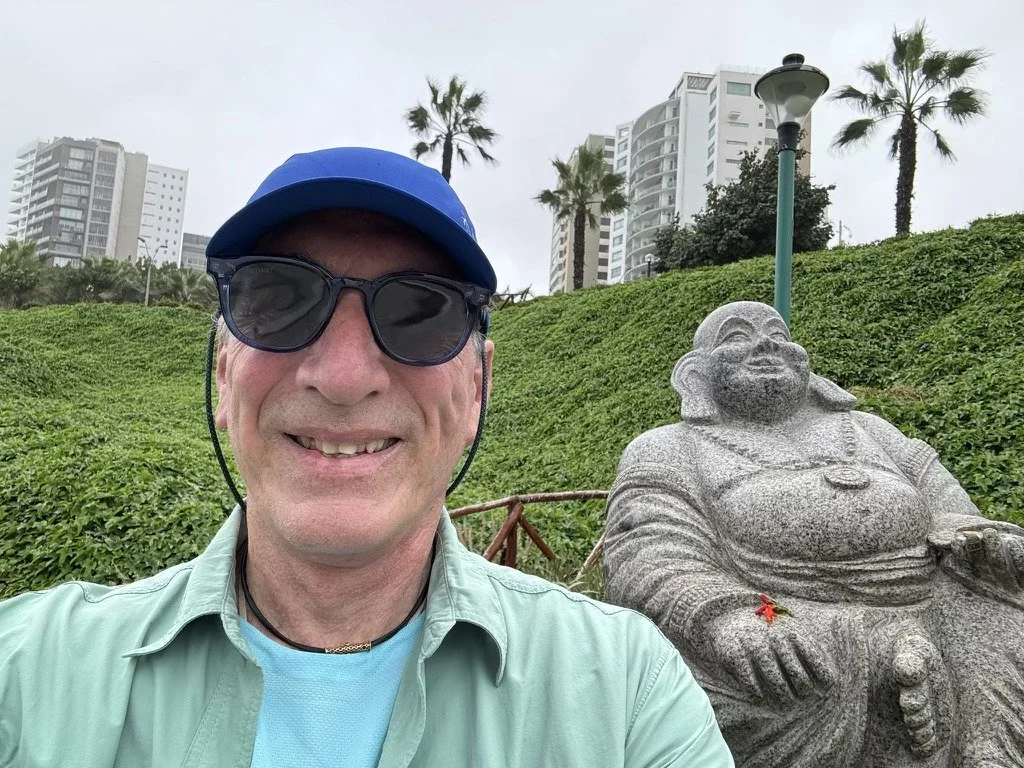
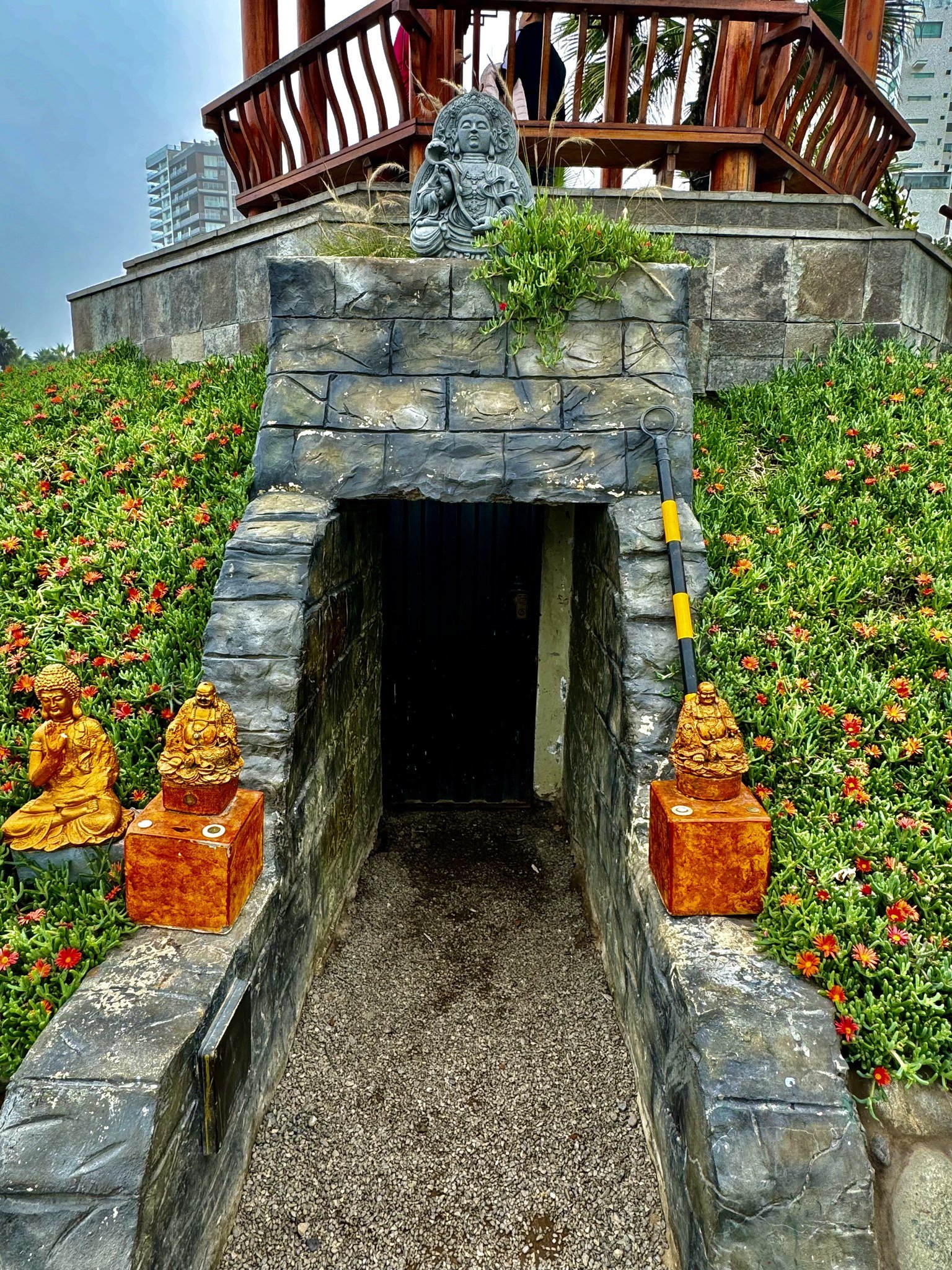
Jason and I managed to walk almost 15,000 steps this morning during our first day walking in Lima. One of our favorite stops was Parque China (Chinese Park). Created to celebrate Peru’s 200th anniversary of Independence as well at 172 years of Chinese immigration to Peru and 50 years of diplomatic relations between the two countries. The aesthetically pleasing park was inspired by the typical Chinese gardens radiating peace, tranquility, and harmony. There were an abundance of ornament and statues from Panda Bears, Chines Lions, and Buddha statures imported from China and donated by the Peruvian Chinese community that are thought to have mystic powers protecting this beautiful little haven from harmful influences.

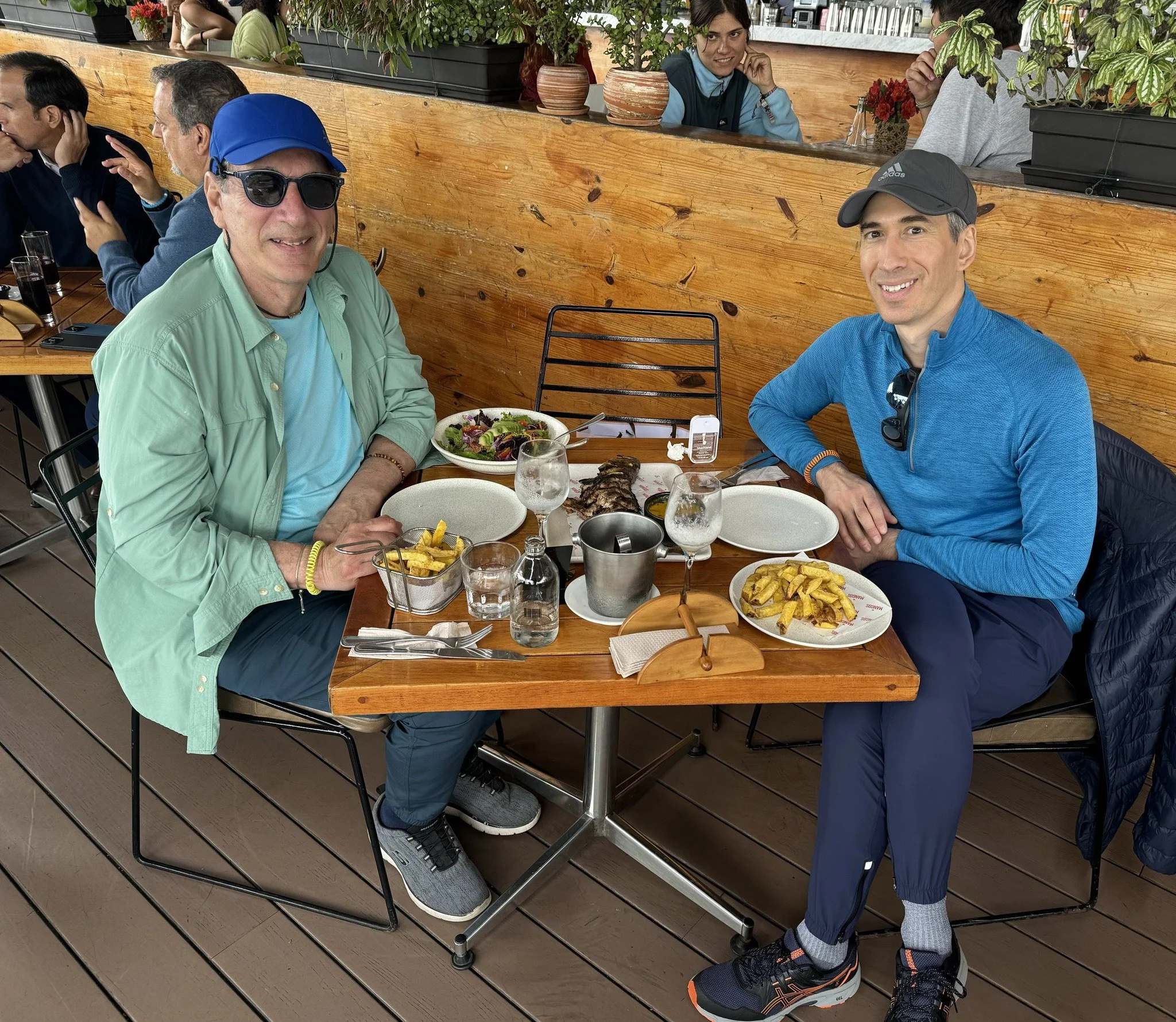
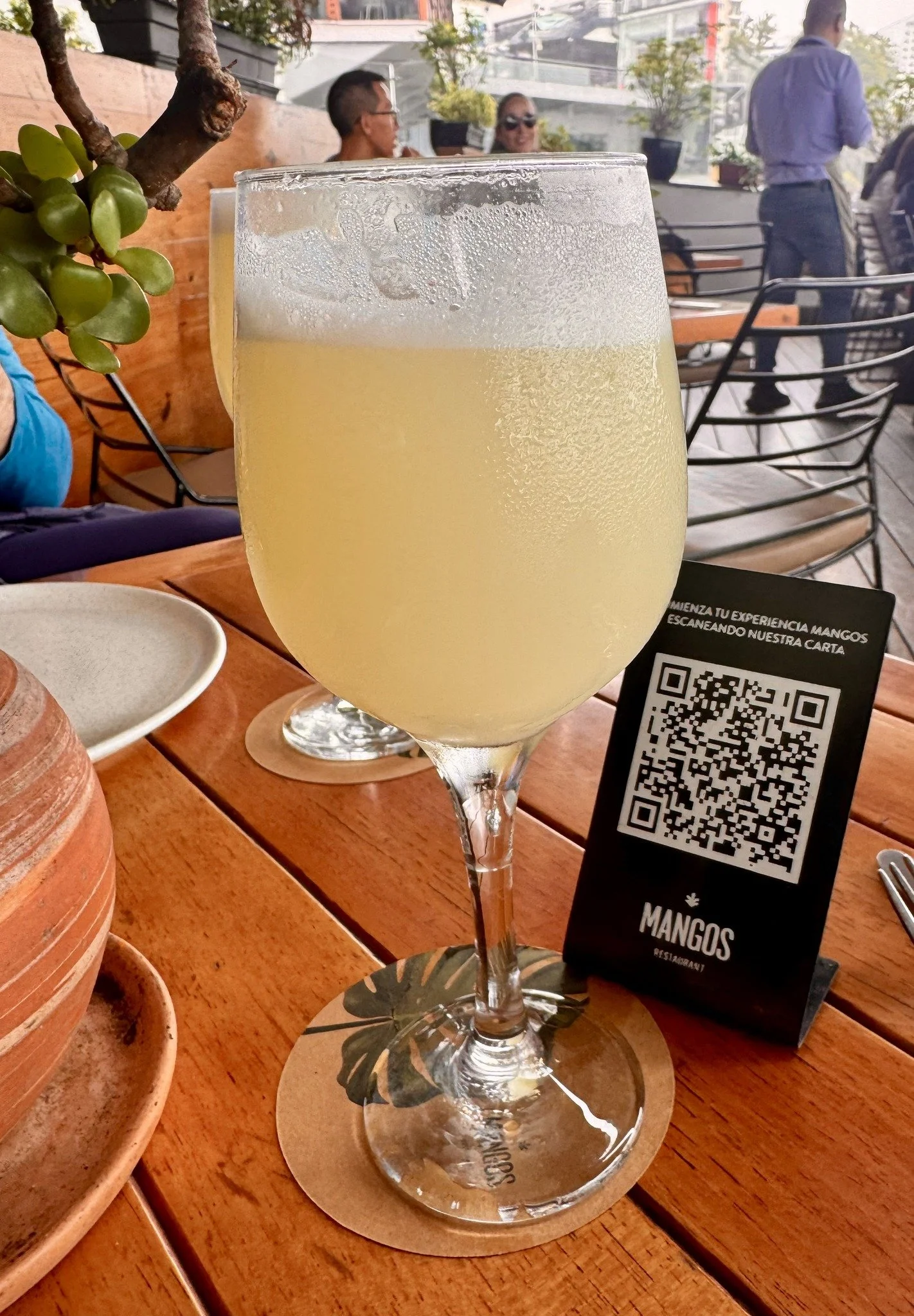
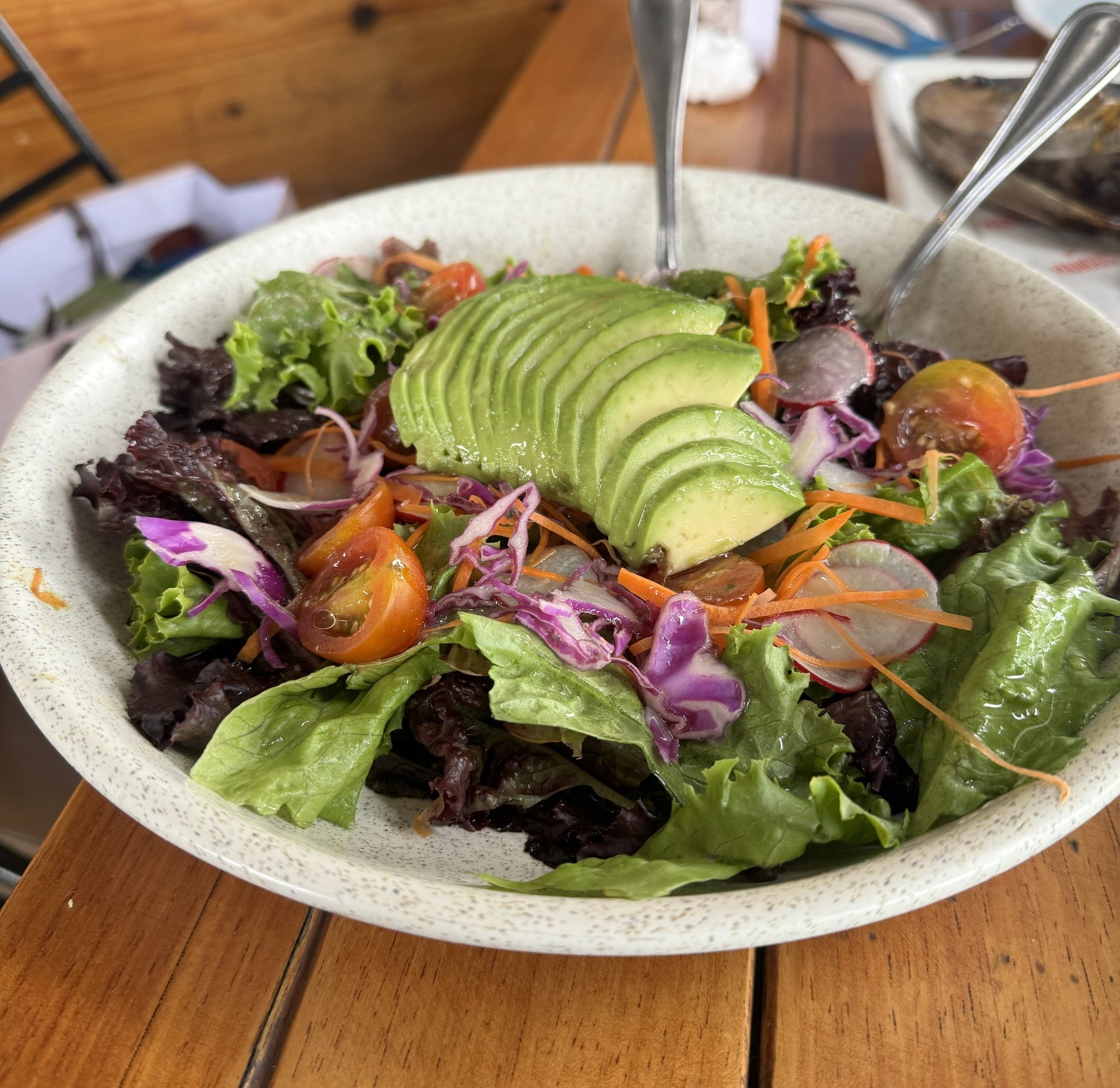
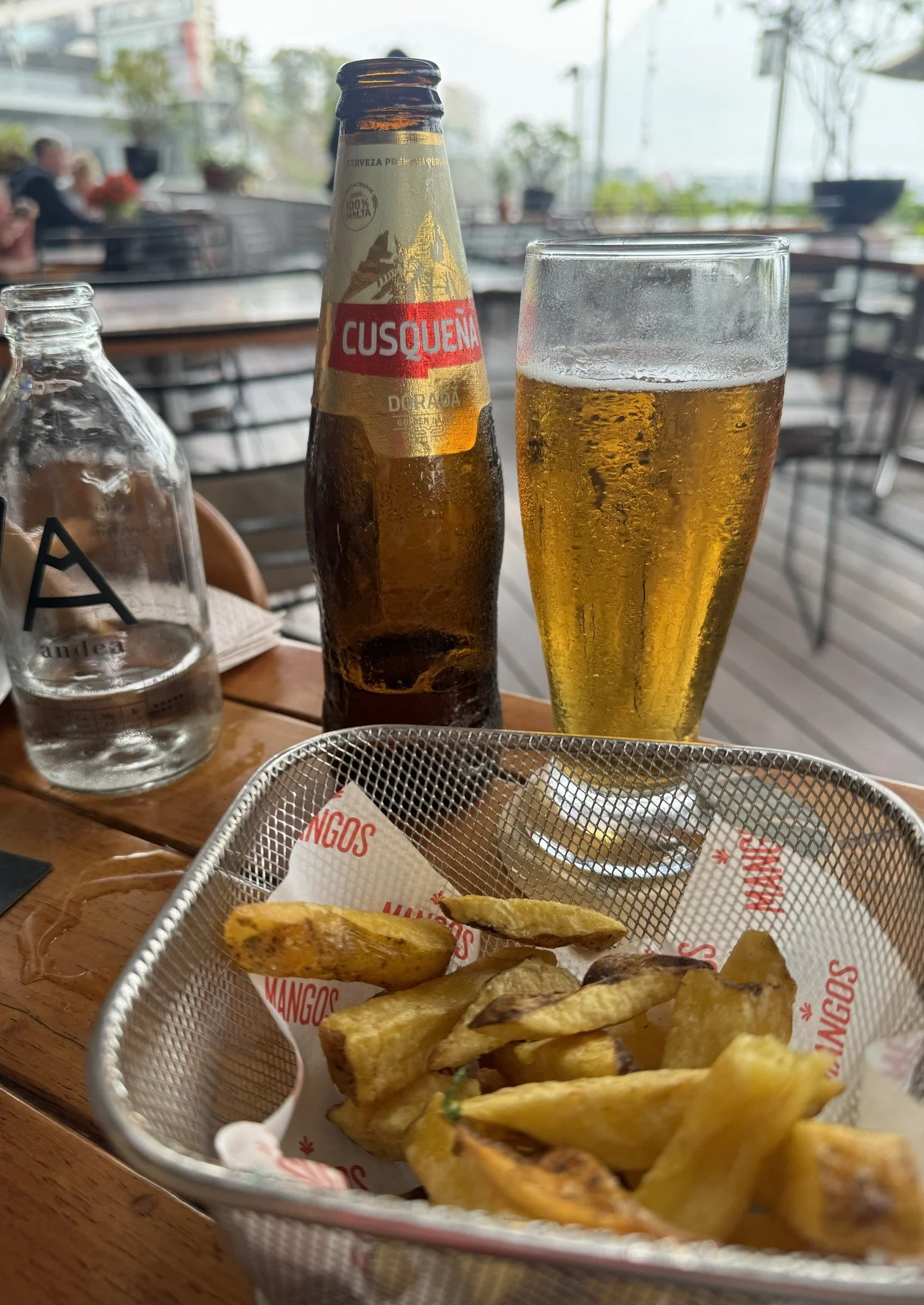
Late lunch at Mangos in Larcomar commercial district of Miraflores Reserva where the locals tourists love to go. It offers a stunning, panoramic view of the Pacific Ocean on our first day in Lima, Peru. We started off with the classic Peruvian Pisco Sour to go along with our a whole Sea Bass that Jason and I split with a fresh avocado tomato salad and French fries and a bottle of Cusquena beer.

Happy Birthday to Serena Olweny in Kenya

Dear Serena,

My brother-in-law, and your dad Noel’s mentor and good friend Joseph McAllister and I and our families are wishing you the happiest of birthdays, or "Habari Njema Ya Kuzaliwa,” which as you know in Swahili means “good news on the day of your birth.” Your dad, Noel, shared with us that your birthday is Wednesday, May 1, and since Kenya is ahead of us on the time spectrum, I wanted to get this out to you as soon as possible.

Our gift to you is a little history about what the name Serena means and where it is derived from:

The name Serena exudes elegance and tranquility. It is derived from the Latin word “serenus,” which translates to “calm” or “clear,” like a calm and clear lake on a peaceful day. It implies a respite from the chaos of the world. It was a name that was commonly used in ancient Rome, continuing on to modern Italy, the roots of my ancestors. It has captivated the hearts of countless parents throughout history. Serena has been embraced by various cultures and eras. It was prominent during the Renaissance period and gained popularity among artists, philosophers, and poets who sought to evoke beauty, grace, and serenity through their work, and continued usage in modern times.

Renowned tennis player Serena Williams, who is known for strength, grace and calm under pressure, has undoubtedly contributed to the names popularity, inspiring parents to choose the name for their daughters. While Serena may be prevalent in Europe and the Latin America, Mexico City, and Brazil, it’s presence can also be felt in Asia, India, South Africa, and Kenya where as you may know Joe and I have travelled to on a few occasions. Serena’’s popularity in Africa reflects the continent’s embrace of global influences while celebrating its own unique traditions.

In closing we wish you and your family a wonderful birthday celebration on the day of your birth

Peace, Love, Blessings,

Dennis and Joe

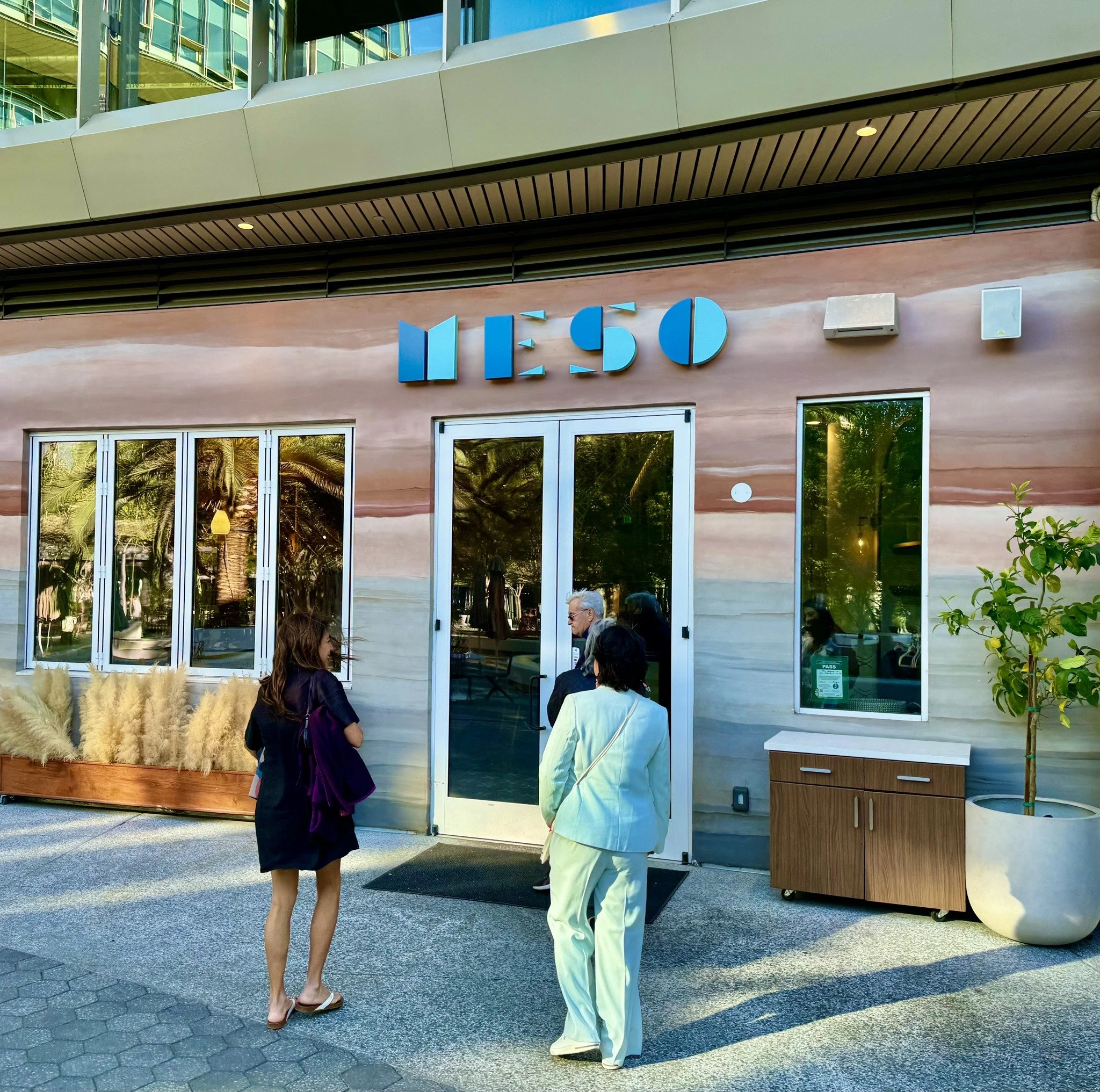
Dinner at Meso Mediterranean Restaurant at Santana Row with Friends

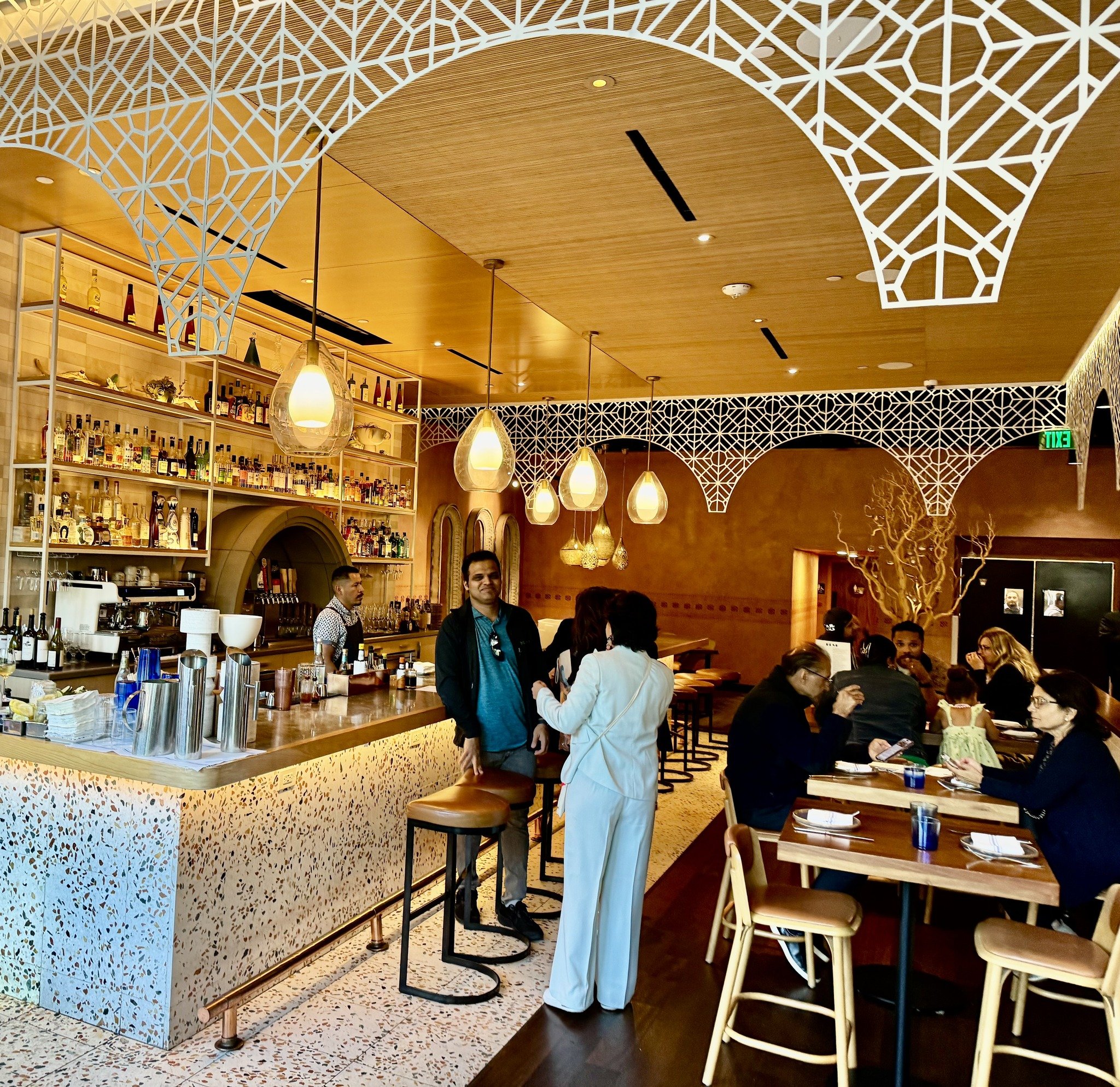
"Ocean hues and vast archways are always transportive. The large, two-room space features a wide bar with beautiful backlit bottles, tile work and sleek, modern touches.”

—Amber Turpin, The Mercury News

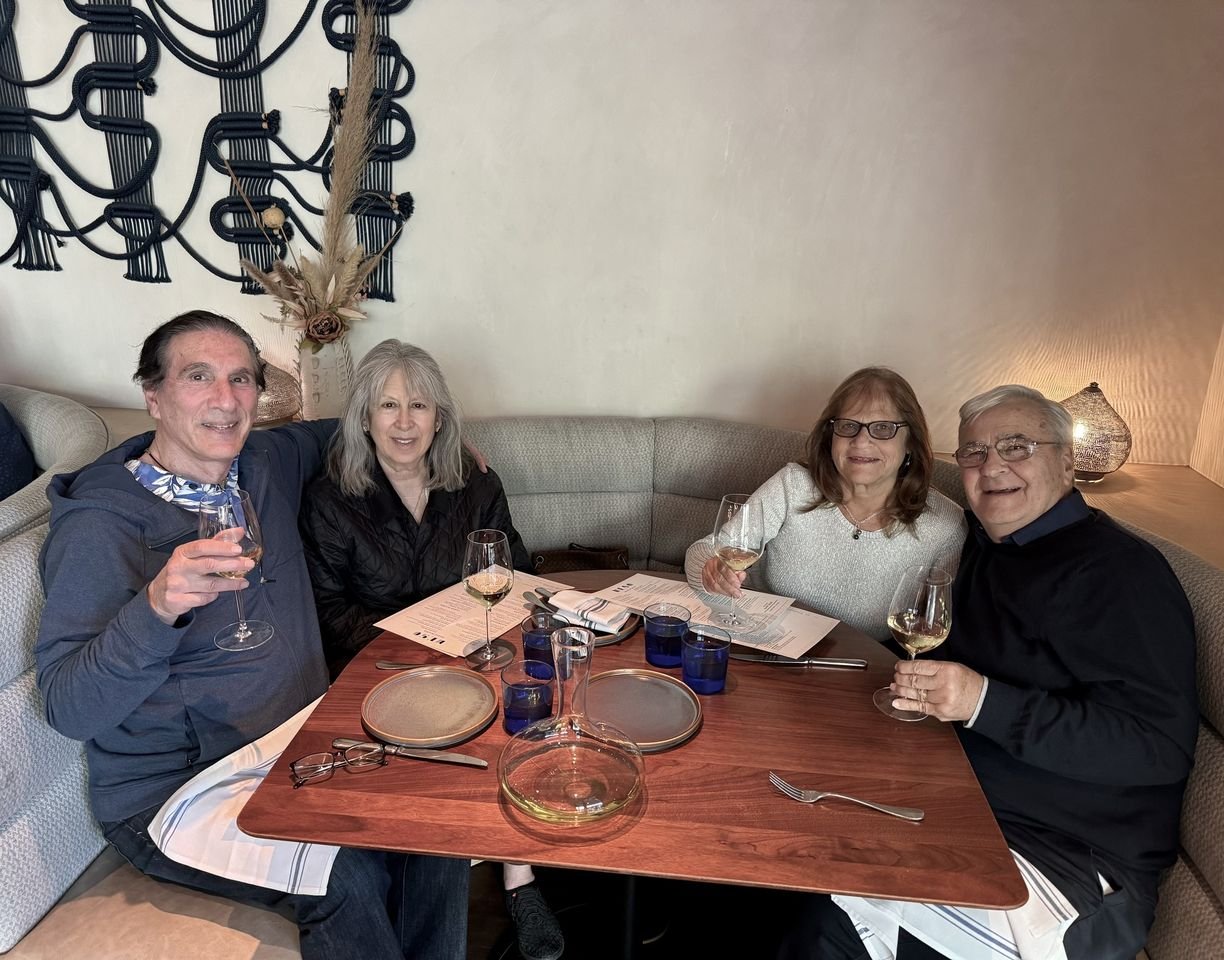
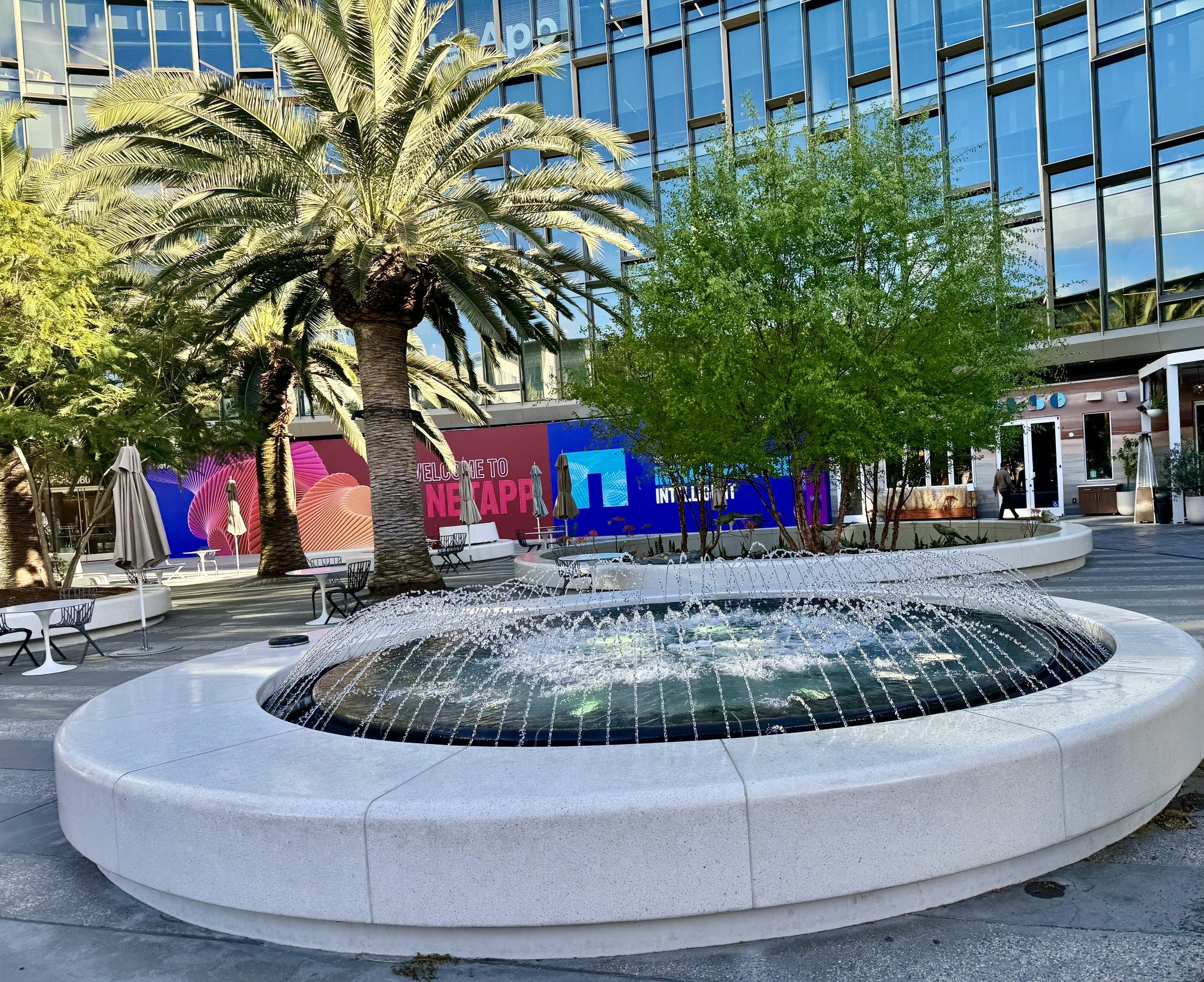
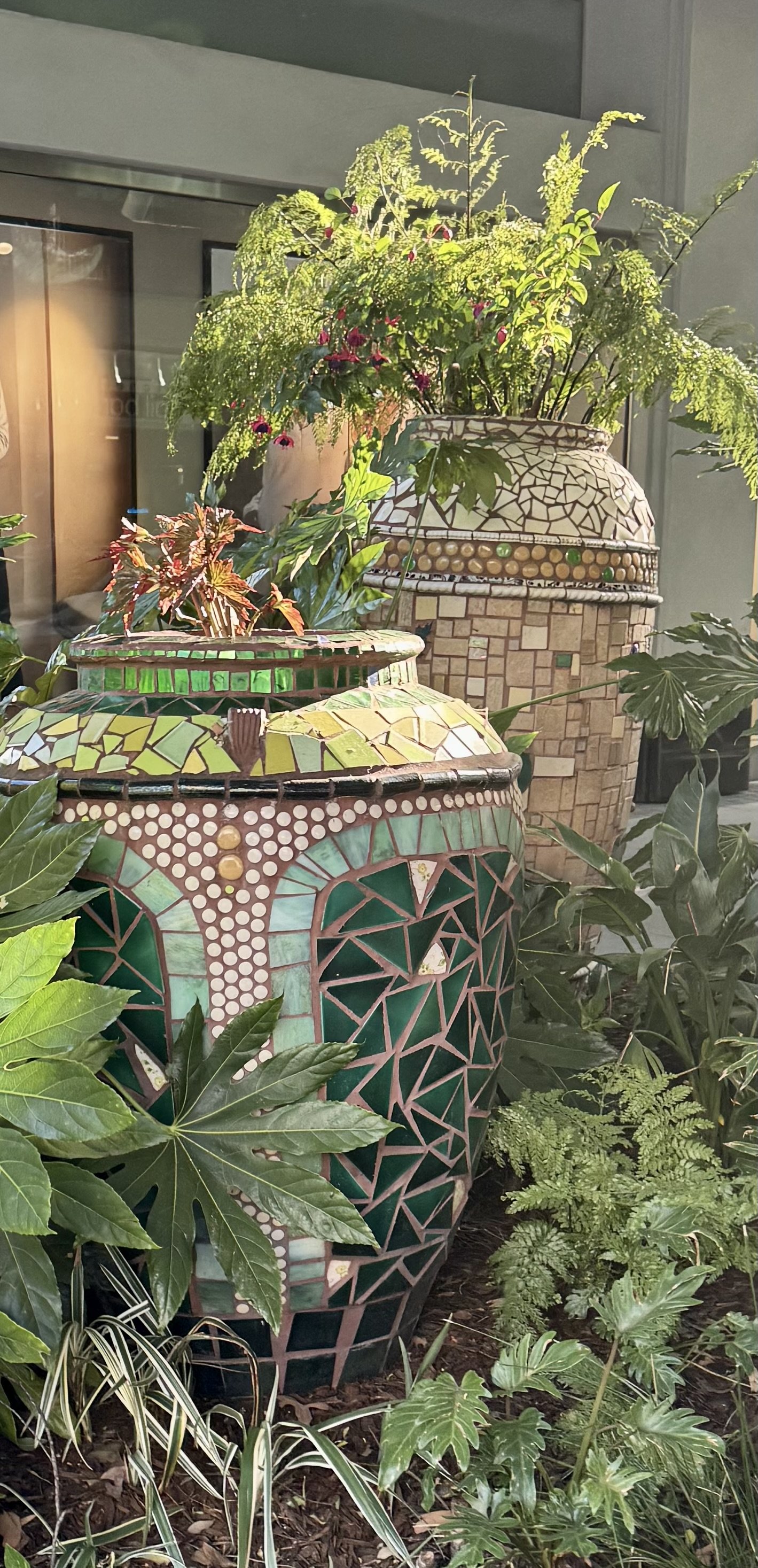
Santana Row in San Jose is a Food Lover’s Fantasy. Cecile and I had a Middle Eastern-style feast at Meso with dear friends, Nelson and Susan Bye who recently returned from a family trip in Costa Rica. This was our second time at the up-scale modern Mediterranean Restaurant. The exotic tapas-style servings did not disappoint, nor did the decor. Meso, which means “middle,” transports you with its’ calming, blue Mediterranean sky and sea that I remember from our travels. There is a bluish-purple lighted fountain in the spacious dining room.

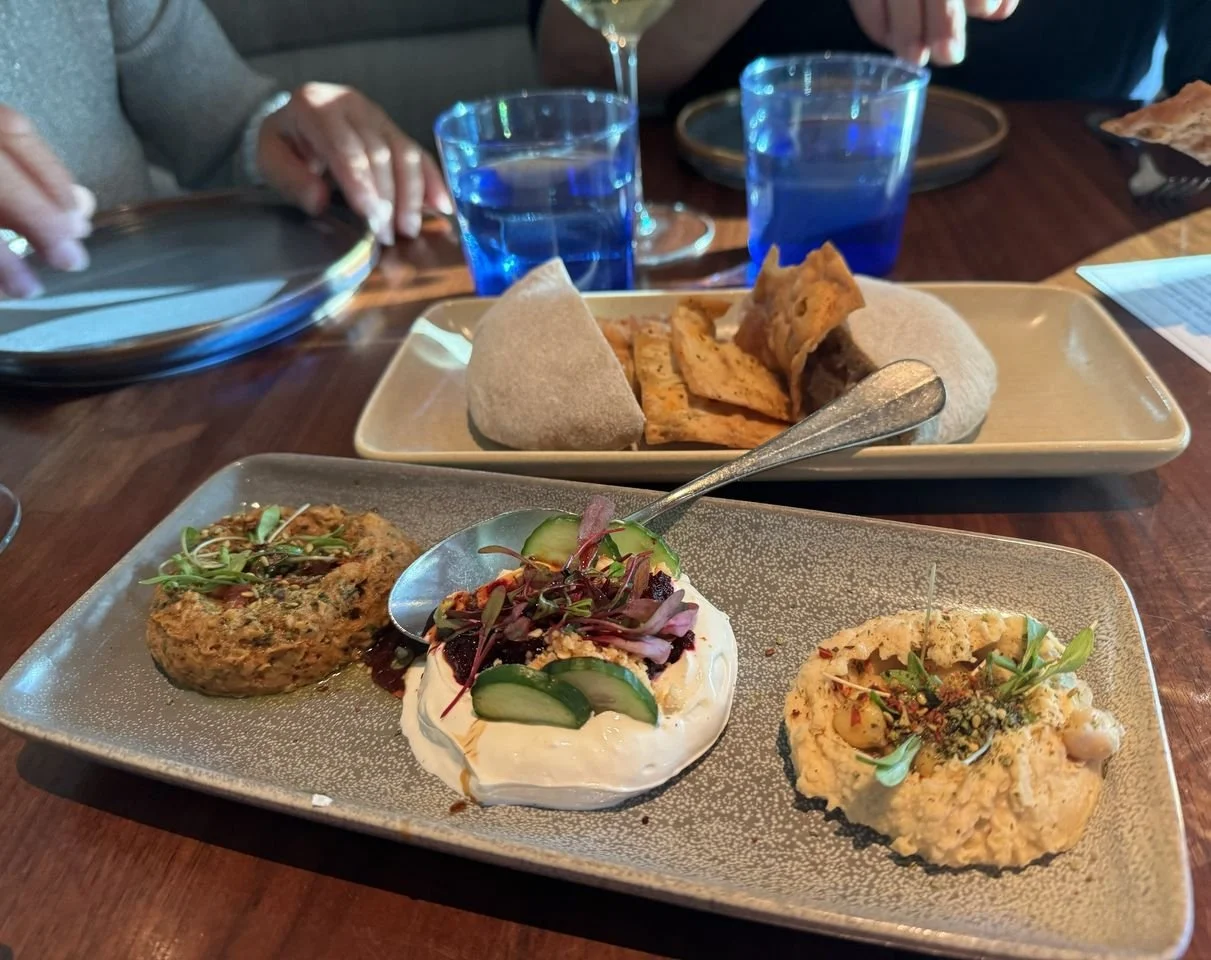
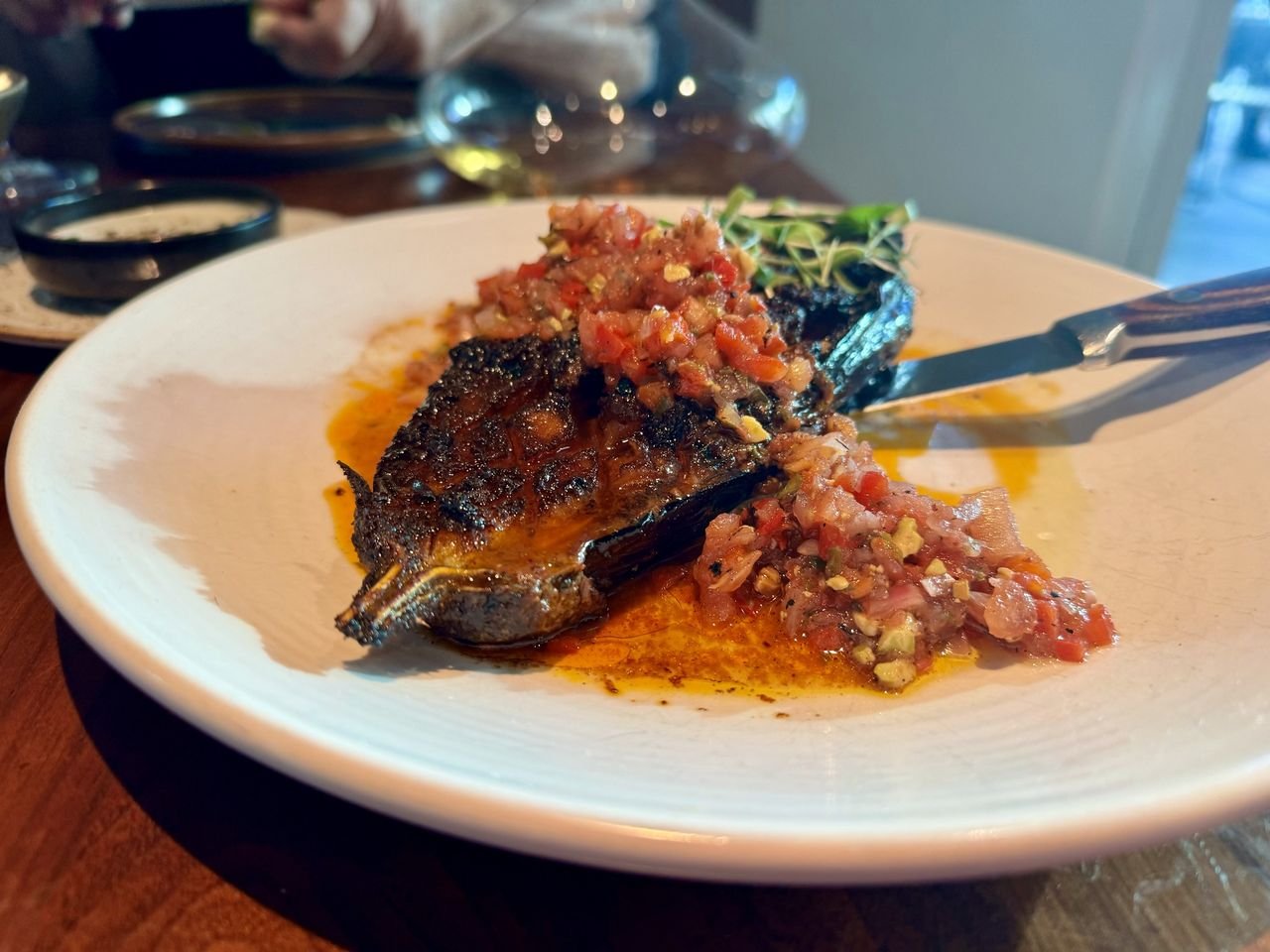
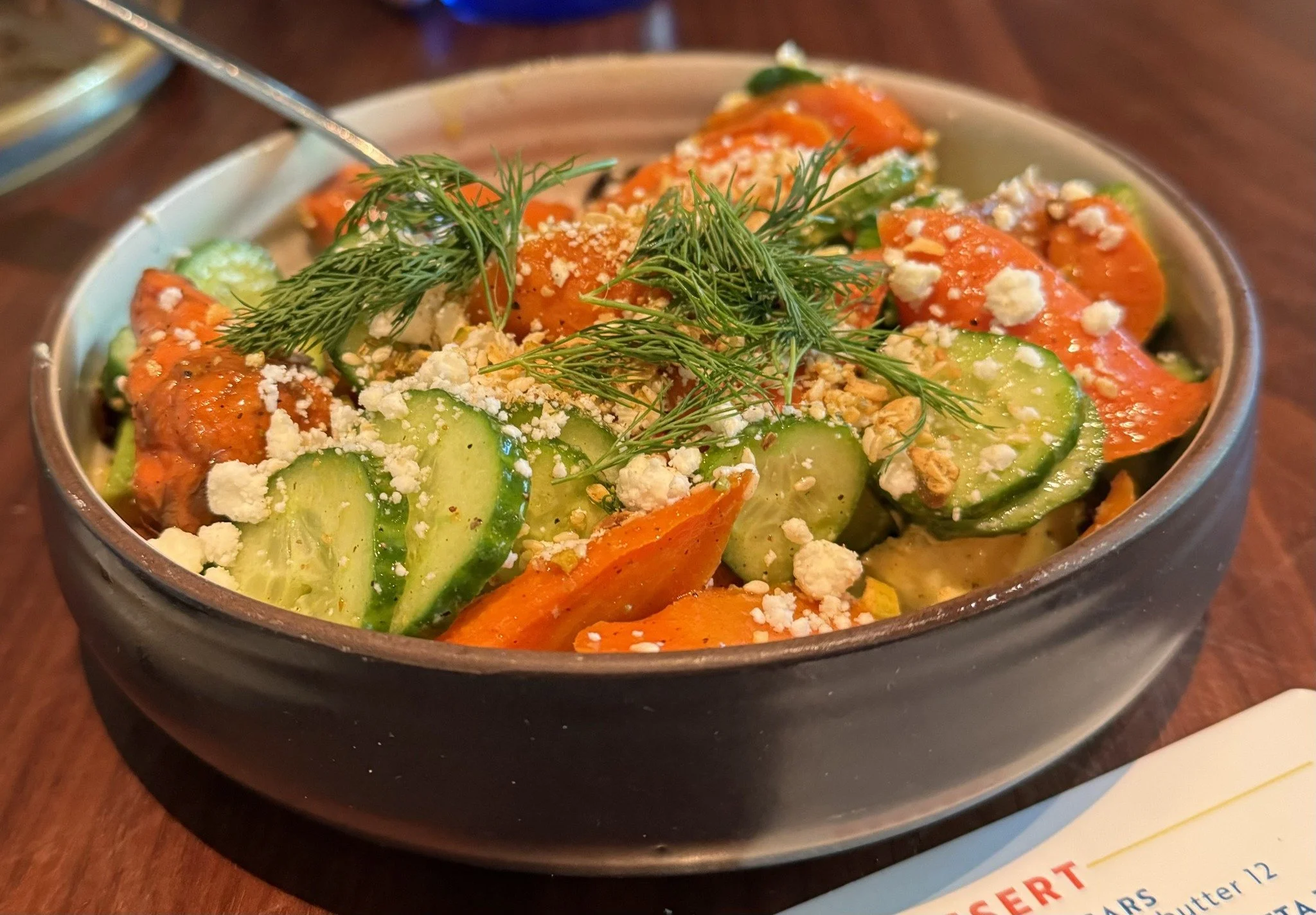
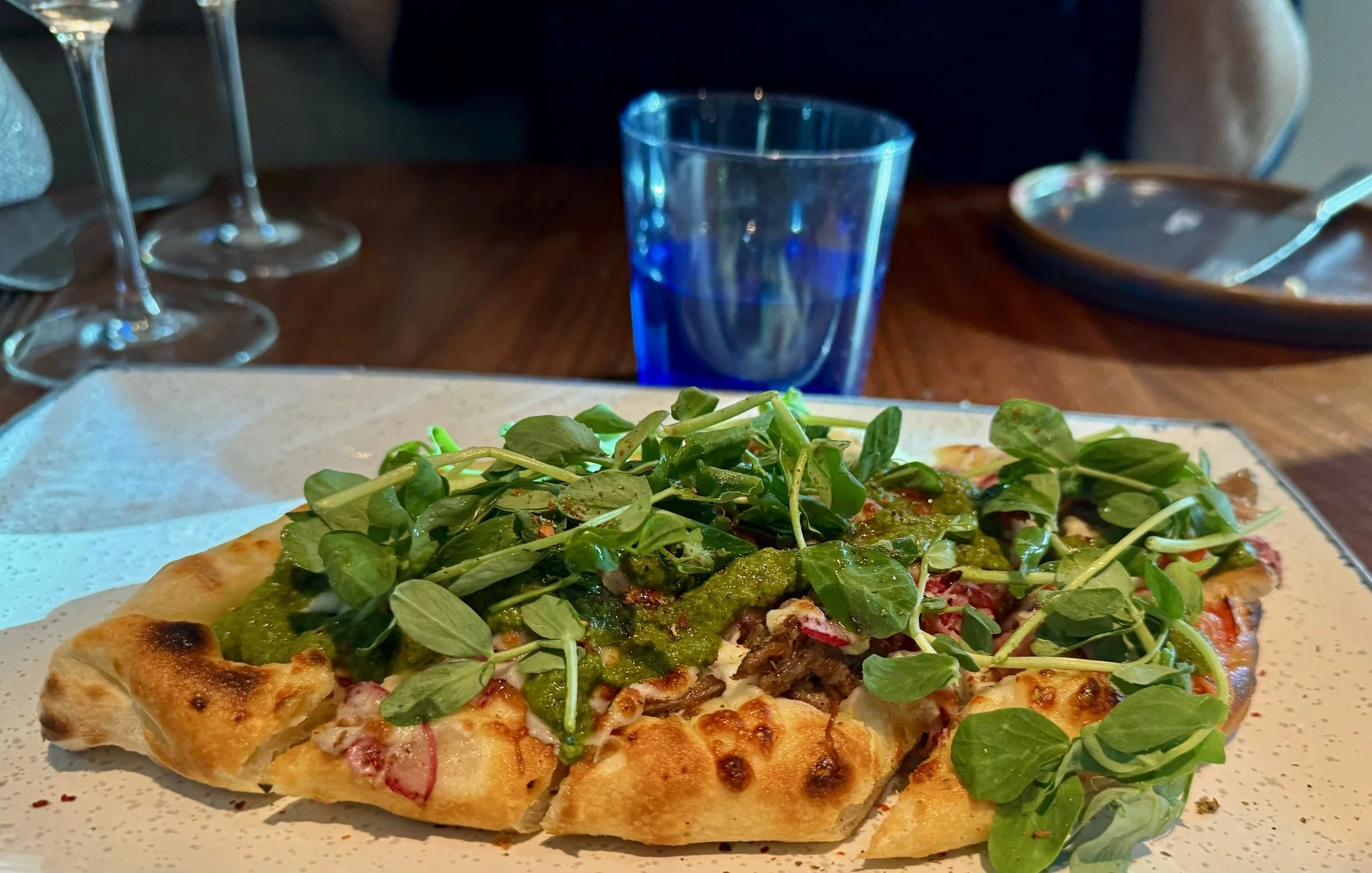
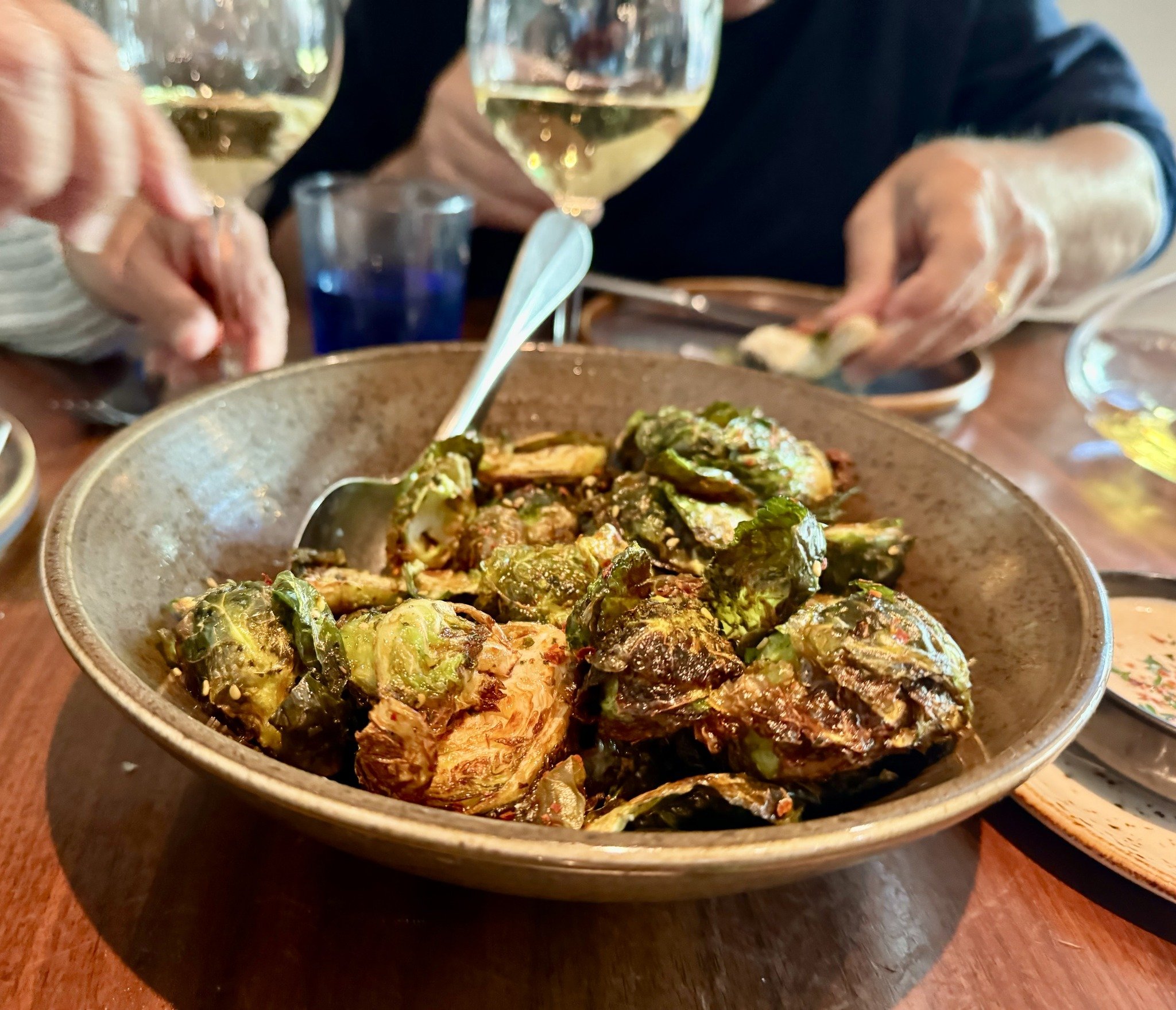
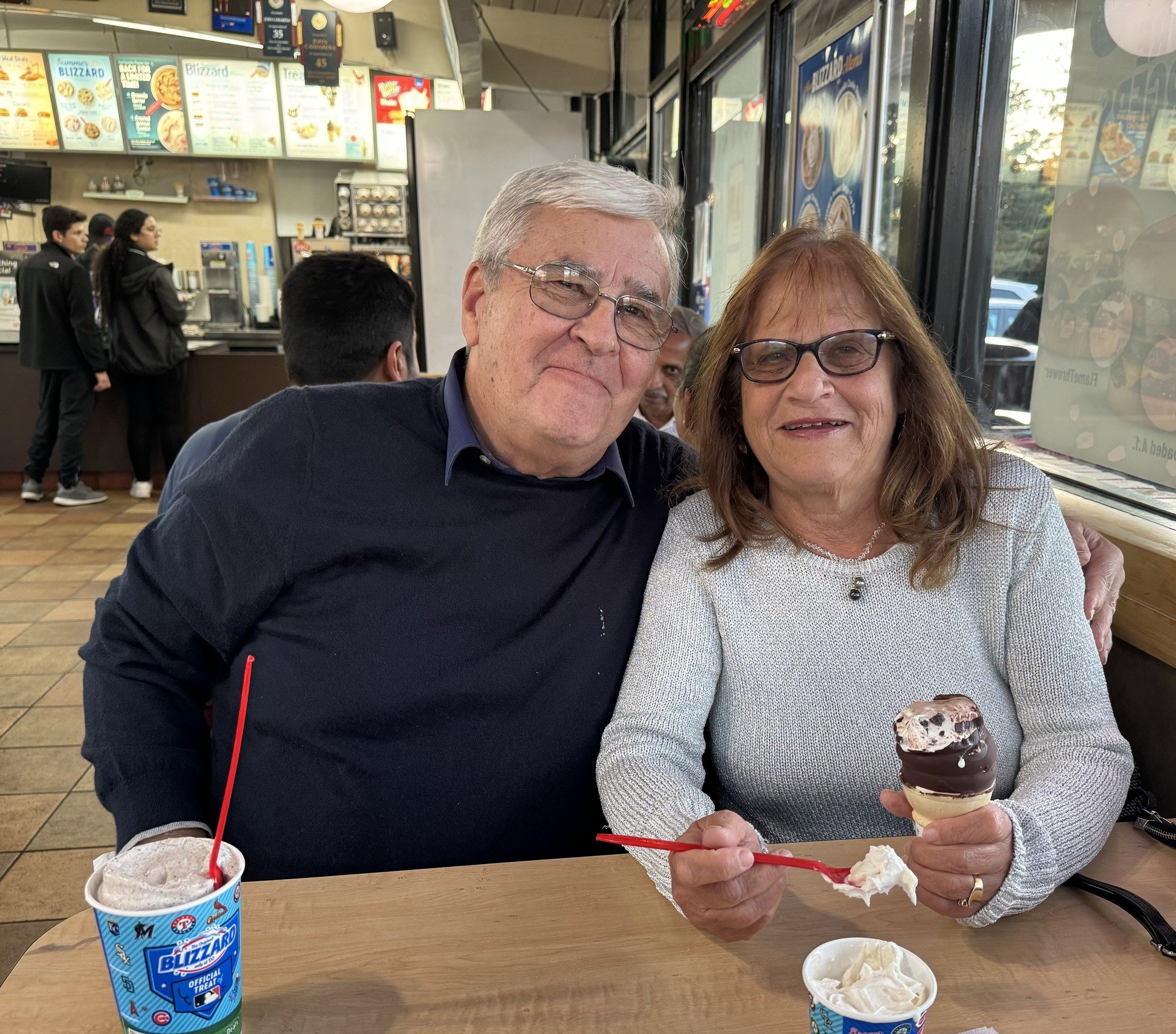
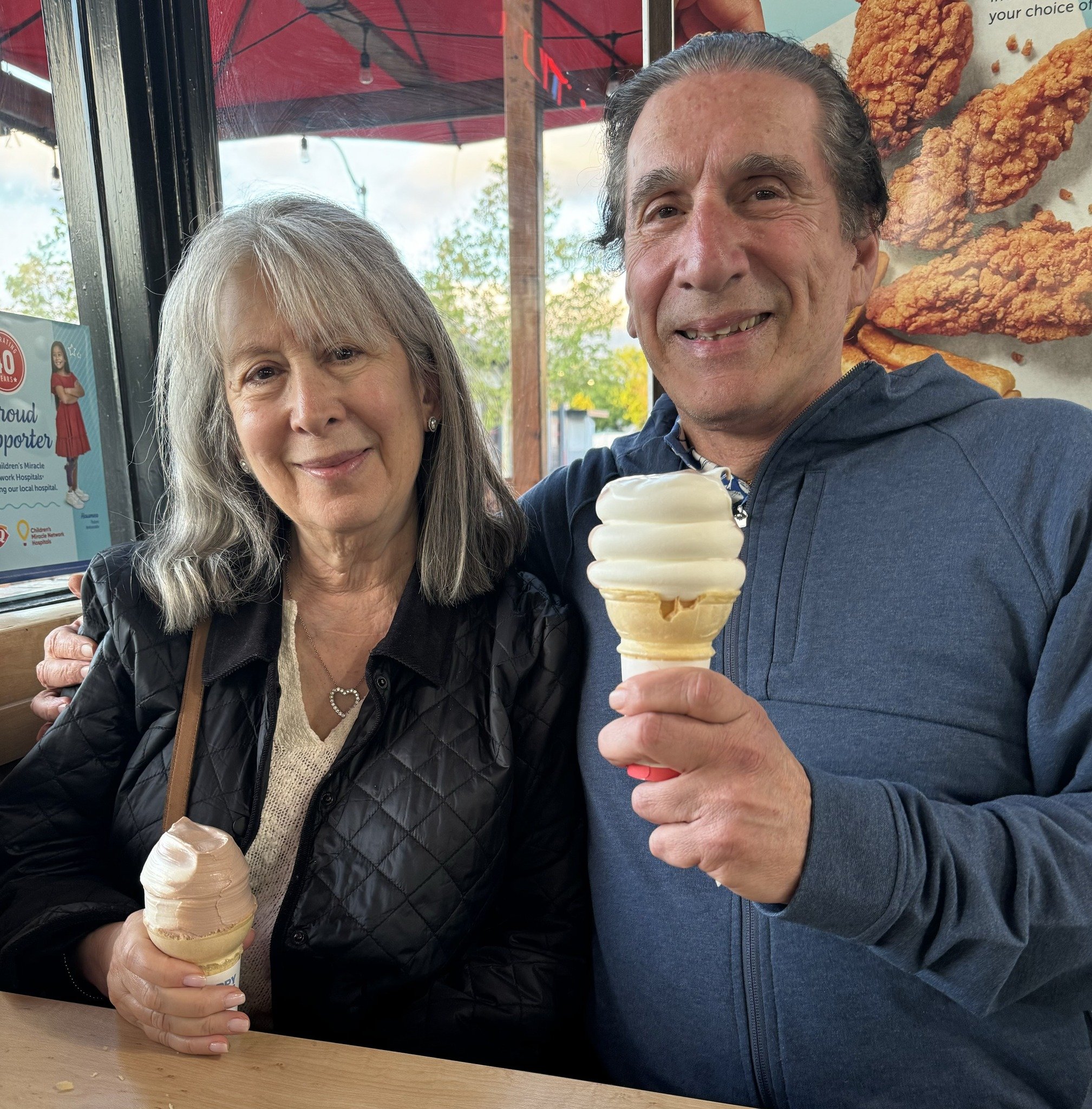
We began our gastronomic adventure by ordering a trio of dips: Hummus, smoked eggplant, red beet, labneh, and house-made pita bread. Cecile and I brought a bottle of Rombauer Chardonnay for the table. We also ordered Meso’s featured Spice Lamb Flatbread with yogurt, sumac onions, spicy zhoug, oven roasted tomato and sprouts, Crispy Brussels Sprouts with a scallion and feta dip; Charred Eggplant and Salata Hara with red pepper, pomegranate, pistachio and serrano; and a bowl of roasted carrots and cucumbers. We were sufficiently sated all for an average price of $70 per couple and this included the corkage charge for the wine. We decided to pass on the dessert and hit the Dairy Queen for soft serve ice cream before heading home.

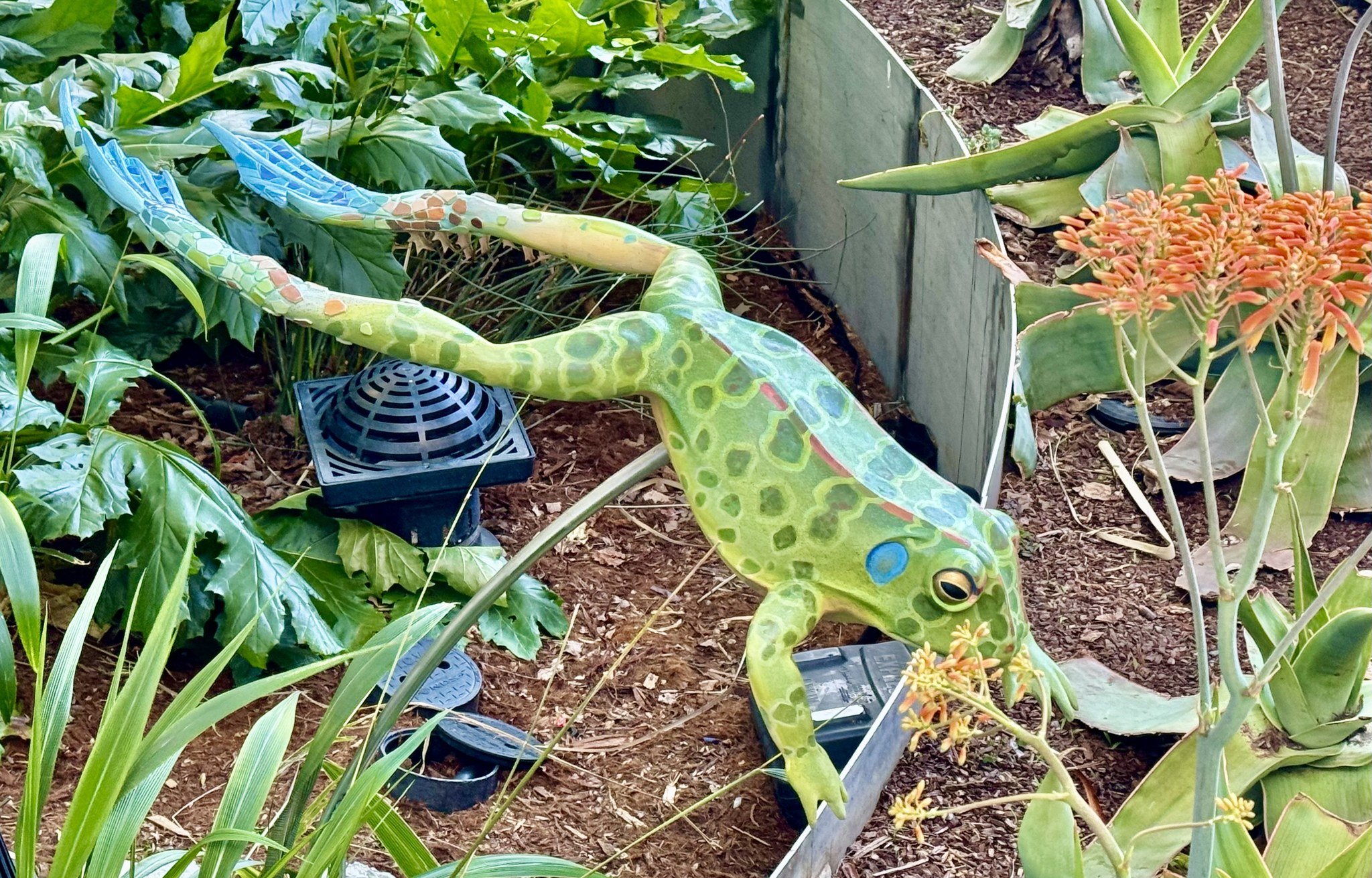
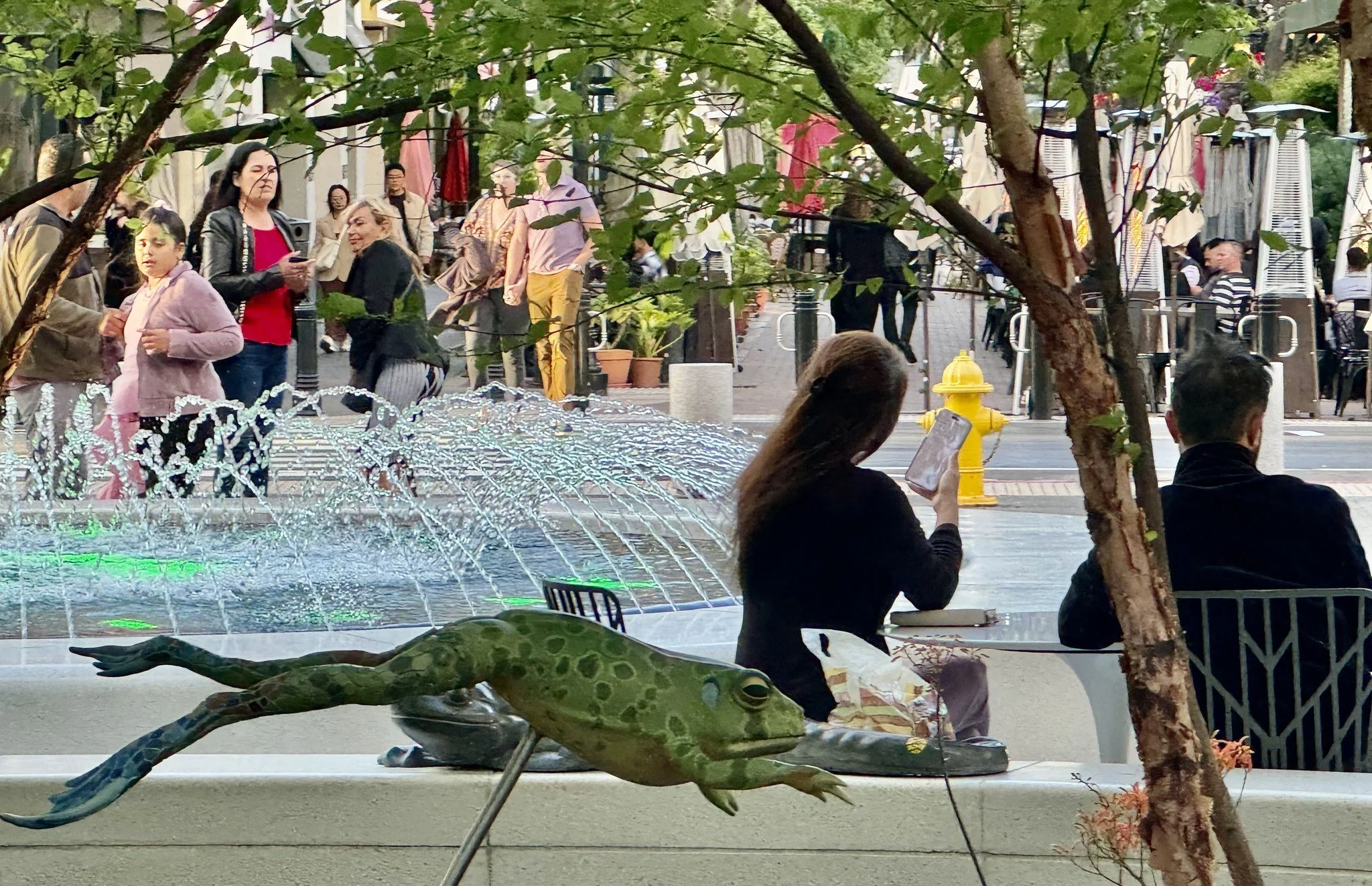
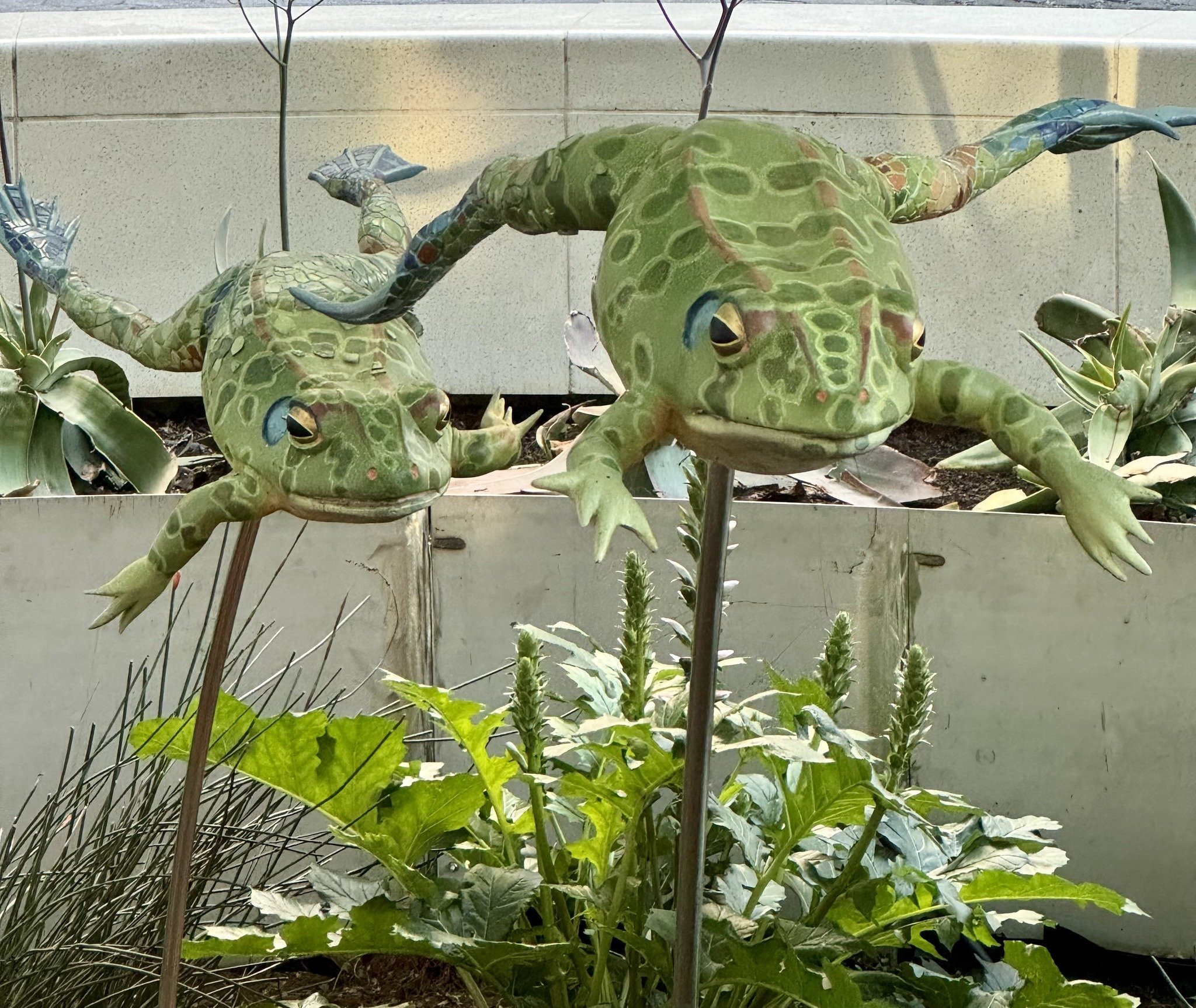
Postscript: The Mediterranean menu was designed by chef-partner Roland Passot and executive chef Gregory who spent years working at the French Laundry in Napa before taking the helm of Masa’s in San Francisco. They have a large outdoor front patio and there is a large outdoor Frog Garden that serves as a meeting place for any visitors to Santana Row.

Update: "Jerseys" from NJ Jersey for Joyful Kenya Students: In Loving Memory of My Late Niece Selina

Special Report

By Dr. Dennis Augustine

“May the gentle winds of the heavenly realm blow softly and whisper in your ear, how much we love and miss you and wish that you were here.”

—The McAllister & Augustine Family

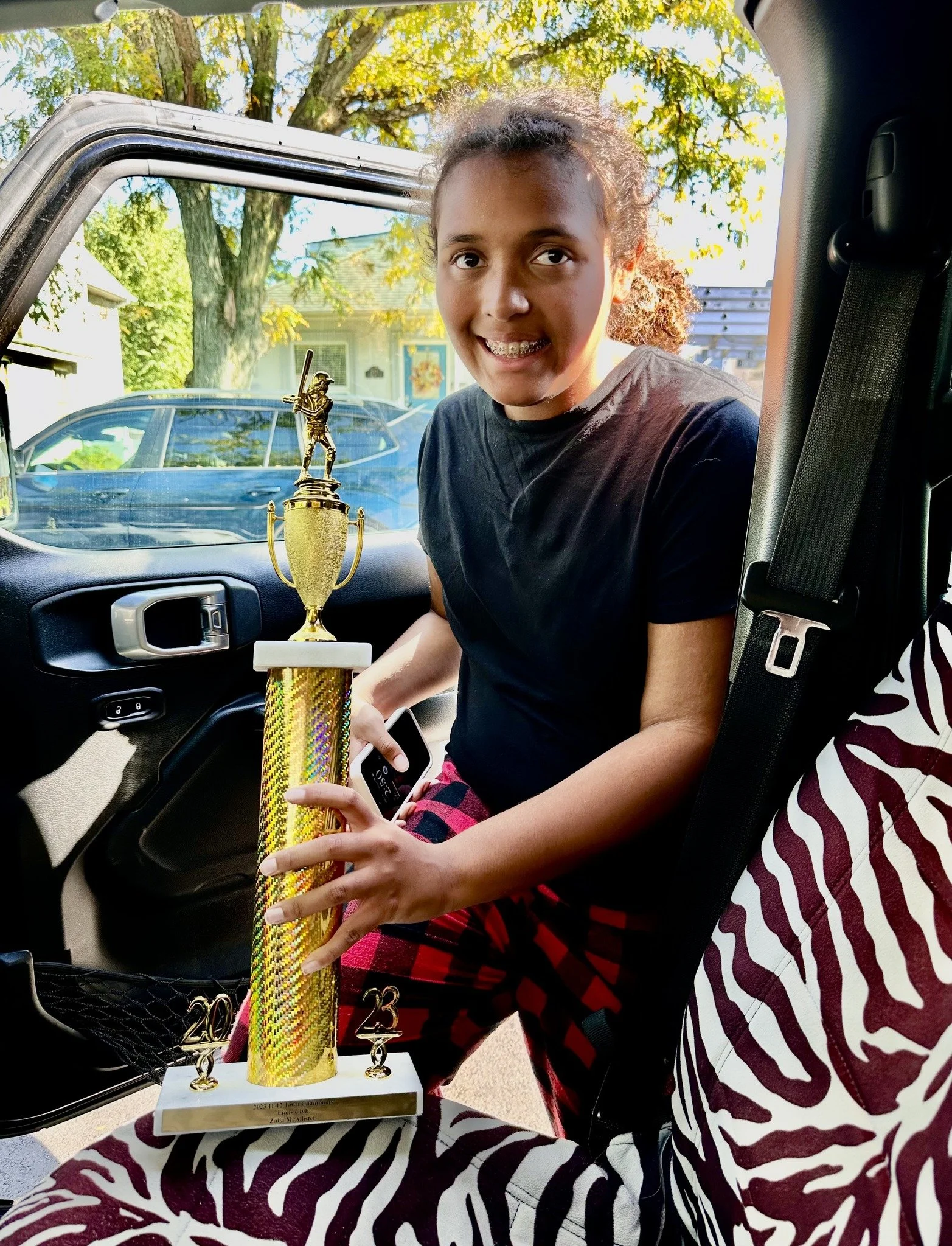
Jambo, Jambo, everyone! As a reminder, my brother-in-law Joe and family founded the Selina McAllister Computer School, in memory of my late niece and goddaughter, Selena. She left us last December 28, at the age of 40, the same day her beloved daughter Zaila turned 13.

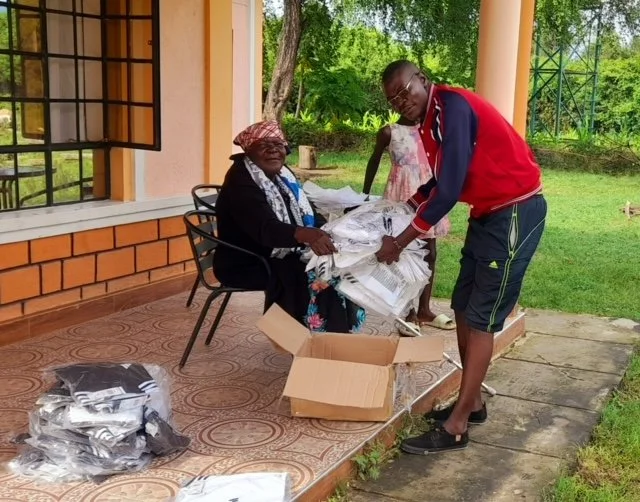
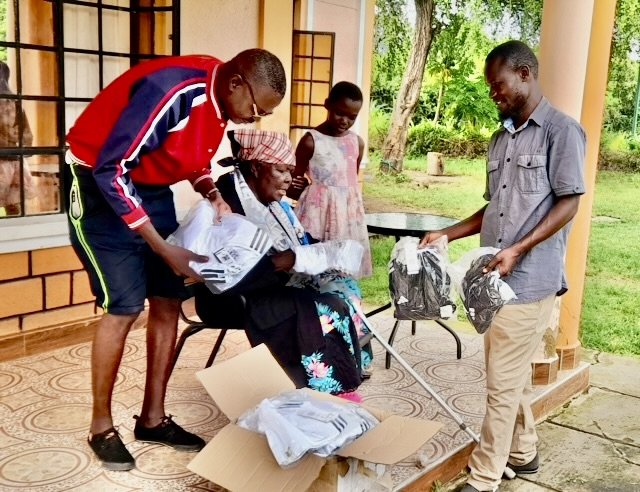
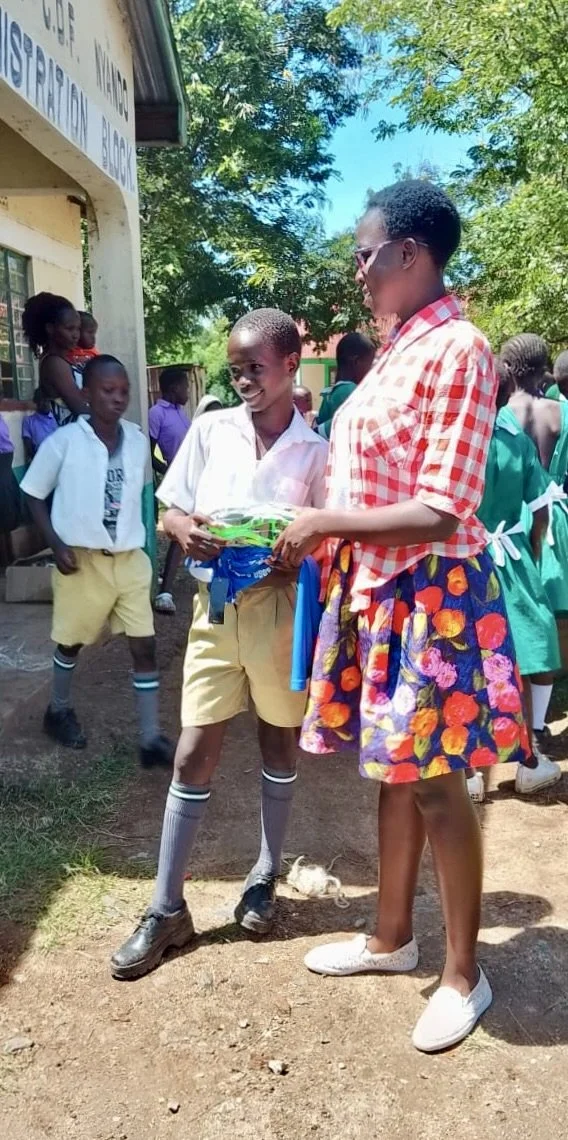
Today marked the second shipment of “jerseys" from New Jersey to arrive at the Masogo School in Kenya thanks to the generosity of my nephew Jake McAllister’s childhood friend Justin Stallard and his point man Jack who helped to make it possible. The first shipment also included blue, green, yellow and black jerseys, boots, socks, matching shorts, goal posts and soccer balls and nets. Today, Noel Olweny, the community leader of the Masogo School and member of the County Assembly joyfully announced that he was in receipt of 60 high quality black and white Addidas Jersey tops.

Noel, seen in many of the attached photos informed the school projects committee. As a result special arrangements are being made for the school fraternity to officially welcome the “jerseys” and schedule a friendly soccer match with another school after Spring break to coincide with a “Boom Day Celebration.” To that end, Joe, the main benefactor of the school and community and Noel’s mentor graciously donated $1,000 for food and drinks for students, teachers, staff and aides. Of course, always by his side, is Noel's Mama, the matriarch of the family who expressed her joy and gave her blessings to all concerned.

We met Noel at the Kenya Safari Club in 2006. The following year Joe took Selina to Kenya, and years later he decided to fund Noel's post-graduate education in Land management. They have remained good friends ever since. Last March, Cecile and I decided to support Joe and his family by contributing a $1,000 to the Masogo school in Selina’s memory.

Postscript: Earlier in the month, Noel proudly anounced that his daughter Serena (wearing spectacles in the photos), accompanied him for the end-term school holidays which brought him even greater joy, as she witnessed what he described as “the noble act of beautiful people.” Serena's response was, “I love our friends in the USA.” As Serena entered the Selena McAllister Computer Classroom, and saw framed photos of her prominently and respectfully displayed on the walls of the classroom and her grandmother's home, she couldn’t hold back her tears.

Noel ended his email with the words “Asante sana rafiki, mango awabariki,” which translated from Swahili means:

Thank you, my friend, God Bless you!